For Wisconsin author and English professor David McGlynn, his new novel “Everything We Could Do” was born from a moment of crisis.
The novel published Sept. 15 and chronicles the stresses and heartbreak around a neonatal intensive care unit, also known as a NICU, in a fictional town named Hanover, Wisconsin.
The story follows the fates of two key characters: Brooke, a new mother to quadruplets who gives birth prematurely at just 23 weeks, and Dash, a nurse whose son spent time in the NICU and faces severe cognitive delays as he enters adulthood.
News with a little more humanity
WPR’s “Wisconsin Today” newsletter keeps you connected to the state you love without feeling overwhelmed. No paywall. No agenda. No corporate filter.
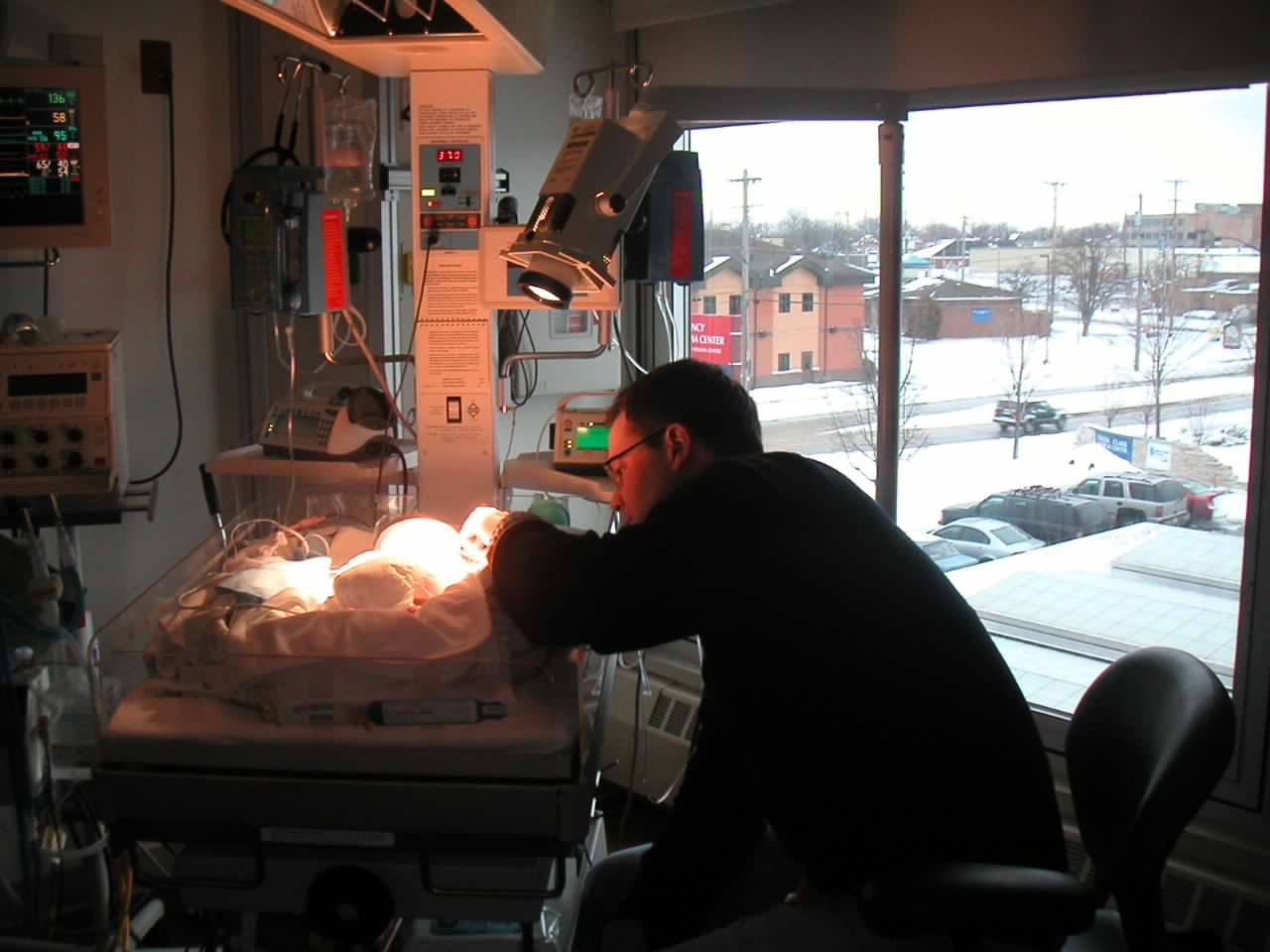
The road to this story began after McGlynn’s own son’s stay in a NICU in 2007.
“Most people go to the hospital to have a baby thinking that everything is going to be just fine. And when something goes wrong, your whole world turns upside down,” McGlynn told WPR’s “Wisconsin Today.” “And that was definitely the case for us.”
McGlynn’s second son went home with McGlynn and his wife after a 10-day stay in a NICU. Just a month later, McGlynn said his wife was hired as a social worker for a different neonatal intensive care unit in Appleton.
McGlynn, who teaches at Lawrence University, would later spend six months volunteering at a NICU to learn more about life in the unit.
“I see this book as an act of witness,” McGlynn said. “It turns its eye and attention to a part of the world that doesn’t get nearly enough attention.”
McGlynn told “Wisconsin Today” about the book and why he wanted to capture the stories from such a dark setting.
The following was edited for clarity and brevity.
Rob Ferrett: I understand that your personal experience with your own child’s stay in a NICU set you on the path toward this novel. What memories stood out to you about those 10 days when your kid was there?
David McGlynn: One of the things that stood out to me right away is that when something happens in the course of having a baby, it’s almost always something that catches a parent off guard. We were blindsided by it.
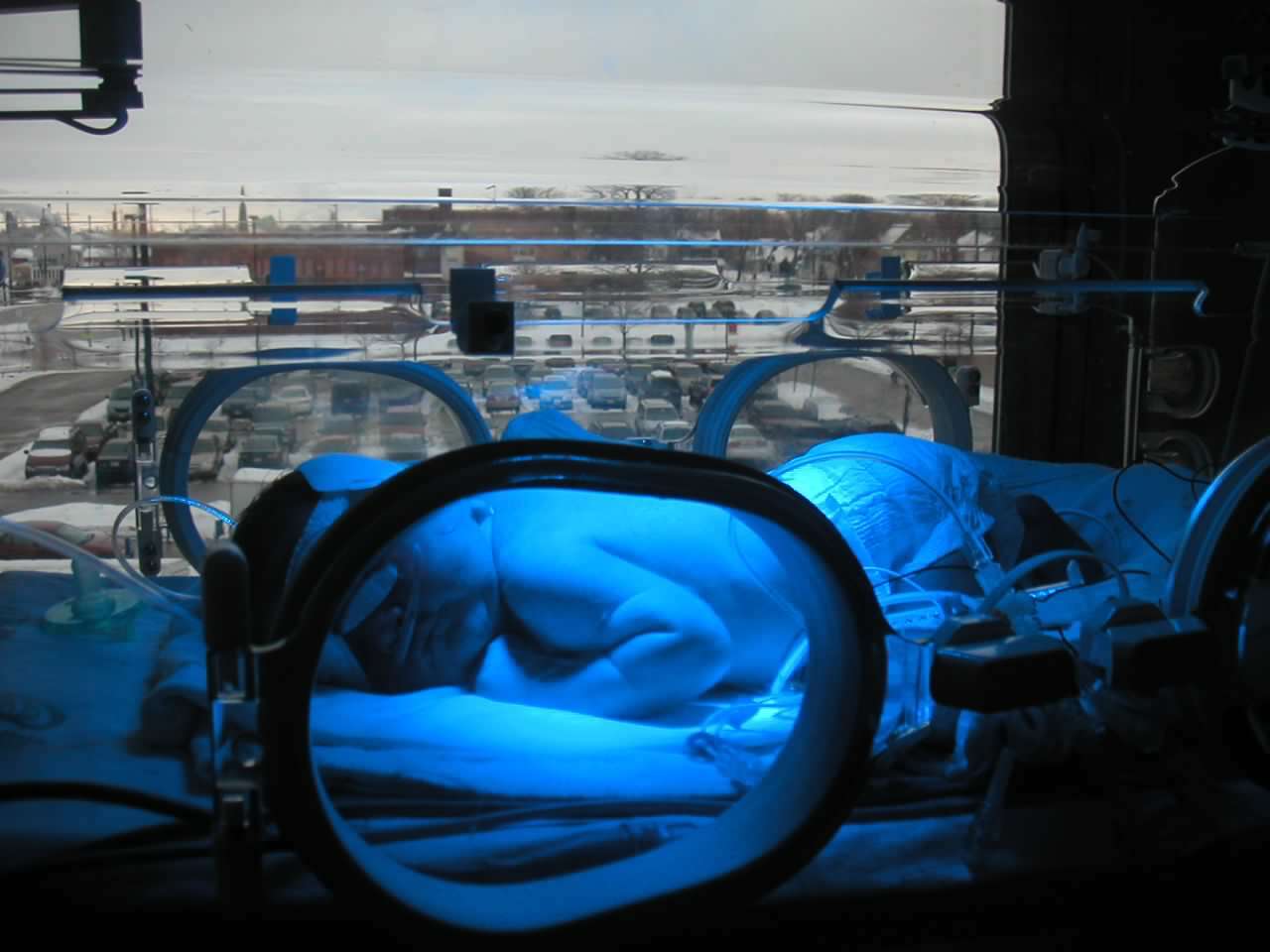
It’s almost like a surreal experience of, “I can’t believe that I have a baby that’s in this spaceship-like environment, and I’m having to navigate that.” My wife, ironically, about a month after our son came home from the NICU, was hired to be the social worker for a different neonatal intensive care unit in Appleton. So, she went from being a NICU parent to being a NICU employee in the span of one month.
The moment that she started, she realized and would come home and talk generically about the kinds of experiences and stories that other parents were having, and they were so similar to ours. They didn’t expect to be there. Everything felt like it was out of their control. It felt scary, and then these medical dramas would unfold.
As time went by, I felt like that was a world that didn’t get enough attention and was something that I really wanted to try to capture in the span of a story.
RF: Why have these two characters, Brooke the mom and Dash the nurse, as anchors to this story?
DM: In the course of the research for the story, I learned that some of the babies that come through the NICU do end up with lifelong conditions or deficits. In the abstract, a lot of parents would think that such an outcome was terrible. But if you talk to the parents who care for their children who have long-term problems, they tend to accept it. They love their children no matter what. They wouldn’t trade them for anything in the world.
A nurse told me during my research in the unit that there was a place in the world for sick babies. And I thought that was such a beautiful thing to say that I wanted to try to capture that.
I wanted to have these two stories that are working side by side with each other. One mother, Brooke, is sort of holding vigil beside her babies at the very beginning of their lives. And the other character, Dash the nurse, is having to usher her once-fragile premature baby into a new stage, into adulthood. So her role as a mother, in a certain sense, is coming to a close and a new one is about to begin for her.
RF: I understand early readers told you they were worried that the bleak setting would detract from the book. Why set your story here?
DM: I think that a number of early readers worried the darkness was going to be some kind of a detraction or something. For me, I see this book and the story as an act of witness. It turns its eye and attention to a part of the world that doesn’t get nearly enough attention.
There usually are two kinds of NICU families — I’m being simplistic, but I think it still holds. There are often families that end up in the NICU because they have tried for a long time to have a baby. And they have usually gone through some kind of in vitro fertilization or something like that. Those families tend to be more affluent, more educated. They understand the process. They have the financial and the social resources to navigate the complexity of that world.
There are other families that end up in the NICU because they are poor and they haven’t had good access to prenatal health or to other things that would help them to have a healthy baby, including being exposed to things like addiction and whatnot. And those stories almost never are told because those are the families that really don’t have a voice to tell their story, except in sort of their small circles back at home. And I wanted to make sure that I could focus to some extent on what it was like for them to go through that experience, as well.