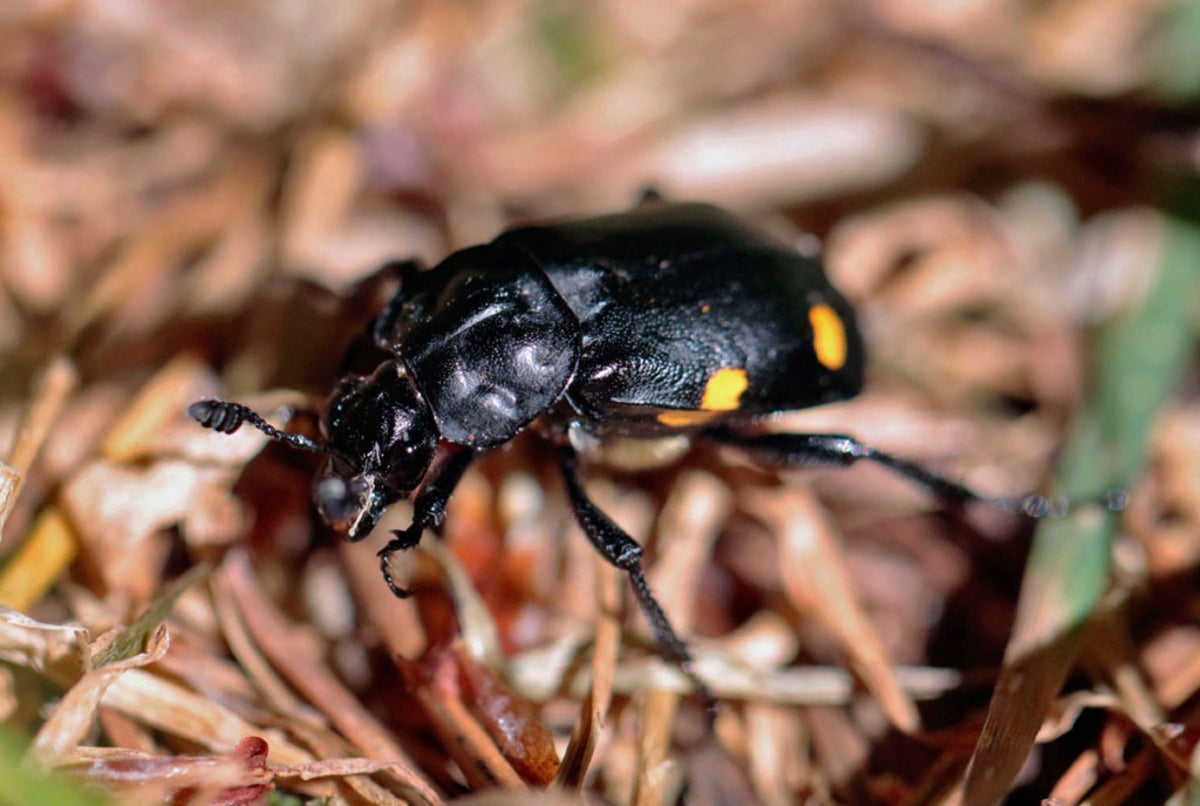
A new project is training students to collect aquatic insects that can be used to track the health of waterways across Wisconsin.
The project is known as BenthicNet. It gets its name from organisms known as benthic invertebrates that live on the bottom of streams, lakes and rivers. They include aquatic insects in addition to snails, clams and worms that spend part of their life in the water.
The project was launched in the summer to train students to identify and properly preserve specimens, and it’s funded by the Freshwater Collaborative of Wisconsin. The goal is to make the collections more accessible to the public, water resource managers and the scientific community. The information could then be used by agencies to prioritize water-quality sampling and management of certain waterways.
News with a little more humanity
WPR’s “Wisconsin Today” newsletter keeps you connected to the state you love without feeling overwhelmed. No paywall. No agenda. No corporate filter.
The bottom-dwelling organisms are commonly used as an indicator of the health of waterways, said Jessica Orlofske, an associate professor at the University of Wisconsin-Parkside.
“The organisms that live in these water bodies are our best allies and friends for making sure our freshwater stays swimmable, drinkable and fishable,” Orlofske said.
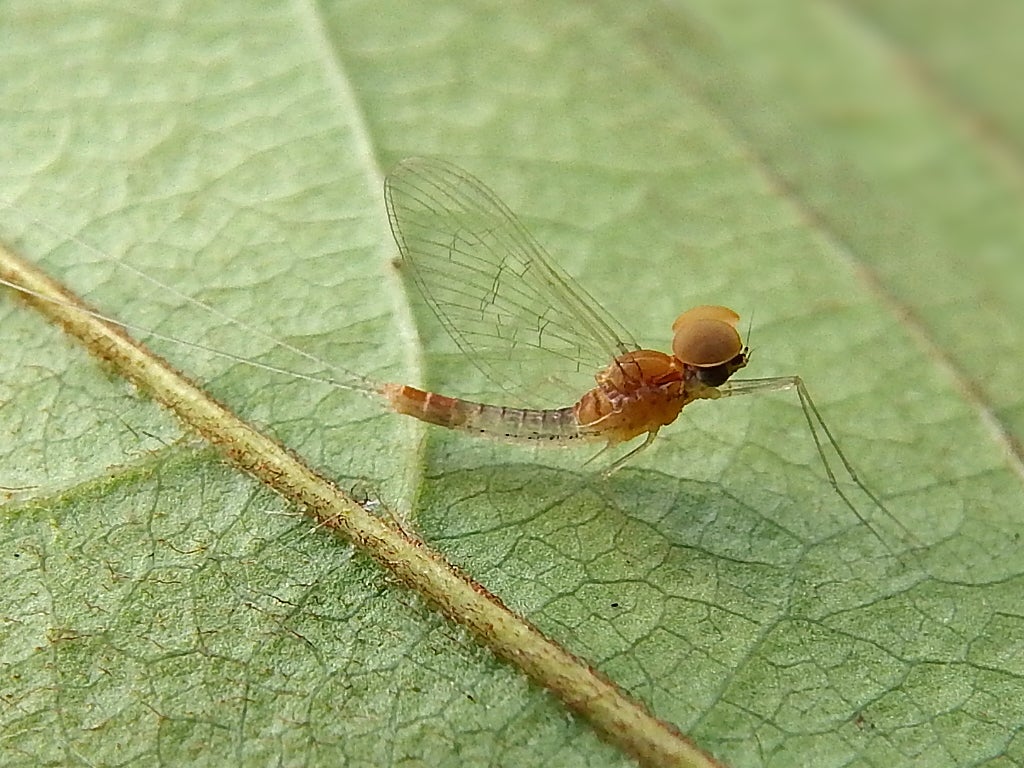
Aquatic insects are a food source for fish and birds, and they also recycle nutrients by breaking down debris that runs off the land into waterways. Some critters are more sensitive than others to pollution from sources such as fertilizers or pesticides. Those include stoneflies and mayflies, said Jeff Dimick, manager of the Aquatic Biomonitoring Lab at UW-Stevens Point.
“If we see a good abundance of mayflies and stoneflies and caddisflies, and we see a number of different species from each of these groups, that’s generally an indication of good ecological condition and good water quality,” Dimick said.
In September, students netted stoneflies while surveying the Wisconsin River as part of a training workshop at Treehaven, a Northwoods facility operated by UW-Stevens Point. The project’s partners include staff and students at UW-Stevens Point, UW-Parkside and UW-Madison, as well as the Milwaukee Public Museum. Each institution already has a collection of specimens that has been gathered over decades.
UW-Madison alone is home to more than 3 million specimens that include 750,000 aquatic insects, according to Craig Brabant, curator of the Wisconsin Insect Research Collection. Brabant said many of them were collected by late UW-Madison aquatic entomologist Bill Hilsenhoff and his students from “the smallest mud puddle to the Great Lakes.”
“Using the information he developed about the groups of species of insects and these various bodies of water, he was able to develop a tool to help assess freshwater quality,” Brabant said.
That tool or biotic index has been used by water resource managers in Wisconsin and worldwide to gauge the water quality of streams.
As collection efforts are ongoing, Orlofske said it’s important to properly identify the critters. For 50 years or more, the Wisconsin Department of Natural Resources and other groups have been collecting data from the state’s waterways. Now, the project’s partners are updating scientific names or classifications for specimens gathered decades ago to match them with more recent collections.
Orlofske said that work is important for tracking changes to the health of waterways over time.
“If (the organisms aren’t) there now or in the future, that gives us information on how landscapes and waterways might be changing,” Orlofske said. “By digitizing and making available the records for where we have recorded particular organisms in the past, it informs the monitoring and management we do today and into the future.”
Dimick said the presence or absence of certain aquatic insects can offer insight into the amount of sediments or nutrients running off the land into surrounding waterways. The project’s partners are collecting specimens from all types of waterways statewide ranging from ephemeral wetlands to Lake Michigan.
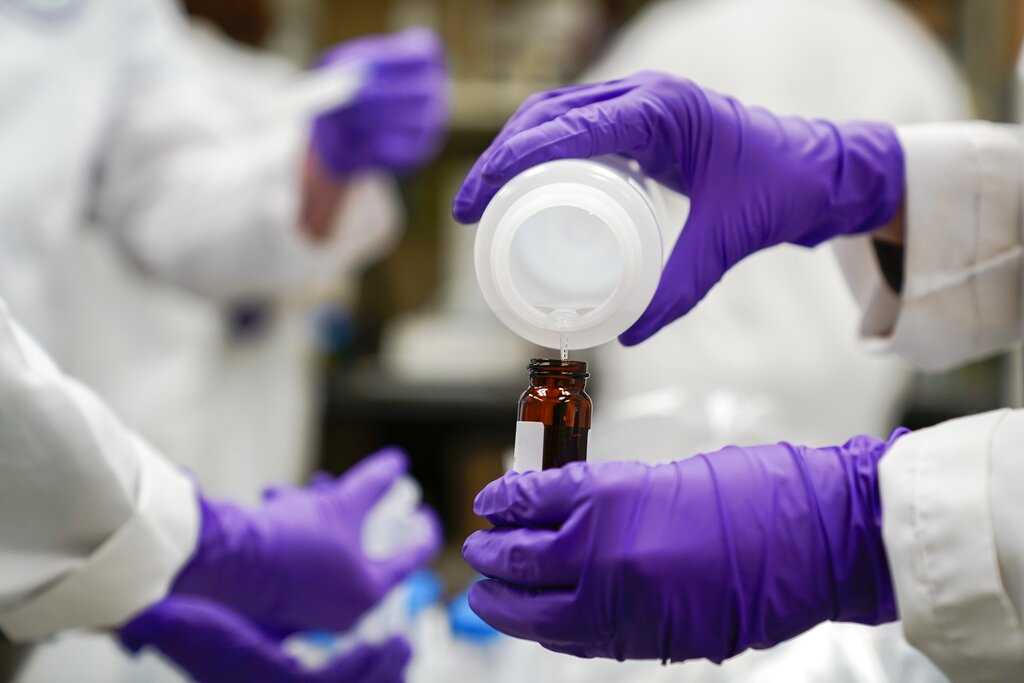
The aquatic insects will either be pinned and stored in cabinets or maintained in vials filled with ethanol or alcohol to properly preserve them. UW-Stevens Point will hold another training workshop for students at the end of January. Orlofske hopes they can enter their records into a database that is slated to be shared online as early as next spring.

Wisconsin Public Radio, © Copyright 2026, Board of Regents of the University of Wisconsin System and Wisconsin Educational Communications Board.