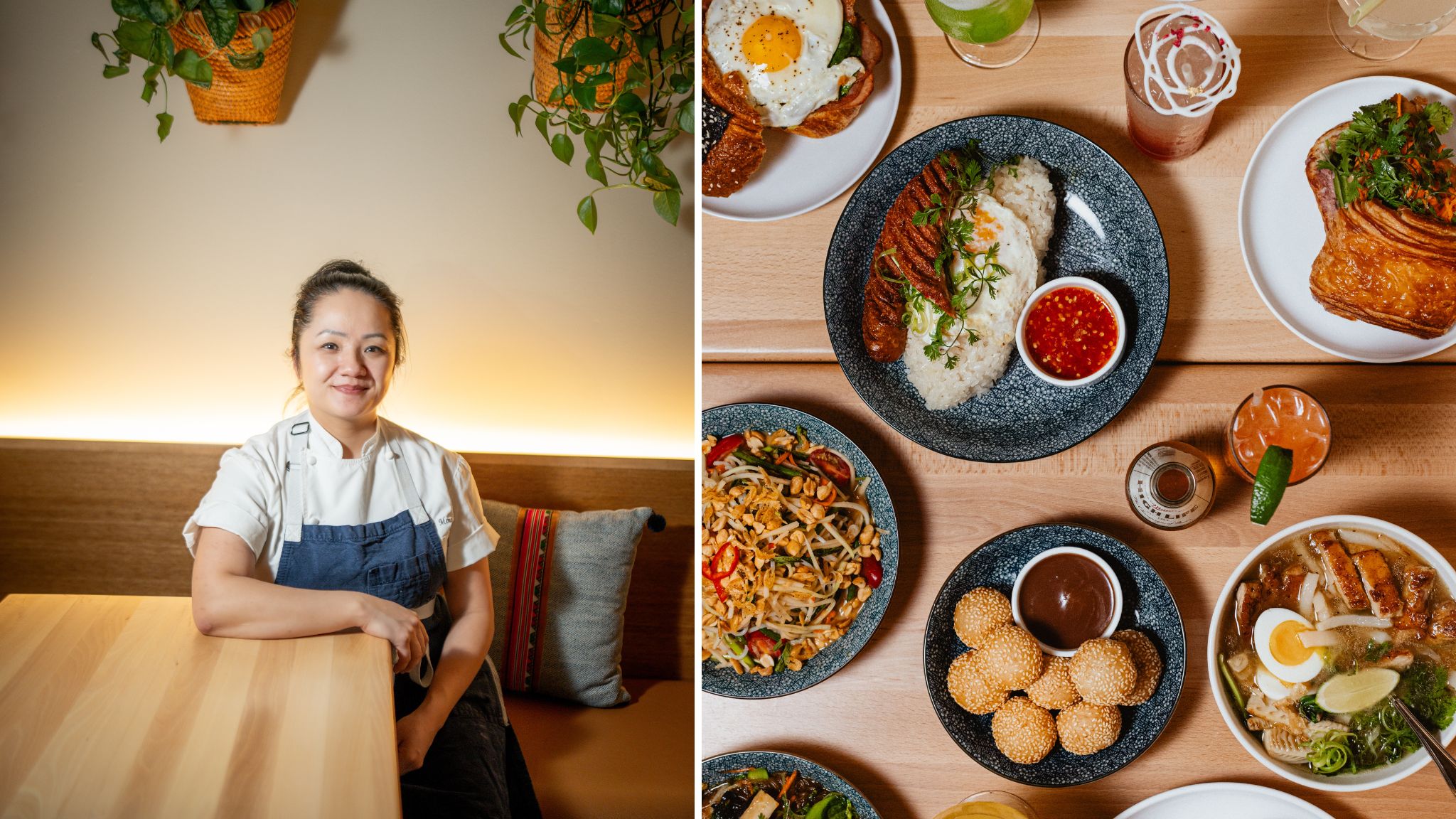
Food and Wine magazine’s 2025 Restaurant of the Year is a small Hmong-American restaurant in the Twin Cities called Diane’s Place. The chef behind it started her cooking journey on a farm near Junction City and isn’t ruling out a return to her home state.
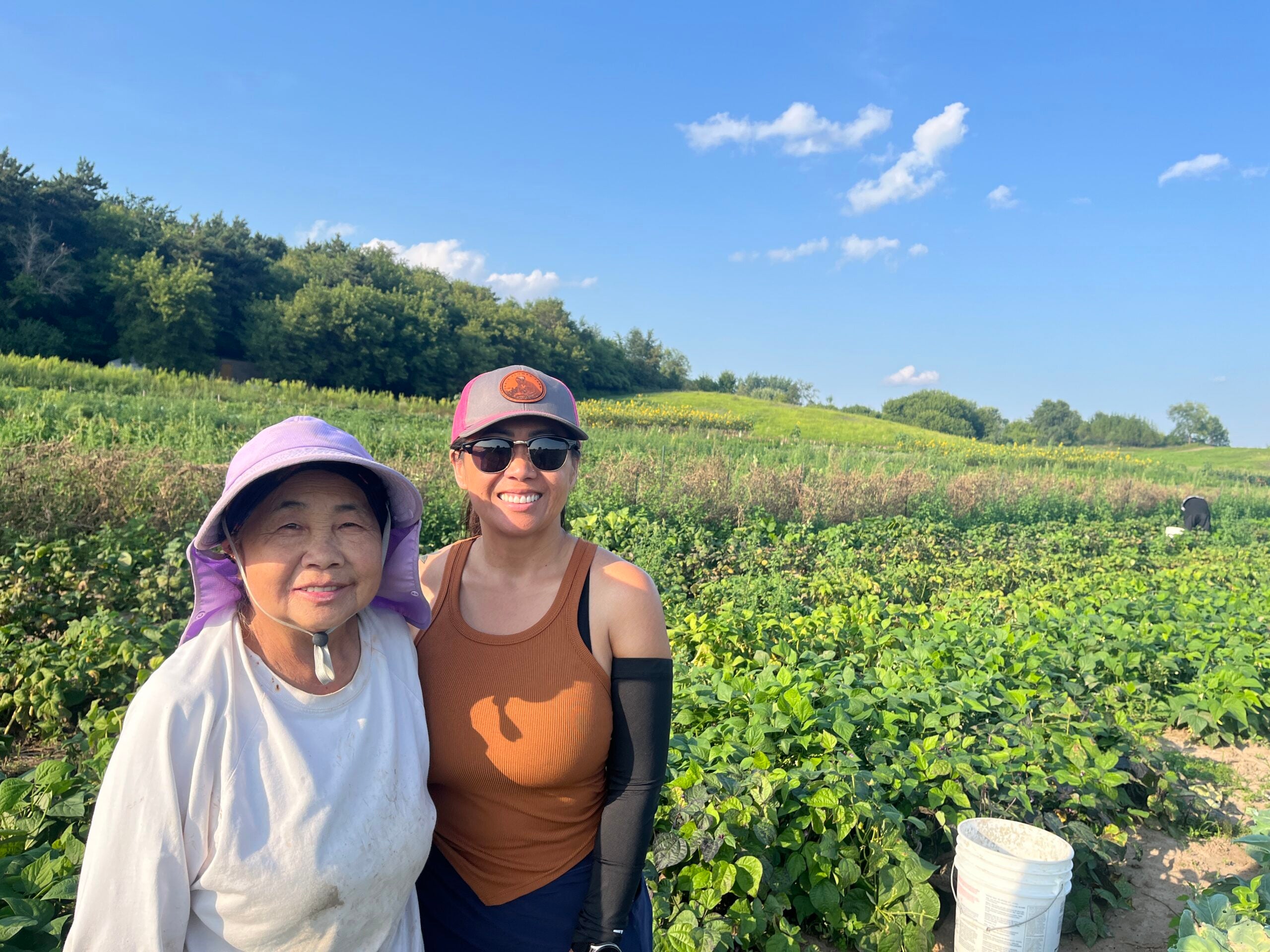
Each week, Diane Moua and her family would get up early in the morning and travel two hours south to Madison to sell their produce at the iconic Dane County Farmer’s Market.
“We ate a lot of fresh veggies during the summer,” Moua said. “Anything that we grew, we ate.”
News with a little more humanity
WPR’s “Wisconsin Today” newsletter keeps you connected to the state you love without feeling overwhelmed. No paywall. No agenda. No corporate filter.
The environment that she grew up in — the food, the culture and the hospitality — all inspired the vision for her restaurant.
Now, Moua is a three-time James Beard award finalist, and Daine’s Place has won national acclaim.
“To put a small Hmong restaurant on a national level, it’s pretty amazing,” Moua said.
Moua joined WPR’s “Wisconsin Today” to talk about how her time in Wisconsin shaped her food journey — and the possibility of someday bringing her talents back to the state.
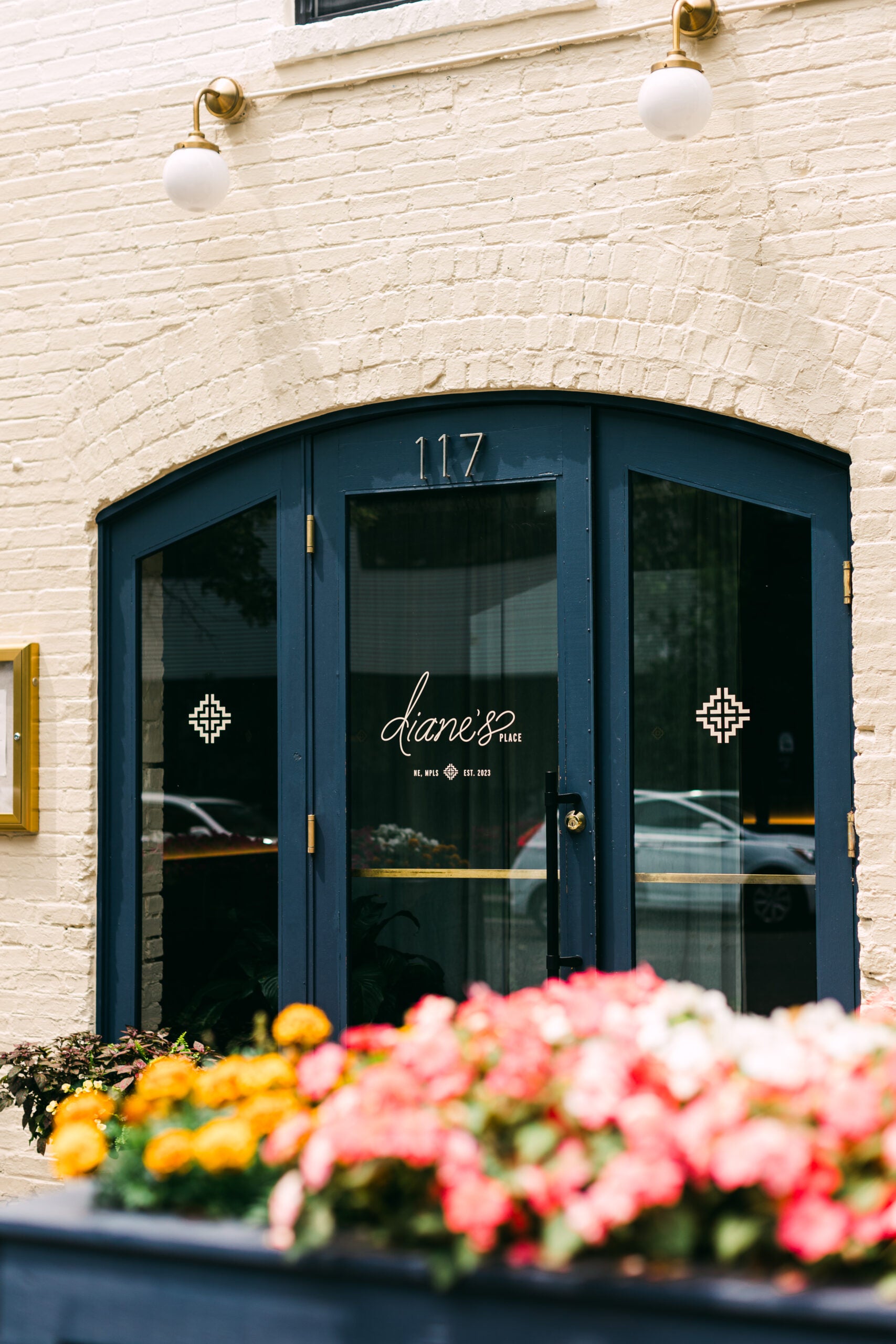
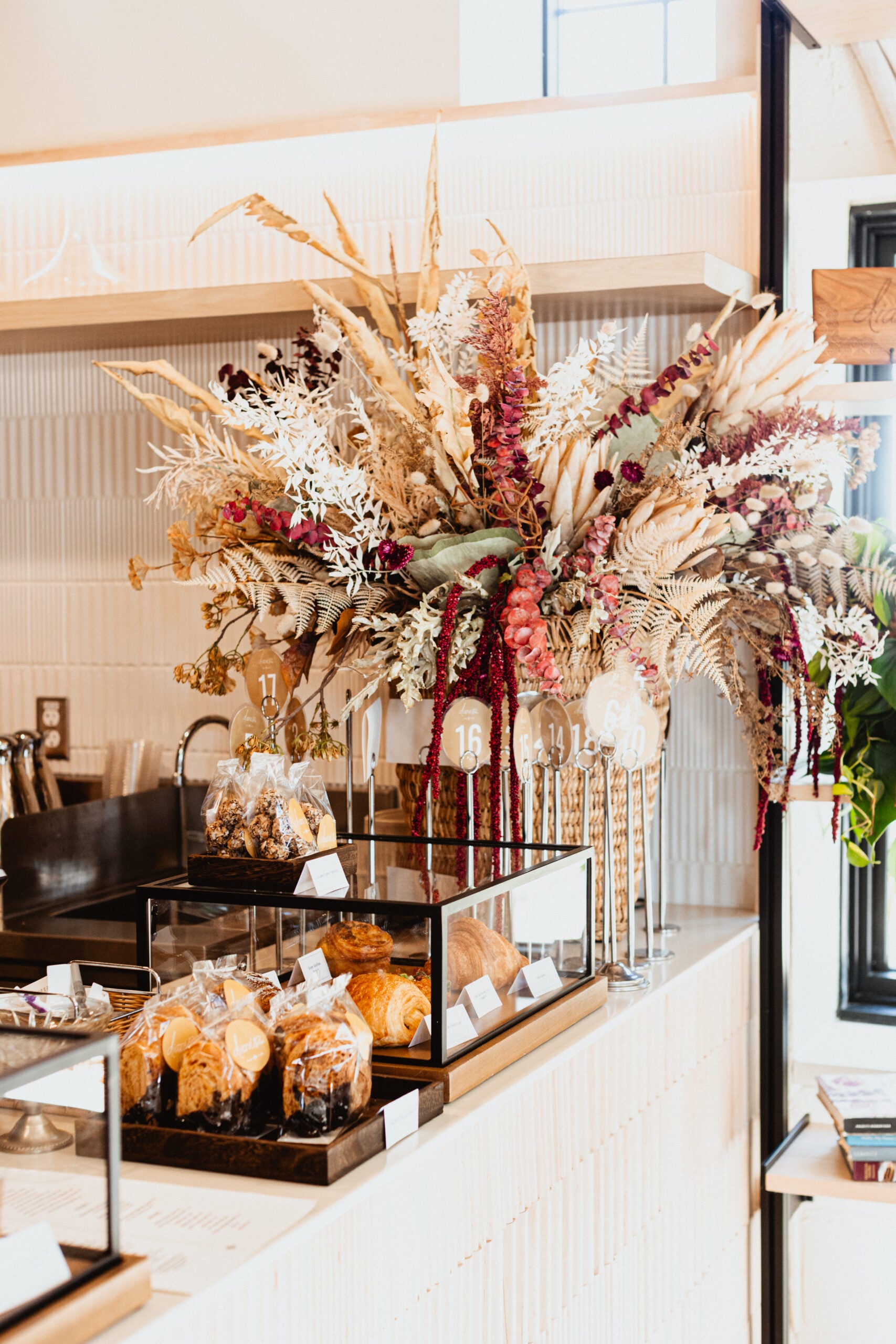
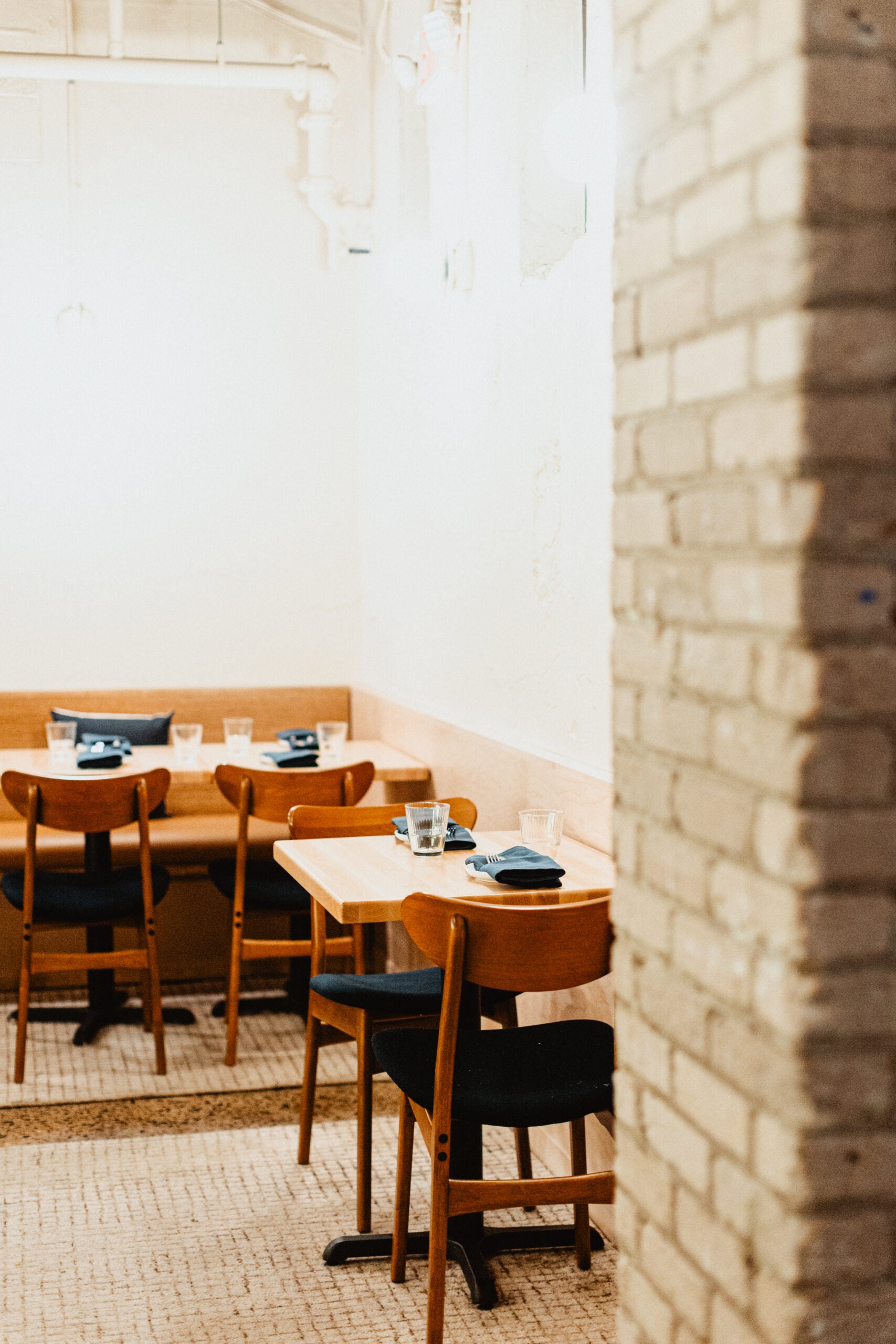
The exterior and interior of Diane’s Place. Photos by Connor Siedow
This interview has been edited for length and clarity.
Rob Ferrett: You worked with your family selling produce at the Dane County Farmers Market. What was that like?
Diane Moua: Oh man, I hated the drive. It was a two hour drive for us, so we would have to get up really early. But I loved the Farmers Market. We would quickly try to set up so that we could go around and see what everyone else had, even if it was just to buy coffee or pastries. It was very exciting to see what everybody else had to bring to the day. The best part was at the end of the day, when all the farmers talked. It was like, “Hey, can I give you some cabbage for some corn?” It was just a lot of love.
RF: What inspired you to pursue cooking as a career, and eventually open your own restaurant?
DM: When you go to a Hmong gathering, all the ladies are always in the kitchen. They’re all helping each other cook. It was always fun to me. I love that part. … You go to somebody’s house, or they come to your house, and everybody’s in the kitchen, you’re cooking, somebody learns a new dish — seeing that was a really good part of growing up.
My parents always had people over. And whenever they’d come to visit, it wasn’t just “Hi, how are you doing?” It was, “Come in, let’s have dinner.” I didn’t really realize the hospitality was just the same as a restaurant. I’ve been in the restaurant industry for 20-plus years. And there was a point where I was like, “Wow, I do this for a living.” In Hmong houses, we cook in masses. We have a restaurant — you’re cooking for 120 to 200 people for dinner. So the two really relate to each other. It was really refreshing to realize that I’ve been doing this my whole life.
RF: What was your vision for Diane’s Place?
DM: The vision was basically to give back to the Hmong community and give back to my parents. I named it Diane’s Place because I was their first child born in the U.S., and the people that sponsored us named me. We started brunch first, because I was a pastry chef for 20-plus years. I wanted to showcase the pastry and brunch. We were really busy when we opened. It took us almost six or seven months until we opened for dinner.
You don’t open a restaurant to win all these awards or get all these accolades. You open it because you just want to do the best that you can. I wanted to open a really good restaurant where I can showcase my pastry and my Hmong heritage, and I was able to do that.
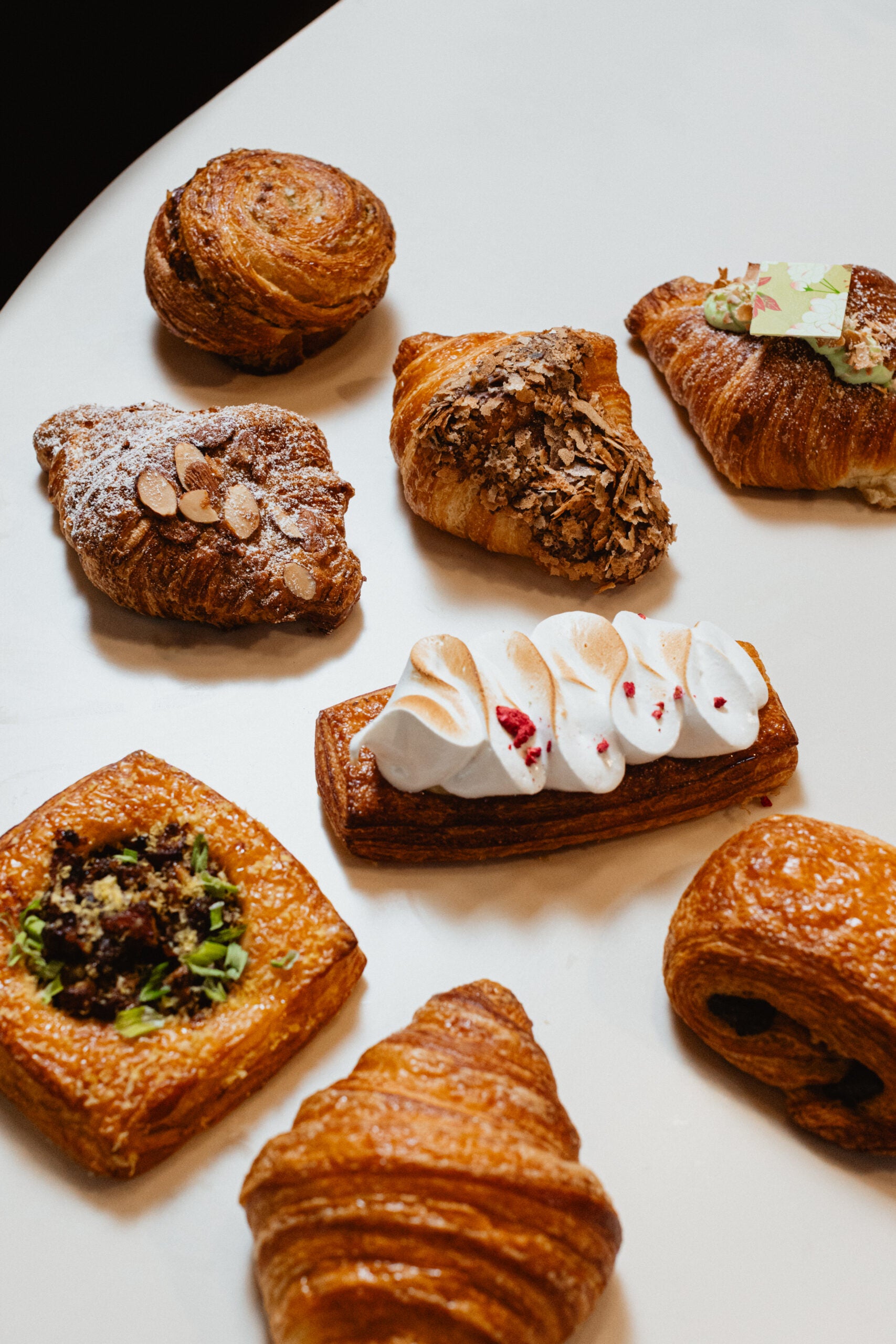
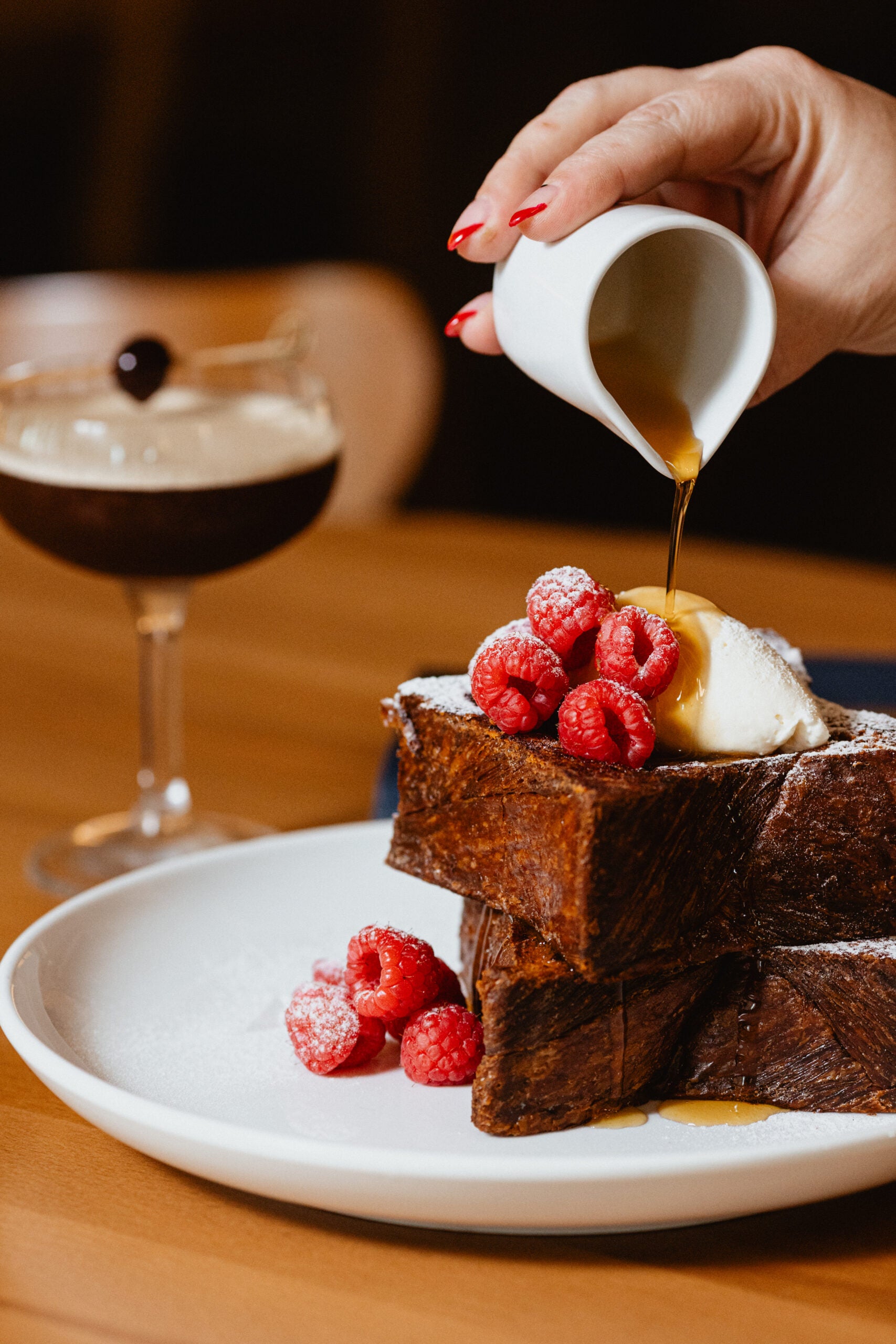
Left: Pastries served at Diane’s Place. Right: Moua’s famous Thai tea french toast. Photos by Connor Siedow
RF: What kind of Hmong or Hmong-influenced dishes do you serve at the restaurant?
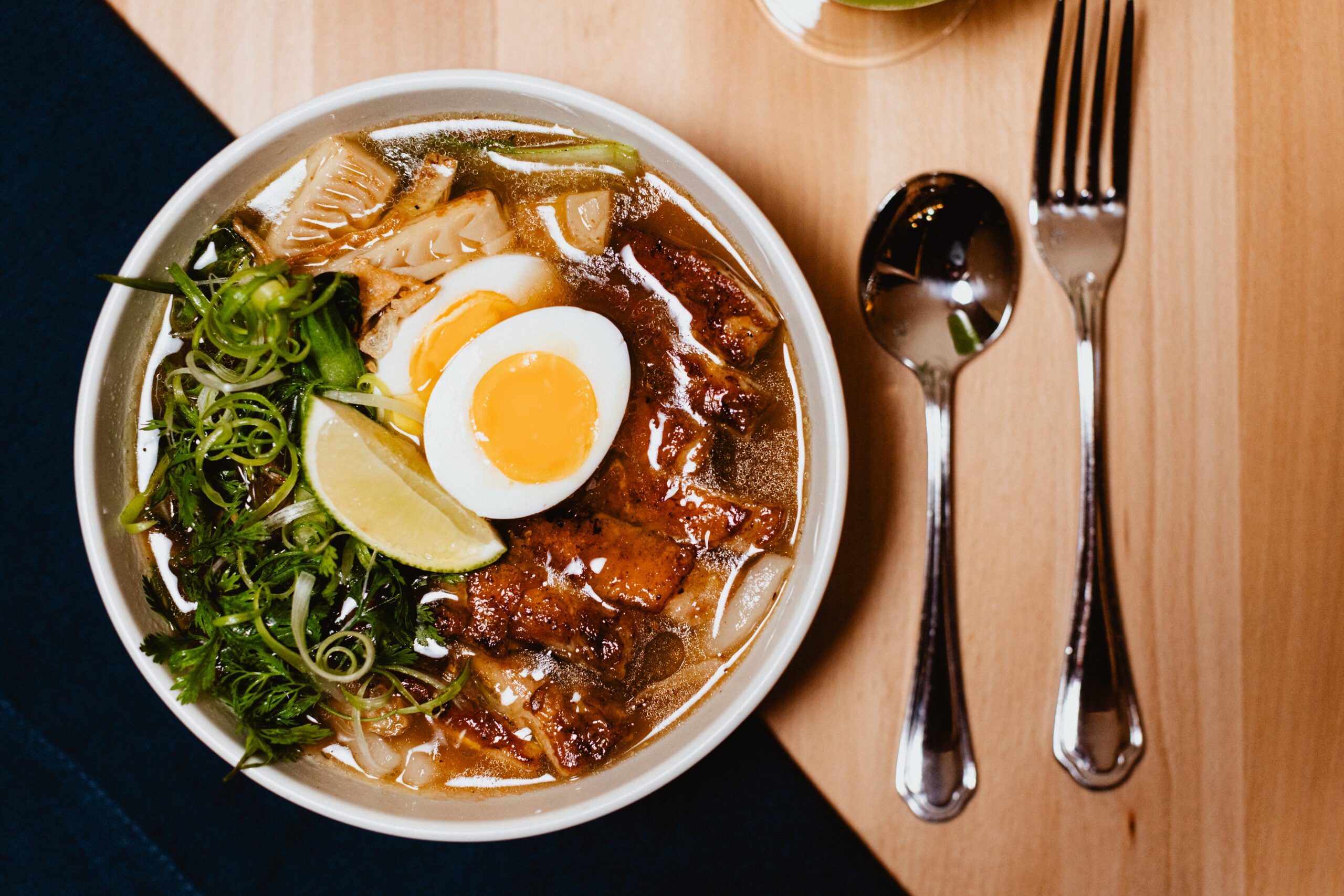
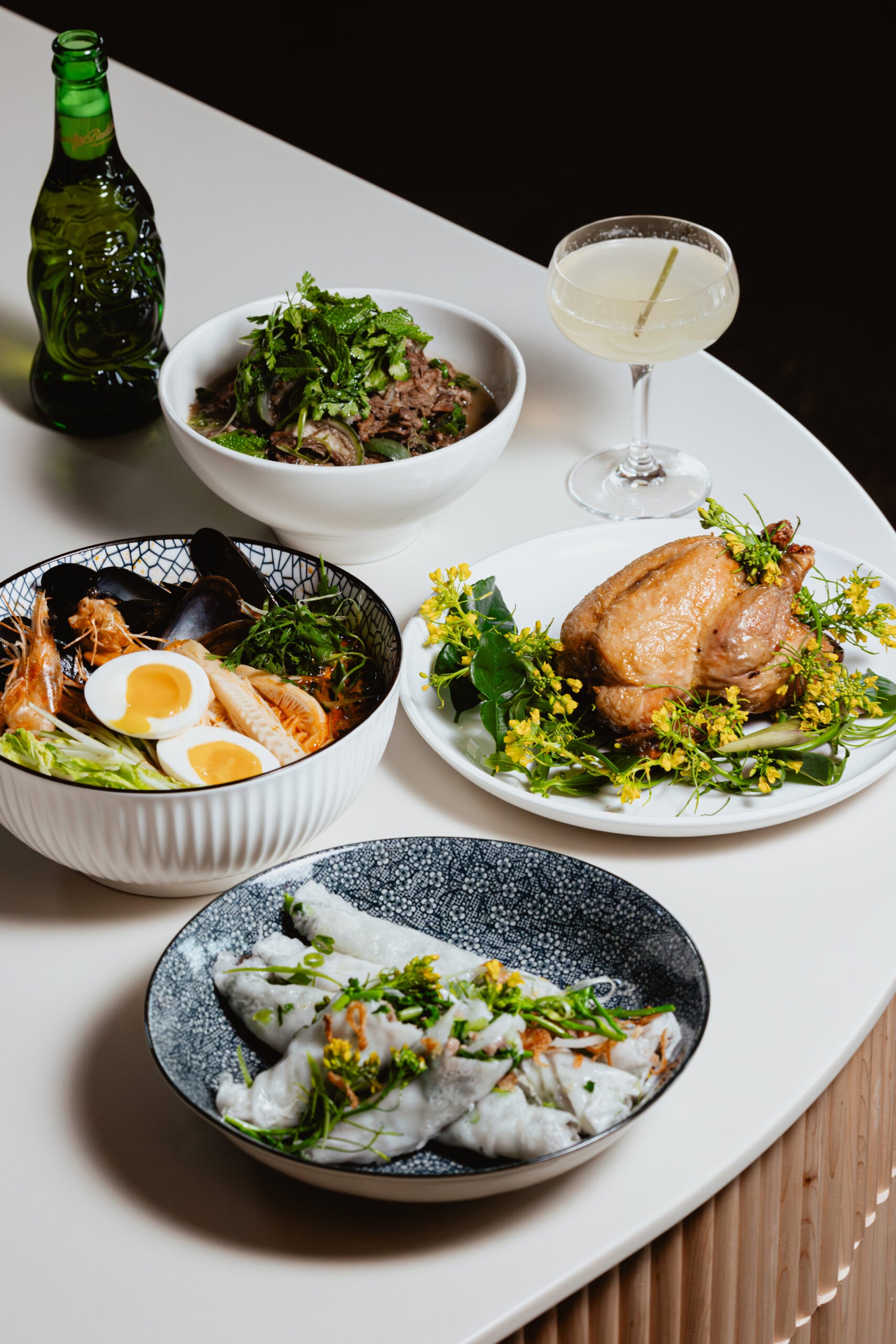
DM: We have our Asian chicken noodle soup. We have our pan-fried bean thread noodles … which is one of the very first noodles that I remember the Hmong ladies cooked when we went to anybody’s house. We have our Asian pulled pork, which is a very traditional Hmong dish. We have our steamed pork rolls. We have a duck stew that is normally made with game meat, usually deer or squirrel, but at the restaurant we make it with duck.
RF: Would you ever consider opening up a restaurant back here in Wisconsin?
DM: I think it will happen. And it might happen soon. I always joke that if I was to ever open a next spot, it would be in Madison, Wisconsin. That city is so amazing. I think maybe once we’re less busy, we can consider it, but Wisconsin is not out of the picture.
RF: How do you keep a good team atmosphere going at your restaurant under such high pressure?
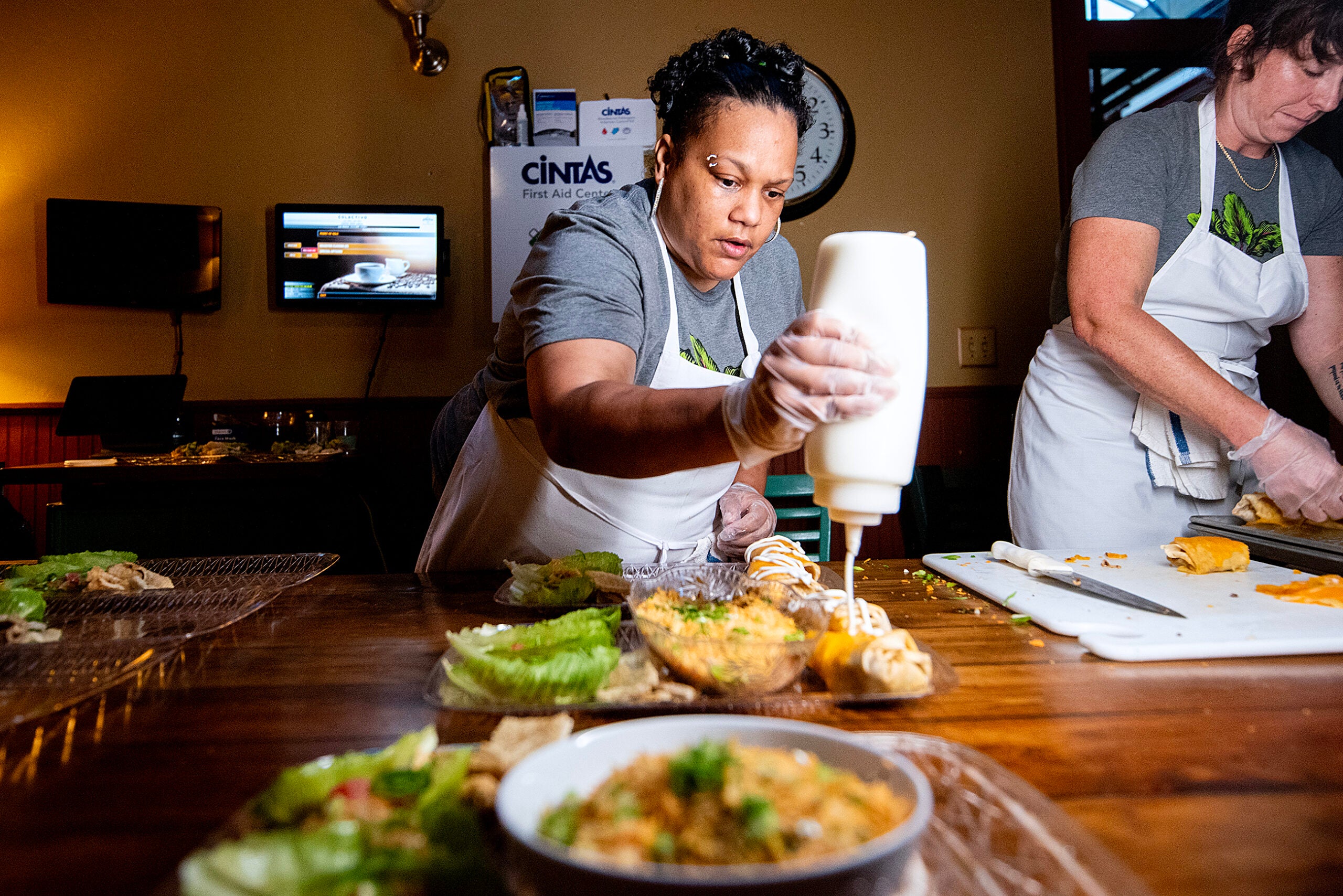
DM: I make sure that they feel supported. If you ever see me at the restaurant, I’m not just in the back kitchen. I’m (also) on the floor helping clear and greeting guests. I think it’s very important as a leader that you lead by example. I don’t have my staff doing anything that I don’t want to do. If it is beneath me to clean, sweep or mop, why should I expect them to do the same? This is my first time running a restaurant … I hope I can create a restaurant that people are proud to work at. So far, we’re doing really good.
RF: Are there good gateway recipes or dishes you recommend people get started with when they want to start exploring Hmong cooking at home?
DM: One of the most simple dishes I have: You take some pork, like pork shoulder, and chop it up into little cubes. You get some water going, throw little lemongrass in there and throw your pork in it. When it’s cooked, you take mustard greens, which you can get at any Asian store, cut it up into bite size (pieces) and throw it in the pot. Then salt and pepper. It’s a very traditional light pork and mustard green stew.
I just came back from an early Thanksgiving at my brother’s house in Madison, and my sister-in-law made that dish with the greens from my parents farm. … It’s very homey and comforting. I think I ate like five bowls of that. Hmong cooking is very simple.