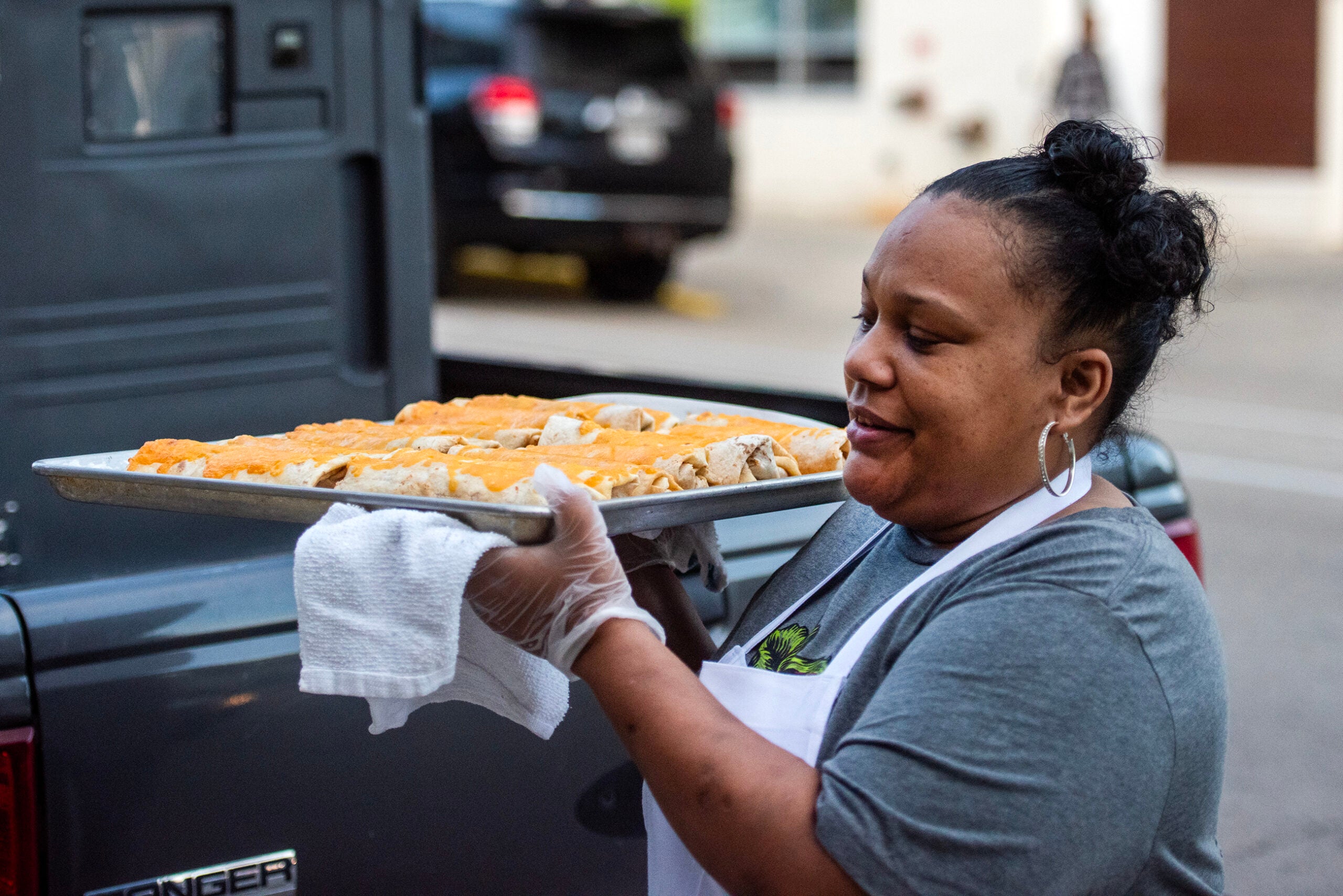
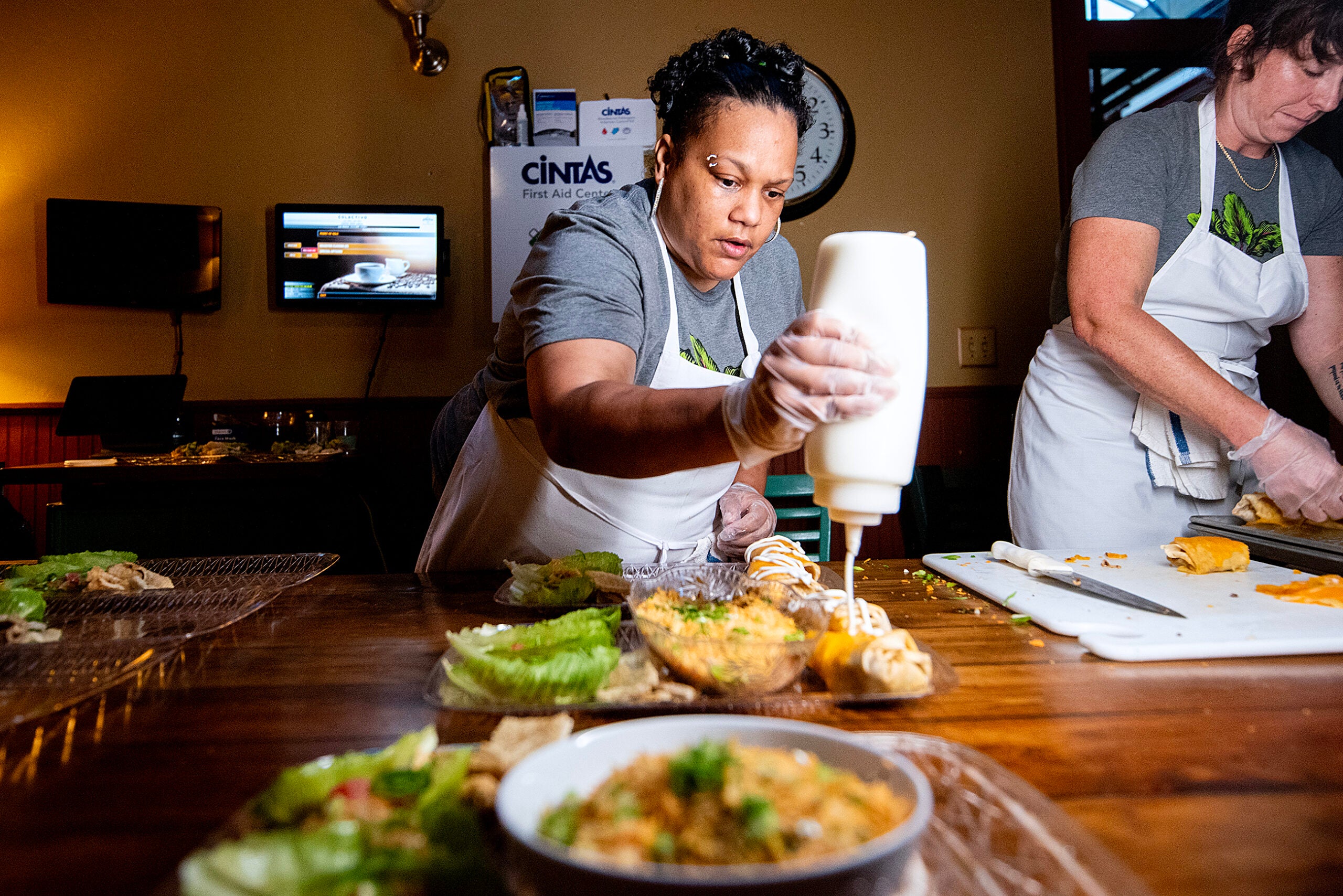
Briana Krueger, who works at Kinship Café in Milwaukee, had an unlikely training ground for her work as a chef: prison.
“I’ve tasted some of the best stuff I’ve had in prison,” Krueger told WPR’s “Wisconsin Today.” “I’m not saying ‘Go to prison and taste food,’ but I’ve had a lot of really good stuff there.”
One of her favorite dishes she learned to make while serving time at the Taycheedah Correctional Institution in Fond du Lac was known as “Pop-Tart pie.” Ingredients included cream, butter, sugar and Kool-Aid packets.
News with a little more humanity
WPR’s “Wisconsin Today” newsletter keeps you connected to the state you love without feeling overwhelmed. No paywall. No agenda. No corporate filter.
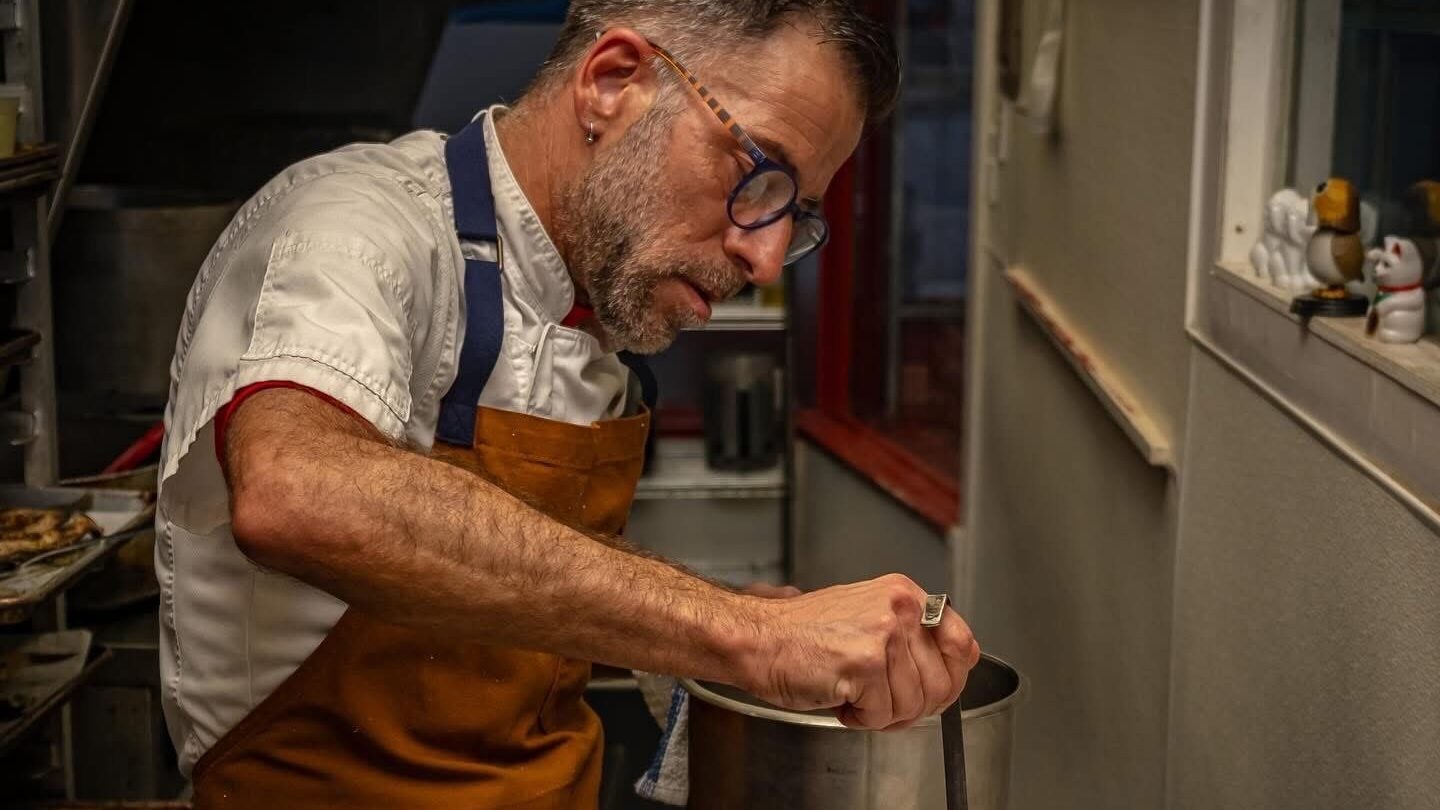
Krueger was one of three formerly incarcerated chefs at a cooking event on Milwaukee’s east side called Cell To Table. They served a four-course meal to over 100 ticketed attendees.
The dishes were meant to showcase the creativity and resourcefulness of people with criminal records. The dishes included the Pop-Tart pie.
“Tonight,” she said, “I didn’t want people dying of a heart attack eating my food. So we actually made the custard from scratch, and we flavored it really nicely with some real pureed fruit, to get that Hawaiian kind of aspect to it.”

For example, with just a small hotpot in her former cell, Krueger could boil water for noodles and also get a sous vide-type effect by boiling meat in a tortilla bag.
Krueger recalled the first time she made Pop-Tart pie for a release party for her friend and what it meant to be able to share meals she prepared with other prisoners.
“You guys can take away our clothes. You guys can take away our names. You guys can take away, you know, our families. You can rip us of our freedom,” she said. “But (cooking) is one thing that we have in this community that we’ve been able to forge among the debris and the rubble.”
Changing the narrative
Cell to Table was organized by a nonprofit called The Community. The organization connects and empowers people at various points in the criminal legal system through reentry and pre-entry services — preparing people to leave prison well before their release date.
Shannon Ross is The Community’s founder and CEO. He started the organization while serving a 17-year sentence. He said the Cell To Table events showcase humanity and connection.
“When you break bread with people, you get to see a different side of them. You’re open to a different side of them. You’re open to their mistakes in a way that softens your reaction,” Ross told “Wisconsin Today.”
“All these things that we want people to be when they come home from prison, all of that starts first and foremost by seeing the human being,” he said.

Even nine years after her release, Krueger still makes the Pop-Tart pie for family reunions. Her mother requests it specifically.
“This is just one of those things that I was able to take from that experience and turn it into something that I love, which is, you know, cooking for friends and family,” she said.
The menu
Dishes for Cell To Table included Krueger’s Pop-Tart pie as well as “The Hookup,” a burrito stuffed with ramen noodles, beef chili, chicken and crushed Doritos.
There was a side of pineapple mackerel fried rice, which an audience member said is a popular ingredient in prison because people can get it in small $1 packets, and it’s easy for trading.

Chef Nathan Bailey contributed tuna wraps. He was released from prison in September and already has a job at a local food cart.
In prison, Bailey found cooking to be a creative outlet and something to focus his time on.
“I came from selling drugs, and that was a different level of people pleasing. So now I just switched my gears around. I just woke up,” he said.
Bailey said as he cooked in prison, he built his skills and found a passion for it. Hearing people compliment his cooking filled him with purpose.
“It brought them on out of that ‘I’m incarcerated (feeling),’” he said. “Hearing people (enjoy my food), it gave me that sense of like maybe I should do this.”