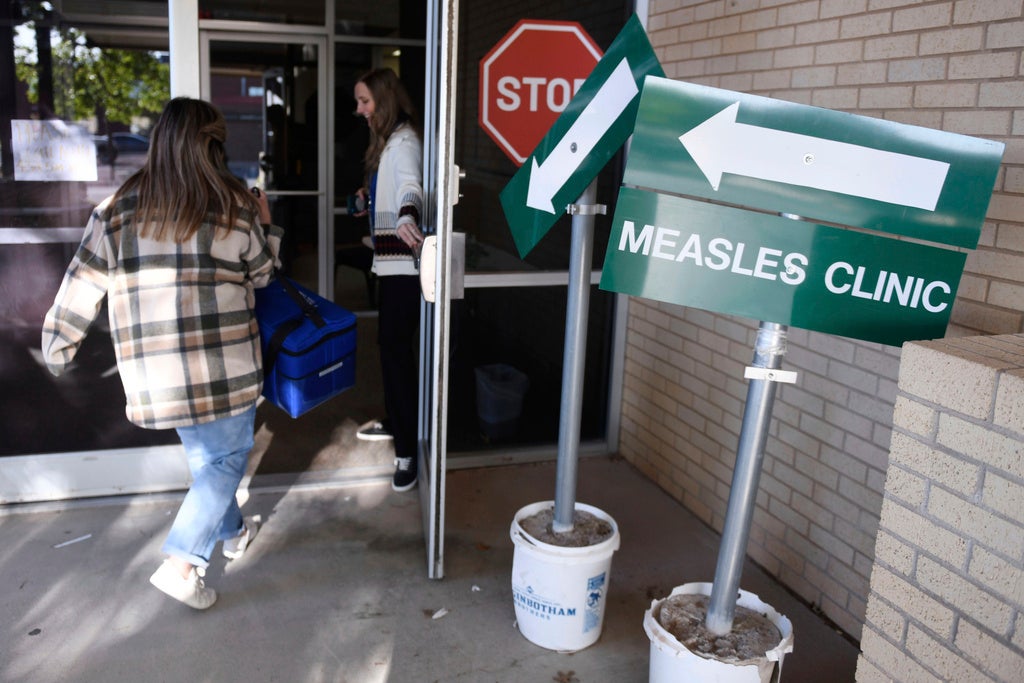
State health officials report that at least 21 people in Oconto County have been infected with measles, less than a month after the first confirmed cases in the state this year.
The disease is highly contagious, so its emergence in Wisconsin is raising alarm bells for public health officials.
“We’re working very closely with local public health departments and health care providers to do all that we can to really contain the spread,” said Stephanie Schauer, who oversees the immunization program of the Wisconsin Department of Health Services.
News with a little more humanity
WPR’s “Wisconsin Today” newsletter keeps you connected to the state you love without feeling overwhelmed. No paywall. No agenda. No corporate filter.
“We know measles is such a serious disease, particularly for children under 5 who are not protected,” she added.
The rise in cases also comes as kids are heading back to school, prompting additional concern as Wisconsin has one of the lowest measles vaccination rates among children in the country.
Schauer joined WPR’s “Wisconsin Today” for a look at measles cases in Wisconsin, what to do if you think you or someone in your family has been exposed, and what to know as the disease spreads.
The following has been edited for brevity and clarity.
Rob Ferrett: Looking at the state’s case map, I’m seeing 21 cases in Oconto County, 21 unvaccinated people. How contagious is measles for people who are not vaccinated?
Stephanie Schauer: Measles is one of the most infectious diseases that we have. If you have a group of 10 individuals who are exposed to someone with measles and none of those 10 are protected, we expect nine of them to come down with measles.
The other thing about the virus is that it can remain suspended in the air for up to two hours. So if someone with measles is in an indoor space and they leave, and someone who is susceptible walks in within that two hours after that person leaves, they can contract the disease. So you don’t even need face-to-face contact to come down with measles if you are susceptible.
RF: The incubation period from exposure to symptoms is somewhere between 10 days and two weeks. Does that make it hard to track the spread of the disease? If I’m exposed today, I won’t know I have it until well into September.
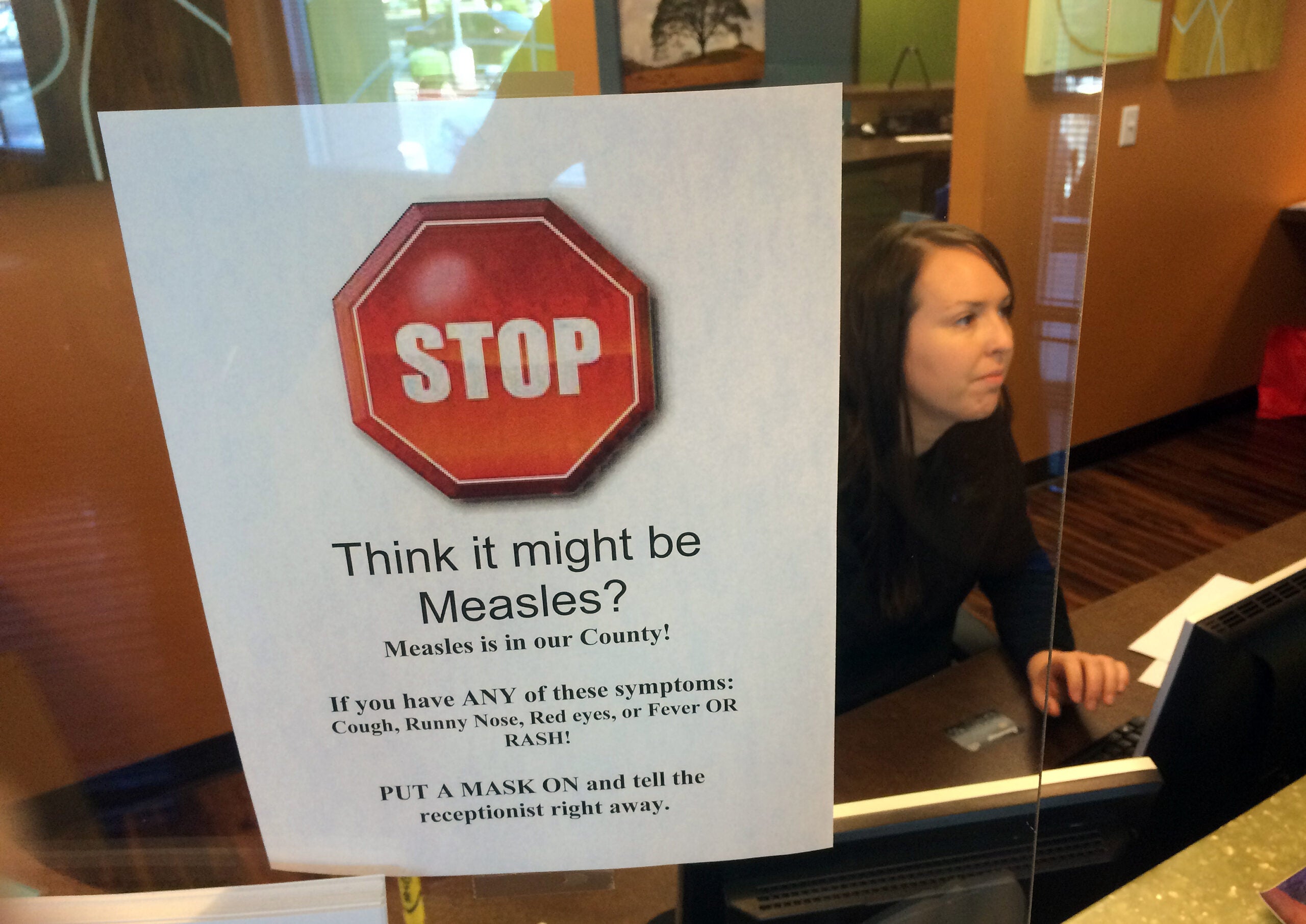
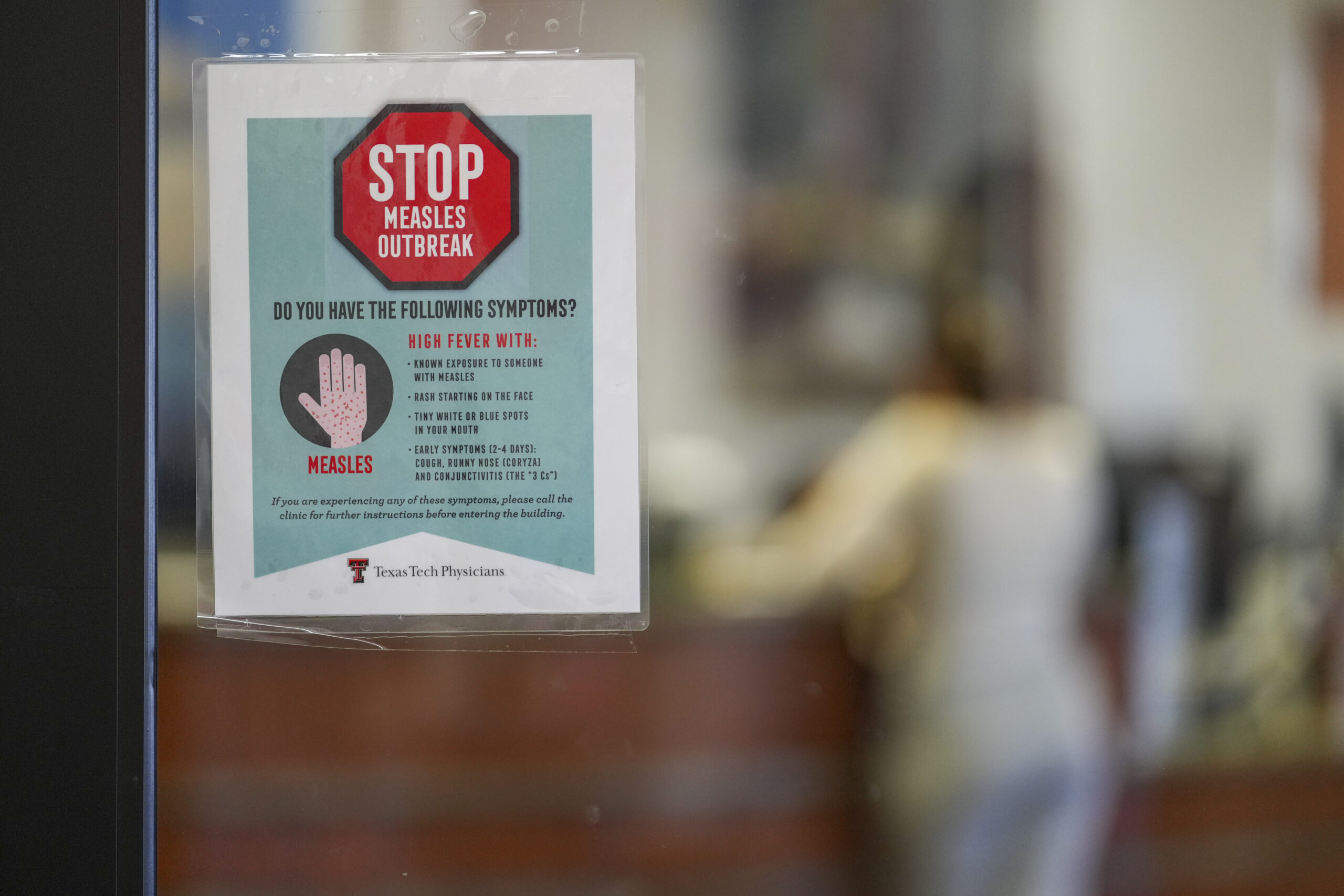
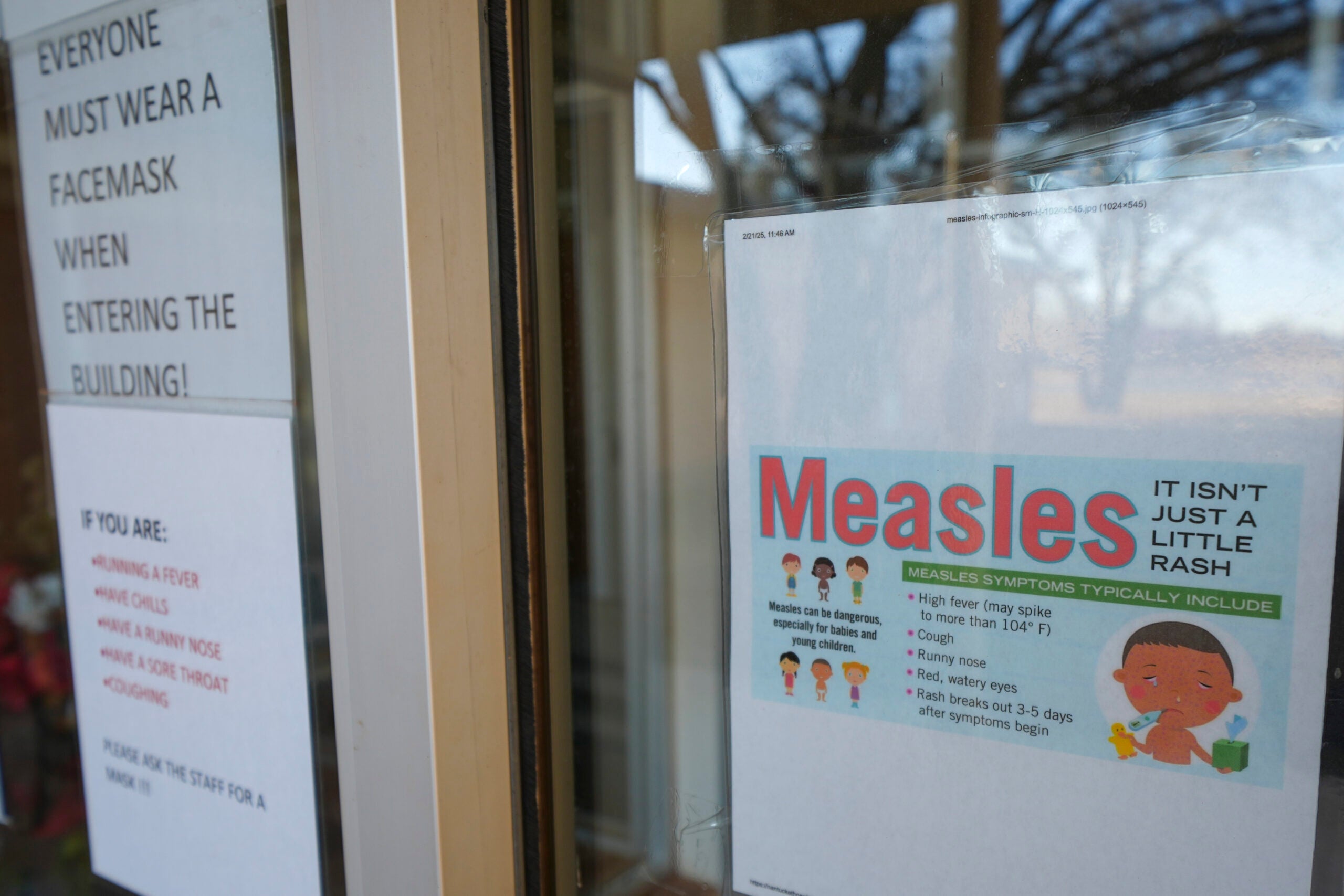
SS: That’s true, and often people don’t recognize that they have measles because it starts with some symptoms that may be confused with others, such as runny nose, a cough, red (and) watery eyes, a fever that starts to increase. It’s when the rash comes out — and that can be up to four days after you’ve started these symptoms (when you see) that rash, which is very characteristic of measles — that the light bulbs go off and say, “Oh, this might be measles.”
And at that point, someone’s been infectious for the previous four days and will continue to be infectious for another four days. Individuals with measles are infectious for a total of nine days, which is a long time and can result in exposures that were unintended.
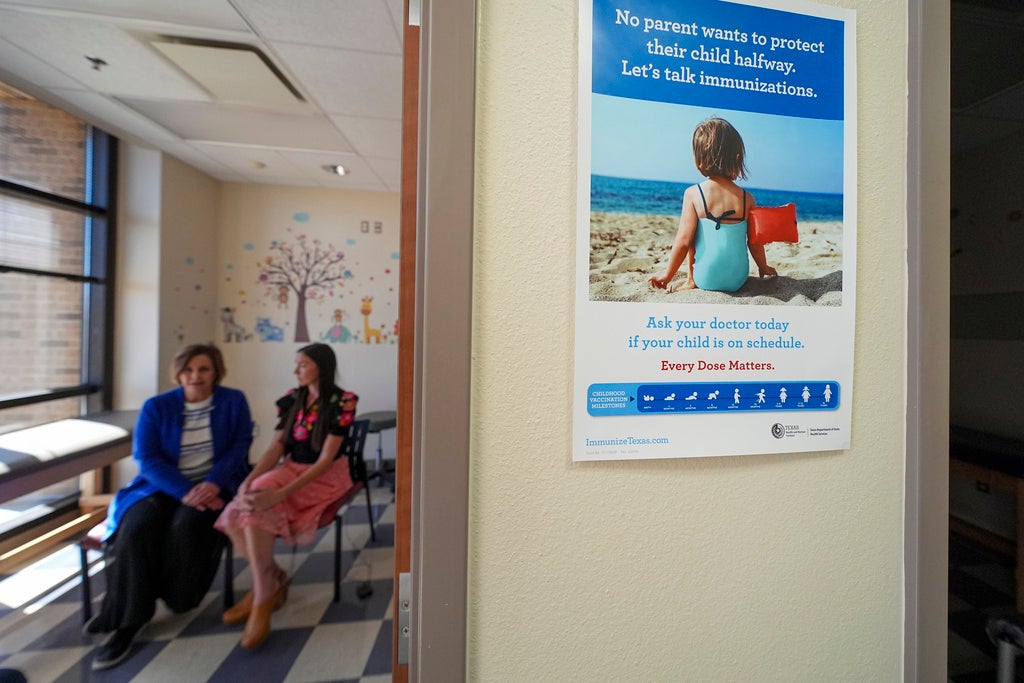
RF: One thing that struck me is that one of the measles patients in Wisconsin is 7 months old. That’s before MMR (measles, mumps, rubella) vaccines are routinely recommended. What should parents of infants under 12 months know about protecting their child against this outbreak?
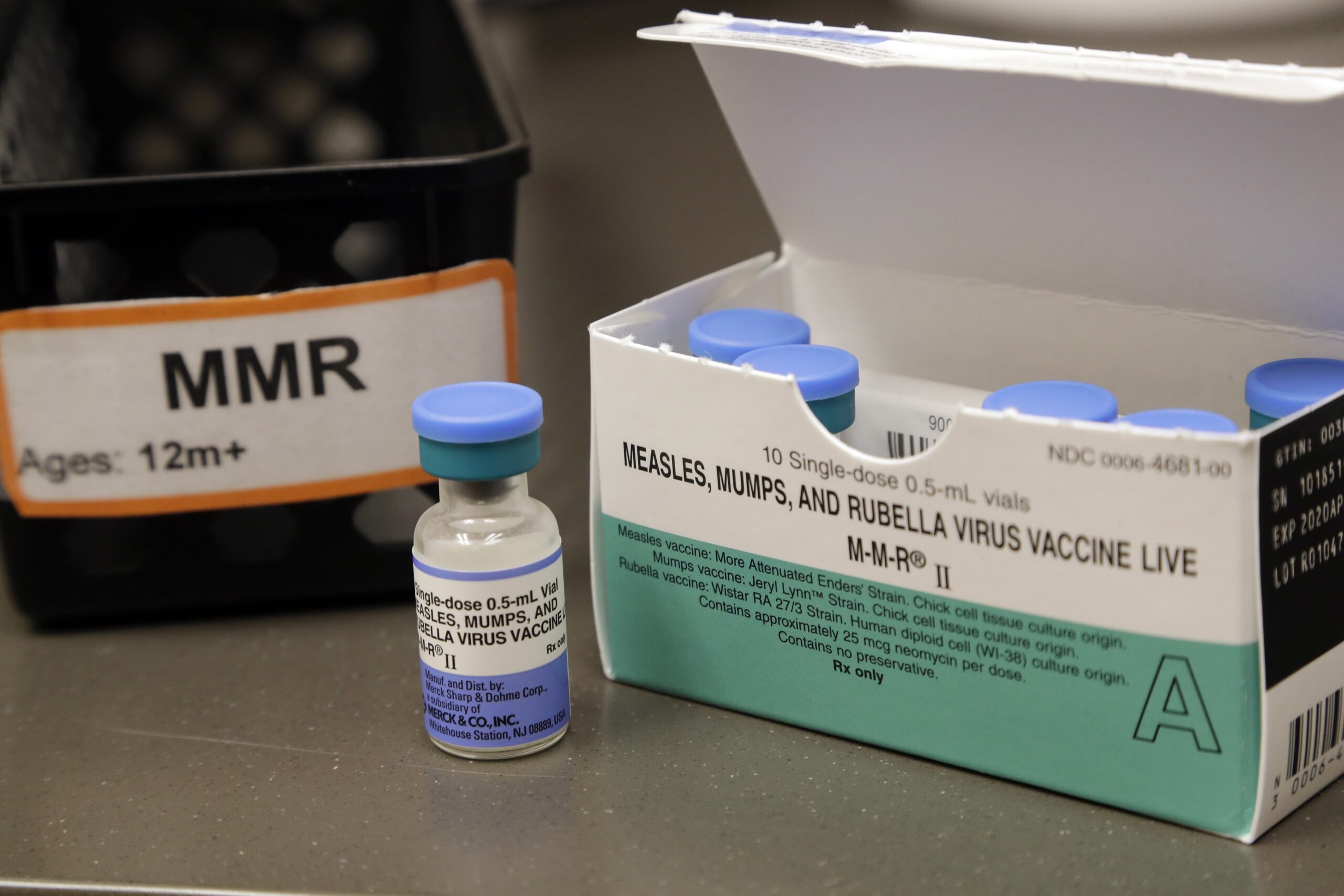
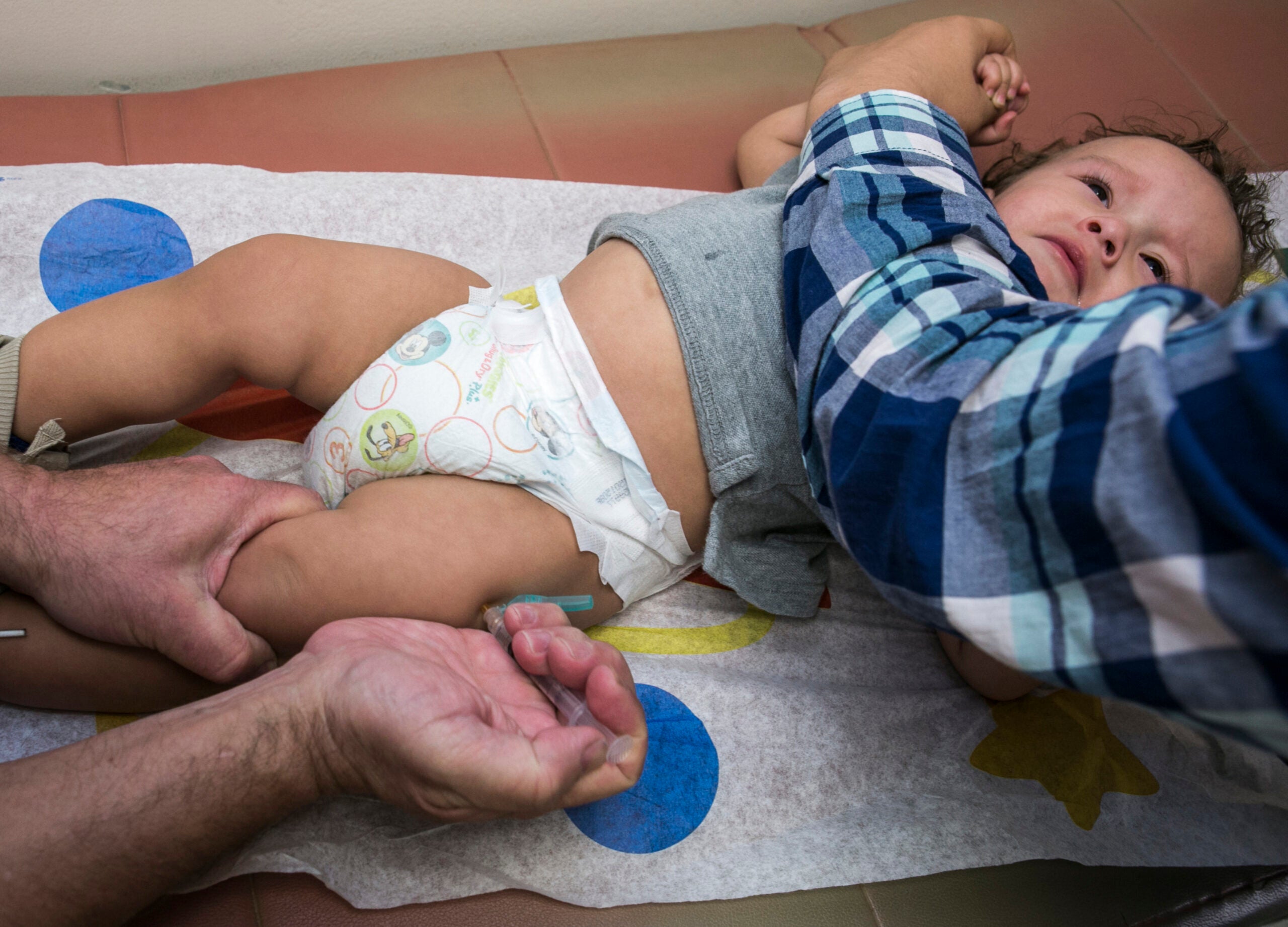
SS: The (first dose of the) MMR vaccine is recommended to be given at 12 to 15 months, and then the second dose is 4 to 6 years of age, or usually kindergarten entry. And so it is really a tough place that we don’t currently have a mechanism of actively protecting those young infants with vaccination.
The next best thing is making sure that everyone around that infant is protected, so ensuring the family members and child care providers and all are protected. The other thing, too, is if folks are traveling, you can check the CDC website. Particularly overseas, there are places where measles is really circulating, and some parents may need to make some hard decisions about whether you would want to take a young child into a place where measles cases are commonly occurring.
RF: People might think, “Well, back in the day, we all got measles. I had it. I survived.” But it can have really serious consequences, right?
SS: In 1963 — and this is the year that the measles vaccine was licensed, so not widely in use yet — Wisconsin alone had over 68,000 measles cases and 19 deaths. If you look at the current outbreak today, and this is national data, there’s been over 1,400 cases and three deaths.
We know that for children less than 5 years of age, 1 in 5 who get measles are hospitalized. This is not a benign disease that sort of comes and goes.
There’s also the newly appreciated impact of measles disease called “immune amnesia,” and this is where the body is not able to respond as well to germs that it was already immune to. And they’re seeing this in the months after illness, with some studies showing that it can have a lasting impact up to three years. So not only do you have the issues related to the acute illness, but you also have this impact on the individual’s ability to fight off other diseases that they were perhaps already doing just fine fighting off.
RF: If people in their homes and their families see symptoms developing and think, “Hey, this looks like the measles,” what should they do?
SS: Call your health care provider. They can go ahead and provide counsel and figure out a safe way to go ahead and have you evaluated to determine if it truly is measles.
For folks who are concerned: Check your vaccination records. Make sure you’re protected. If you were born before 1957, you’re generally considered immune. Most adults need one dose, and generally kids are recommended to receive two doses of the MMR vaccine.