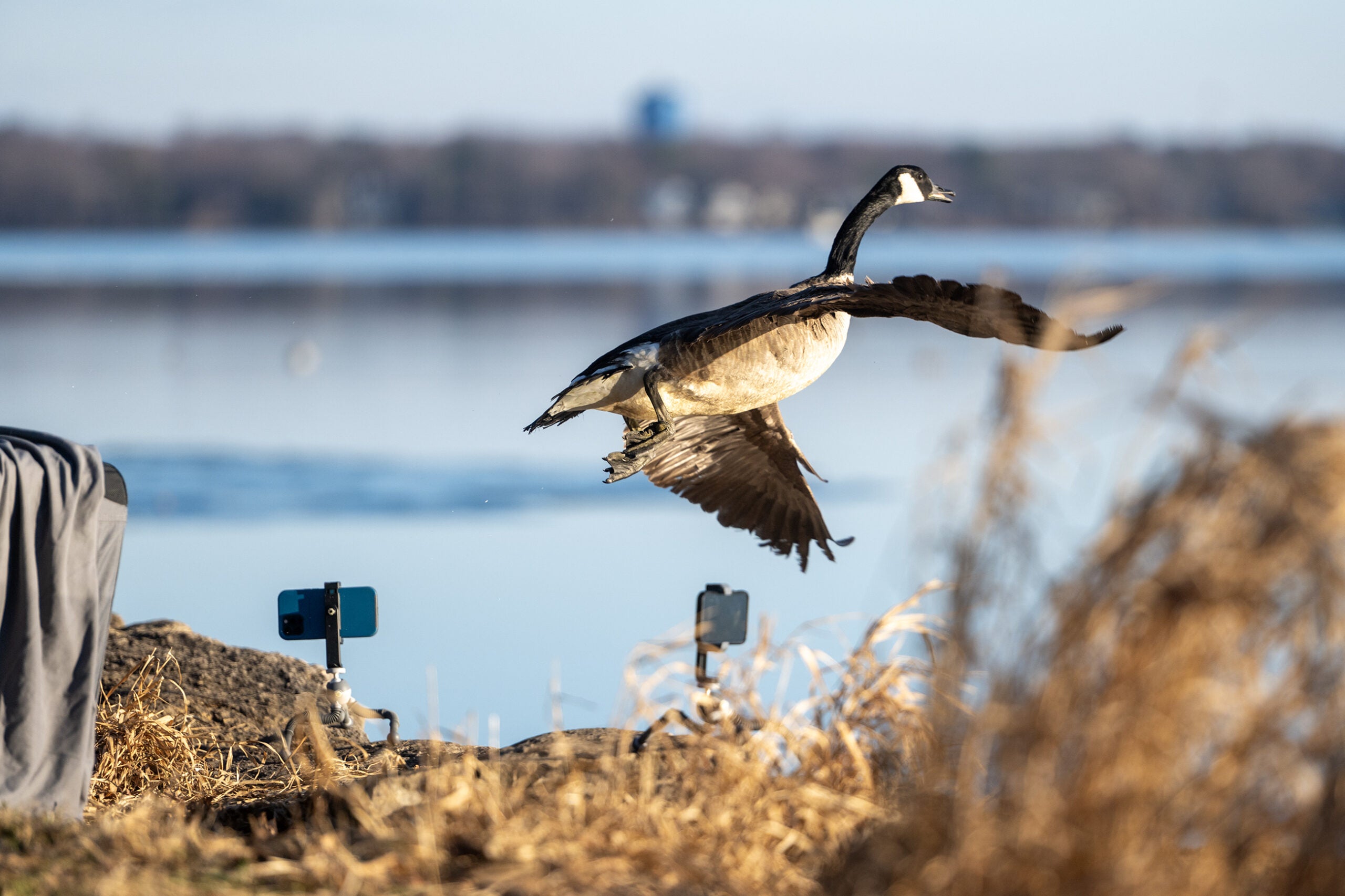
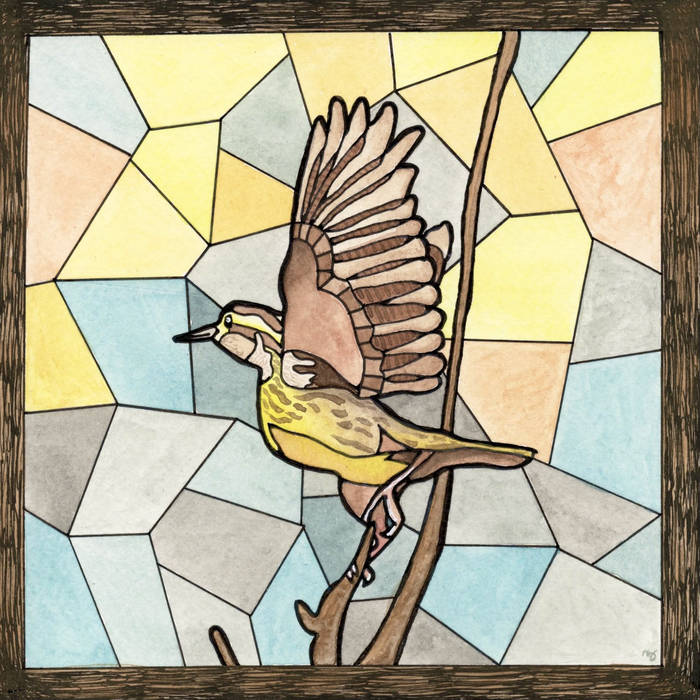
American robins, northern cardinals and chickadees are all birds commonly found in Wisconsin. They’re also the titles of songs on “Lifer,” a new album by Madison-based indie rock band Quokka.
Each song takes the perspective of the bird it’s named after, and the bird call is woven into the instrumentals.
Singer and songwriter Aaron Grych told WPR’s “Wisconsin Today” that he got into birding during the pandemic as a way to make his walks around the neighborhood more special and “transport” himself through the sounds of the migrating birds. He said the goal of the album is to help people “sit back and listen to all the different things making music in your area.”
News with a little more humanity
WPR’s “Wisconsin Today” newsletter keeps you connected to the state you love without feeling overwhelmed. No paywall. No agenda. No corporate filter.
Grych joined “Wisconsin Today” to talk about his love of birding and what went into creating this tribute to Wisconsin’s feathered friends.
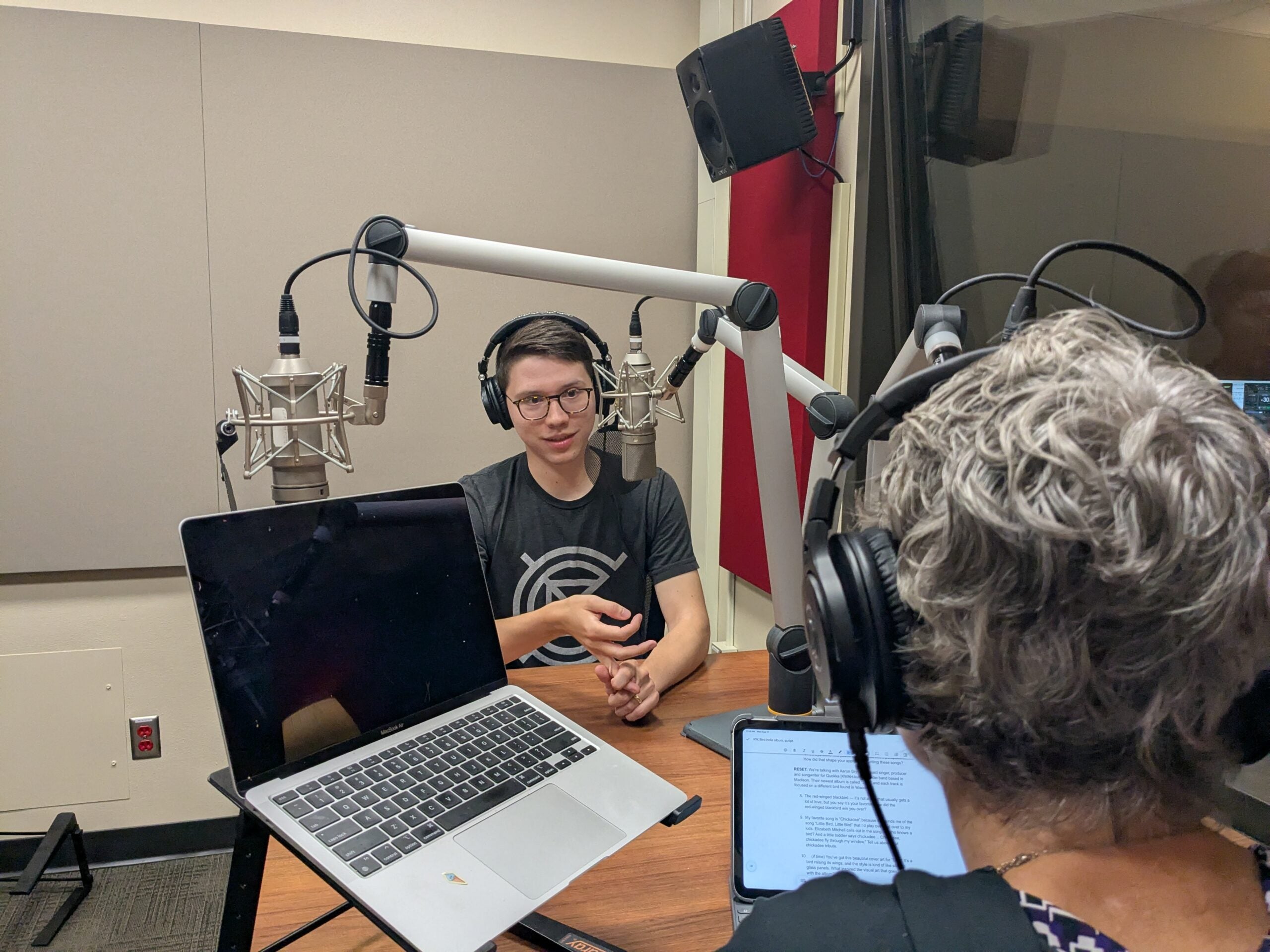
The following was edited for brevity and clarity.
Kate Archer Kent: So the album is called “Lifer,” which I understand has a layered meaning. What does this word mean to you?
Aaron Grych: It means a couple of things. For one, I’m a born-and-raised Wisconsinite, and I will be here forever — I know that much. So for myself, I am a Wisconsin lifer. But it also refers to the little badge you get on the popular Merlin birding app whenever you find a new bird, which is the tie-in to this album, an album entirely based around Wisconsin birds.
KAK: “Lifer” is filled with everyday birds that are all around us, like sparrows and cardinals, mourning doves and robins. Why did you decide to put your focus on these birds?
AG: I wanted it to be calls that were recognizable — things that you would walk around and hear in everyday life, especially around these parts. Because really, one of the main goals of this project is just to get people to listen while they’re walking around, tune into their surroundings and maybe distinguish out a couple of the sounds, a couple of the different lives going on around you. Hearing a cardinal or a sparrow and being able to pinpoint that is something that can spark joy.
KAK: Your love of birds is very clear. It shines through on the album. What is special about birding in Wisconsin in particular?
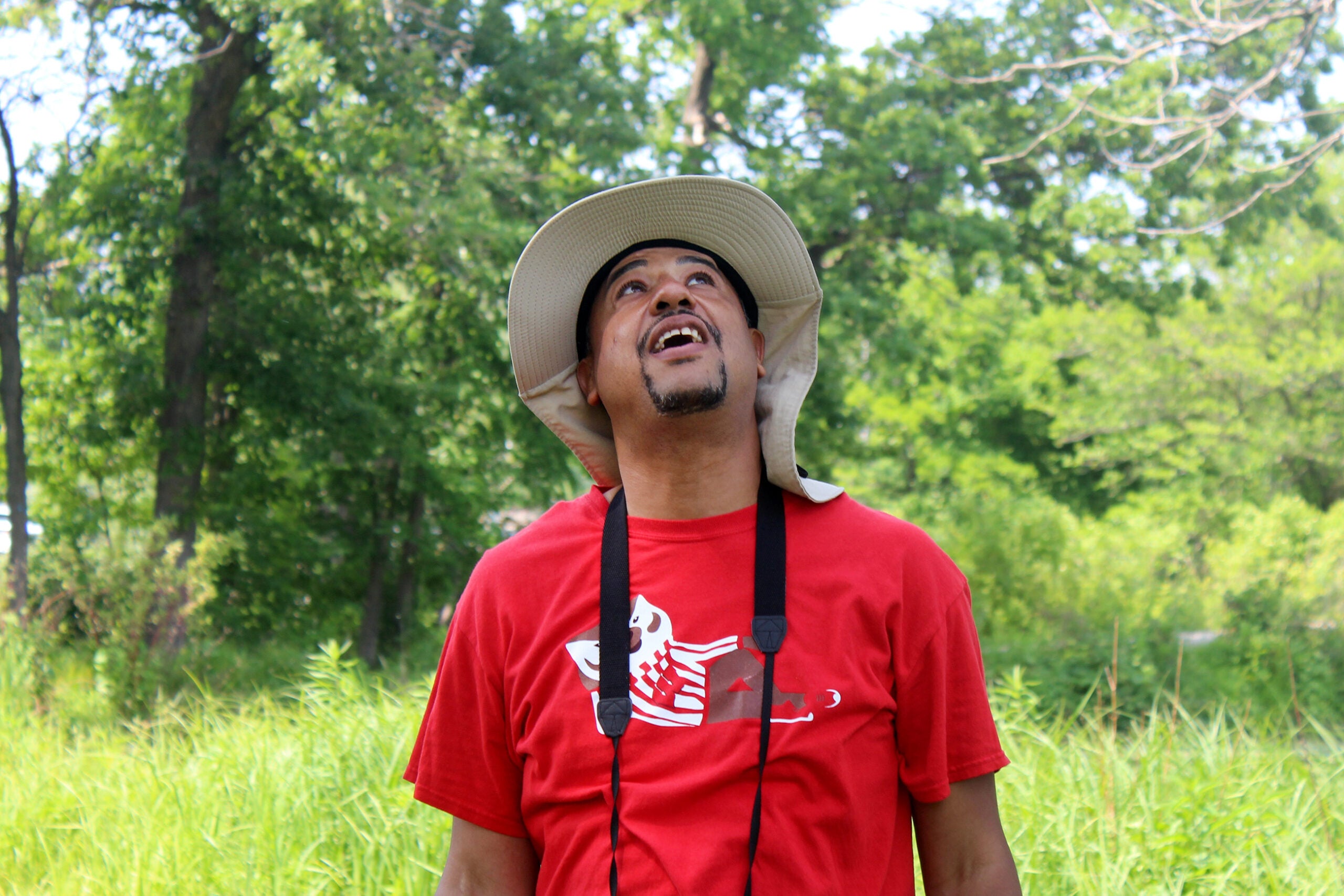
AG: There’s so much movement throughout the year. There’s the migrations that come in the fall and the spring, and just the fact that we have so many good parks and waterways around here means there’s a good variety of things that come and go. Not to mention the various groups around here that are excited about it and get people excited — people like Dexter Patterson (from the BIPOC Birding Club), areas like the International Crane Foundation up in Baraboo, the only one of its kind. It feels like people around here are excited about the natural world and care about getting into different aspects of it.
KAK: I also hear in your songs how you can feel the passing of the seasons through birds. How do you feel about changing seasons and how you identify them with birds?
AG: As a Midwestern lifer, I can’t live without the seasons; that helps me mark the passage of time. But some of the birds I selected in here are written around the seasonality and movement. The first song, “Northern Flicker,” is about a migratory sapsucker that makes its way down to Texas, Arkansas, Louisiana, Zydeco country during the winter — like so many Midwesterners — which is why I was happy to be able to fit an accordion into something to mark that. But also the northern cardinal, which sticks around all year and comes up to your window when nobody else will, making its call out in the middle of winter. (I’m) trying to take those stories and those ideas and loop them into the way that we live, as well.
KAK: You’ve got a song about a beloved bird here in Wisconsin, the sandhill crane. I was thinking about the line, “falling in and out of place.” What comes up for you with this song?
AG: This is something that was a big question for myself in my early 20s: where do I want to be in the world? And the sandhill crane is a bird that goes thousands of miles through migration every year. It’s in North America. It’s in South America. There’s cranes in Africa and Asia. And their characteristic is just a huge amount of movement. And going all of those places and wondering if any of them truly feel like home was the big question of falling in and out of place there, and truly, what makes a home when you’re constantly on the move like that.
They’re gorgeous birds, and I think it’s just incredible that they fly thousands of miles and see so many different countries and landscapes just to wind up blocking traffic somewhere in central Wisconsin.
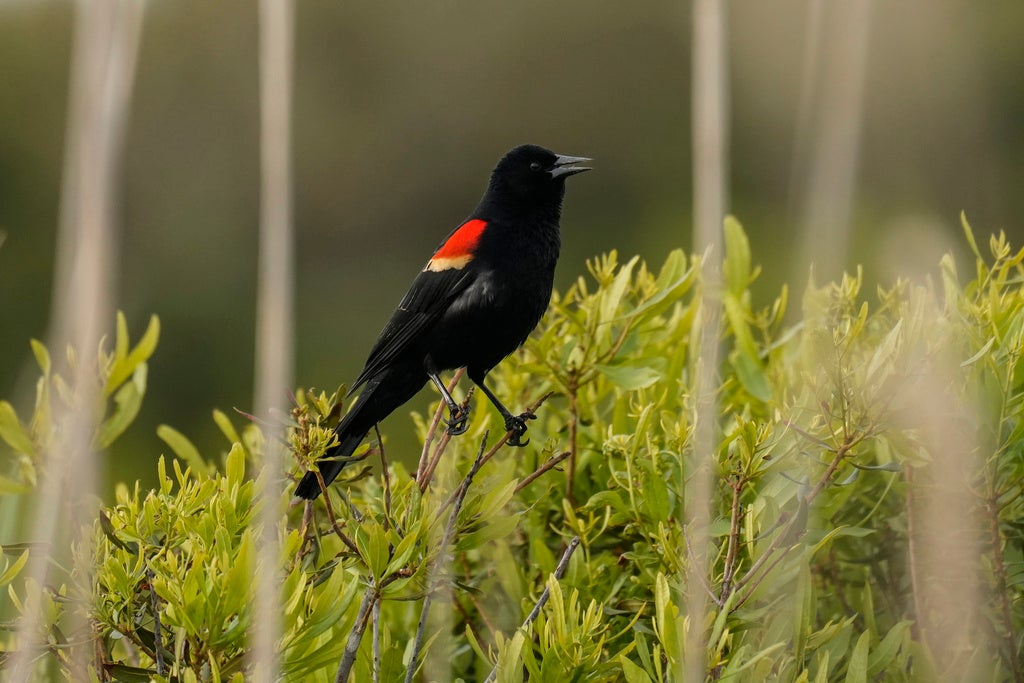
KAK: The red-winged blackbird — it’s not a bird that usually gets a lot of love and attention, but you say it’s your favorite. How did the red-winged blackbird win you over?
AG: It’s always been my favorite from a standpoint of its time of appearance — that when you see it flying around, it’s a mark that warm spring is coming, not just the robins showing up when we get false spring and those slushy days. When you see a red-winged blackbird, it feels like there’s warmth coming, and I’ve always loved them for that.
They can be described as jerks by some. I’m sure there’s a lot of people that have different stories about being swooped at in parks, on walks or that sort of thing. But I wrote this song to empathize with them as being a small creature on this Earth trying to defend one small parcel that you can call yours. I think there’s a lot to be said for that.
KAK: Are there any birds you really wanted to put on this album but just couldn’t?
AG: Oh, absolutely: flamingo! That was the main one. It’s hard to be around Madison and not see all of the abundance of flamingos. But let me ask you this: What does a flamingo call sound like?
KAK: I have no idea.
AG: Exactly. So I had to try and make something that would be recognizable. I looked up flamingo calls. They were not what I expected them to sound like, and I thought, “Not this one.”