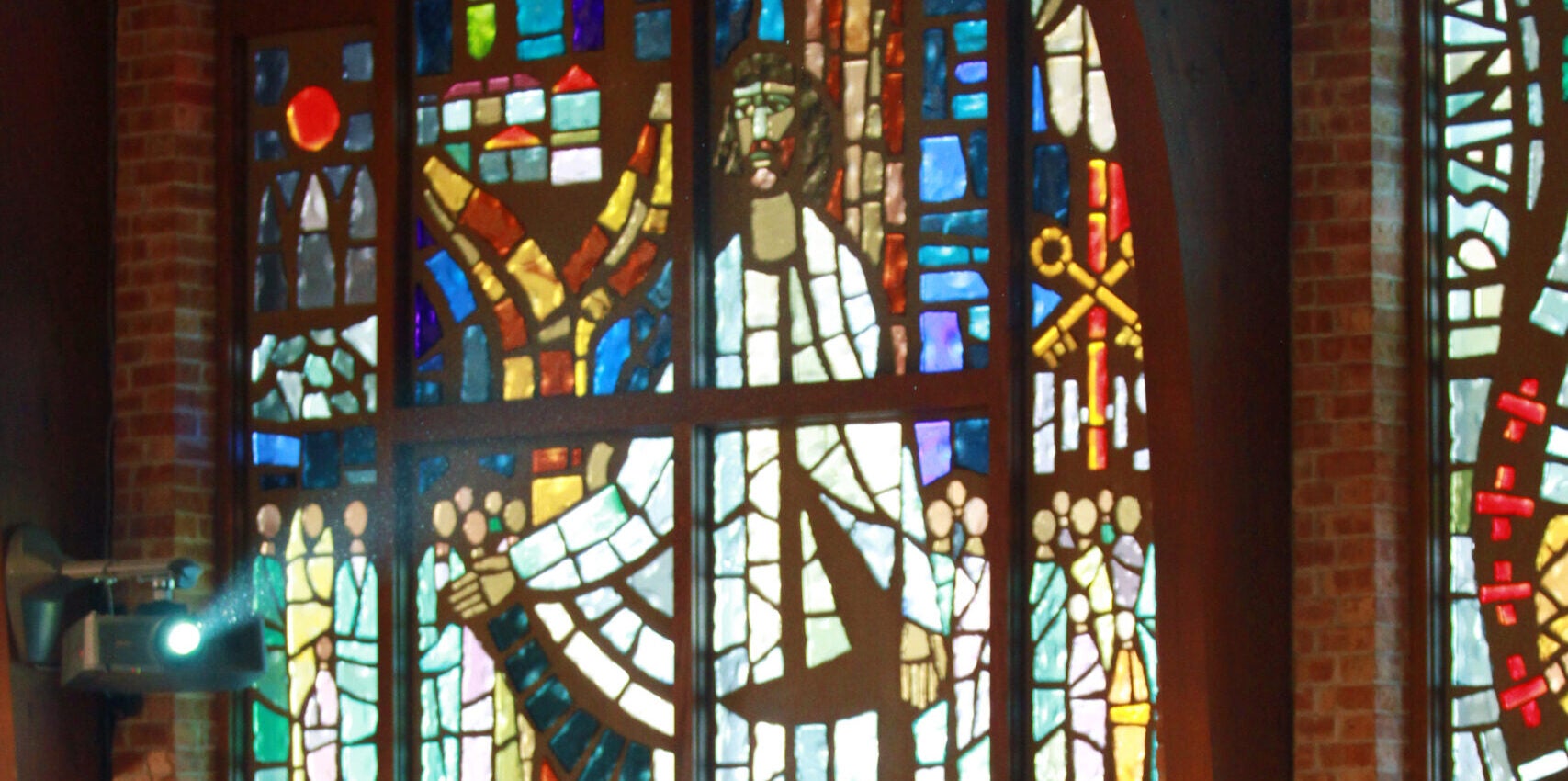

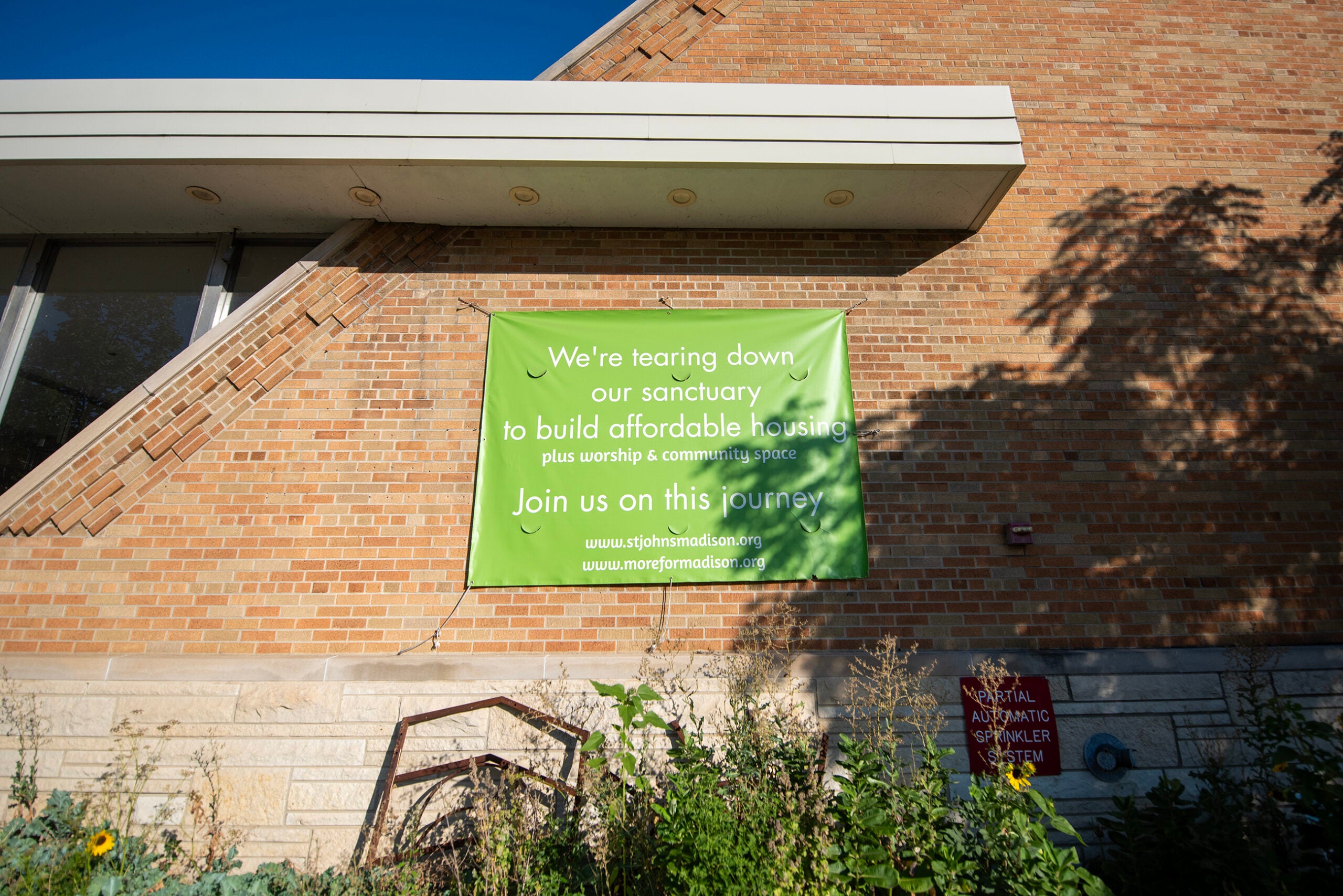
A Madison church is working to tear down its old worship space so it can make way for affordable housing.
Leaders with St. John’s Lutheran Church had hoped to have broken ground by now, but financing challenges have delayed the endeavor.
Now the church hopes the $58 million project can be completed within two years, said the church’s pastor, the Rev. Peter Beeson.
News with a little more humanity
WPR’s “Wisconsin Today” newsletter keeps you connected to the state you love without feeling overwhelmed. No paywall. No agenda. No corporate filter.
Beeson said the project grew from conversations about how the congregation could best give back to its community.
“We were realizing more and more people were struggling with finding housing,” Beeson said. “And if they were able to find housing, were paying 50, 60, 70 percent of their income for housing costs.”
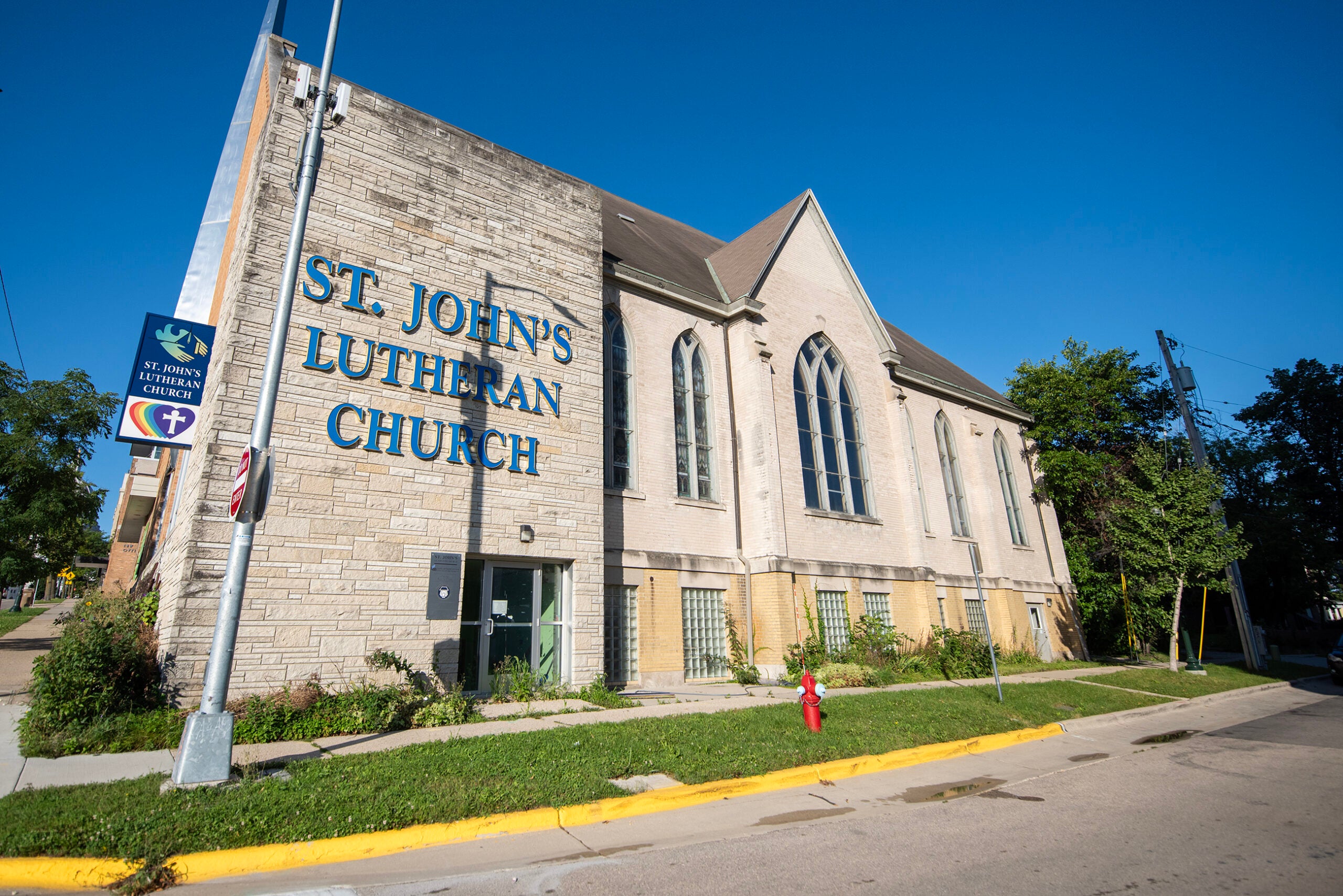
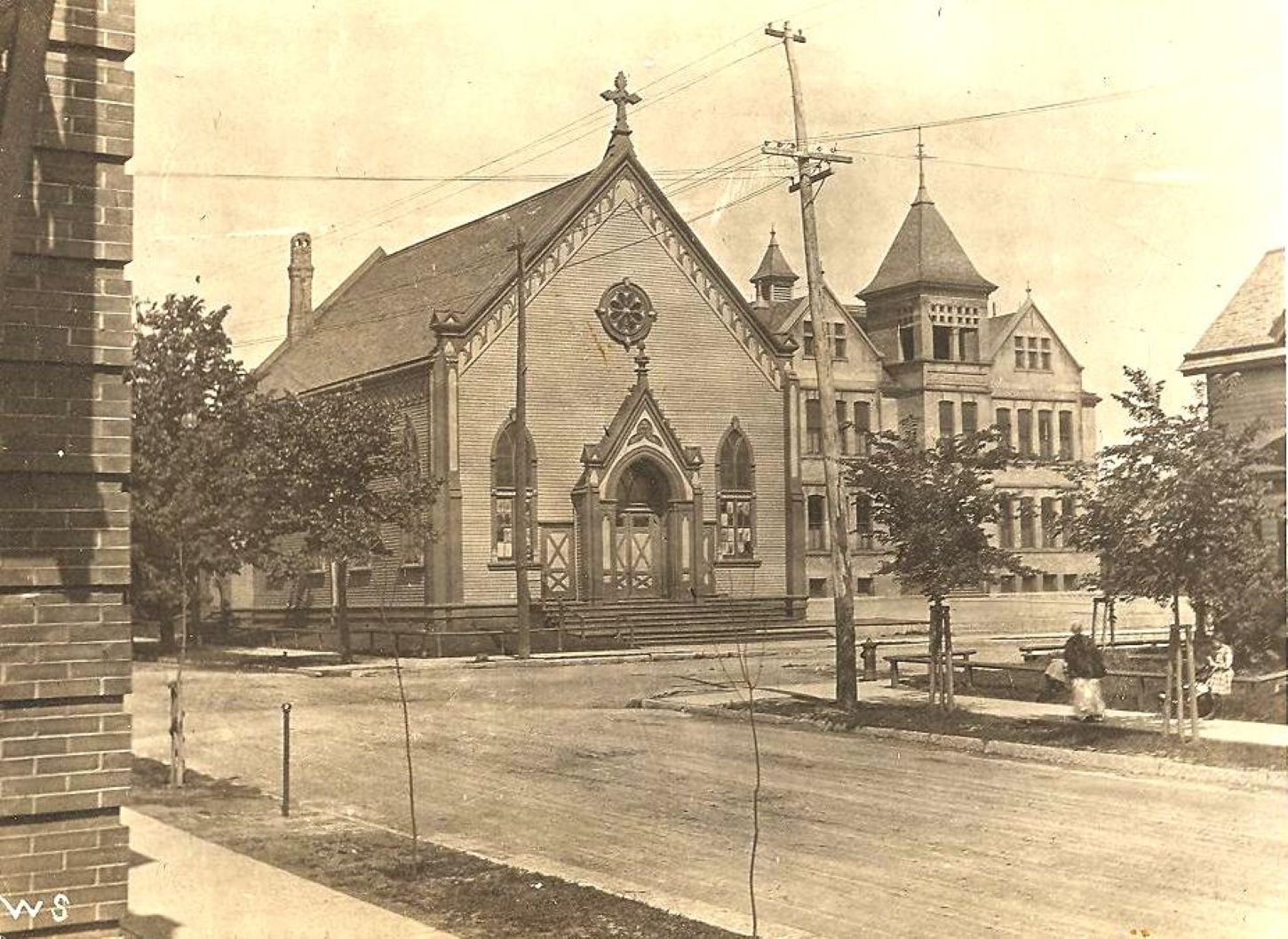
Founded by German immigrants in the mid-1800s, St. John’s has existed at the same corner of downtown Madison for nearly 170 years.
A new church building went up at that location in 1906, and that structure underwent major renovations in the mid-20th century.
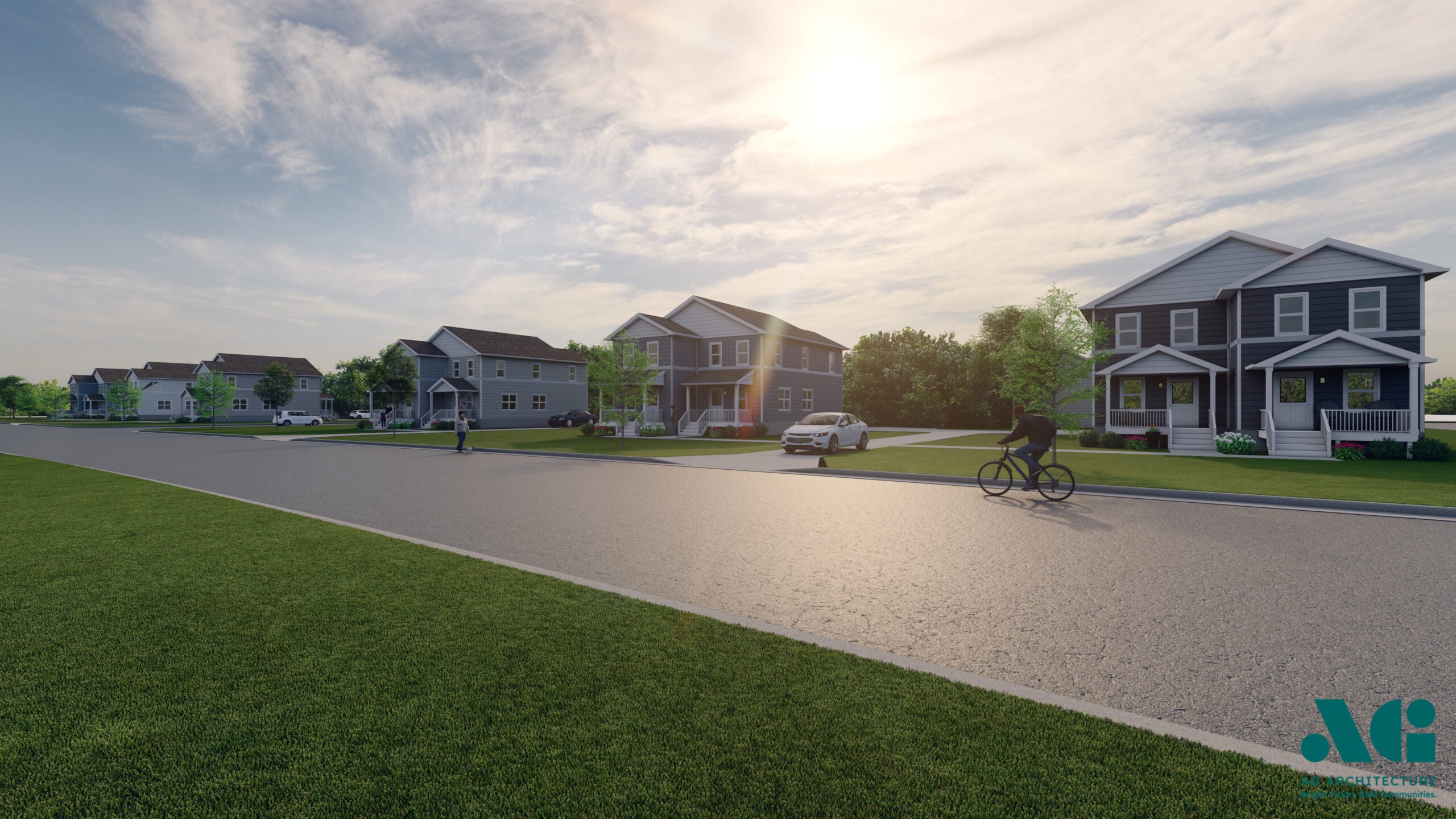
Now church leaders plan to demolish that church building and build a new, 10-story structure at the church’s property at 322 East Washington Ave., about three blocks from the state Capitol.
Under those plans, the church would continue owning the property, but it would partner with a management company to oversee apartment upkeep and leasing.
Greater Madison is the fastest-growing area of Wisconsin, and housing in the city is in short supply. Nearly half of Madison renters are considered “cost-burdened,” meaning they spend more than 30 percent of their income on housing.
Rents can be especially steep in the downtown area, and Beeson said his congregation has taken notice.
“We really came together and realized … that we could use our land and our building for good and flourishing of our community,” Beeson said.
Although some details may shift, the church’s current plans call for a complex that includes a sanctuary on the first floor, which would serve as a worship space for the congregants. There would also be a community events space on floor one.
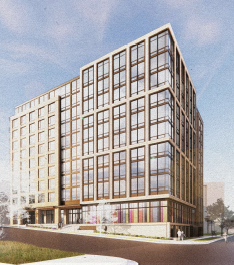
Additionally, the plans include a total of 130 housing units. Some of those apartments would be rented out at market rates. But approximately 110 apartments would have capped rents, available in tiers to people making no more than 30, 50 or 60 percent of the area’s median income.
“We’re really targeting people who work in restaurant, retail and service sector jobs, because our neighborhood has historically been sort of that blue-collar workforce housing,” Beeson said.
St. John’s plans to help finance the project using close to $11 million in affordable housing funds from the city of Madison and Dane County. The project received state and federal housing tax credits from the Wisconsin Housing and Economic Development Authority in 2023, but the church had to return that award amid delays. Beeson said project leaders are considering reapplying for low-income housing tax credits going forward.
St. John’s is also accepting donations for the project, and is about halfway toward completing its $3 million private fundraising goal.
Beeson said “macroeconomic challenges” — including higher interest rates, price increases during the pandemic and tariffs on lumber and other supplies — have contributed to delays in getting the project financed.
He said the endeavor has been a learning experience, demonstrating how costly it can be to build affordable housing.
“I would … encourage people to contact their elected officials, both on the city and county levels, to advocate not only for our project, but for more affordable housing,” Beeson said. “There is such huge need in our community.”
The goal of the project is to eventually break even, rather than to serve as a substantial income source for the church, Beeson said.
“It needs to cover its own cost in terms of running the building, utilities, maintenance, wear and tear, all those things,” Beeson said. “But it’s not going to ever be a significant revenue generator.”
The new building won’t have the same neo-Gothic look as St. John’s existing church.
But Beeson hopes it will have its own, more modern appeal.
“We’re still creating and designing a space that’ll be beautiful and lift people’s spirits,” Beeson said. “Because access to beauty and joy is one of those rare but pretty essential human needs.”

Wisconsin Public Radio, © Copyright 2026, Board of Regents of the University of Wisconsin System and Wisconsin Educational Communications Board.