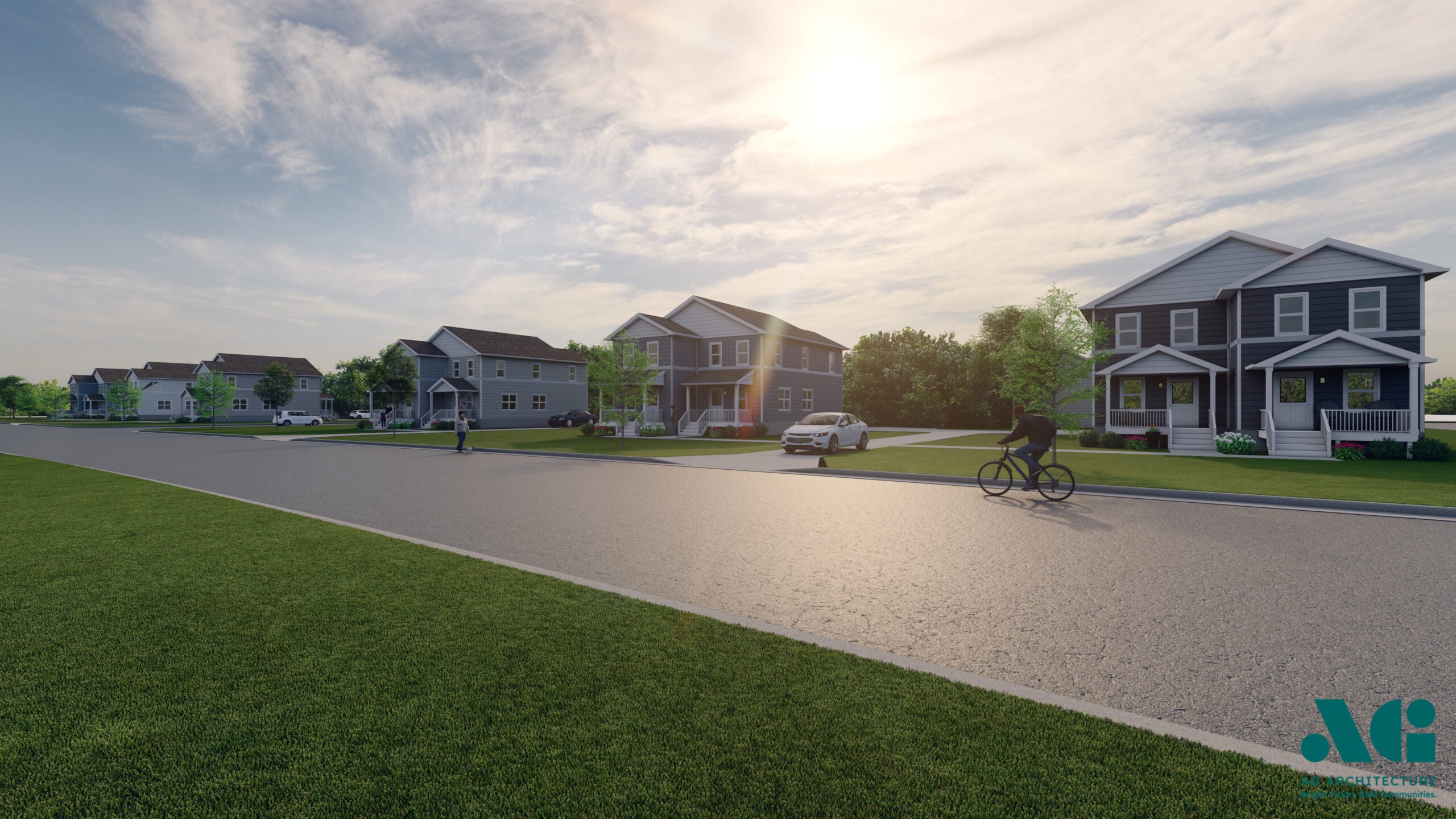
Land near the Madison College campus in Watertown will soon be home to an affordable housing project.
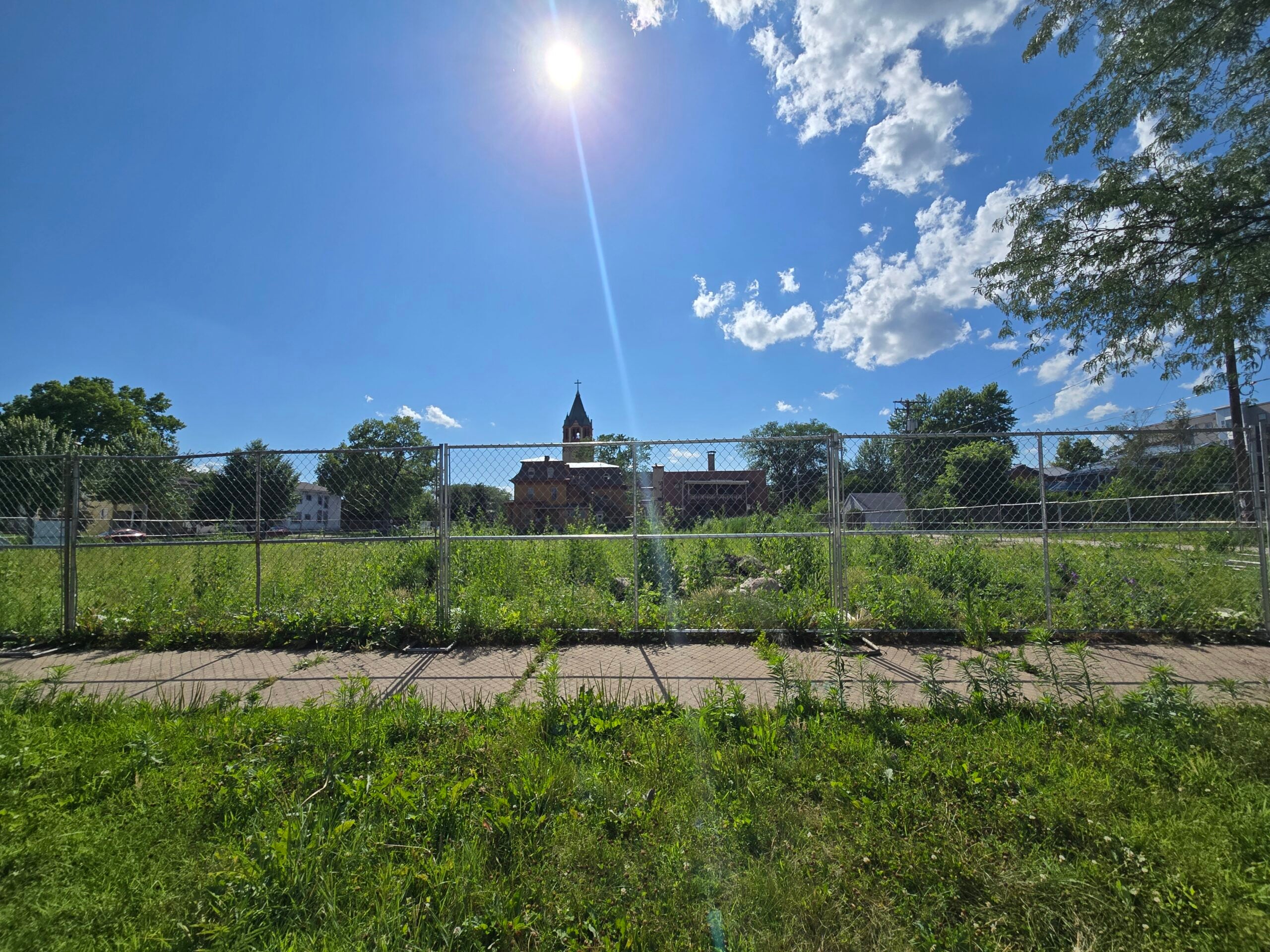
This summer, Habitat for Humanity of Waukesha & Jefferson Counties bought 0.8 acres from the technical college for $116,800. The property will be used to build six duplexes.
The $3.3 million project is set to break ground this fall so that 12 families can move in during 2026.
News with a little more humanity
WPR’s “Wisconsin Today” newsletter keeps you connected to the state you love without feeling overwhelmed. No paywall. No agenda. No corporate filter.
The project is situated in a key “MadWaukee” corridor, halfway between Madison and Milwaukee, said Sue Vock, the director of marketing and development for the local Habitat for Humanity group.
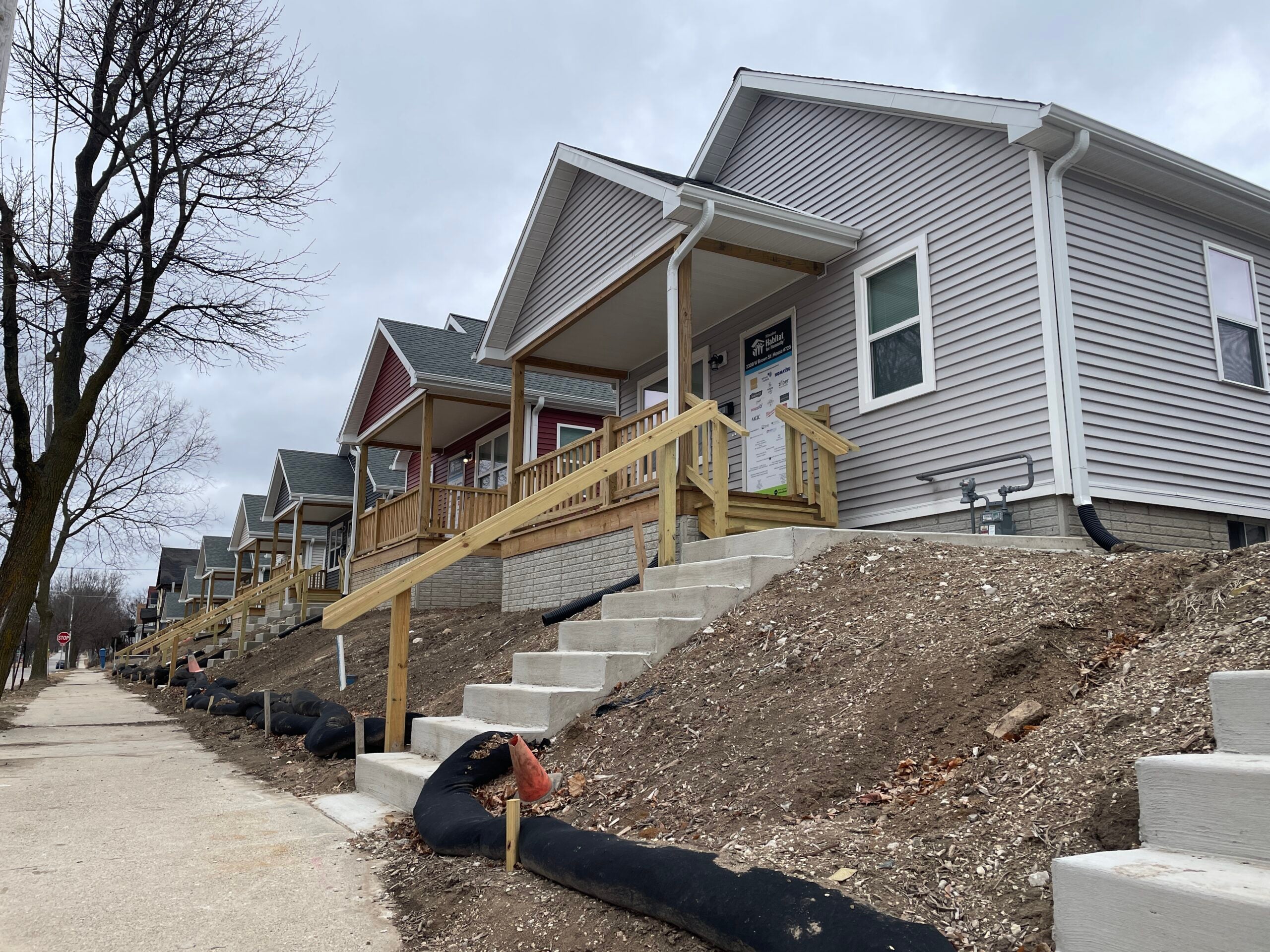
“They have really attracted a lot of business expansion out there, and with business expansion comes a need for affordable housing,” Vock said. “When you build six houses in a row for 12 families, we’re creating an instant community.”
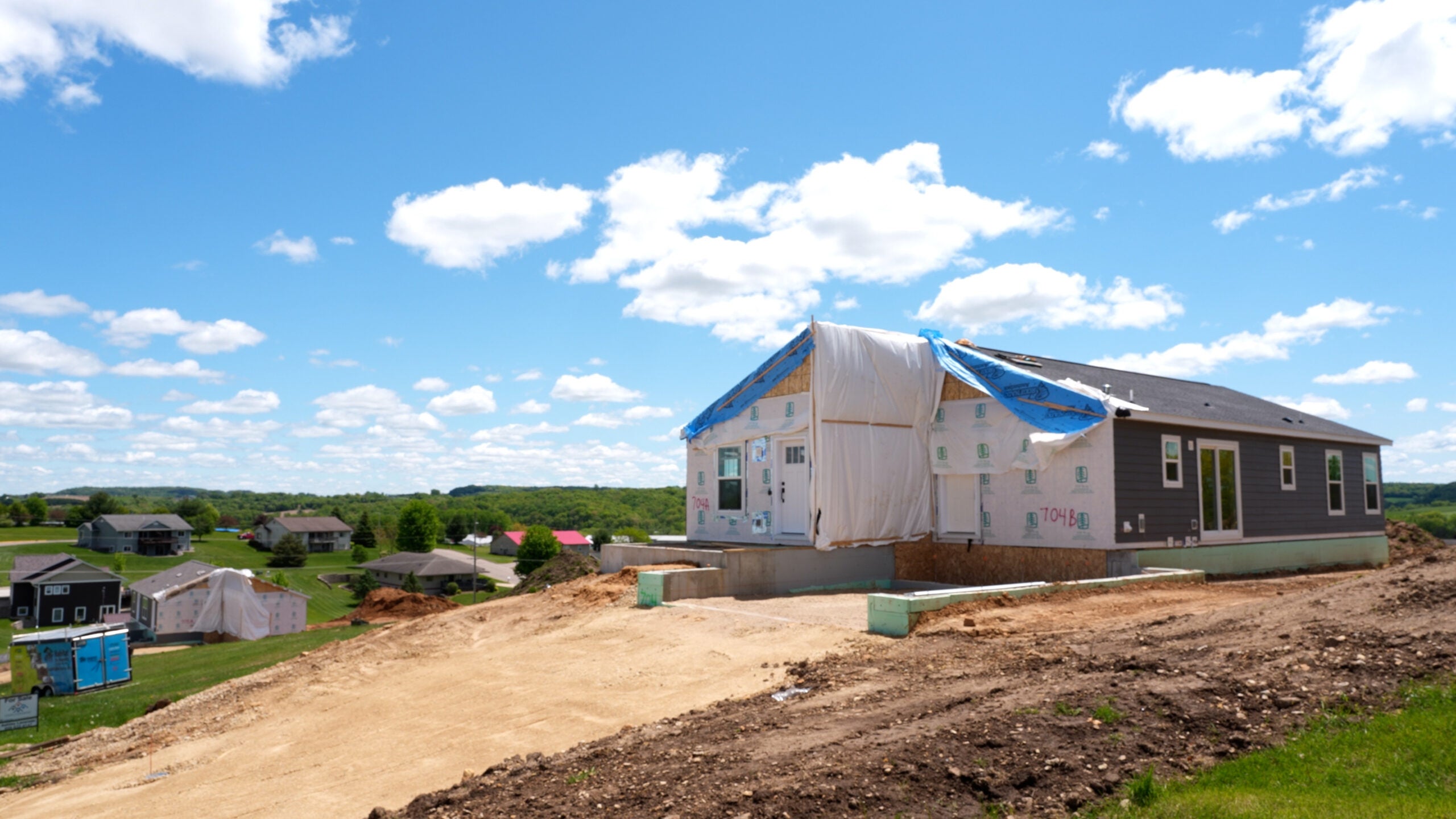
The project is part of the nonprofit’s expansion into Jefferson County. Earlier this year, Habitat broke ground on a duplex in Fort Atkinson, which was the organization’s first build in that county.
Vock expects the Watertown homes will be purchased by families making between 30 and 80 percent of the area’s median income. Mortgage payments will be set at no more than 30 percent of the buyer’s monthly income.
The project is aimed at residents who would have trouble qualifying for a traditional housing loan, Vock said.
“Families that move into our houses are sometimes the very first people in their families to be homeowners,” she said. “And so they’re thinking not just about spending the rest of their life in that home, but also passing that home down to their kids and their grandkids, and they see it as a turning point for generations to come.”
Habitat for Humanity relies on volunteers to build homes as cheaply as possible. Homebuyers receive financial education and put in “sweat equity” hours while working on Habitat projects.
As the Watertown project moves forward, Habitat is accepting donations, like flooring and plumbing, from local businesses.
“We just love partnering, not just with families that are going to live there, but with businesses in the area, because you never know if somebody that moves in will be one of your employees,” Vock said.

Wisconsin Public Radio, © Copyright 2026, Board of Regents of the University of Wisconsin System and Wisconsin Educational Communications Board.