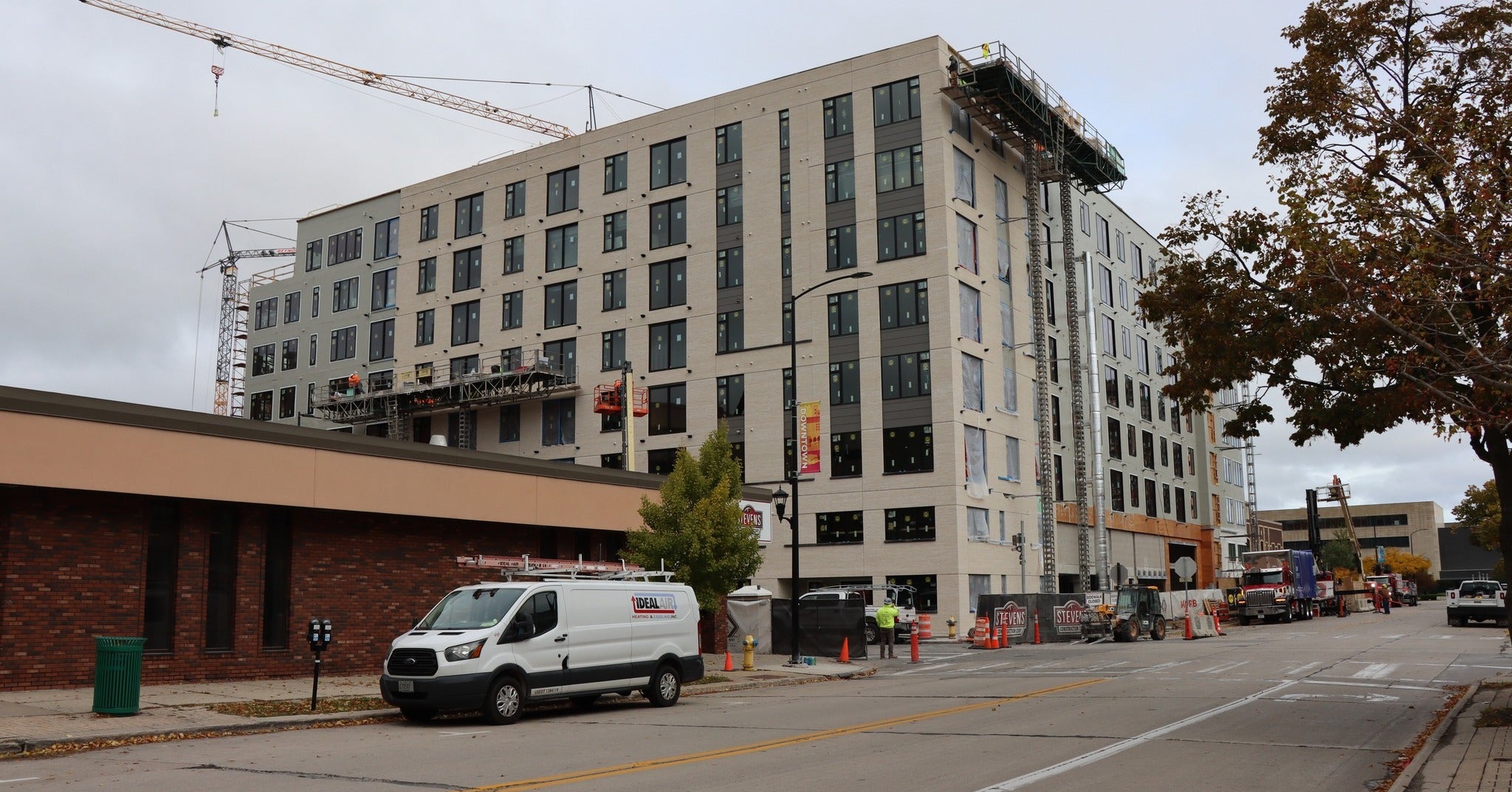
The City of Green Bay this month approved a series of zoning changes aimed at addressing what officials say is an affordable housing crisis.
The Green Bay City Council approved multiple zoning ordinances at a meeting last week that make the city’s zoning code more flexible to increase housing stock.
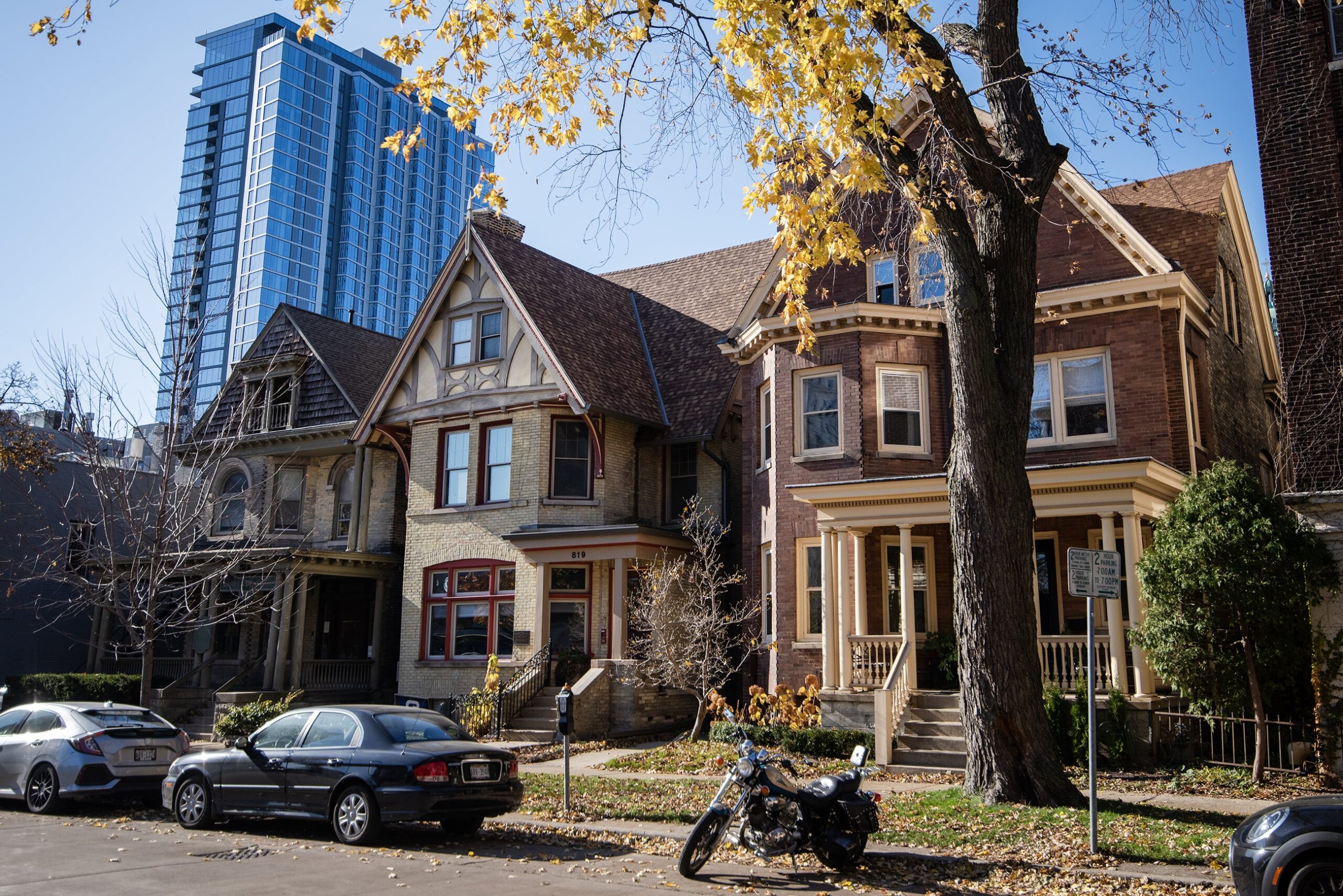
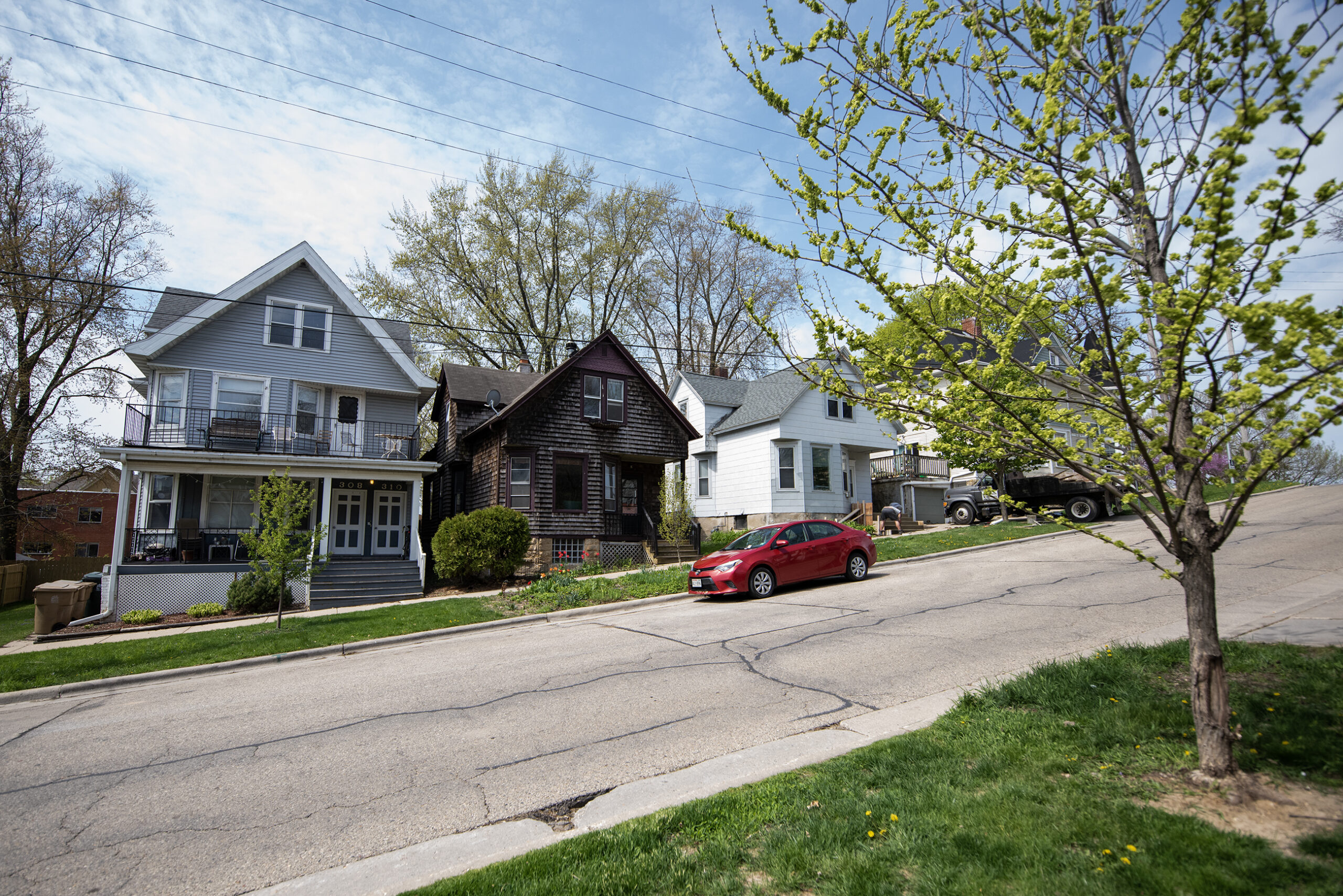
Under the changes, duplexes would be allowed in historically single-family zoning districts subject to land use development standards. Three- or four-unit multi-family buildings would be allowed in traditional single-family districts with a conditional use permit and accessory dwelling units would be allowed in all residential districts with a conditional use permit.
News with a little more humanity
WPR’s “Wisconsin Today” newsletter keeps you connected to the state you love without feeling overwhelmed. No paywall. No agenda. No corporate filter.
The changes also allow for taller buildings in higher density districts and smaller minimum lot size requirements, as well as additional housing options in commercial districts.
It’s the first major update to Green Bay’s zoning code since about 2006, according to city staff.
At the city council’s Nov. 11 meeting, Green Bay Mayor Eric Genrich said the changes were proposed following “really good discussions” with homebuilders, nonprofits, realtors and residents.
“We’ve got a housing affordability crisis in the city, state and country,” Genrich said. “We need to do what we can to ease that burden for our residents, and I think a lot of these zoning changes will do some good there.”
Jennifer Sunstrom, director of public relations and government affairs for the Realtors Association of Northeast Wisconsin, spoke at the Nov. 11 meeting in favor of making zoning changes. She said sticking to the “status quo” isn’t going to do enough to address the housing crisis.
“In order to address the housing needs of today and the future, we are just going to have to substantially change how we do housing,” she said.
Many Green Bay residents struggle with housing costs
Green Bay’s housing stock is mostly owner-occupied single-family homes, with the median home value in the city at $192,900, according to the city’s comprehensive plan. Home values in Green Bay increased by 46 percent from 2010 to 2021.
The share of households paying more than 30 percent of their income on housing, or who are “cost-burdened” by housing, has also risen with home values, the comprehensive plan says. Thirty-five percent of Green Bay homeowners are cost-burdened from housing, while nearly 65 percent of renters are cost-burdened.
“We just don’t have enough housing,” Alder Joey Prestley told WPR. “Green Bay has not been developing as fast as it could be over the past couple of years. We’ve sort of picked up since 2022, but still not to the pace that we need to to be able to meet the need in the area.”
A 2020 housing study found that Green Bay needed to add between 3,314 and 7,441 rental units and between 4,052 and 9,098 owner-occupied units by 2040. Those estimates are based on conservative and high growth scenarios.
Prestley said the hope in relaxing some of the more restrictive zoning codes is that it allows for more units to be built and built quickly.
“It is a slow process, and there’s still a great need,” he said. “This is one element of chipping away at that housing need.”
Housing shortage is a statewide issue
Statewide, Wisconsin needs to build between 140,000 and 227,000 housing units by 2030, according to a 2023 report from Forward Analytics, which conducts research for the Wisconsin Counties Association.
The League of Wisconsin Municipalities has been encouraging communities to update their zoning codes to allow for more flexibility for several years. Jerry Deschane, the league’s executive director, said zoning is sort of a “map” for municipalities, telling developers what’s allowed to be built where.
“Anything we can do to offer more options for people that want to live, work, (or) raise a family in a community, we’ve got an obligation to look at that,” he said.
Milwaukee approved zoning changes earlier this year that allowed for townhouses, cottage courts and accessory dwelling units in single-family residential zoning districts, but did not allow for duplexes and triplexes in single-family zoning districts.
In early 2025, Madison also approved zoning changes that got rid of a rule requiring housing developments to have a minimum amount of private backyard space and removed some restrictions on accessory dwelling units. This summer, Madison officials also approved allowing duplexes in most residentially zoned lots.
All over the state, Deschane said urban and suburban communities are taking a look at their zoning codes and trying to make updates to allow for more housing.
“The bottom line here is we under-built in Wisconsin ever since the Great Recession,” he said. “For about 15 years, we were building fewer units than we had new households. It’s going to take a generation to catch up to that, and it, quite frankly, is going to take every creative idea we can think of at the local level to address it.”

Wisconsin Public Radio, © Copyright 2026, Board of Regents of the University of Wisconsin System and Wisconsin Educational Communications Board.