If you’ve noticed your home or condo insurance has spiked in recent years, you’re not the only one.
Between 2017 and 2024, home insurance premiums in Wisconsin increased by an average of 55 percent. That’s according to a new study published last month by a Wisconsin researcher. Nationally, premiums also grew by an average of 63 percent.
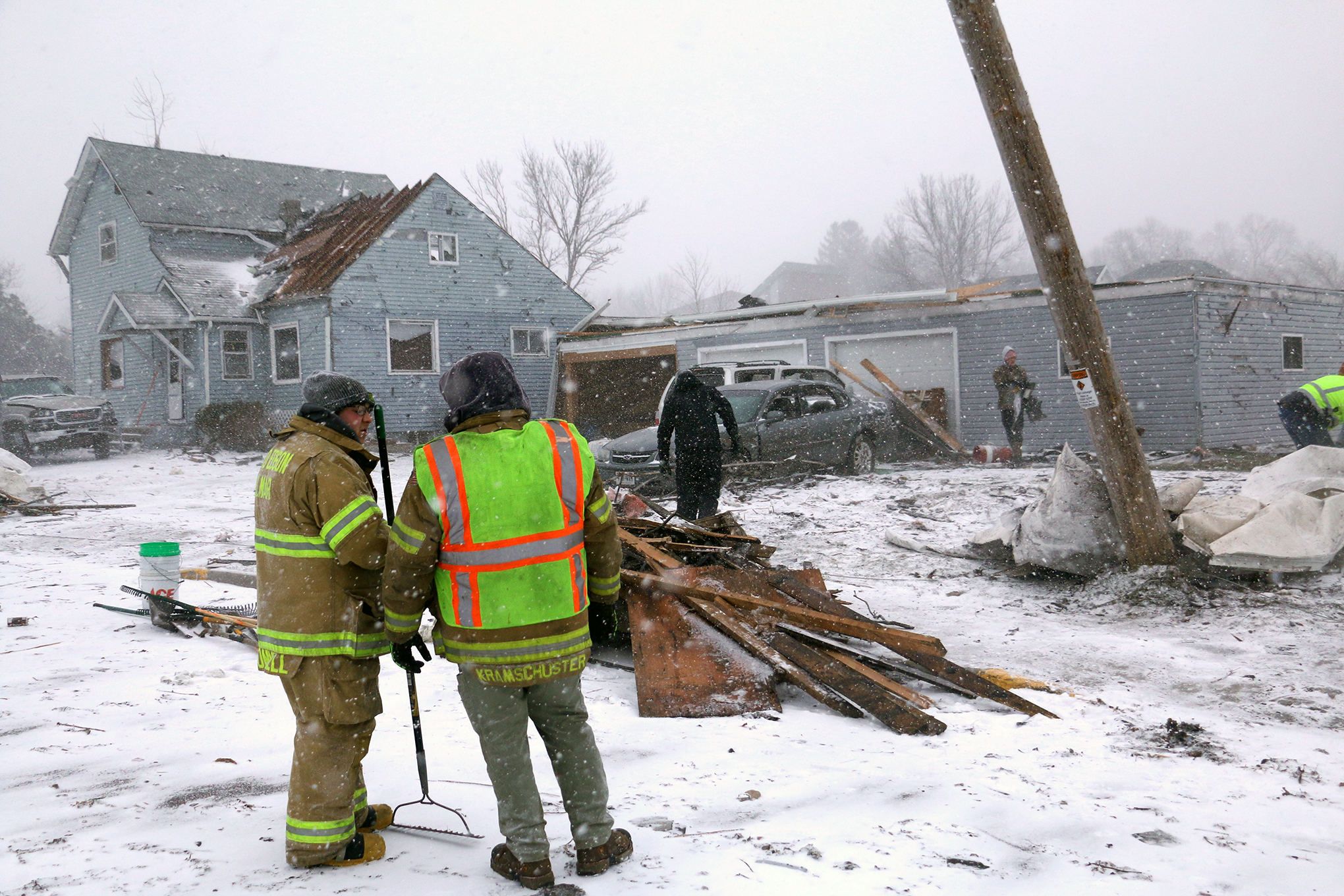
The drivers? Increases in climate-related disasters and construction costs.
News with a little more humanity
WPR’s “Wisconsin Today” newsletter keeps you connected to the state you love without feeling overwhelmed. No paywall. No agenda. No corporate filter.
Philip Mulder, an associate professor at University of Wisconsin-Madison’s School of Business, co-wrote the study. He joined WPR’s “Wisconsin Today” to talk about trends in home and condo insurance in Wisconsin — and possible solutions.
This interview has been edited for brevity and clarity.
Rob Ferrett: What kinds of disasters in Wisconsin might be covered by home insurance?
Philip Mulder: Most insurers operating in the state are thinking about hail risk. That can lead to roof-related claims. And then there’s just all the things that can go wrong in a home that are covered: burst water pipes, liability claims.
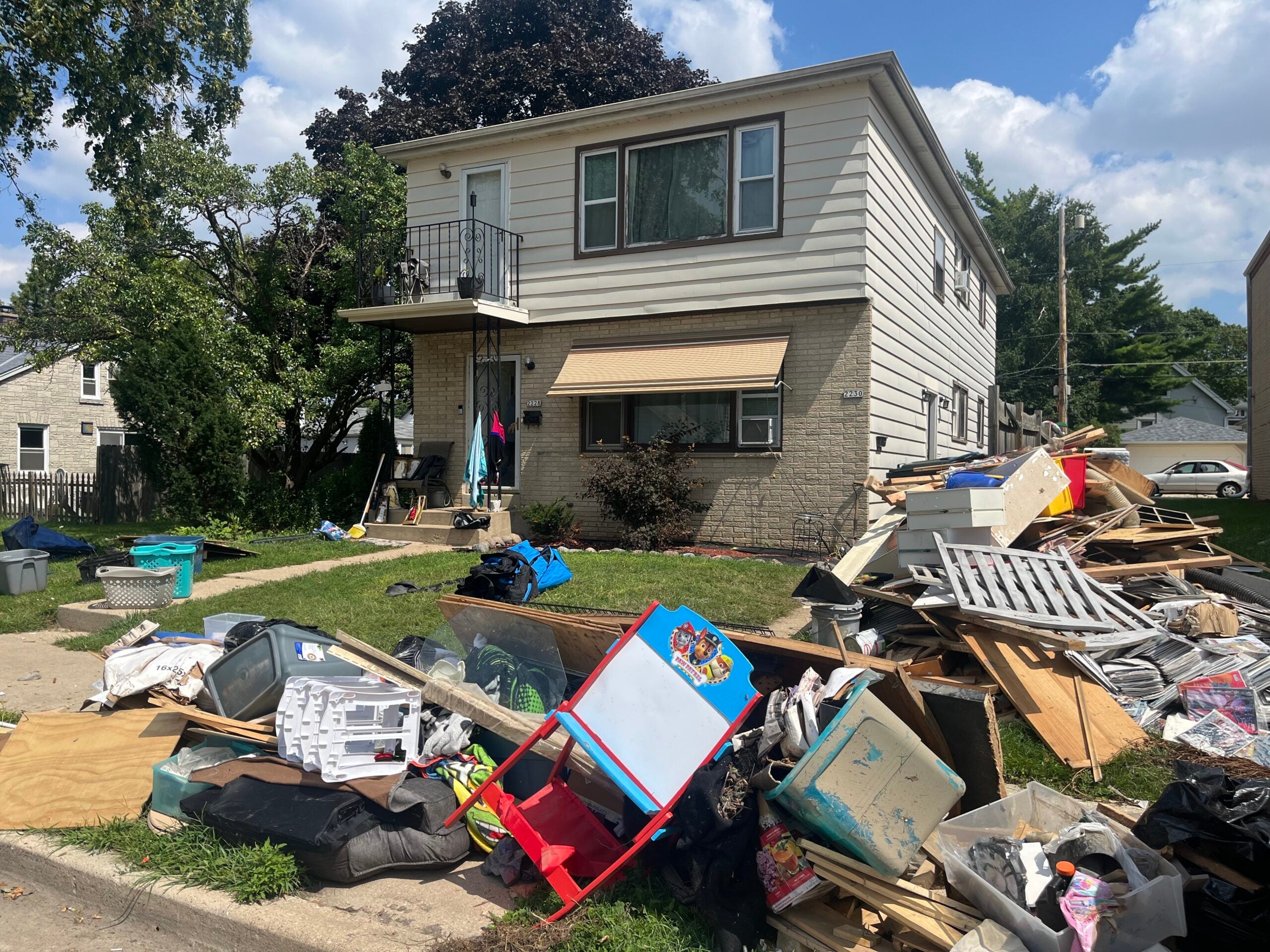
The recent flooding in Milwaukee was, of course, very significant. But flooding is typically covered through separate policies. Your homeowner’s insurance does not cover flood damage. If you want flood coverage, you’re gonna need to be shopping with the National Flood Insurance Program.
RF: Why are insurance costs in Wisconsin going up now?
PM: So what we’ve seen in our state is … the increase in the cost of repairing and rebuilding homes. That’s going to be a major factor for insurers. Just like it comes as a huge surprise to homeowners how much it costs to fix something around the house or put in a fence, that’s the cost that’s getting passed on when you have a hail claim on your roof.
RF: What about labor costs?
PM: Those are absolutely factoring into our insurance costs. We had this first wave of cost shocks with the supply chain crunch around COVID-19.
And right as we thought things were maybe starting to quiet down again, we saw tariffs and we saw immigration restrictions, which affect a lot of the labor pool who perform this kind of work. It’s unclear yet when we will see the full impact of this. Insurance premiums tend to change slowly.
RF: Turning to your recent research: What do we see when we take that more granular view?
PM: What we’re seeing in Wisconsin is that some of the trends in terms of cost tend to follow housing value first. So some areas around Milwaukee that tend to have bigger homes also tend to have higher premiums. In the areas that have historically had more hail events, you see somewhat higher premiums.
But at the end of the day, everywhere has gone up dramatically in the last 10 years.
It’s also interesting to compare us to our neighbors. Our neighbors over in Minnesota … are paying much more. Your state can really matter here, because insurance is regulated at the state level.
RF: Should states like ours cap insurance price increases?
PM: It’s a fundamental trade-off that policymakers are ultimately going to have to deliberate. In some of the most extreme cases of this, like in California, they were having a lot of problems with some of the biggest insurers not writing coverage anymore. That’s required these states to put in place their own backed insurers to cover these folks.
But then that risk is still ultimately falling on the state. Even if we keep the premium low, even if we create an alternative form of insurance, at the end of the day if a home has a loss, someone’s going to have to pay for it.
In Wisconsin, we’re lucky to not really have that as a fundamental problem. People tend to have their choice of insurers here and tend to be able to find coverage. But I think there’s more to be done in terms of figuring out what is the right balance to strike.