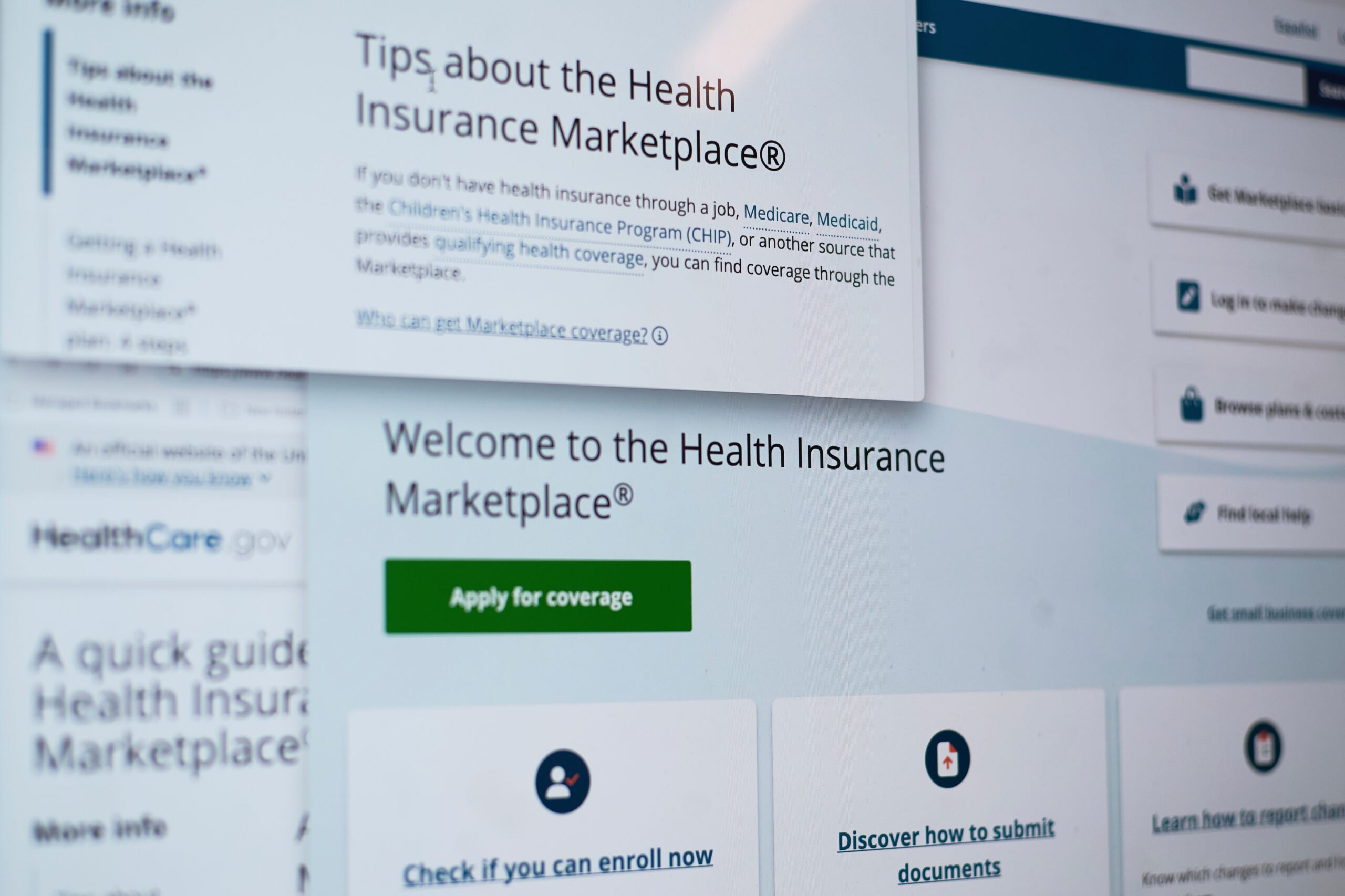
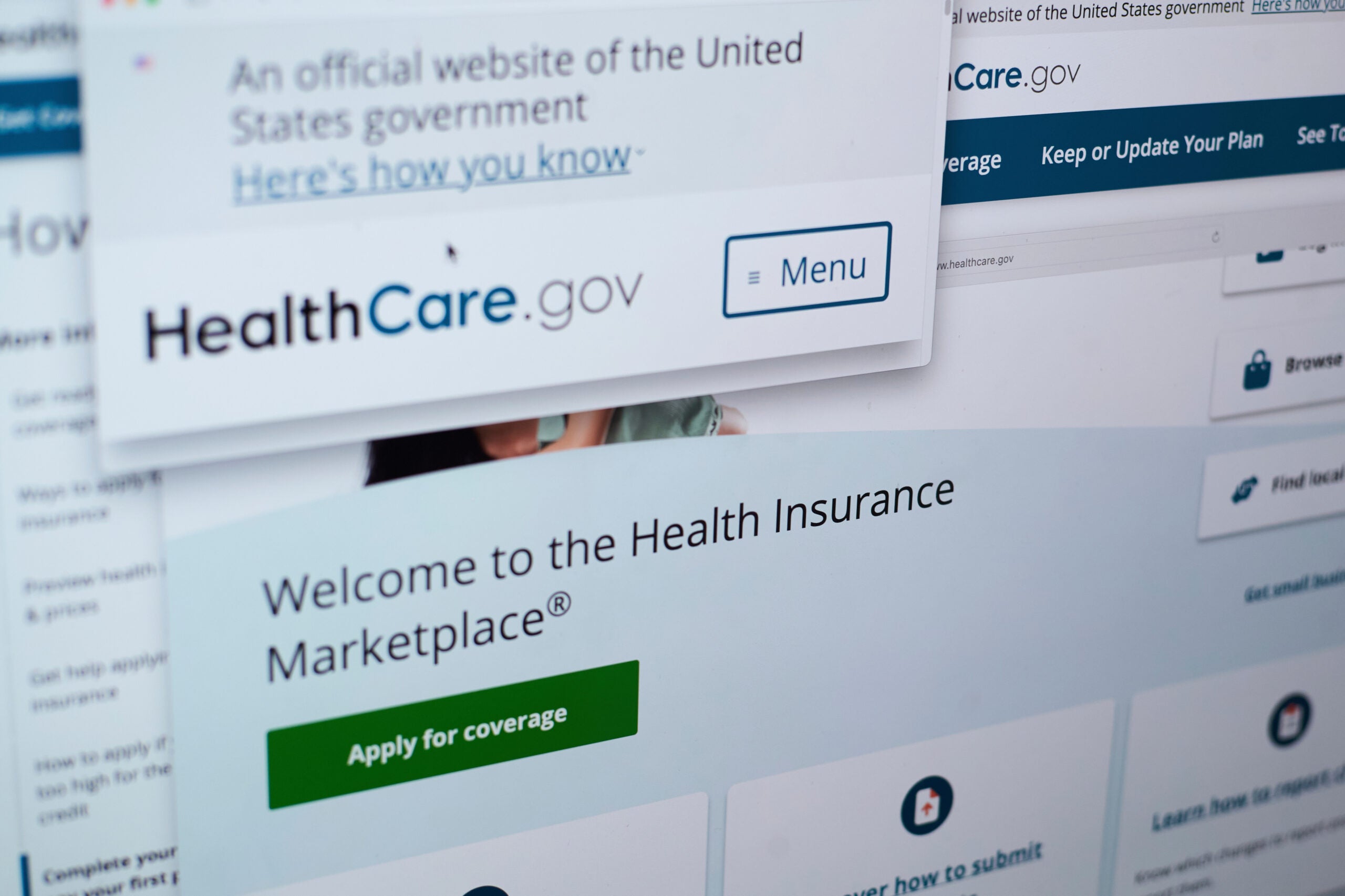
Saturday marks the start of the open enrollment period for Americans who get their health insurance through the Affordable Care Act marketplace. And with pandemic-era health insurance subsidies set to expire at the end of this year, premiums are expected to spike.
Extending those tax subsidies is the central demand from Democrats in the negotiations over the ongoing government shutdown.
In Wisconsin, more than 310,000 people purchased their 2025 health insurance through the ACA marketplace, according to the Wisconsin Office of the Commissioner of Insurance. On Monday, the office released its 2026 projections for how much premiums will go up for select groups of enrollees. Gov. Tony Evers said insurance rates for many covered through Wisconsin’s ACA exchange will increase by between 200 to 800 percent next year.
News with a little more humanity
WPR’s “Wisconsin Today” newsletter keeps you connected to the state you love without feeling overwhelmed. No paywall. No agenda. No corporate filter.
Bobby Peterson is the founder and an attorney at ABC for Health, a nonprofit public interest law firm in Wisconsin focused on access to health care coverage. He joined WPR’s “Wisconsin Today” for a look at the projected costs for next year and what Wisconsinites should know about shopping for health insurance.
This interview has been edited for length and clarity.
Kate Archer Kent: According to the projections, seniors will see some of the largest increases in premiums. What other factors might contribute?
Bobby Peterson: It (depends on) both your age and income level. So when these advanced premium tax credits were passed during the COVID pandemic and through in 2021, they identified groups to reduce premiums for. That was in that moderate income range. Once those are taken away, you’re going to see some pretty big increases in expenses for their insurance.
KAK: What should people starting to shop on the marketplace have in mind if they see that their current plan is now too expensive for their budget?
BP: The window shopping tool opens any day now, so you can go in and take a look at the exact cost of the plans in your area. If you have a current plan, go into the marketplace, update your information and update your projected income information.
Everyone’s got a different set of circumstances. Their income could be going up, their income could be going down. They could be retiring in a month. They could be eligible for Medicare in two or three months. So it’s really individualized, and it’s hard to make large-scale projections of what everyone should do.
But I think the takeaway is that it’s a good idea to look at your situation and not jump the gun on Nov. 1. … As things thaw a little bit in the relationship between the president and Congress, it may be that we see some changes and some negotiations occurring. So it might be better to hold off a bit before you pull the trigger on securing health care coverage for 2026. You’ve got some time until Dec. 15 to make that decision.
KAK: Should people be wary of shopping for plans outside of the marketplace?
BP: Let’s go to the other end of the spectrum, which is the junk plans. You might find a website that offers you something that’s just too good to be true. Be very skeptical of it. Generally, going through healthcare.gov is going to be a better opportunity for you, or through a broker or an agent and making sure you’re getting an ACA-compliant plan. Otherwise you could be subject to a plan that is pretty threadbare and has a lot of exclusions, and you might end up with quite a few more medical bills.
KAK: What resources are out there for people who want help in this process?
BP: The (ACA) navigator program was reduced by 90 percent by the Trump administration. This stuff is not easy to understand. It’s complicated. It’s nice to have people that have the training and the understanding to help you identify the paths that are available now. Covering Wisconsin still has a navigator program that is available to help people. There’s a website that’s for Wisconsin called wiscovered.com that people can go to make appointments and try and identify questions that they might have for a navigator.
I would encourage people to do that because it’s very individualized. There’s so many variables to consider, sometimes based upon your family income, your family size, tax credits that might be available or are expiring. They’ll be able to help you with current information to help you make the best decision for yourself and your family.