The flu season is now fully underway, and Dr. James Conway is worried that this year will be a challenging one. That’s in part because a new strain of the virus called the “K subclade,” is circulating and people may not have the immunity to easily fight it off.
“We’re looking at another bad season. Last year was pretty brisk … But this one really seems to be picking up,” Conway told WPR’s “Wisconsin Today.” “This new K clade of the H3N2 influenza A is really kind of a novel and really rapidly expanding virus, and so we’re seeing a lot of disease related to that particular strain.”
The U.S. Centers for Disease Control and Prevention report that more than 3,000 people have died from the flu so far this season. But Conway, who is a professor in the Department of Pediatrics in the Division of Pediatric Infectious Disease at the University of Wisconsin School of Medicine and Public Health, said the flu season won’t peak until later this month or February.
News with a little more humanity
WPR’s “Wisconsin Today” newsletter keeps you connected to the state you love without feeling overwhelmed. No paywall. No agenda. No corporate filter.
He spoke to “Wisconsin Today” about the risks people face and what they can do to stay safe.
This conversation has been edited for clarity and brevity.
Rob Ferrett: What are you watching for in other countries that makes you worry about the next month or two here in Wisconsin?
James Conway: We get a lot of great data out of Australia and New Zealand. And while the beginning of their season looked pretty mellow, it really picked up as the K clade spread there.
And then we’re getting good data from Europe and other places that shows that this K clade is rapidly spreading. It’s very transmissible, and people get sick very quickly with it, which also makes it a little bit trickier to control it, because sometimes people are shedding virus before they’re even aware that they’ve actually got the illness.
RF: Sometimes people hear “flu” and think of what we call stomach flu. This is not what we’re talking about. This is influenza, the respiratory disease. What is it?
JC: It starts out for most people as a typical upper respiratory infection with runny nose and cough, but unfortunately, influenza does have a predilection to also cause lower respiratory tract disease, or what we call pneumonia.
RF: There’s always a scientific guessing game, where we have to start producing these vaccines earlier on, and the strains can mutate. How well have we matched the vaccine to the virus that’s out there this year?
JC: These viruses are constantly shifting and drifting and changing throughout time. We know we’ve got a really good match for the influenza B that’s circulating. That’s only a couple percentage of the cases we’re seeing. It’s not as great a match for the H3N2 influenza A.
But the vaccine still is pretty effective, at least diminishing the severity of infection if people do get sick with it.
RF: We’ve seen across the board more reluctance of people to get vaccines. What do we know about flu vaccine levels in the United States and Wisconsin in particular?
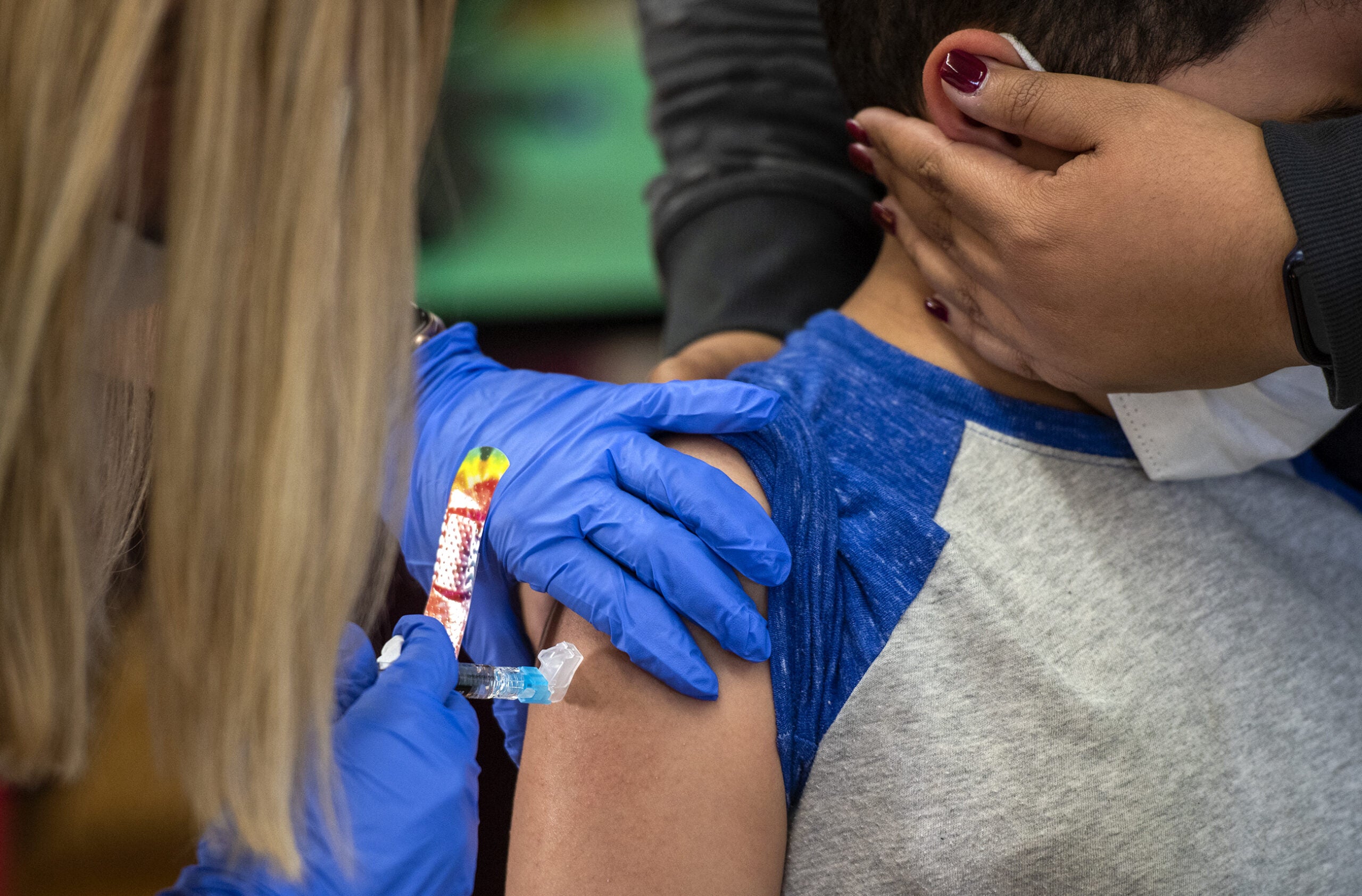
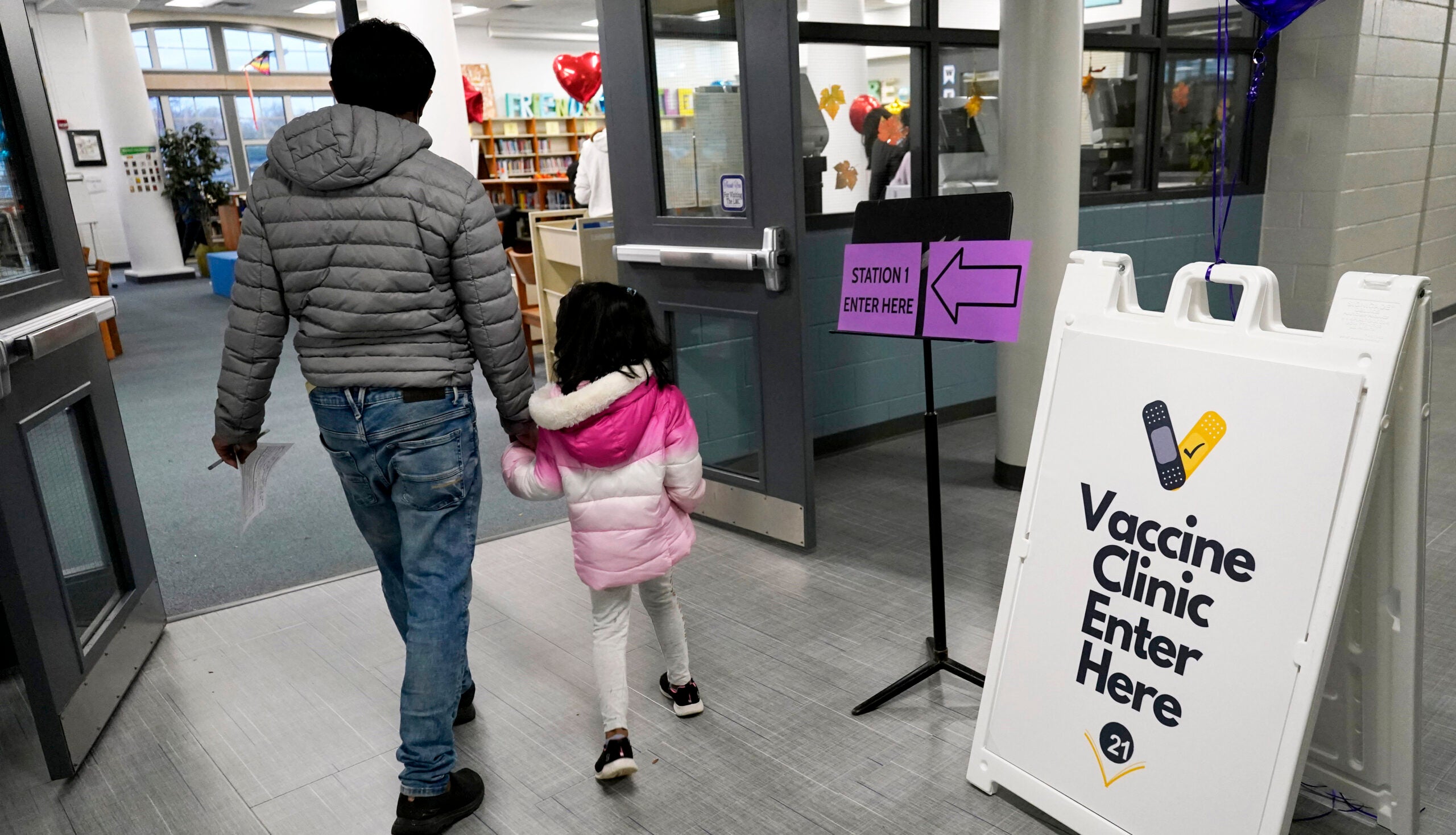
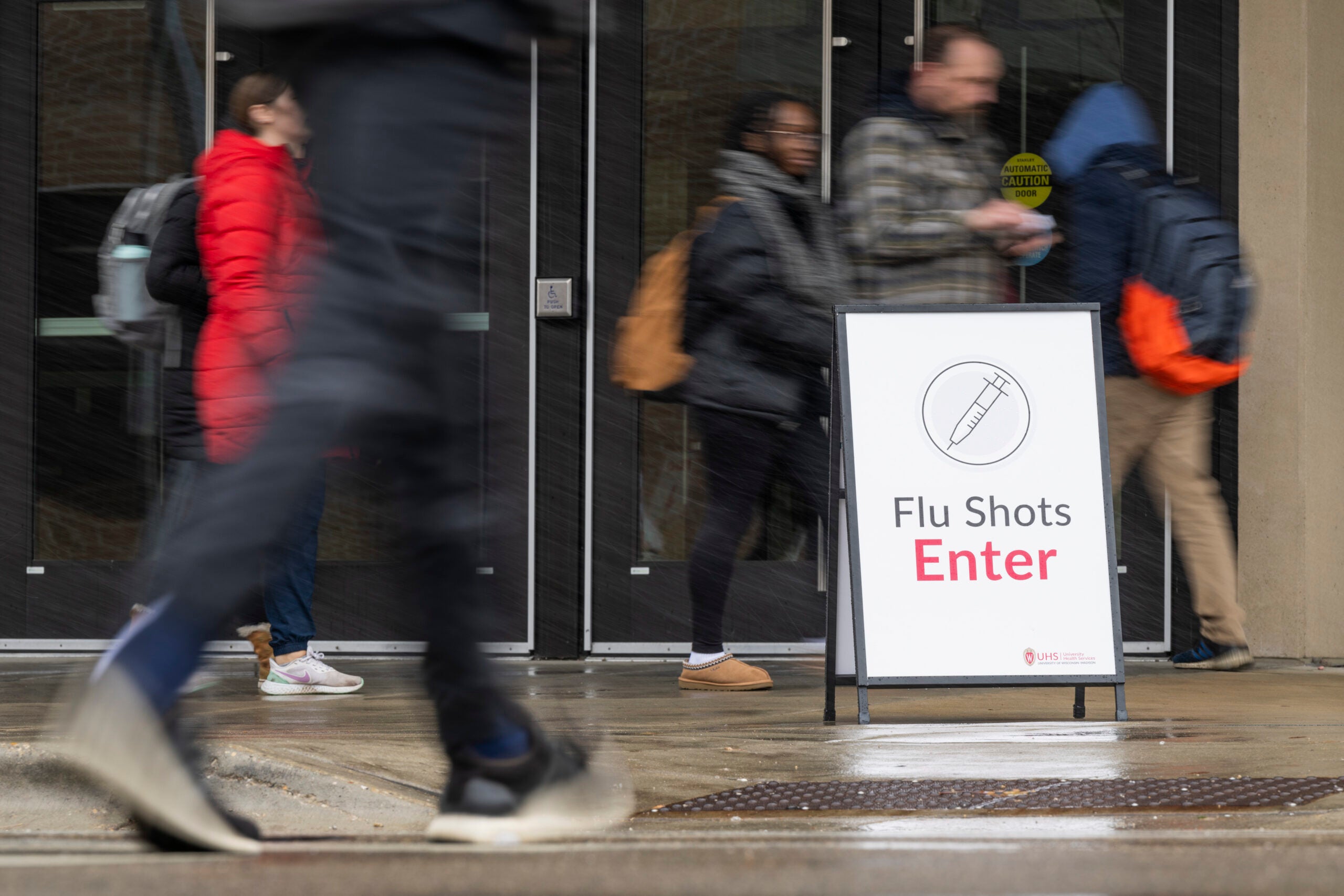
JC: We’re now up to about 30 percent of people in Wisconsin having received their flu vaccine. It’s really picked up quite a bit over the last couple of weeks.
The knowledge that this is out there, that it’s a little bit worse than what we expected … We’ve been pleased to see that people seem to be listening. National levels also are lagging a little bit behind, but we’re seeing that same trend where people are starting to get their vaccines.