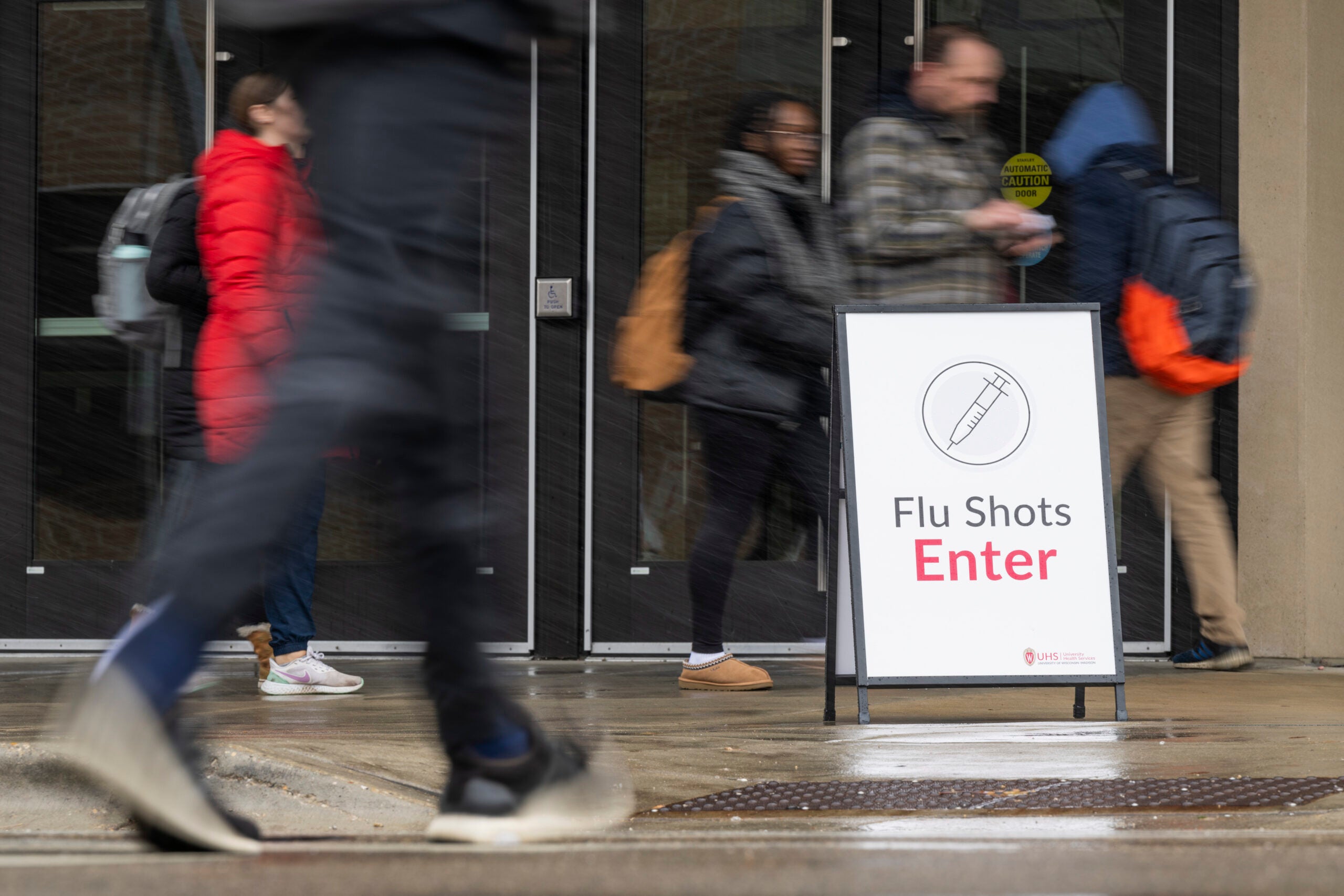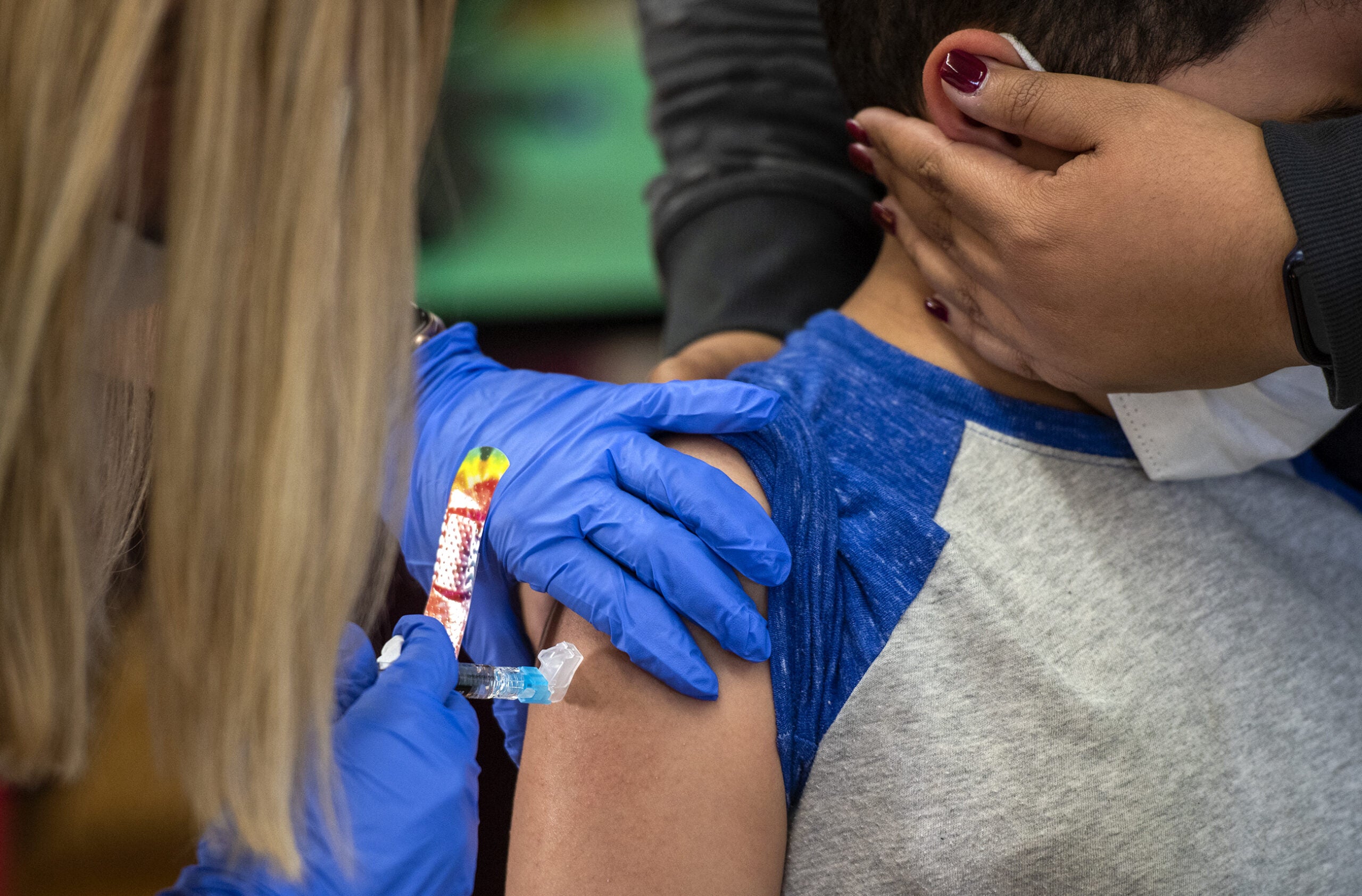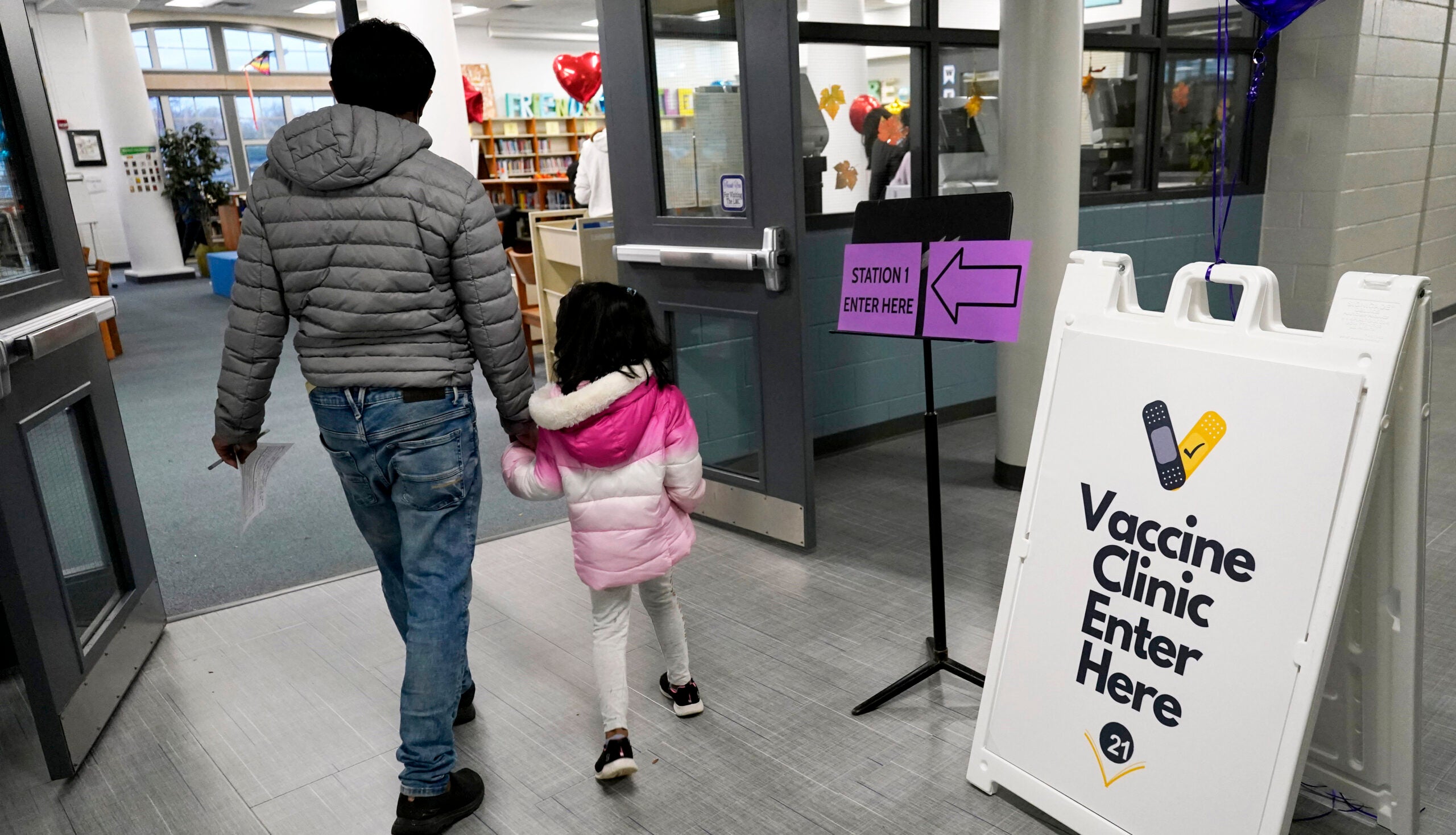
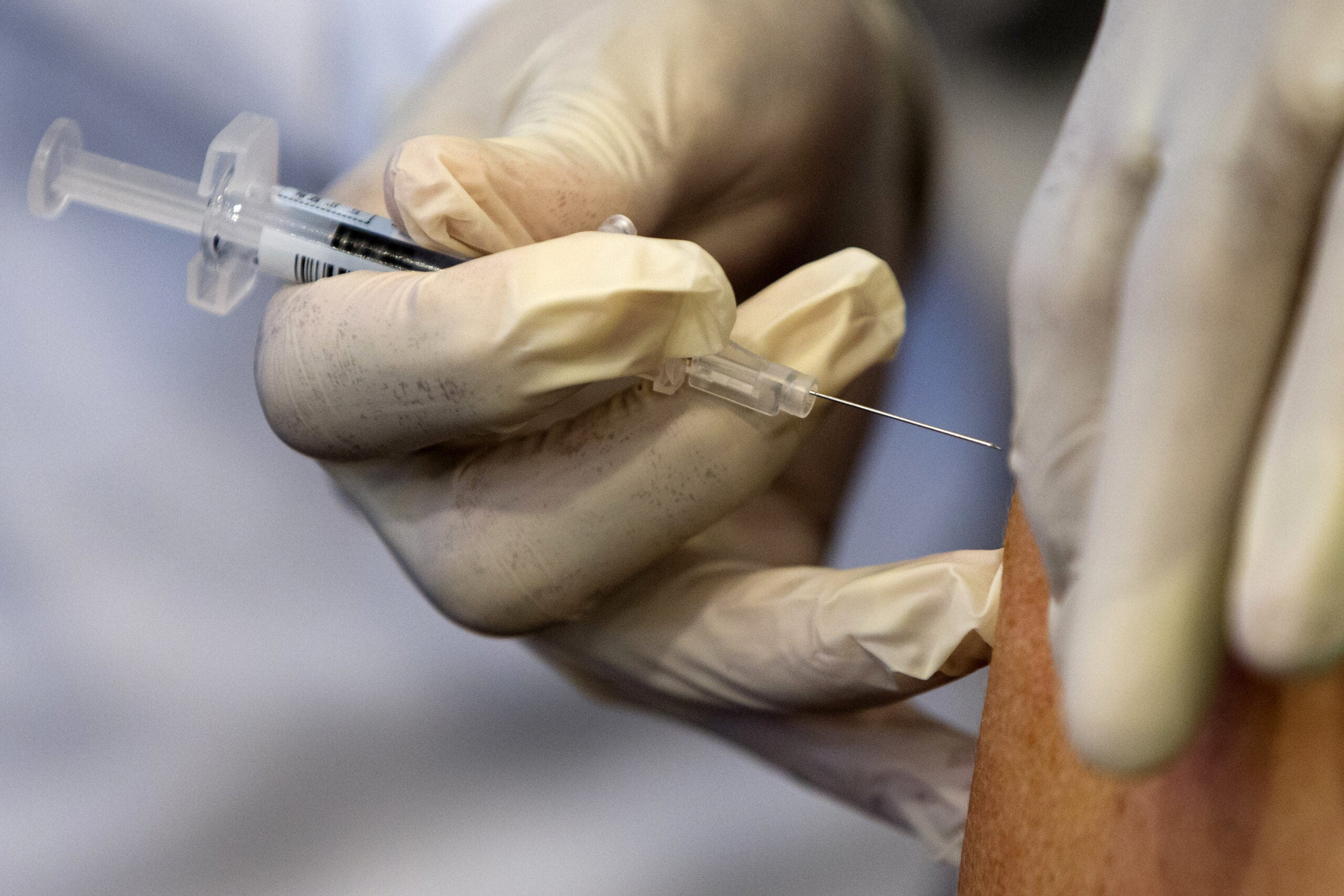
Wisconsinites could be in store for a rough flu season thanks to a more active virus and the continued decline in vaccination rates this year.
Fewer than 26 percent of Wisconsin residents have gotten a flu shot so far this season, according to the latest data from the state Department of Health Services.
The agency reported that the number of flu shots administered in October, the most popular month for the annual booster, was 13 percent lower this year than in 2024.
News with a little more humanity
WPR’s “Wisconsin Today” newsletter keeps you connected to the state you love without feeling overwhelmed. No paywall. No agenda. No corporate filter.
Stephanie Schauer, immunization program manager at DHS, said that decline is especially concerning heading into the holiday season. She said fewer people make time to get a shot in December, even though that’s when virus activity starts to ramp up in the upper Midwest.
“We really need to make sure that we’re getting the protection that we need ahead of the viruses coming up and really circulating at a higher level,” Schauer said.
Public health officials across the U.S. are watching this year’s flu season closely because of the type of virus that is making the rounds.
This year’s dominant strain is an H3N2 virus, which Tom Haupt, respiratory disease epidemiologist for DHS, said could increase how many people experience severe illness or are hospitalized with influenza.
“Any H3 virus is going to be more severe, historically,” he said.
Haupt said last winter was one of the worst seasons for respiratory illnesses in several decades. On top of more influenza, respiratory synctial virus, or RSV, and mycoplasma pneumonia were especially severe in the 2024-25 season. Haupt said the state has not seen the same surge in those illnesses this year.
But some of the people who are most vulnerable to severe disease from influenza are not protected. Schauer said there has been a noticeable decline in immunizations among people age 65 and older.
Fifty-two percent of older adults in the state had received a flu shot as of Monday. Last winter, 64 percent of people age 65 and older received a shot during the flu season.
More than half of older adults have continued to get the flu shot in recent years despite an overall decline in seasonal vaccination rates in the state.
Dr. Jim Conway, medical director of UW Health’s immunization program, said he thinks health care providers and public health officials have done a good job communicating the risks of flu and other respiratory illnesses for seniors.
“But it is a little bit troubling that they do seem to be, even for that group, a little bit behind,” he said.
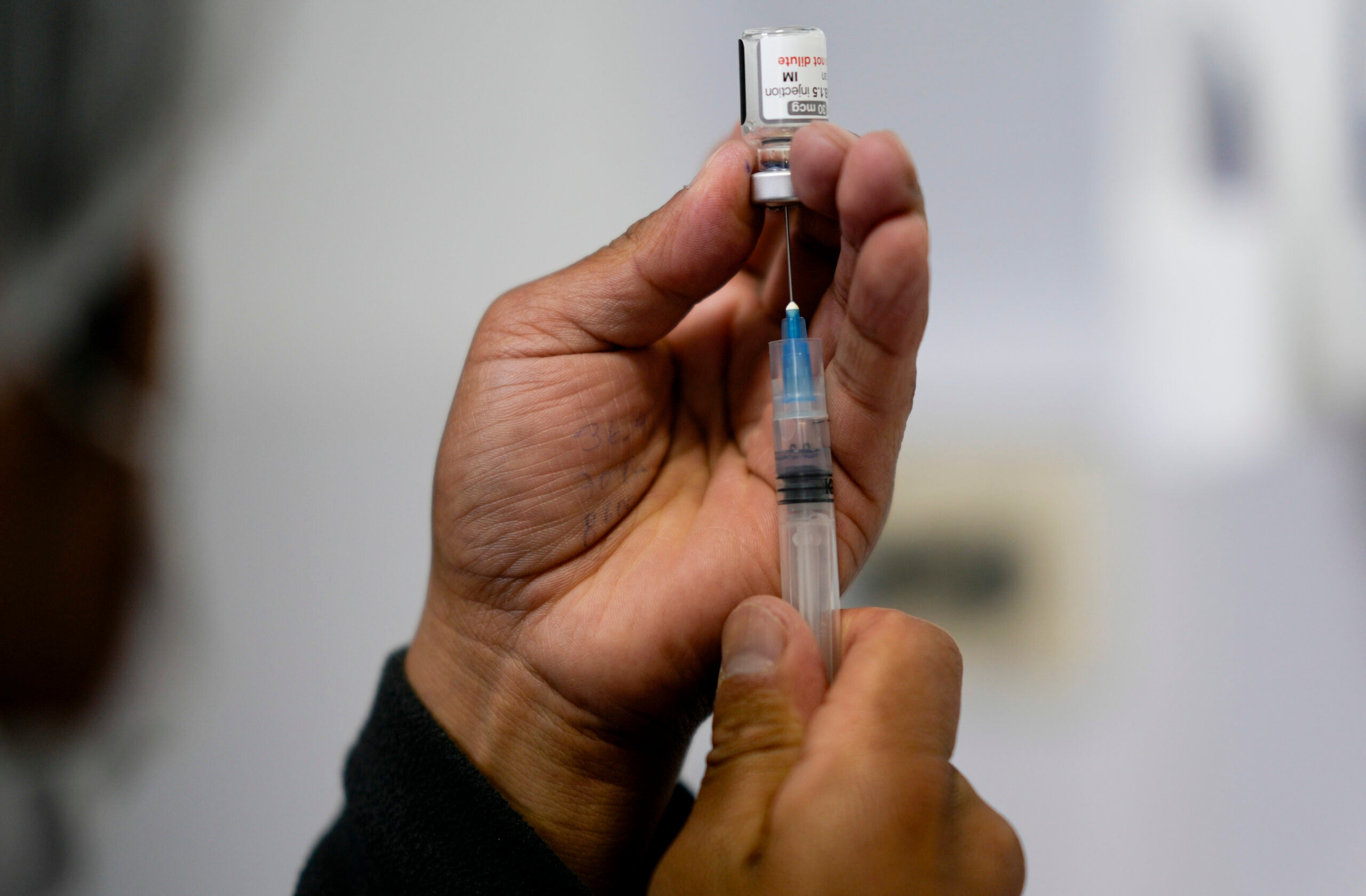
Just under 10 percent of Wisconsinites have gotten an updated COVID-19 booster as of Monday. DHS data shows 21 percent fewer people got a COVID vaccine in October compared to the same month last year.
Health leaders worry confusion about access to COVID-19 boosters may have contributed to lower immunization rates this year.
In August, the Food and Drug Administration approved updated versions of the vaccines only for older adults and people with increased risk for serious disease.
An advisory panel for the Centers for Disease Control and Prevention voted last month to recommend the shots for anyone 6 months and older. But the agency also adopted new guidelines calling for patients to consult with a health care provider about the risks and benefits of vaccination, which some vaccine advocates worry could make it harder to get the shot.
“There perhaps was some confusion or hesitancy if folks wanted to get both of (the boosters) at the same time,” Schauer said of the changing recommendations. “We do hope at this point that it is clear to folks that the vaccines are available and that insurance is covering it.”

Wisconsin Public Radio, © Copyright 2026, Board of Regents of the University of Wisconsin System and Wisconsin Educational Communications Board.