
Updated versions of the COVID-19 vaccine became available this fall, and many Wisconsinites have questions about the timing of when they should get vaccinated.
One listener said she got sick with COVID-19 in June. She asked WHYsconsin: “Do I need this fall season’s Covid vaccine or are the strains in the vaccine the same as the virus I had in June, which most likely makes me immune to those strains?”
Dr. Jim Conway, the medical director for UW Health Immunization Programs, said yes, that listener should get vaccinated this fall.
News with a little more humanity
WPR’s “Wisconsin Today” newsletter keeps you connected to the state you love without feeling overwhelmed. No paywall. No agenda. No corporate filter.
While it’s likely that the listener got an immunity boost after coming down with COVID, he said it’s also likely that much of that protection has faded.
“We know that the immunity after a natural infection basically lasts two or three months,” Conway said.
Another listener asked a similar question, but with different circumstances. That Wisconsinite said she got a COVID-19 shot in June, and wanted to know when to receive another one.
In that case, Conway also suggests getting the COVID-19 vaccine this fall.
He notes that the June vaccine was a different formulation.
“That was the 2024-2025 version, which certainly was better than nothing while we waited for all this to get sorted out and probably helped protect that person through the summer,” Conway said. “Now we’ve got the updated vaccines that match better with what’s circulating, so we should dive in and get those new ones, especially for those high-risk populations.”
People at higher risk of severe COVID infection include older adults and people with certain medical conditions, such as asthma and diabetes.
Who should get the 2025-26 COVID-19 vaccine?
Wisconsin’s health department is recommending the new COVID-19 vaccine for anyone over 6 months old.
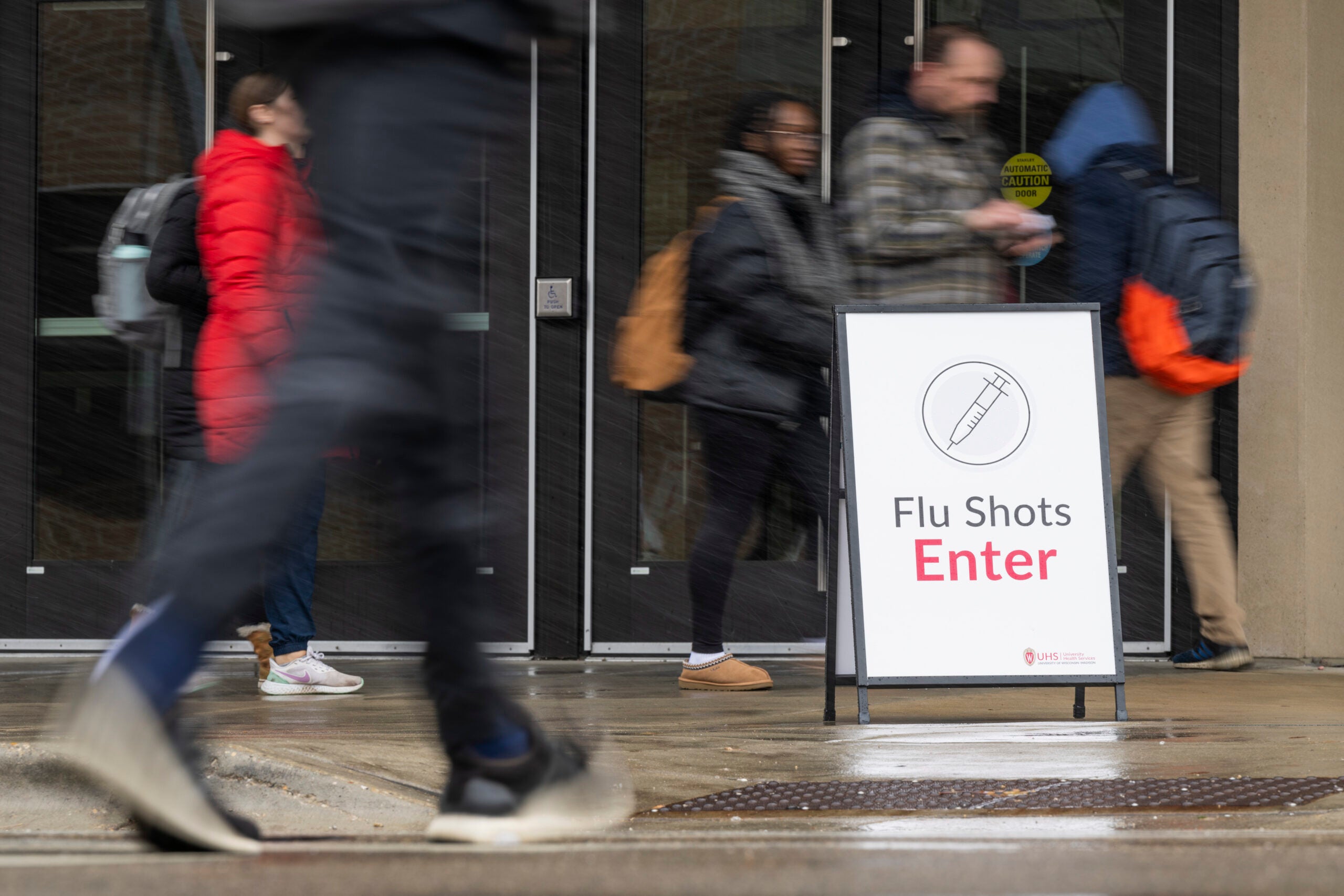
Conway says fall is an ideal time to get vaccinated against both COVID and the flu, since respiratory viruses are known to peak in the winter.