An administrative law judge may decide whether the roughly $450 million plan to reroute an oil and gas pipeline around the Bad River tribe’s reservation can move forward after a lengthy hearing wraps up on Friday.
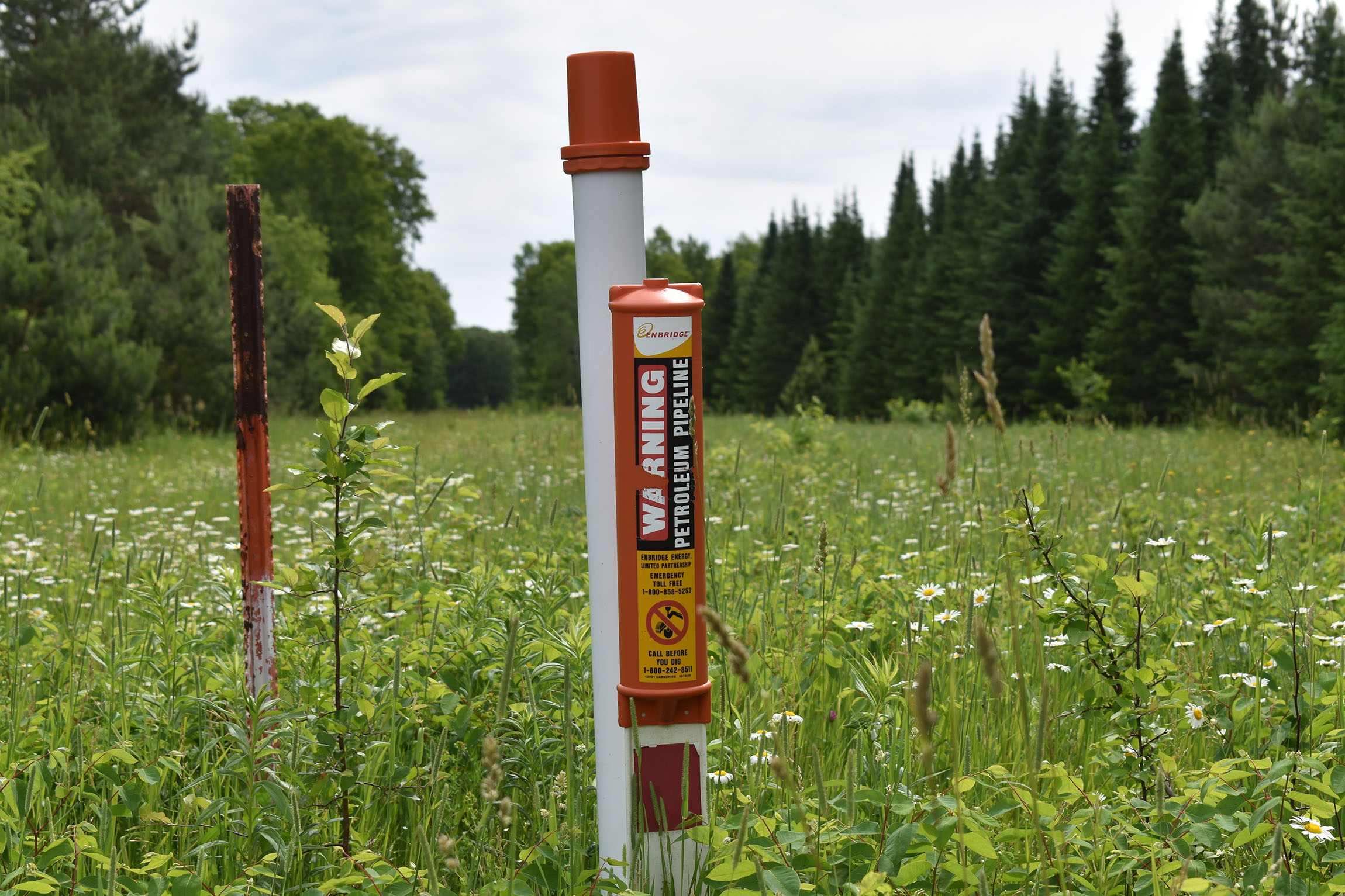
The judge is hearing a challenge to key state permits granted to Canadian energy firm Enbridge, which is working to secure federal approval for the Line 5 relocation project. Enbridge first proposed building a 41-mile segment of the oil and gas pipeline around the Bad River reservation after the tribe in 2019 sued to shut down Line 5 on its lands.
The Wisconsin Department of Natural Resources in November issued a wetland and waterway permit along with a stormwater construction permit. The tribe and environmental groups Clean Wisconsin and Midwest Environmental Advocates later petitioned for a hearing, challenging whether the permits complied with state law.
News with a little more humanity
WPR’s “Wisconsin Today” newsletter keeps you connected to the state you love without feeling overwhelmed. No paywall. No agenda. No corporate filter.
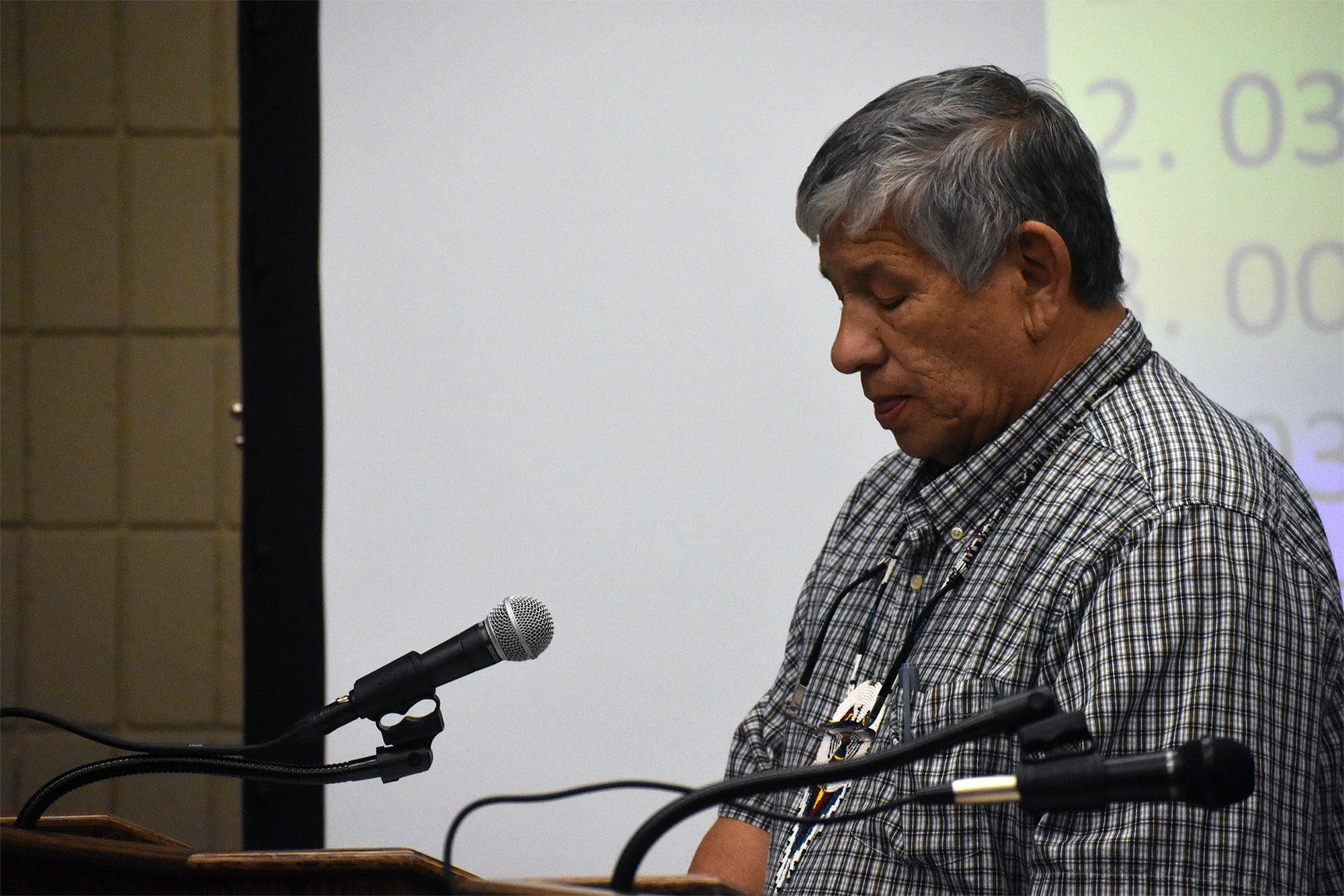
The hearing has resulted in weeks of testimony from the tribe, DNR and experts for Enbridge and environmental groups. During the tribe’s testimony, Bad River Tribal Chair Robert Blanchard brought asemaa, or tobacco, and items he referred to as medicines that are harvested from the reservation, saying cultural resources could be affected by a potential oil spill.
“We have an area within … the northern part of state where we do a lot of our gathering, our hunting and our fishing and feed our families,” Blanchard said. “Our way of life could be impacted by anything that happens.”
The project would cross close to 200 waterways and temporarily affect around 101 acres of wetlands in Ashland and Iron counties. Construction would include blasting bedrock and drilling in waterways and wetlands upstream from the reservation and internationally recognized wild rice beds. The tribe has argued the project could increase water temperatures, runoff and contamination.
“We reviewed the proposed project and evaluated the potential impacts and determined that the proposed project will affect the reservation waters, including water quality and uses provided by them,” Naomi Tillison, the tribe’s natural resources director, testified.
In her Sept. 15 testimony, Tillison said the project threatens to degrade waterways that include the Marengo River, which contributes the largest amount of sediment runoff to the Bad River. She said the DNR’s review failed to capture all affected wetlands and waterways and that previous Enbridge projects on the reservation have caused substantial wetland impacts despite permit conditions.
Enbridge expert Matt Horn, scientist with engineering firm Tetra Tech, testified Wednesday the project wouldn’t cause measurable increases or violations related to water temperatures, phosphorus, PFAS or sediment levels. He said the DNR had adequate data to assess water quality.
“I believe that the state of Wisconsin … has made appropriate conclusions that there is not going to be a water quality violation following construction activities related to the project,” Horn said.
The EPA concluded this year that data provided by the tribe didn’t show the project would harm the tribe’s water quality. During the Biden administration, the agency found the project may result in “substantial and unacceptable” impacts.
Experts testify on effects of blasting to water, wetlands
Enbridge proposes blasting along 7.8 miles of the project to install pipe, including across 2.6 acres of wetlands. Clean Wisconsin expert and geologist William Joseph Bonin testified Sept. 4 that blasting could have larger impacts than experts projected. He said that could have lasting effects on groundwater flow in an area of fractured bedrock.
“By changing the hydrology of the local groundwater system by construction, you can either intercept groundwater that is necessary for wetlands or springs that are outside of the right-of-way,” Bonin said, adding that may influence wells.
Even so, Enbridge expert Travis Davidsavor with Duluth-based Barr Engineering testified Wednesday that water would flow through existing fractures in the bedrock, adding any damage outside the excavation area would be nominal. He added that hydrological changes from blasting haven’t damaged wetlands.
“That’s simply because the damage to the rock mass from the blasting is so limited to the trench itself,” Davidsavor said.
Blasting could temporarily cloud water in nearby wells, Davidsavor said. Around 90 wells are located along the proposed new route. Enbridge expert Scott Storlid with engineering consultant Stantec testified that restoration of wetlands would take at least a decade and perhaps multiple decades. The company would address that temporary loss through wetland mitigation.
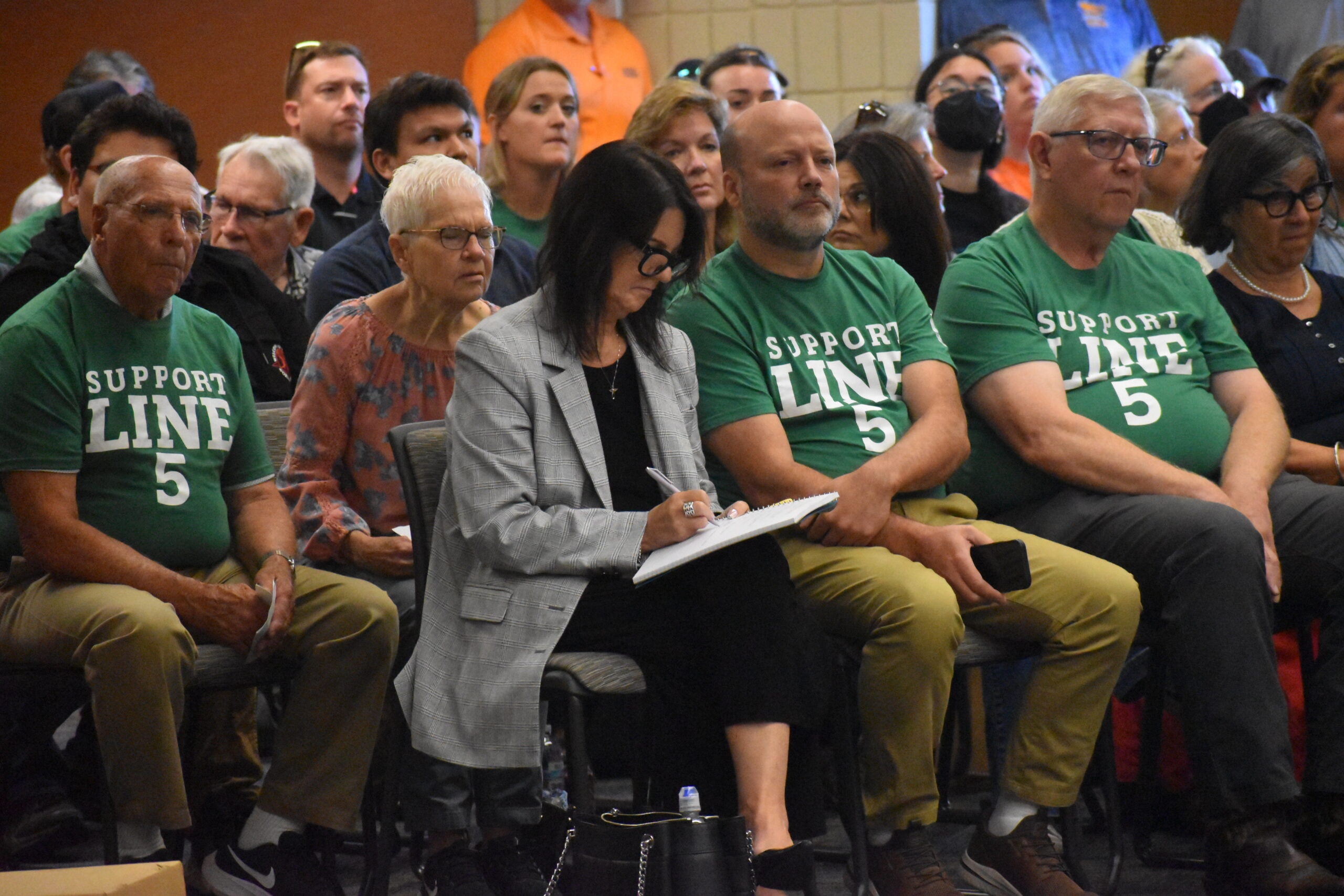
A DNR attorney testified the project is the most studied in the agency’s history, undergoing nearly four years of review. The agency maintains it properly applied the state’s stringent permitting standards in line with the law.
Enbridge spokesperson Juli Kellner said state permits include extensive environmental protections and restoration plans.
“The contested case is expected to be completed this year regarding state permits, with the receipt of federal permits and construction starting soon after,” Kellner said. “The project will generate millions of dollars in construction spending in local communities and create 700 family-supporting union jobs.”
Supporters have touted the project’s roughly $135 million economic impact and voiced concerns about the potential for a propane shortage if the reroute doesn’t move forward.
Opponents say Enbridge has a track record of spills on Line 5 and other pipelines, including a 2010 spill that released more than 1.2 million gallons of oil into Michigan’s Kalamazoo River. Enbridge has also paid millions tied to four aquifer breaches on the Line 3 replacement in Minnesota that released hundreds of millions of gallons of groundwater.
The hearing is the latest battle in a yearslong challenge to Enbridge’s Line 5 pipeline that carries up to 23 million gallons daily from Superior to Sarnia, Ontario. The tribe sued Enbridge to remove Line 5 from tribal lands after pipeline easements expired on roughly a dozen miles of pipe crossing the reservation.
In 2023, a federal judge ordered Enbridge to pay the tribe $5.15 million for trespassing on tribal lands where easements expired and reroute or shut down its Line 5 pipeline on the reservation by June 2026. Both the tribe and the company are appealing that decision in the 7th U.S. Circuit Court of Appeals, and a ruling is still pending.
An administrative law judge is expected to issue a final decision in the case, which the DNR may accept or appeal in state court. Groups may also appeal the decision.

Wisconsin Public Radio, © Copyright 2026, Board of Regents of the University of Wisconsin System and Wisconsin Educational Communications Board.