Environmental groups argue a federal permit issued for Enbridge’s Line 5 reroute is unlawful due to an ongoing legal challenge. Labor unions and business groups hailed the approval.
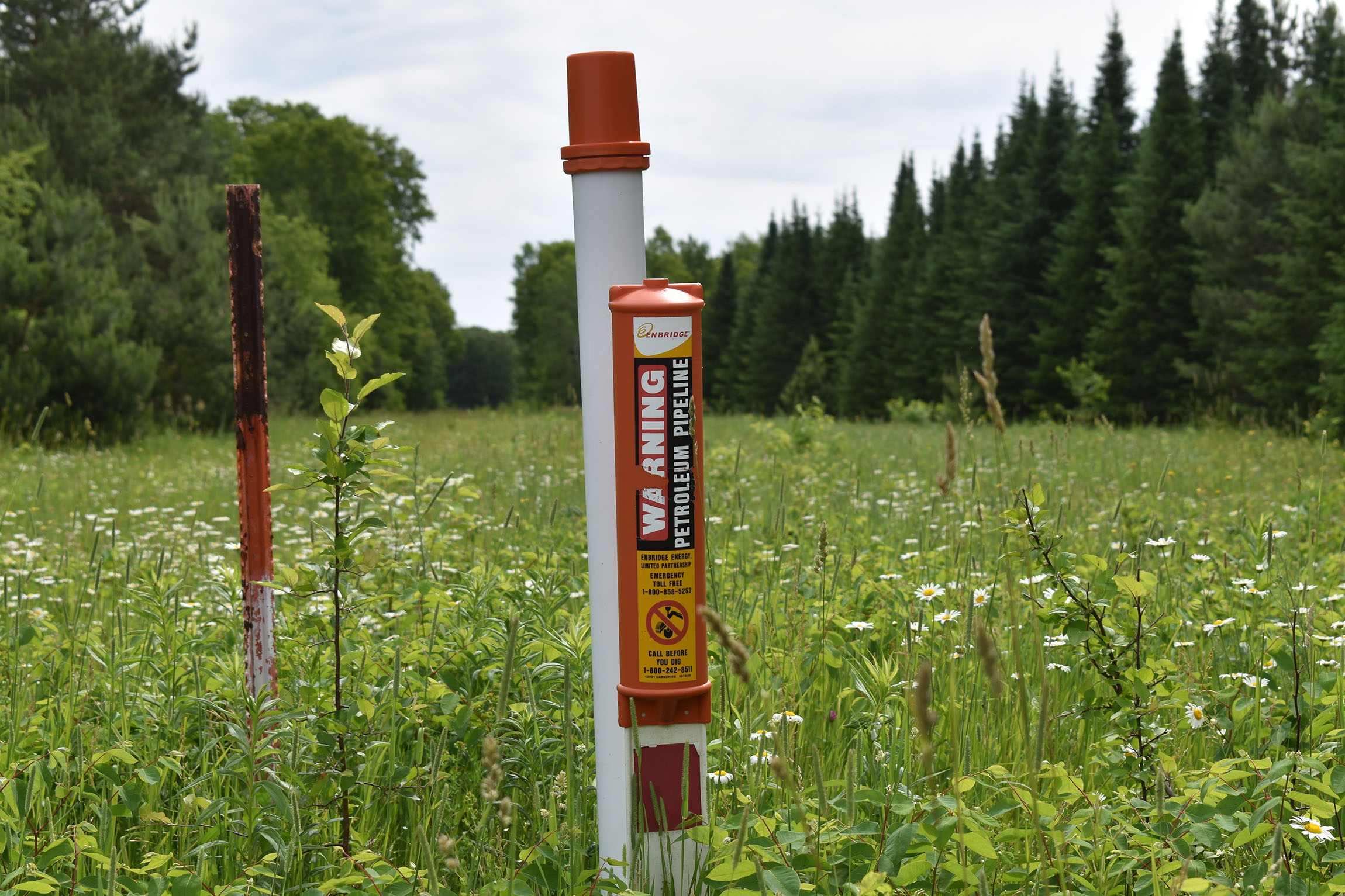
The U.S. Army Corps of Engineers issued a federal permit Wednesday to Enbridge for its proposed Line 5 reroute around the Bad River tribe’s reservation. The company is proposing a $450 million plan to build a new 41-mile segment of the oil and gas pipeline after the tribe sued Enbridge in 2019 to shut down and remove Line 5 from its lands.
That permitting decision comes as the federal government remains shut down, and no documents were made available by the agency in its decision.
News with a little more humanity
WPR’s “Wisconsin Today” newsletter keeps you connected to the state you love without feeling overwhelmed. No paywall. No agenda. No corporate filter.
Environmental groups Midwest Environmental Advocates and Clean Wisconsin say it’s too soon to issue a permit, calling the agency’s decision “unlawful.” Tony Wilkin Gibart, MEA executive director, criticized the Army Corps for issuing the permit to a foreign company without releasing its details to the public. He added that legal action by the tribe and groups to block state permits for the project remain ongoing.
“It’s a violation of federal law for the Army Corps to grant these permits before a final state water quality certification,” Wilkin Gibart told WPR.
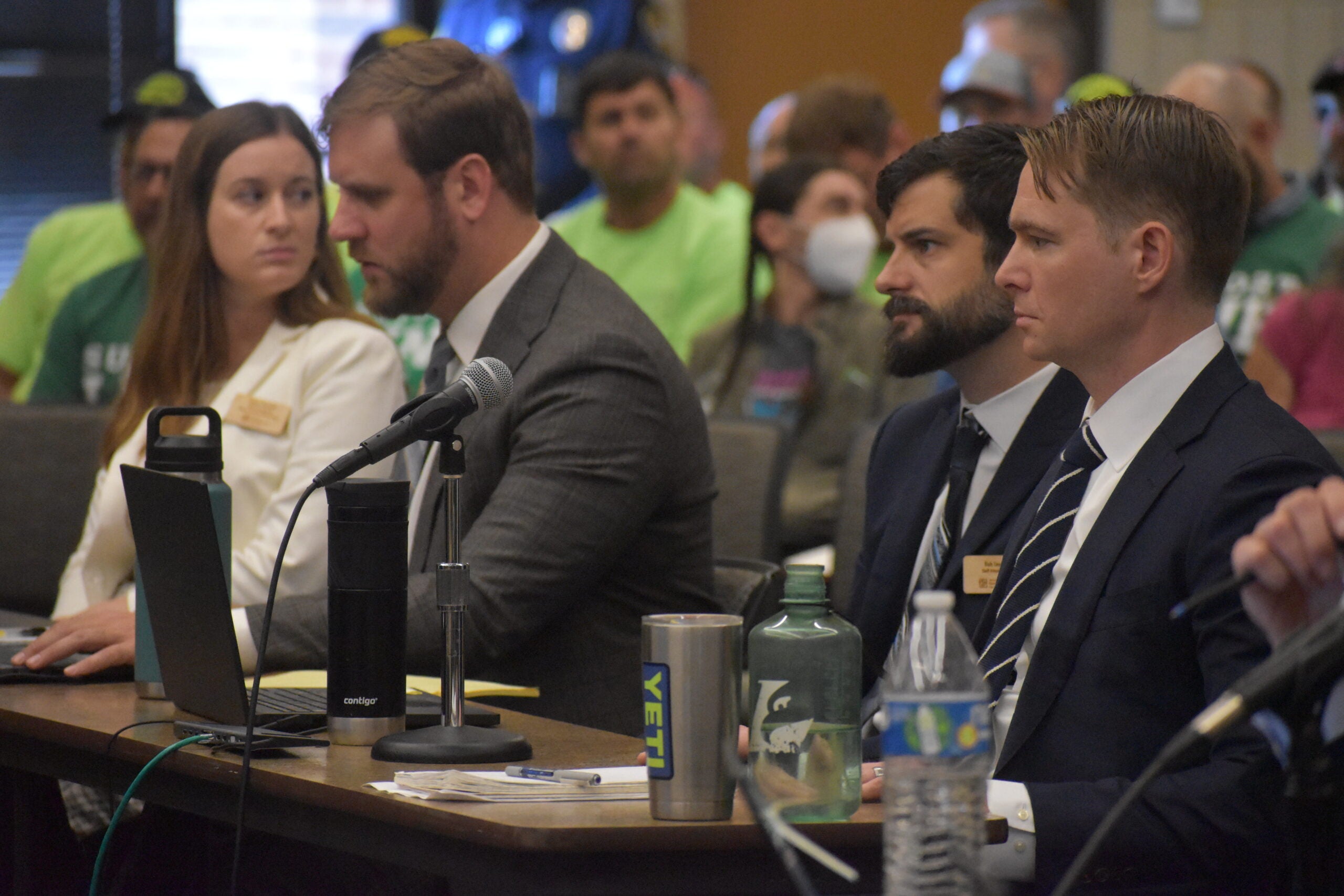
The Wisconsin Department of Natural Resources issued the certification last year, but Wilkin Gibart said it’s not final under Wisconsin law due to the ongoing challenge. Groups stress construction can’t begin until the contested case hearing challenging state permits for the project is resolved. A decision is still pending as groups prepare final briefs in the case.
Enbridge spokesperson Juli Kellner said in a statement that the company expects a decision on the challenge by the end of the year.
“We’re confident state permits will soon be confirmed,” Kellner said. “Once that occurs, Enbridge expects the U.S. Army Corps of Engineers’ Proffered Permit to be signed and finalized, allowing construction to move forward.”
The project would cross close to 200 waterways and affect around 101 acres of wetlands in Ashland and Iron counties. Construction would include blasting bedrock and drilling in waterways and wetlands upstream from the reservation and internationally recognized wild rice beds.
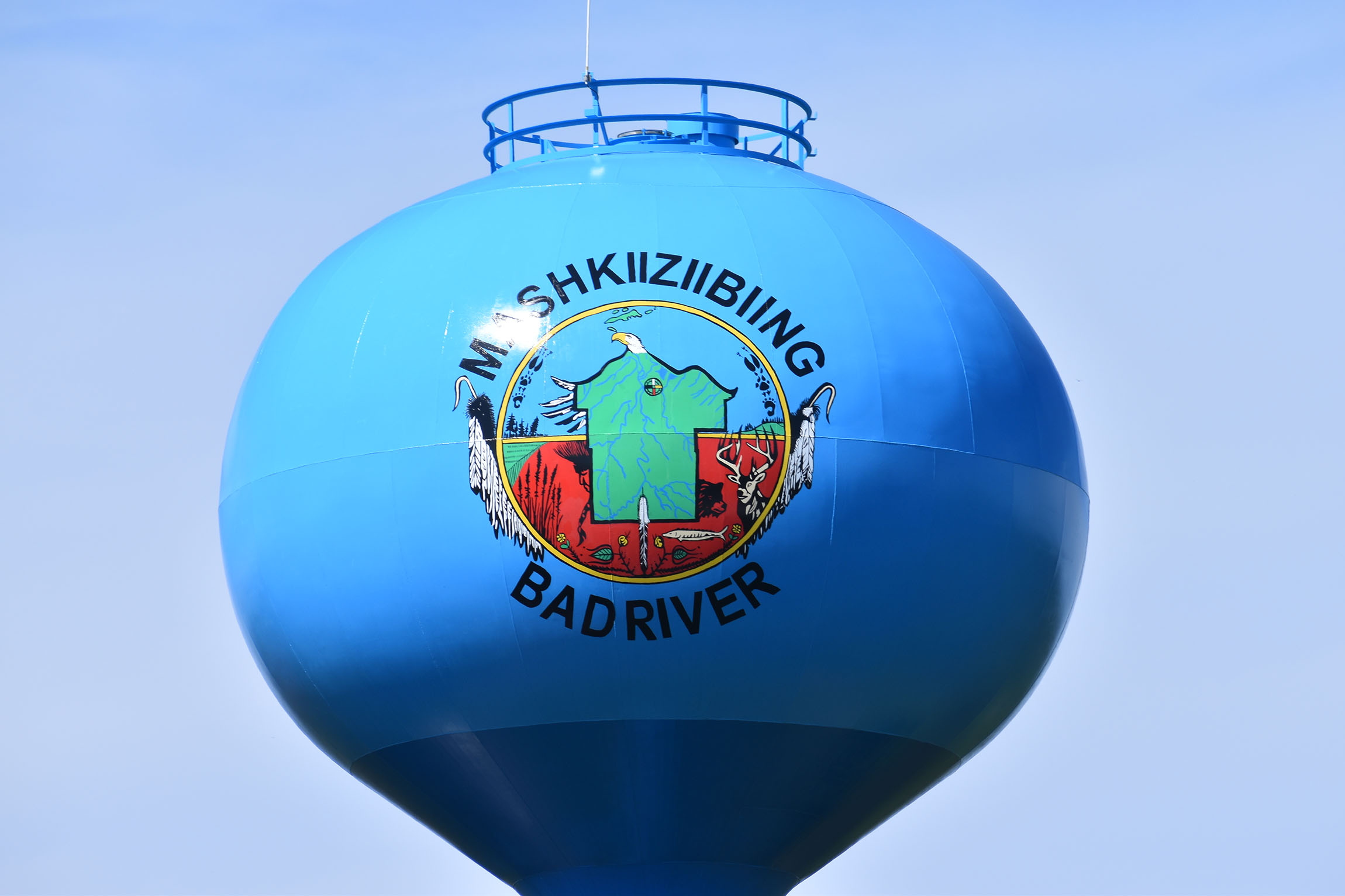
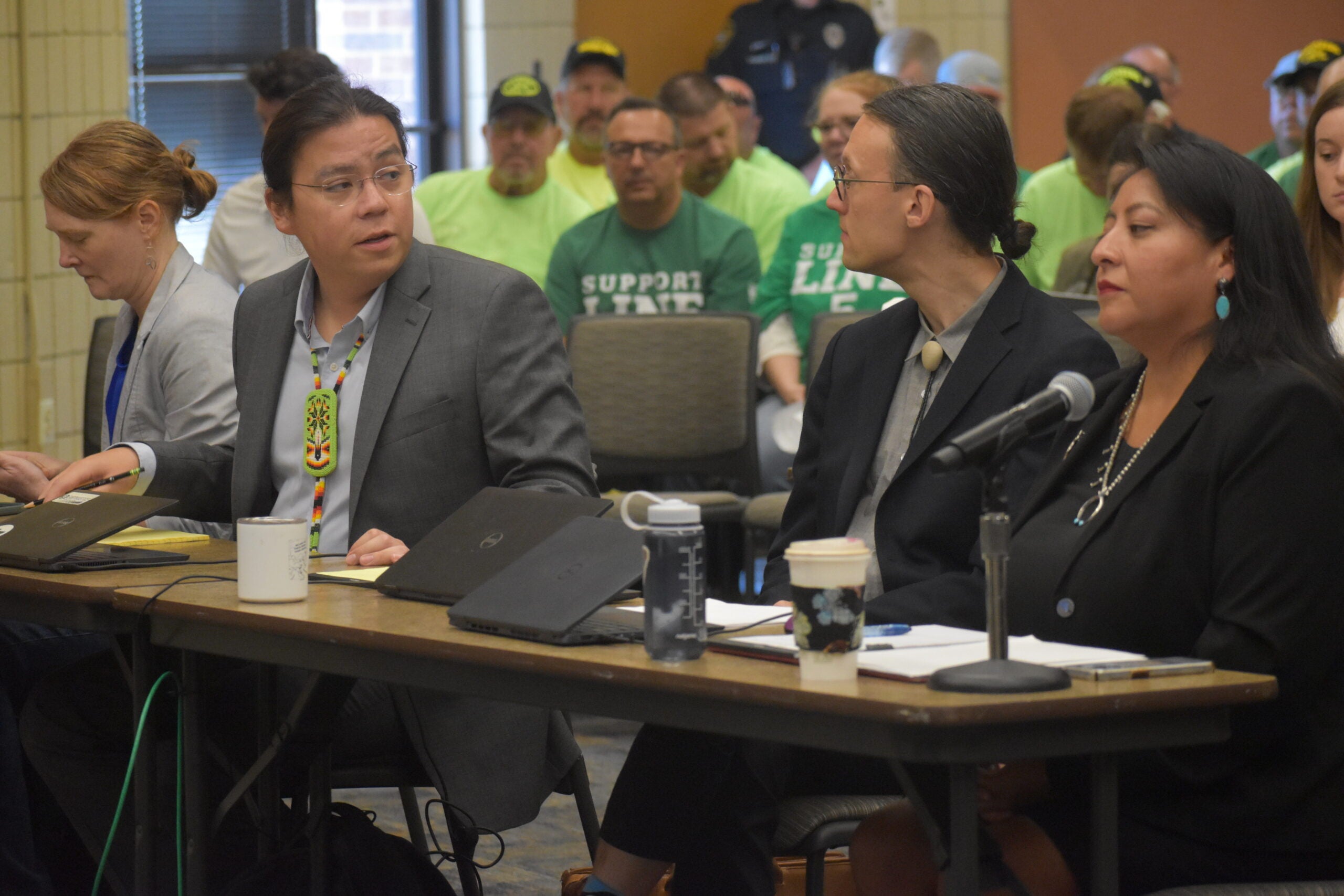
Bad River Tribal Chair Robert Blanchard didn’t immediately respond to a request for comment. Gussie Lord, an Earthjustice attorney representing the tribe, called the Army’s decision shortsighted.
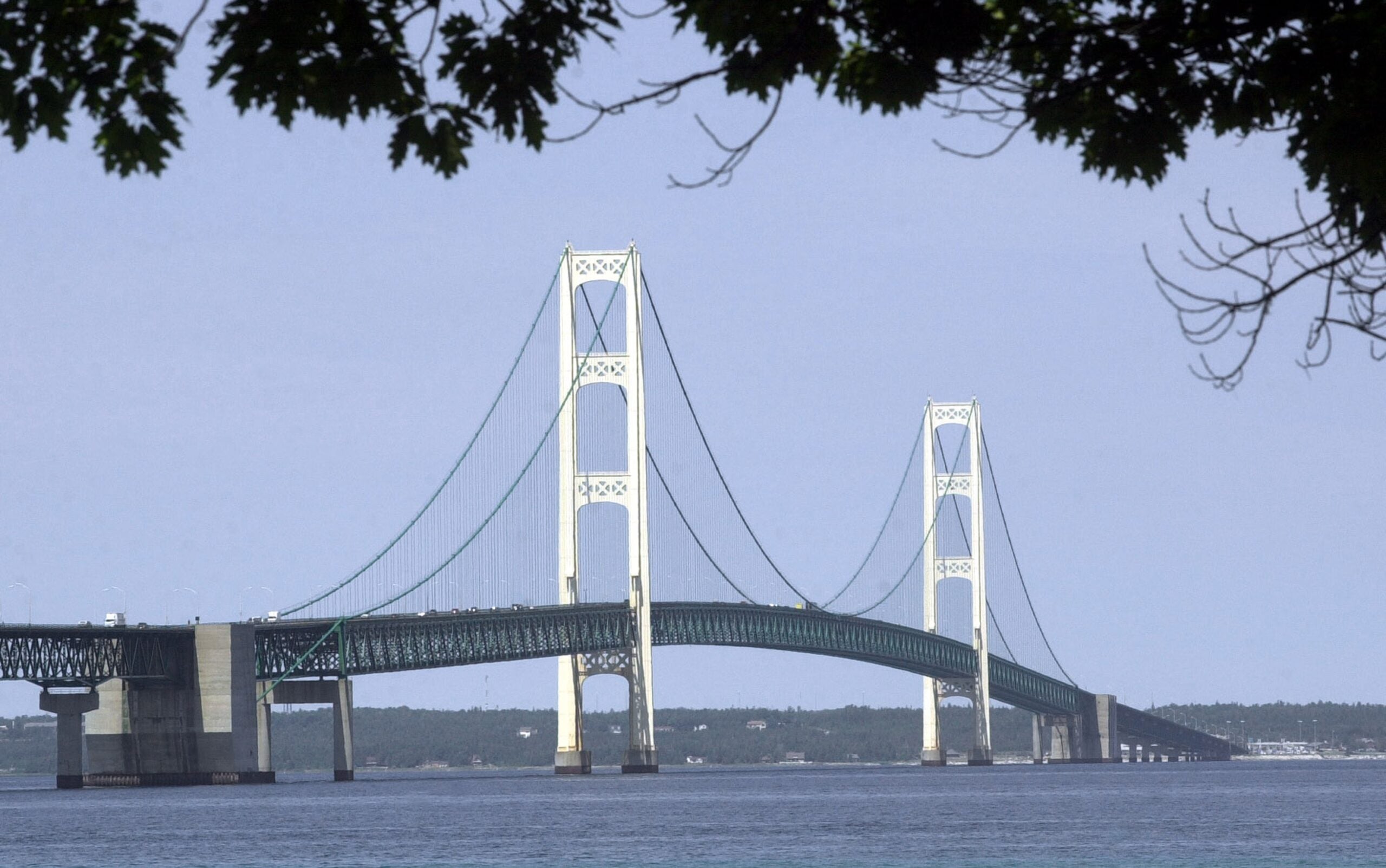
“We think it’s really important to protect the Great Lakes for future generations. We know that wetland ecosystems work to provide habitat and protect the watershed and protect homes from flooding,” Lord said. “(Line 5) is an aging piece of infrastructure. It’s outlived its useful life, and it doesn’t belong running through the heart of the greatest freshwater system in North America.”
Supporters of the project, including labor unions and farm groups, said the Army Corps permit is a key milestone for Line 5, which carries up to 23 million gallons of oil and natural gas liquids daily. They’ve touted the 700 jobs that would be created through the project and its roughly $135 million economic impact, including Corey Gall, president of the Wisconsin Pipe Trades Association.
“By our nature, we go from job to job and follow the work, so they’re not temporary jobs. They’re careers,” Gall said. “Many of these men and women who work these pipeline jobs often travel far from home (and) out-of-state. It would be great to have another project within our state that would keep all these folks working close to home.”
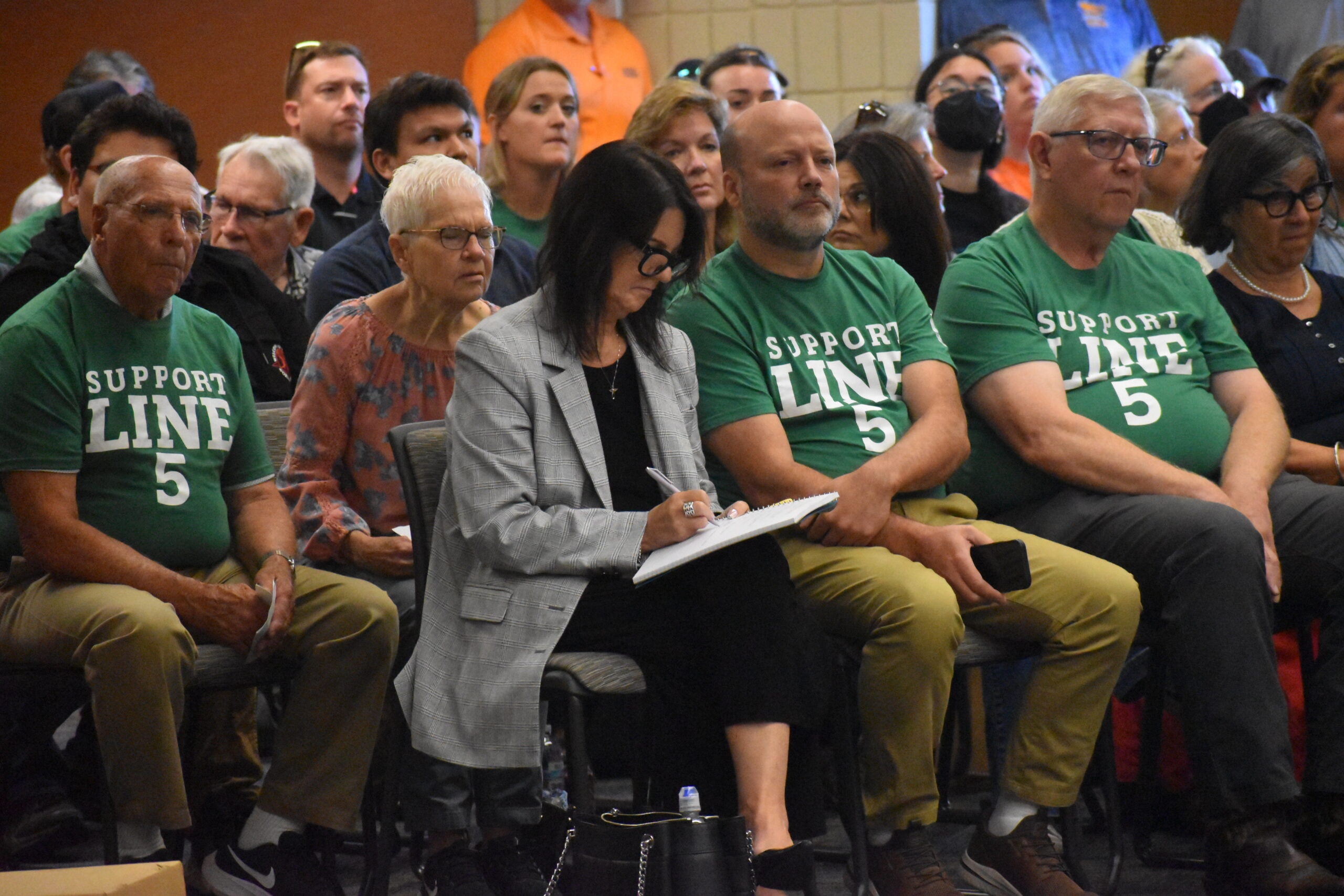
He estimated 300 or more pipeline welders or workers in Wisconsin may be working on the project during peak construction. Groups like the Dairy Business Association thanked the Corps for its decision, saying they feared price hikes or a propane shortage if Line 5 were shut down.
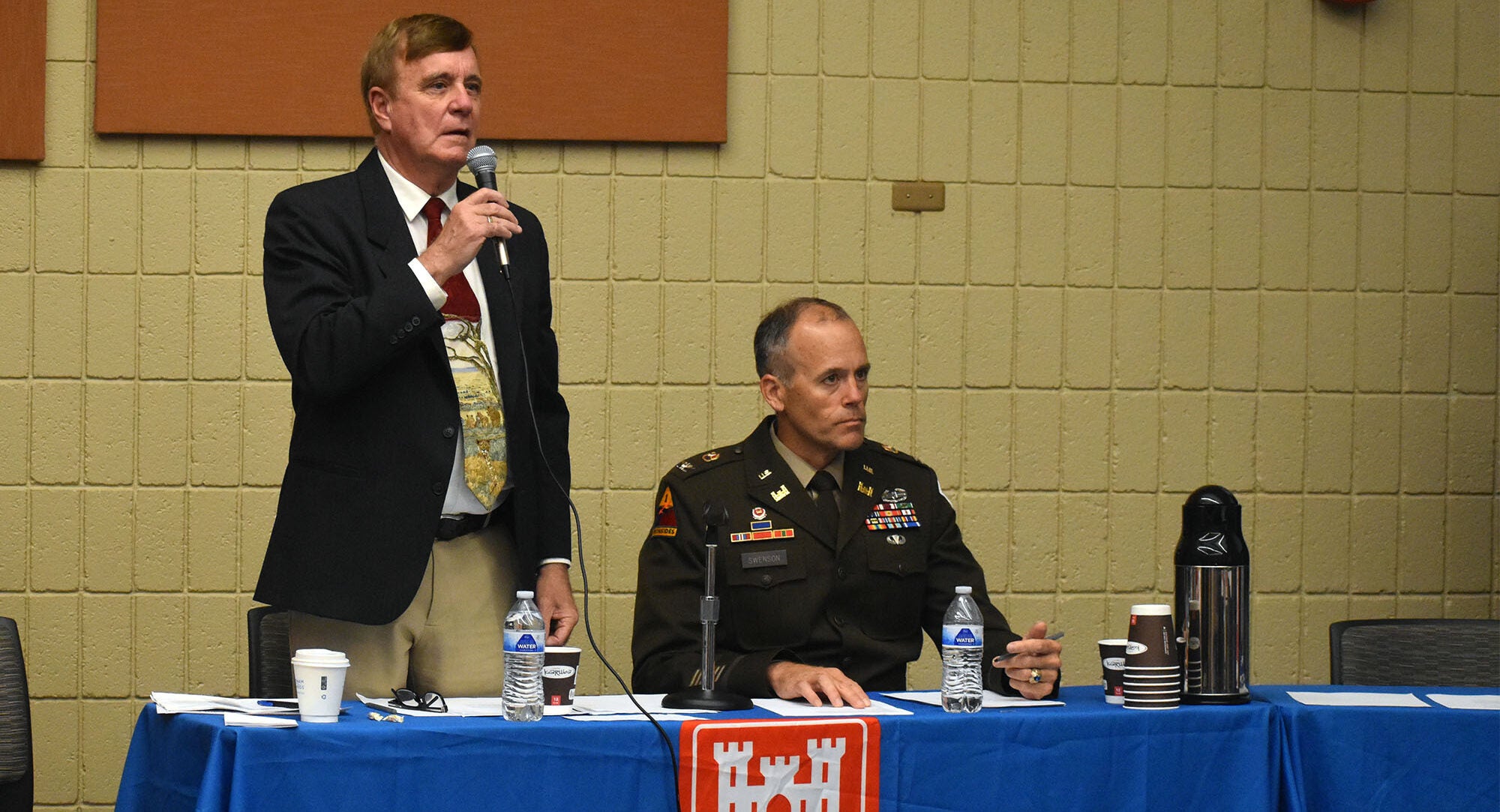
The Army Corps of Engineers had been reviewing Enbridge’s application for a permit under the Clean Water Act since 2020. A Corps official said the decision Wednesday would advance President Donald Trump’s energy agenda.
A decision on the contested case hearing is expected by the end of the year.

Wisconsin Public Radio, © Copyright 2026, Board of Regents of the University of Wisconsin System and Wisconsin Educational Communications Board.