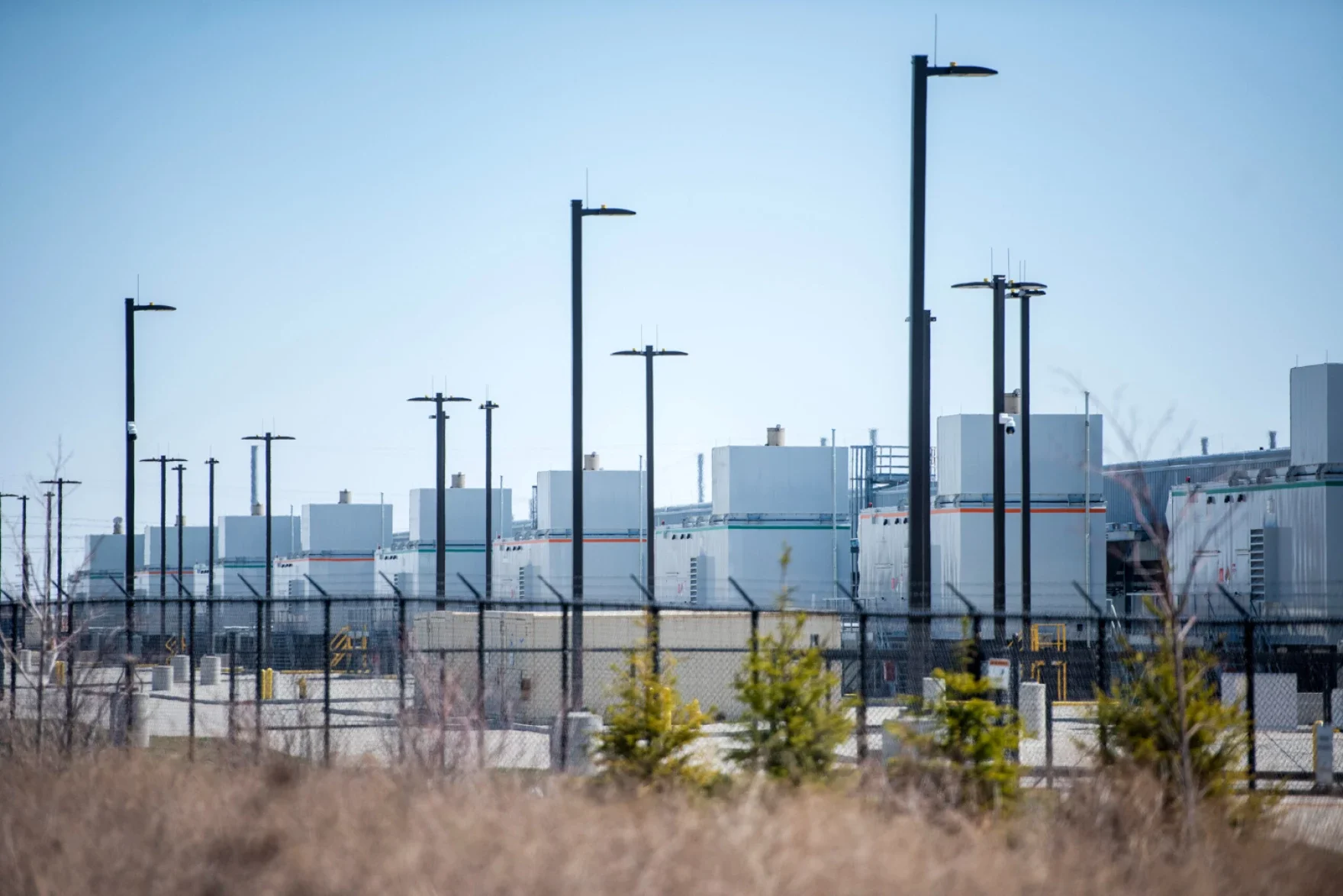
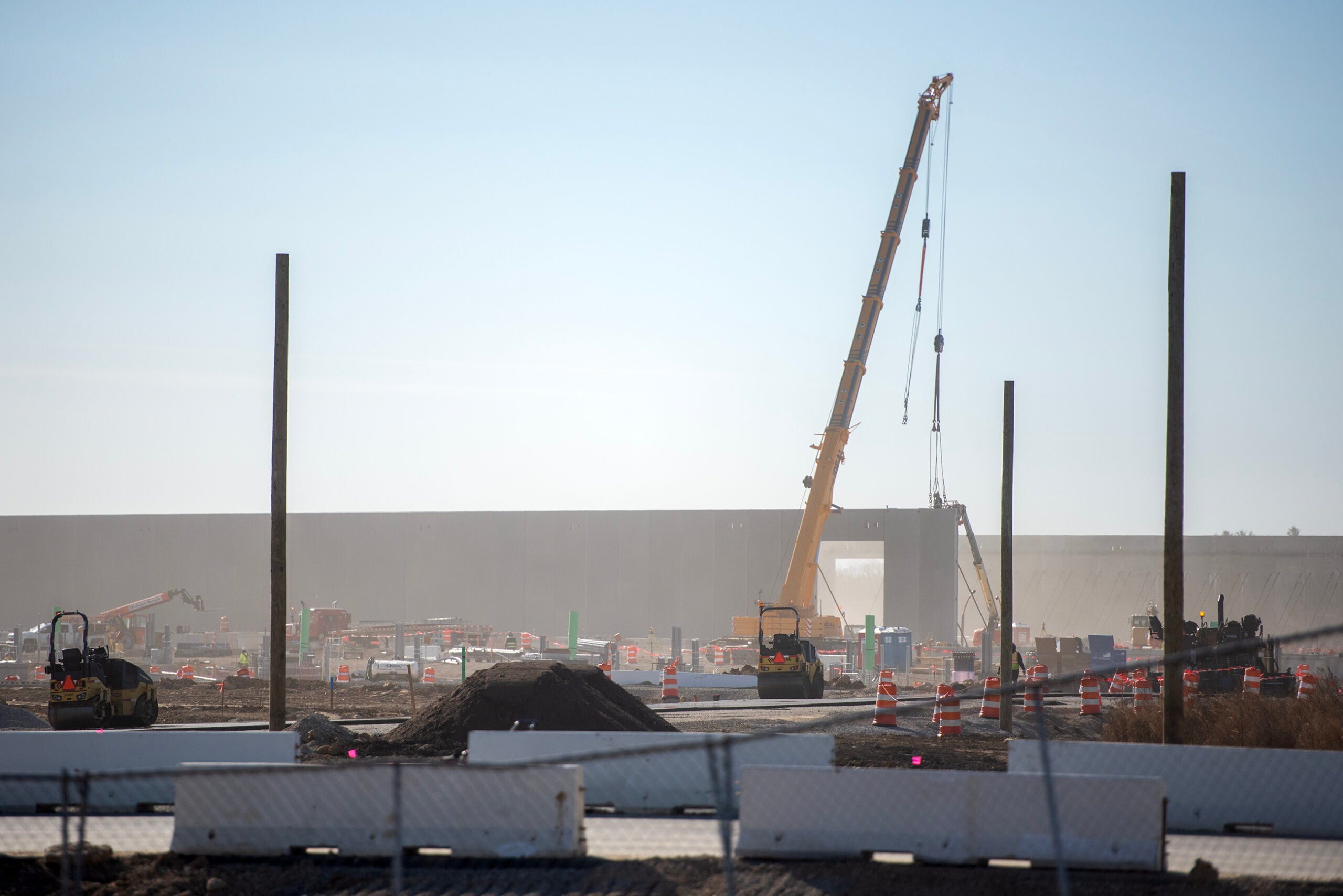
Spiking energy demand driven by data center development could lead to between $113 billion and $130 billion in total electricity system costs for Wisconsin by 2050, while increasing the state’s reliance on fossil fuels.
That’s according to a new report from the nonprofit advocacy group Union of Concerned Scientists, which looked at the potential impacts of data center development in Wisconsin.
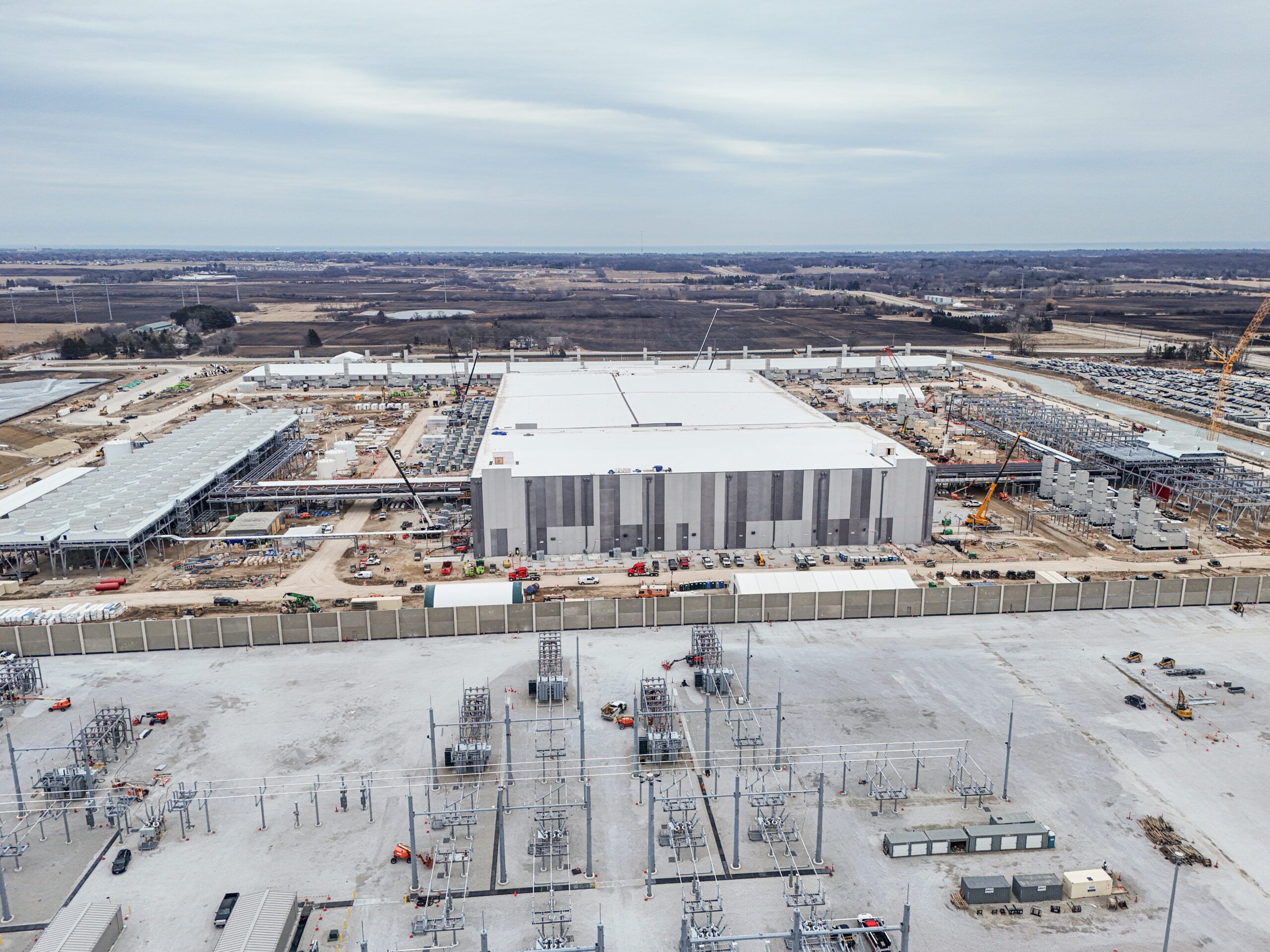
It comes as the Badger State is experiencing a boom in the development of data center campuses in communities like Mount Pleasant, Port Washington and Beaver Dam. Microsoft just announced plans to build another 15 more data centers in Mount Pleasant as part of two new campuses worth more than $13 billion.
News with a little more humanity
WPR’s “Wisconsin Today” newsletter keeps you connected to the state you love without feeling overwhelmed. No paywall. No agenda. No corporate filter.
Maria Chavez, the report’s author and an energy analyst at the Union of Concerned Scientists, said it’s hard to get a “real solid idea” of what the impacts of data centers are going to be because often companies label their projected energy usage as “proprietary information.”
“There is just still not a ton of information that provides this sort of level of certainty about exactly what development of data centers is going to look like in the near or long term, and a lot of this is due to just a lack of transparency,” she said.
The report included projections for both medium and high demand growth scenarios. Total electricity demand in Wisconsin could grow by 29 percent by 2030 under the medium demand growth scenario, or 33 percent in the high demand growth case.
Data centers are the biggest driver of that expected growth, accounting for between 68 and 72 percent between 2025 and 2030, the report states.
If the state continues under its current policies, total costs to Wisconsin’s electricity system from 2026 to 2050 could total $113 billion under a medium growth scenario and $130.2 billion under a high growth scenario, the report says.
Of those total system-wide costs, data centers account for $30 billion and $47 billion, respectively, according to the report. All other costs to the energy system in both scenarios were $83 billion.
Separately, a recent analysis from the nonprofit Clean Wisconsin, one of the state partners that helped on the Union of Concerned Scientists report, found that the data center campuses in Mount Pleasant and Port Washington would need more energy than all of the homes in Wisconsin.
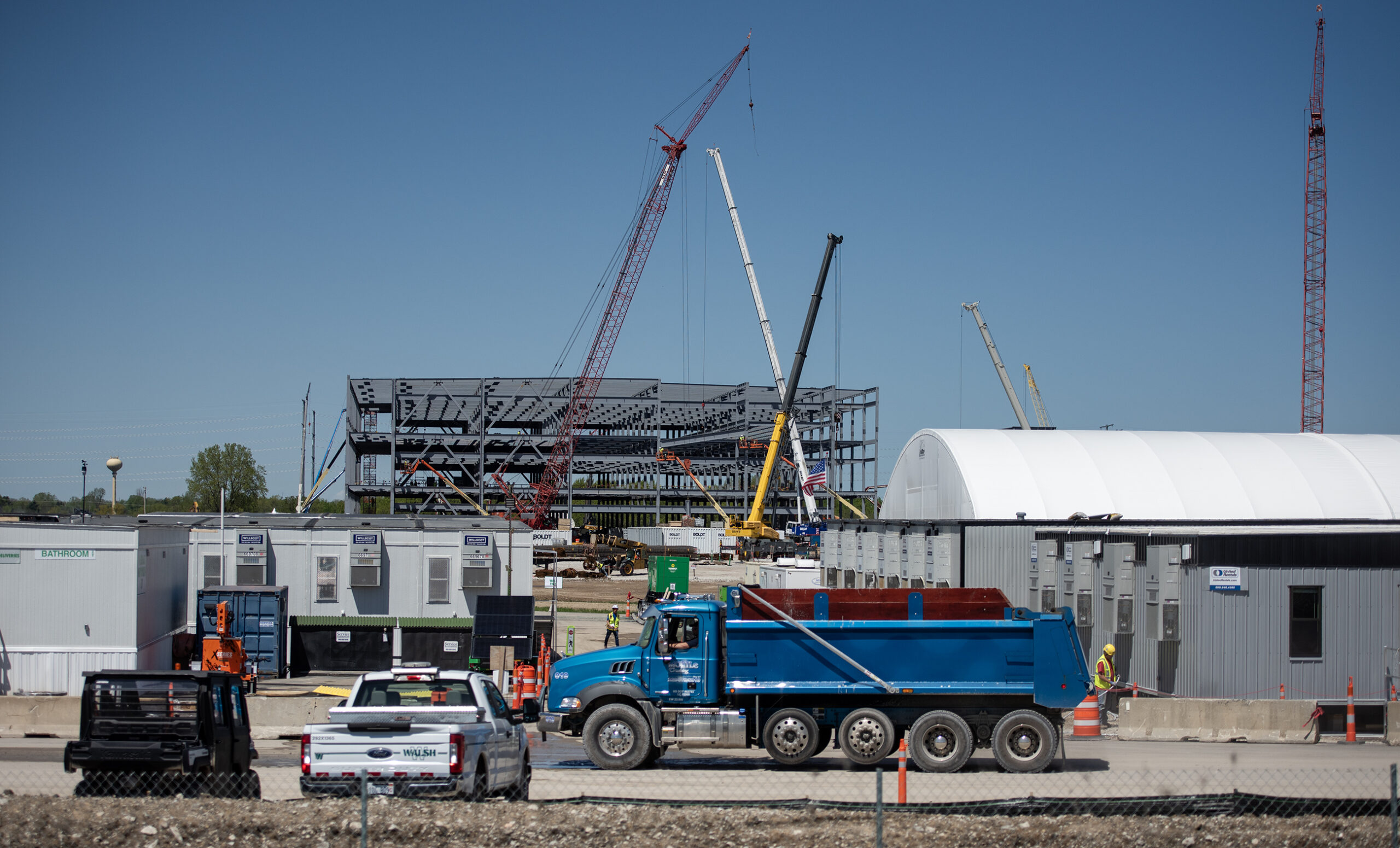
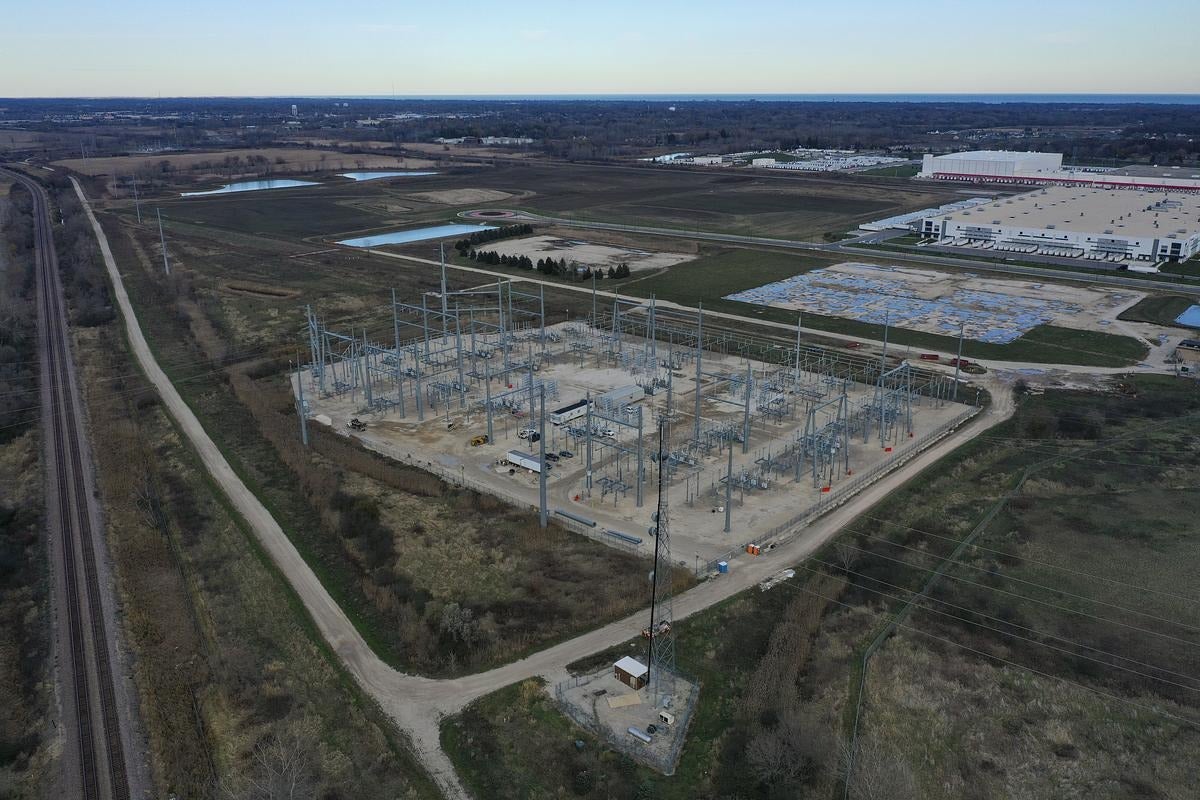
Amy Barrilleaux, a spokesperson for Clean Wisconsin, said utilities are already working to meet that demand with new fossil fuel power plants, pointing to We Energies getting state approval to build natural gas plants in Oak Creek and the town of Paris in Kenosha County.
“The harms are already happening,” she said. “We cannot, as a state, accommodate these data centers and then build a bunch of fossil fuel infrastructure, a bunch of gas burning power plants, (and) keep coal plants online to meet that demand.”
Under current policies, the Union of Concerned Scientists report anticipates that data center demand will create an overreliance on fossil fuels and the continued use of coal and natural gas, which together could account for 70 percent of the state’s electricity generation by 2050.
The increase in fossil fuels to power data centers could result in more than 41 million tons of carbon dioxide emissions between 2026 and 2035 and more than 130 million tons of CO2 from 2026 to 2050, the report says.
“One hundred thirty million cumulative tons of CO2 is about the same as what the entire residential sector has been responsible for over the last 15 years,” Chavez said. “That’s pretty astounding because we’re talking about just one industry here up against entire sectors of the state’s economy.”
To protect Wisconsin ratepayers, the report recommends that state lawmakers introduce legislation that would require regulators and utilities perform integrated resource planning, a method of planning for future needs in the energy system.
That would require utilities to be transparent about their investment plans and detail how they expect to meet new demand.
“Integrated resource planning allows the state to have a roadmap into the future for planning its energy resources,” Chavez said. “That’s important for a number of reasons. One of them being that we’re not just having to sort of day-by-day decide what’s the best option right now.”
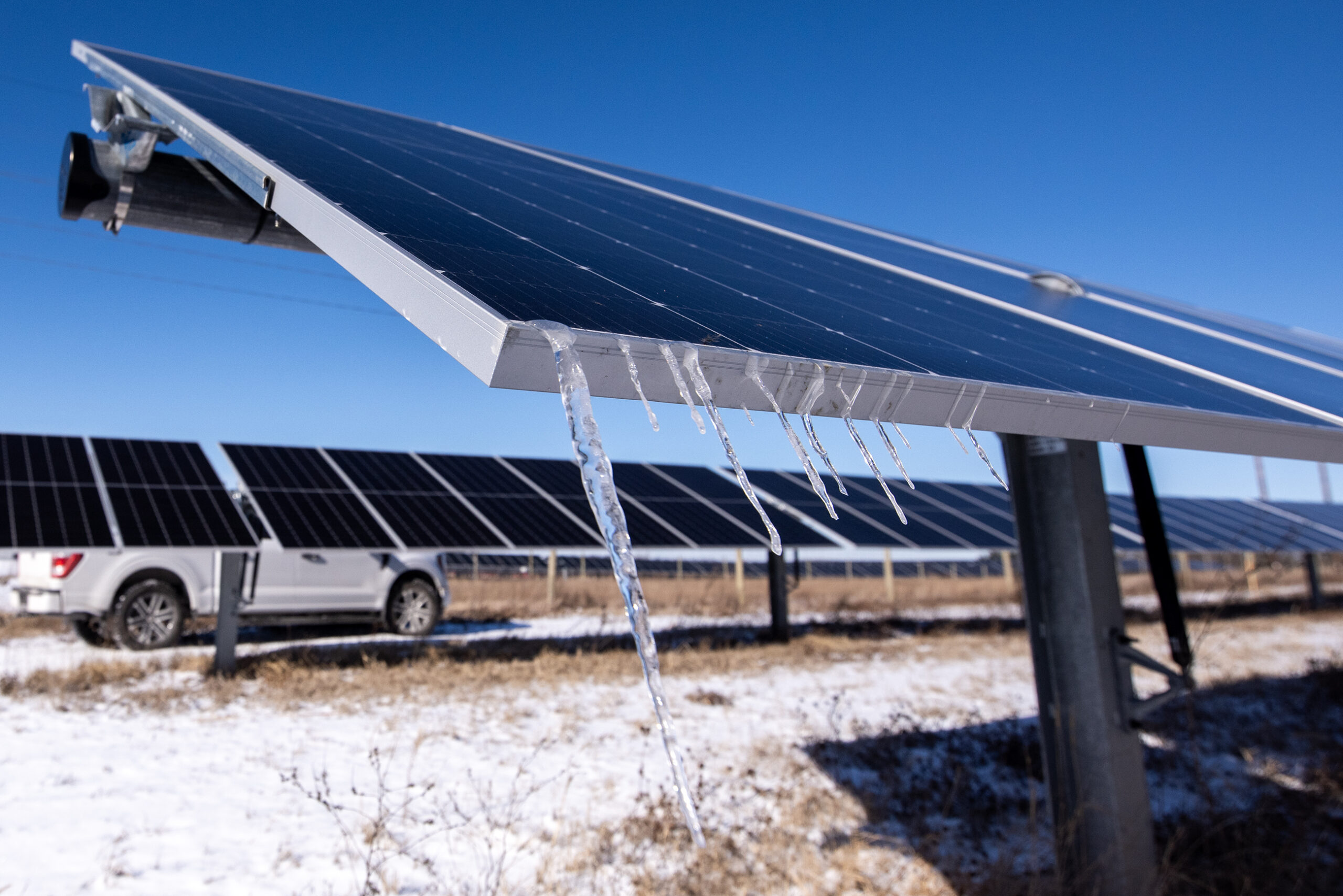
The report also recommends designing energy legislation that supports renewable energy and directs the state to lower carbon emissions, as well as recommending the state require data center developers to be transparent about their energy needs and plans to meet those needs with clean energy.
It also recommends that state regulators direct utilities to protect ratepayers from higher electricity costs from data centers.
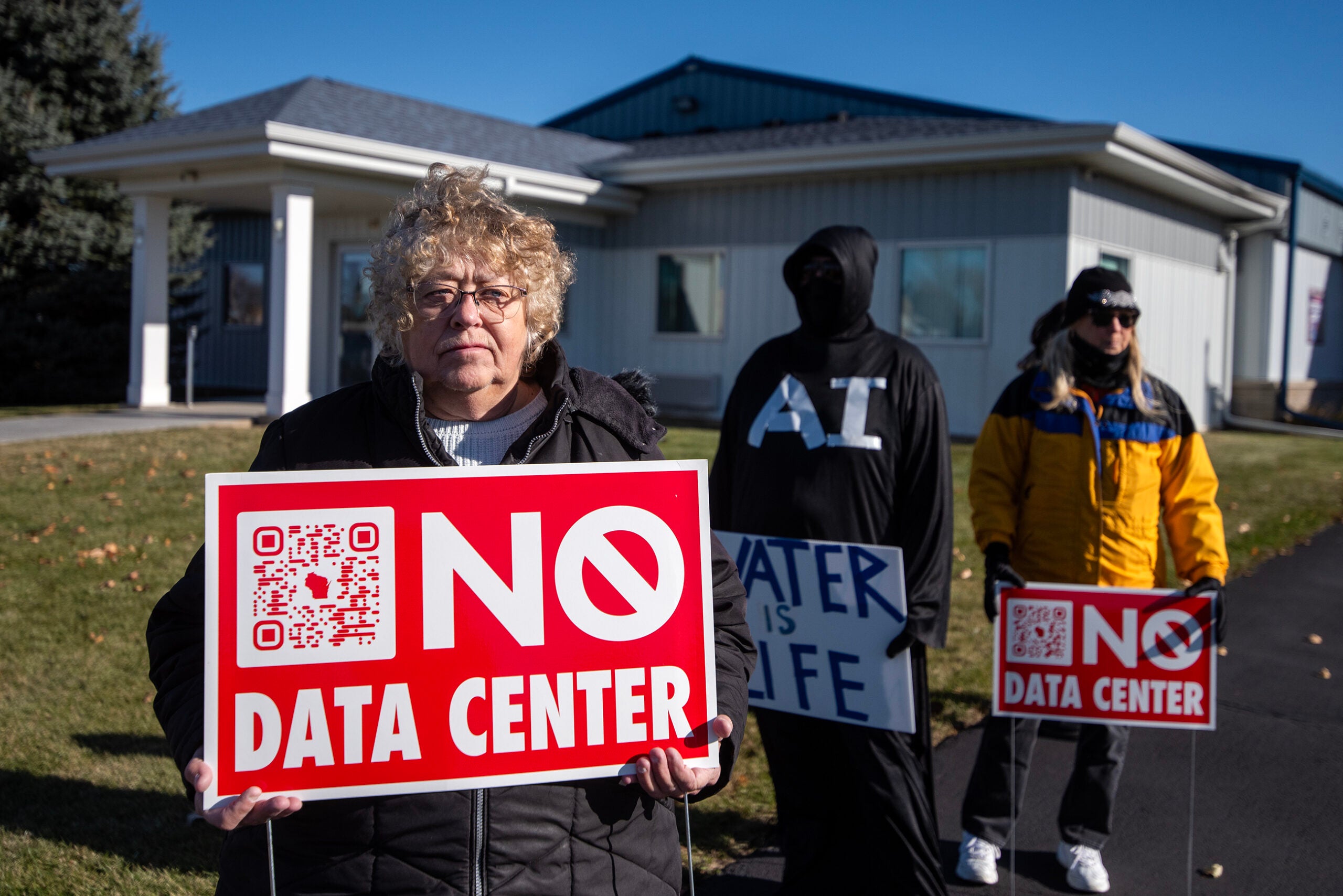
There have been a pair of proposals in the state Legislature to regulate data centers. One from Republicans and one from Democrats.
The GOP bill, which passed in the Assembly this week, requires data centers that wish to rely on renewable energy to source those projects on-site. The Democratic bill would require data centers to use 70 percent renewable energy in order to receive a sales and use tax exemption.
Barrilleaux with Clean Wisconsin said the Republican bill is restrictive to renewable energy. She said both are “first attempts” by lawmakers to respond to pushback against data centers.
“The fact that you see competing bills in the Legislature should be really interesting because it shows that people are angry, and that our lawmakers are hearing it,” she said. “It doesn’t matter what side of the aisle you’re on, you’re hearing it. People are worried. They don’t want to pay one cent more for a data center to be in their community.”

Wisconsin Public Radio, © Copyright 2026, Board of Regents of the University of Wisconsin System and Wisconsin Educational Communications Board.