A proposal to establish certain reporting, water recycling and utility rate requirements for data centers moved forward in the Wisconsin Assembly Tuesday, as communities across the state grapple with proposed developments and ensuing strains on energy and water levels.
The measure, which would require data centers, not consumers, to pay for related improvements to the state power grid, passed almost on party lines, with mostly Republicans in favor, and mostly Democrats opposed.
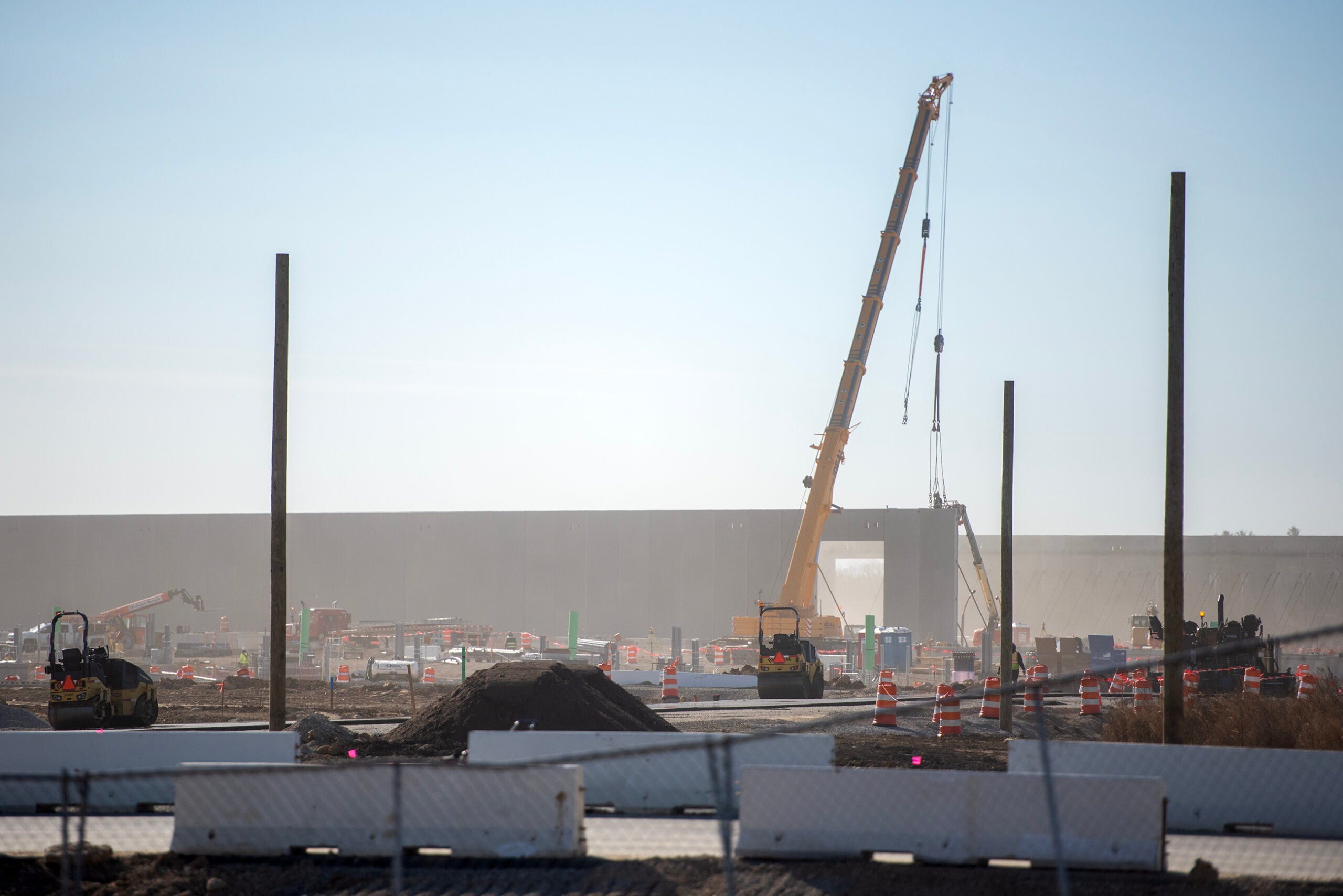
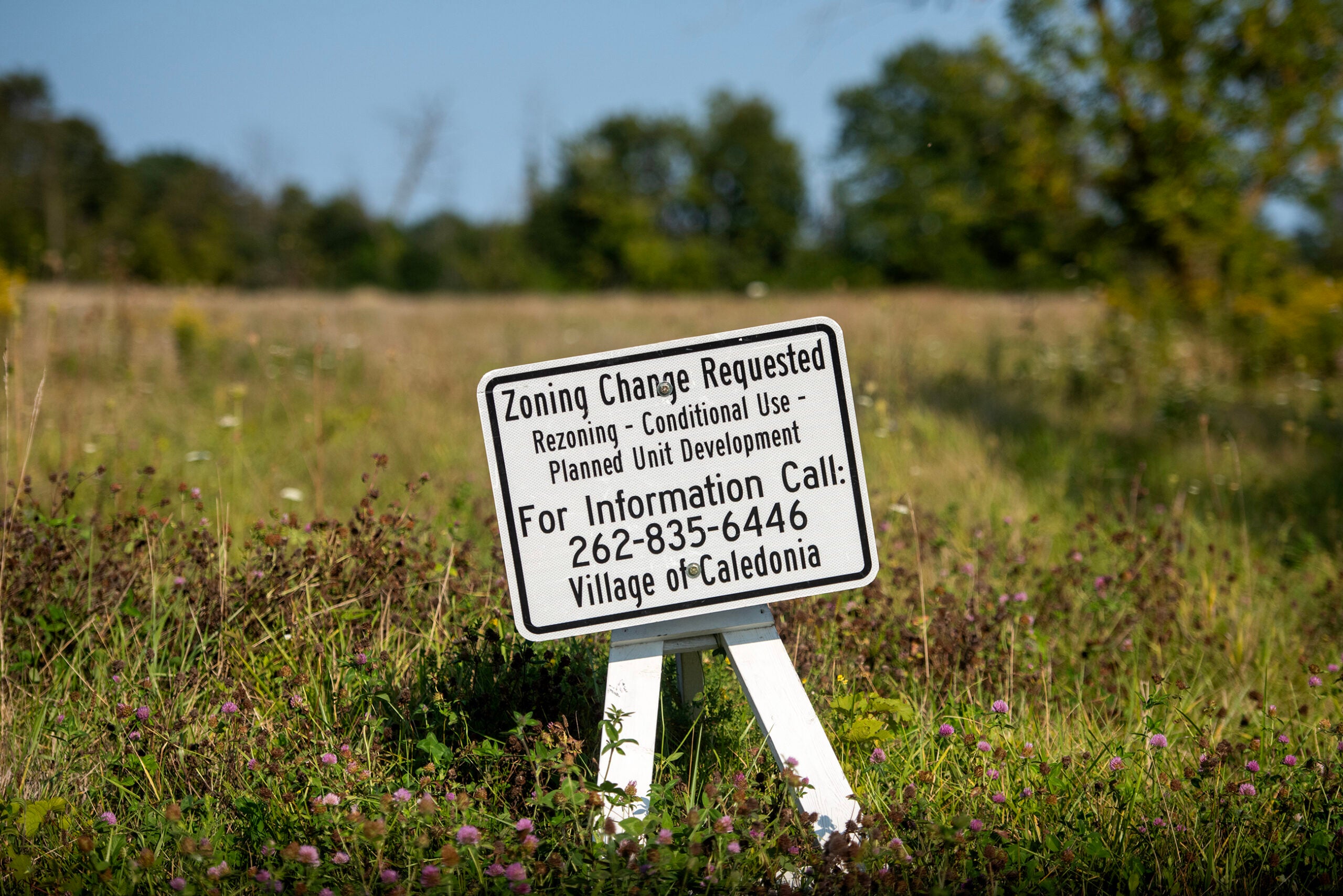
Those in favor described the bill as supporting economic development in the state. Rep. Robert Wittke, R-Caledonia, represents an area that has seen robust debate over a now-scrapped data center proposal from Microsoft. He said the state’s role is to open the door for industry.
News with a little more humanity
WPR’s “Wisconsin Today” newsletter keeps you connected to the state you love without feeling overwhelmed. No paywall. No agenda. No corporate filter.
“People here believe that we should have the heavy hand of government dictate what kind of rate that this company should basically have, instead of allowing arm’s length negotiation between the PSC and Microsoft to decide what is … the burden of their cost to have,” said Wittke.
Opponents described the measure as woefully insufficient and rushed through the legislative process.
Rep. Angela Stroud, R-Ashland, said the bill is “severely underdeveloped” and “an embarrassment.” She argued that concerns over how fast AI technology is developing, the impact on people’s energy bills and property values, and risks to the environment are not reflected in the legislation.
“There’s nothing efficient about poorly constructed legislation when it causes problems on the back end, which is why it is our responsibility to do the work of due diligence and get it right,” said Stroud.
As written, the bill would require the Public Service Commission to ensure customers are not on the hook for “costs associated with the construction or extension of electric infrastructure” serving a data center. It also requires data centers to recycle the water they use to cool computer equipment and report their water usage to the Department of Natural Resources.
It also states that, if a data center project doesn’t reach completion, the owner must restore the land to its previous state.

The GOP bill also says if the data center wishes to rely on renewable energies, the source must be on the property of the data center.
That’s to prevent people who “don’t want to live across from a solar field paying for somebody else’s power needs,” said Assembly Speaker Robin Vos, R-Rochester.
Rep. Angelito Tenorio, D-West Allis, described that provision as “one of the worst parts of this bill.”
“Instead of requiring data centers to add new renewable capacity to the grid, this bill makes it harder. Instead of reducing emissions, it locks data centers into dirtier, more expensive fossil fuels,” he said.
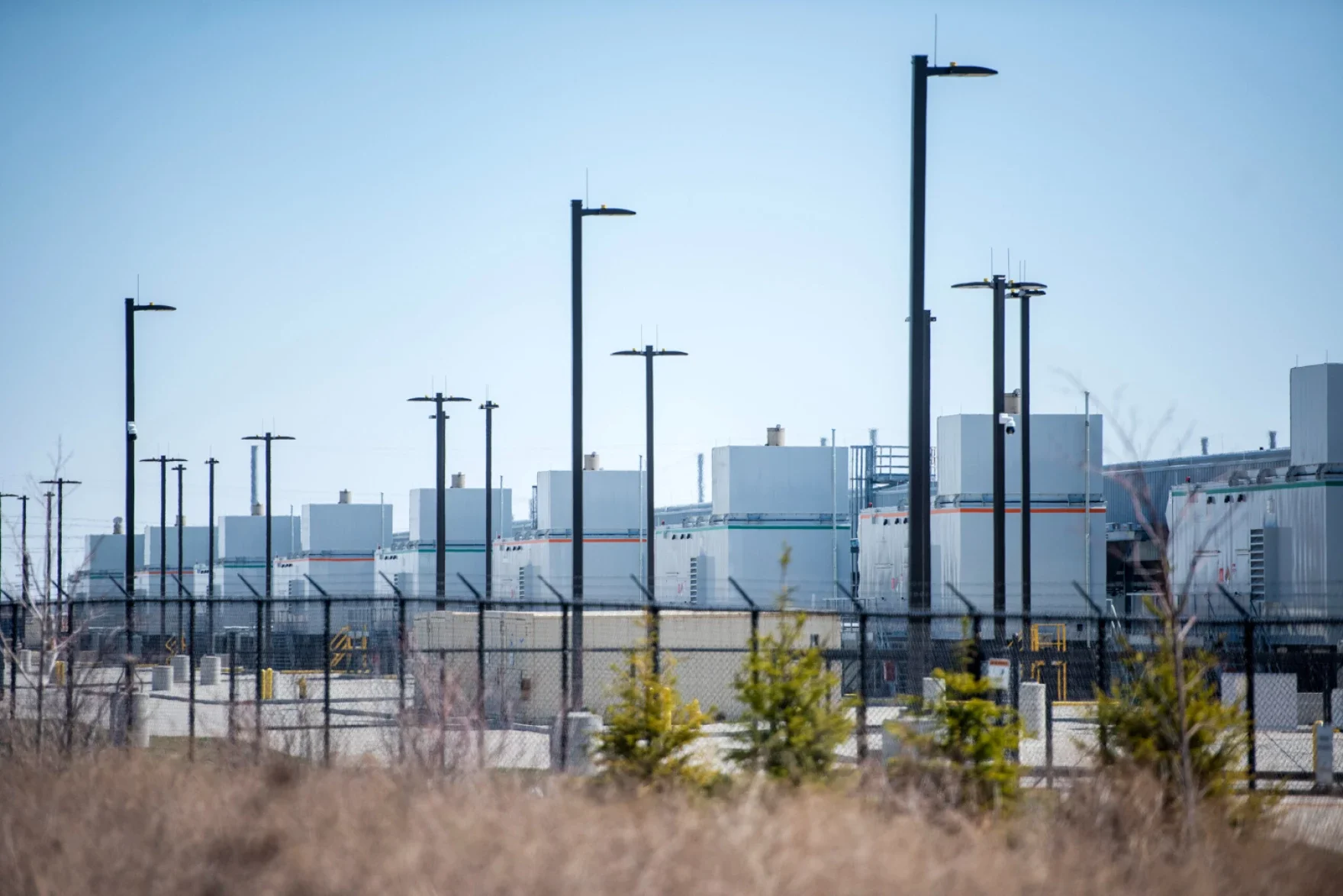
The measure comes as proposals to develop data centers have proliferated across the country, many in response to a boom in the use of artificial intelligence tools. These sprawling, warehouse-like properties house computing and data storage power, and use up an enormous amount of water and power in the process.
That’s sparked pushback in many Wisconsin communities, where data centers have been proposed. But backers of these developments say that they create jobs, both within the centers and in the development and construction process.
Democrats floated their own data center bill, which would have required the facilities to get most of their power from renewable sources and to meet prevailing wage or union wage standards for workers involved in construction. That bill has not advanced. On Tuesday, Democrats attempted to tack similar amendments onto the GOP bill, but failed.
The GOP bill ultimately passed 53-44. Rep. Jodi Emerson, D-Eau Claire, and Rep. Steve Doyle, D-Onalaska, who represent competitive districts in western Wisconsin, were the sole Democratic backers. Rep. Lindee Brill, R-Sheboygan Falls, was the lone Republican to vote against.

Wisconsin Public Radio, © Copyright 2026, Board of Regents of the University of Wisconsin System and Wisconsin Educational Communications Board.