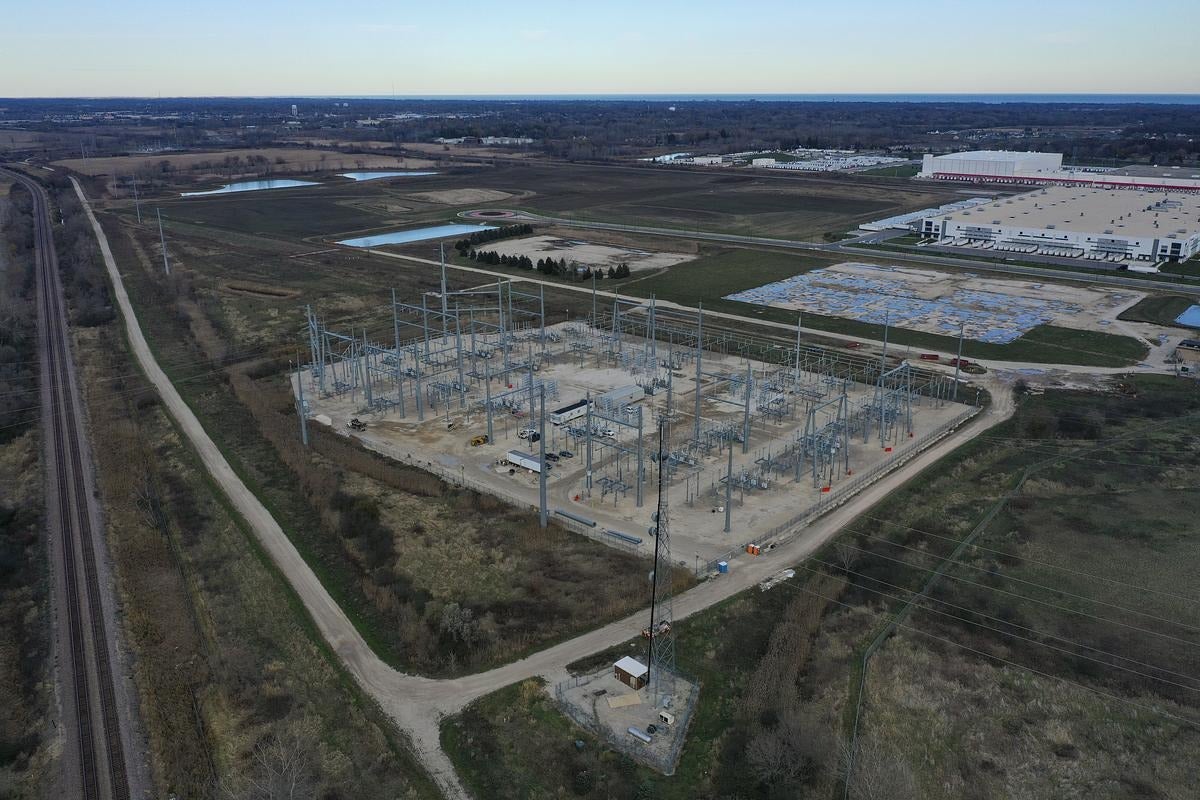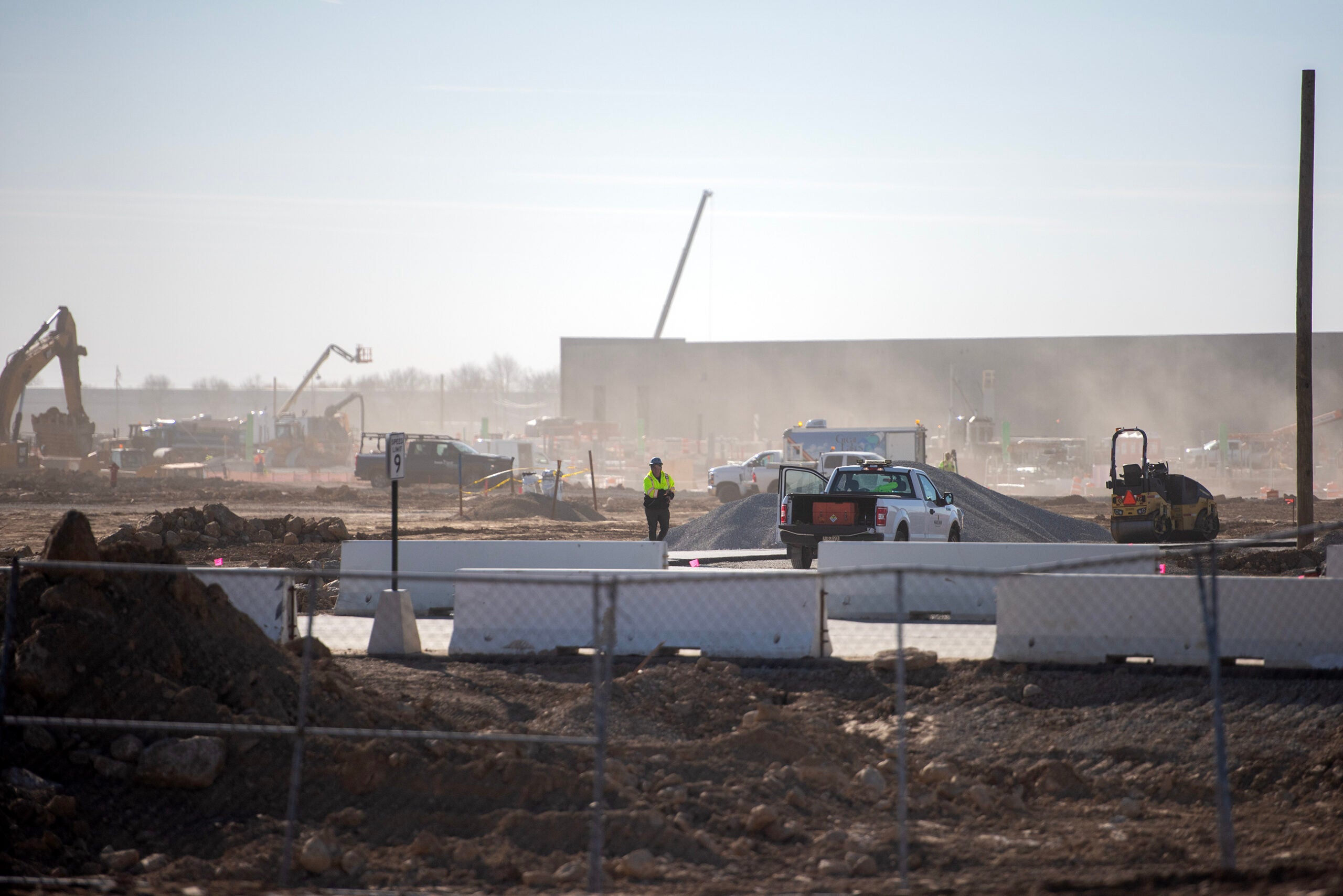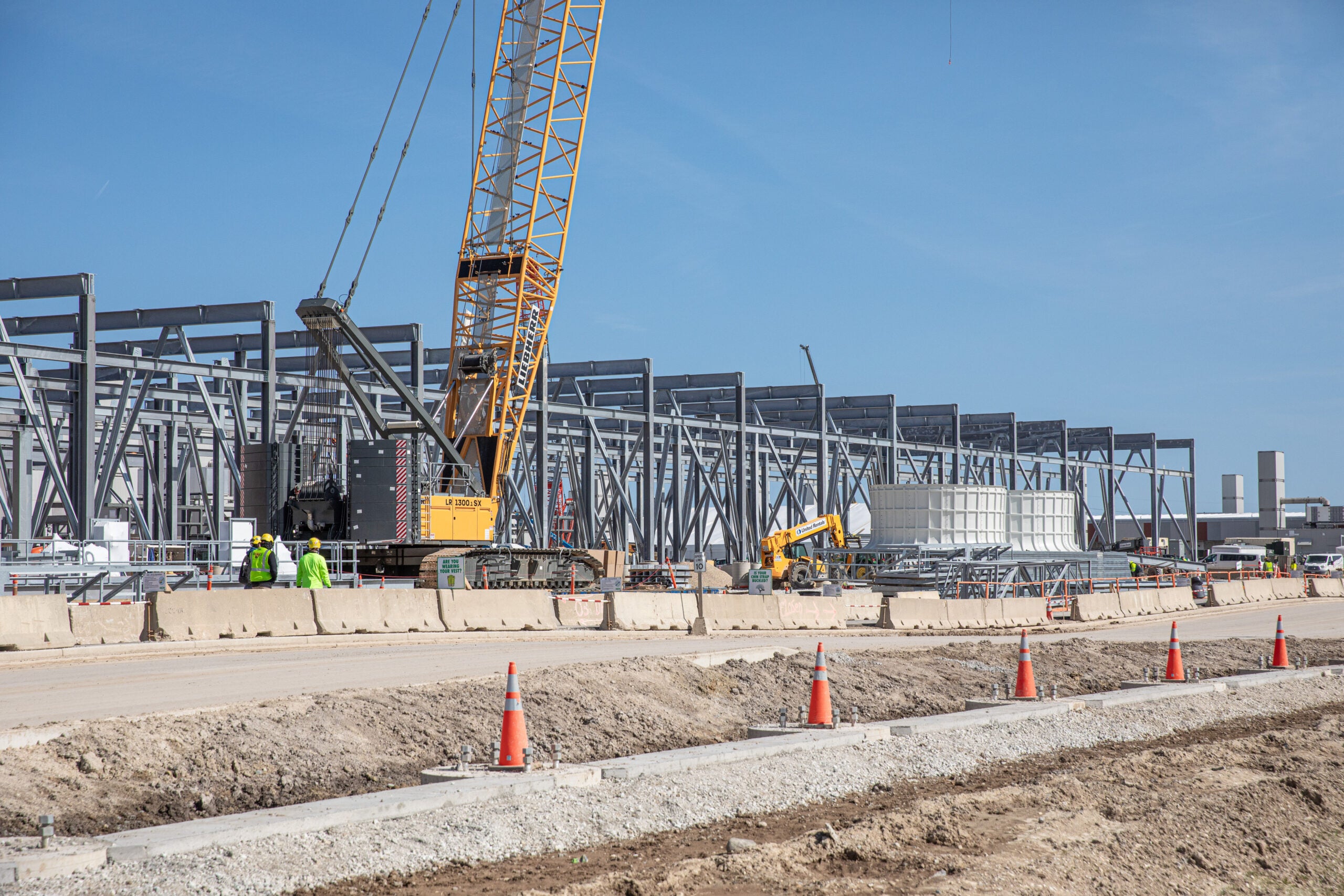
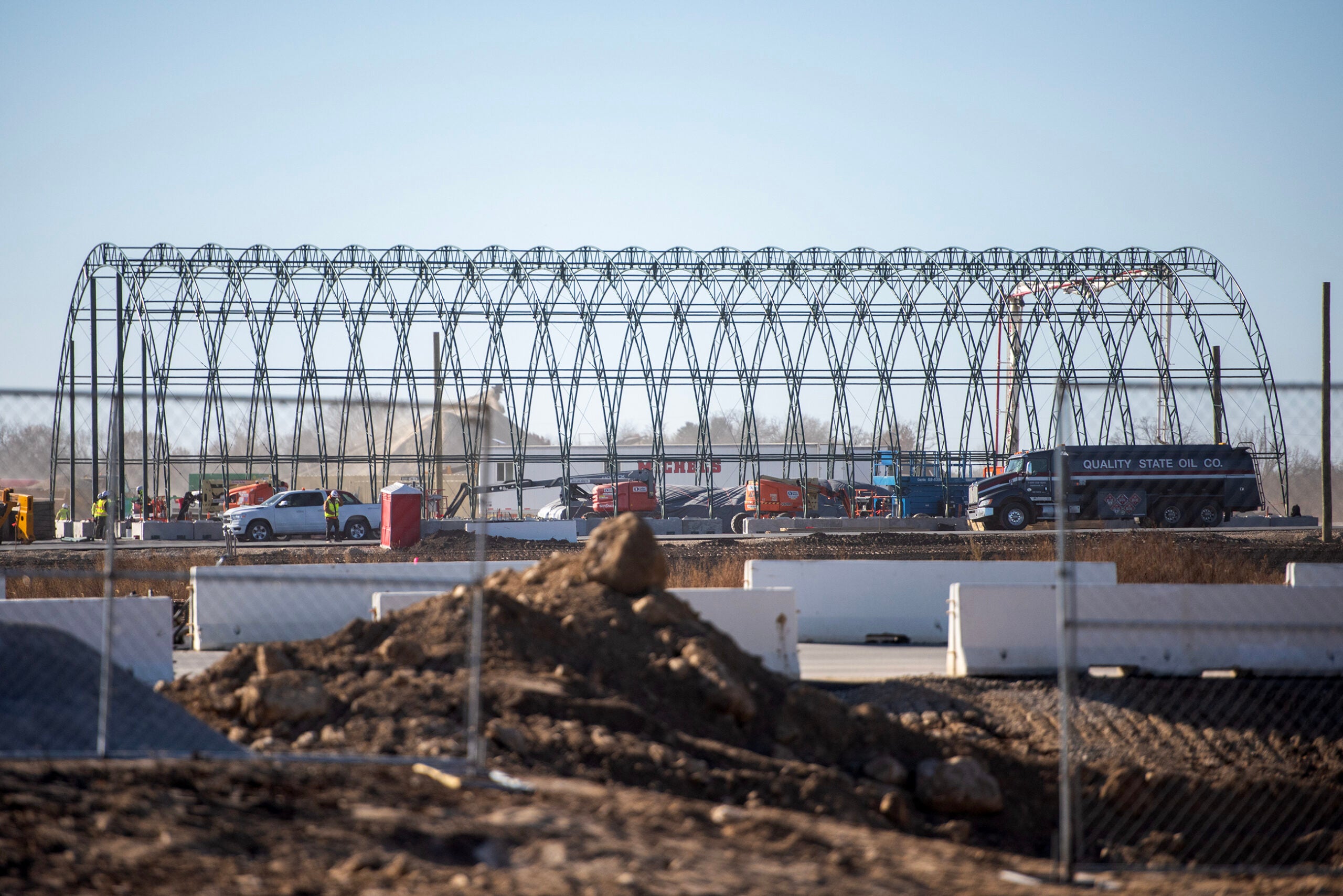
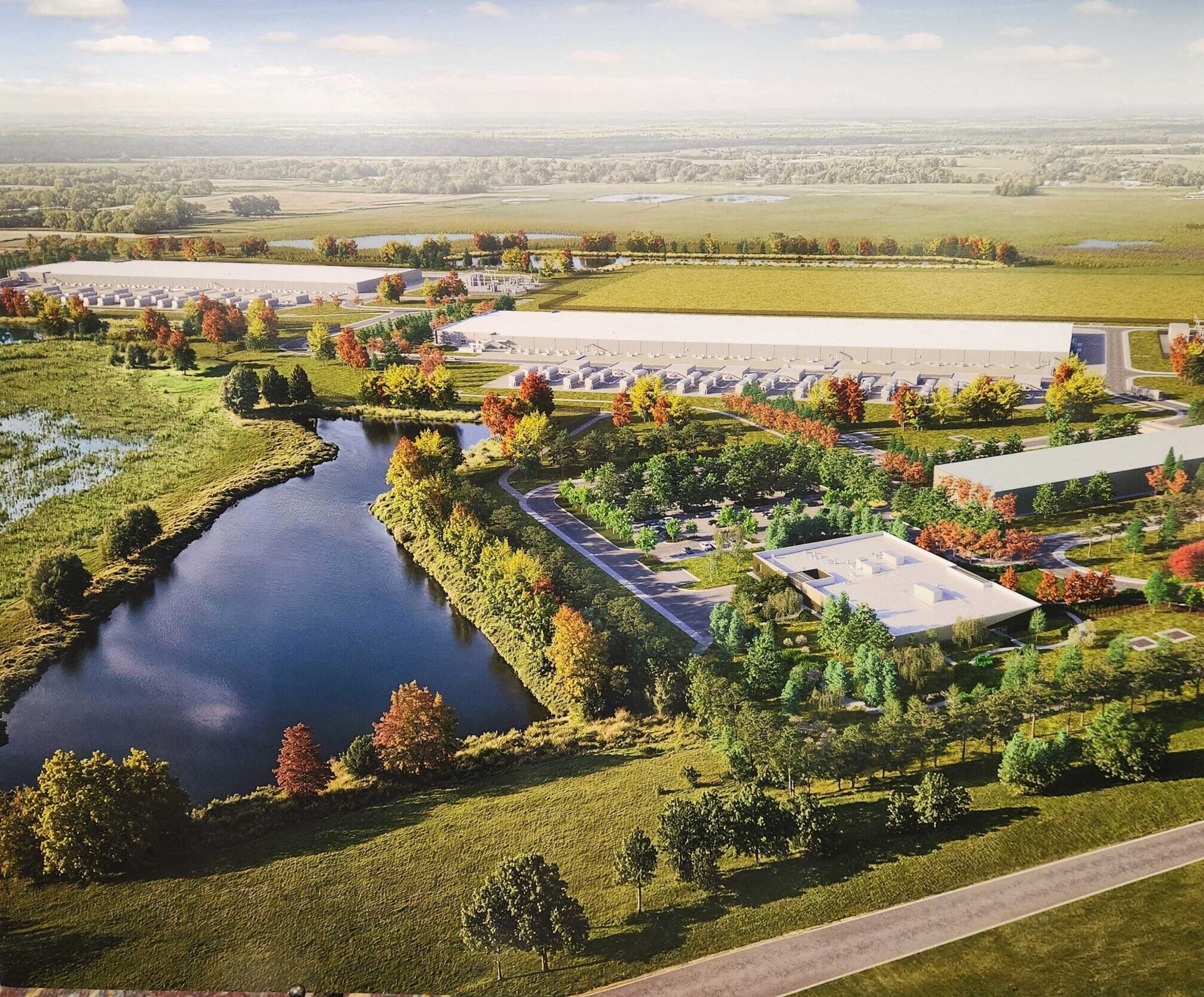
An environmental group is trying to force state utility regulators to release records showing the expected energy demand from a data center campus being developed in Beaver Dam by social media giant Meta.
Midwest Environmental Advocates, a nonprofit law center, filed a lawsuit against the Public Service Commission of Wisconsin Wednesday after the agency denied an open records request seeking unredacted documents.
The lawsuit argues that the Public Service Commission, or PSC, unlawfully denied the records request and is withholding public records. An agency spokesperson declined to comment, saying it’s the PSC’s policy not to comment on pending litigation.
News with a little more humanity
WPR’s “Wisconsin Today” newsletter keeps you connected to the state you love without feeling overwhelmed. No paywall. No agenda. No corporate filter.
The suit comes as data center developments across the state have environmental groups concerned that skyrocketing energy demand from those projects could derail efforts to move away from fossil fuel-generated power plants.
A recent analysis by nonprofit Clean Wisconsin found that Microsoft’s data center campus in Mount Pleasant and a data center campus being developed in Port Washington would use more power than all of the homes in Wisconsin.
Meta did not immediately respond to a request for comment related to the lawsuit. A company official declined to provide an estimate on how much power the company’s Beaver Dam campus would need when asked last month.
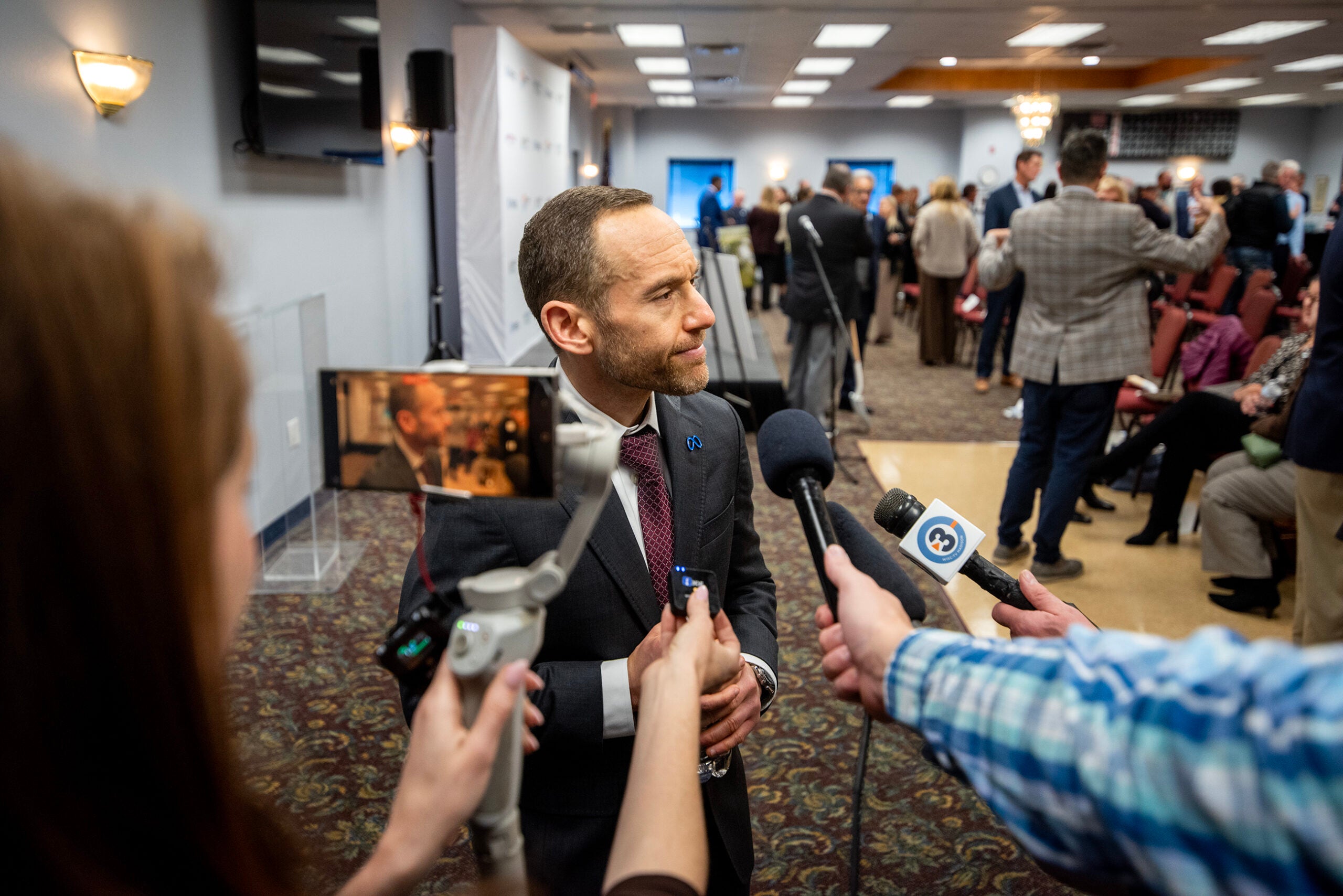
“These hyperscale data centers that are facilitating artificial intelligence use enormous amounts of electricity, often on the scale of large cities, sometimes even entire regions,” Michael Greif, a legal fellow for Midwest Environmental Advocates, told WPR. “We know it’s going to cause a significant increase in electrical demand within the state of Wisconsin, and that’s going to have big impacts on the state.”
Earlier this year, Midwest Environmental Advocates identified two documents filed with the commission that redacted energy demand information for two data center projects in Beaver Dam and Port Washington.
On Oct. 1, the environmental group submitted a records request to the PSC asking for unredacted versions of those documents, according to the lawsuit.
Midwest Environmental Advocates received responses on Oct. 5 and Nov. 5 confirming the PSC received the records request, according to court documents. The environmental group allegedly spoke on the phone with someone from the PSC on Nov. 7 who said the agency asked the applicant to refile the documents without redactions.
About a week later, the PSC allegedly told the group that the document related to the Port Washington data center would be refiled without redactions, but the electricity demand related to the Beaver Dam project was “currently exempt from disclosure,” the suit says.
On Nov. 17, Midwest Environmental Advocates received an unredacted copy of a document for the Port Washington data center, showing We Energies had requested transmission interconnection for a 1,300-megawatt facility, according to court documents.
But the PSC denied the request for the unredacted document related to Meta’s Beaver Dam Project, saying the redacted information had been “identified as a trade secret,” the lawsuit states.
The lawsuit argues the PSC “arbitrarily and capriciously” denied the request because “the amount of electrical load requested” is not considered a trade secret under state law.
“A trade secret, under Wisconsin law, has to have independent economic value, and I don’t think that’s the case here,” Greif said. “Perhaps the best evidence of that is the fact that, in our request, we got a response from the Public Service Commission for basically the exact same information from a different utility.”
Earlier this year, Midwest Environmental Advocates sued the city of Racine to force the release of information on projected water use in the first phase of Microsoft’s data center campus in Mount Pleasant. The group says the information it sought in that case was released two days later.

Wisconsin Public Radio, © Copyright 2026, Board of Regents of the University of Wisconsin System and Wisconsin Educational Communications Board.