Anticipated spikes in demand for energy to supply Wisconsin’s data center building boom come on the heels of decades of declining power and water use, according to a new report.
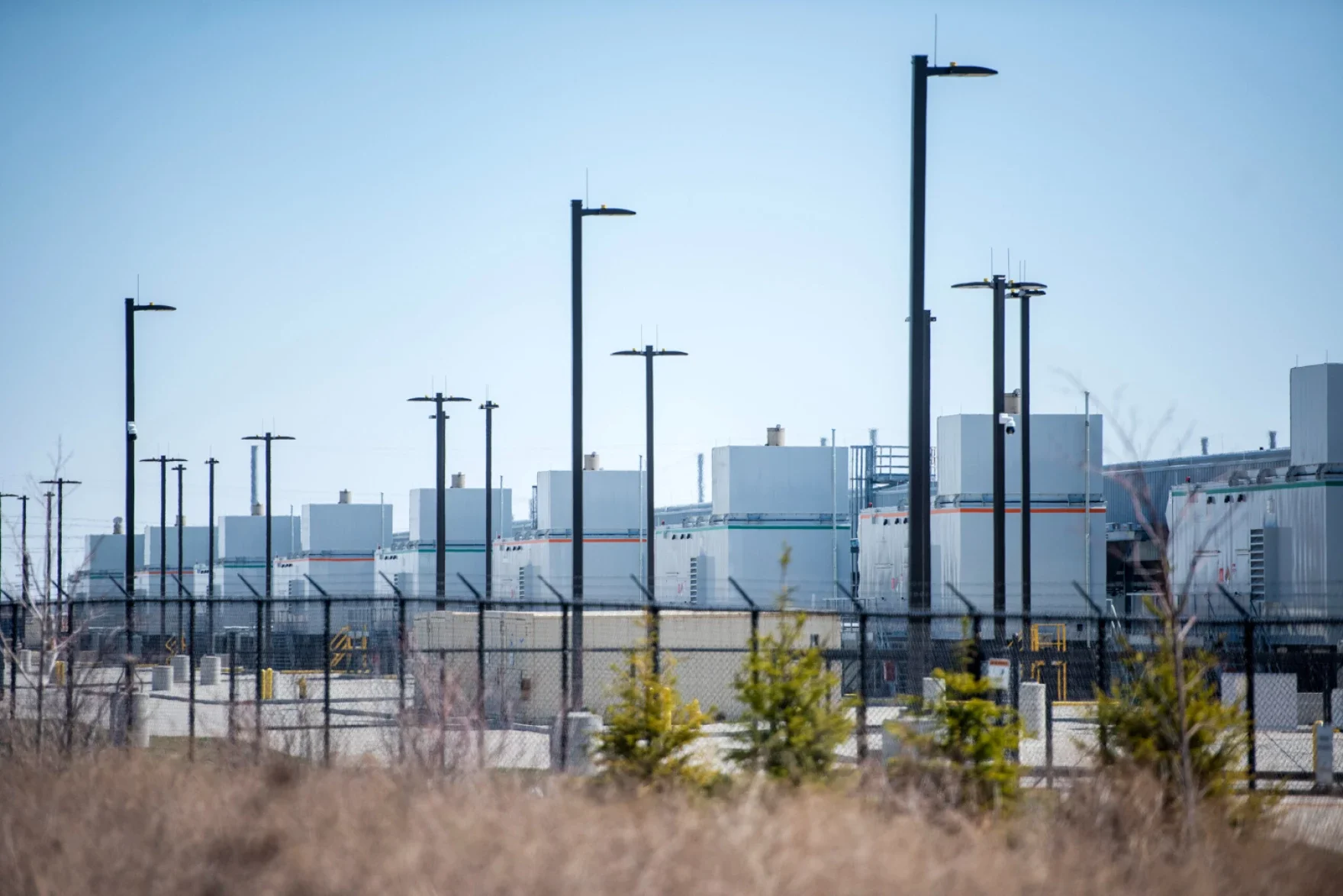
A Wisconsin Policy Forum analysis shows there are more than 40 data centers operating in Wisconsin with another four planned. The sprawling facilities host computer servers, which store data and support a global surge in the use of artificial intelligence.
The data center building boom has been met by local opposition groups concerned about the facilities’ resource needs. But the Policy Forum report shows it’s all happening after years of declines in demand for electricity and water.
Using projections submitted to the Wisconsin Public Service Commission by utility companies, the Forum estimates the state’s peak electrical demand is expected to increase to around 17 gigawatts by 2030, driven largely by data centers. In 2024, Wisconsin’s peak demand was rated at 14.6 gigawatts. Over the past 20 years, total electricity sales have fallen by 9 percent over the past 20 years.
Wisconsin Policy Forum Senior Research Associate Tyler Byrnes told WPR a big part of the decline since 2005 is due to fewer commercial customers paired with more energy efficiency measures. He said during that span, utilities have pulled aging, coal-fired power plants offline and shifted toward more renewable energy.
“Into that landscape, now we’re seeing these really big data centers come online,” said Byrnes.
News with a little more humanity
WPR’s “Wisconsin Today” newsletter keeps you connected to the state you love without feeling overwhelmed. No paywall. No agenda. No corporate filter.
Some utilities in Wisconsin are expected to seek state permission to build new power plants or expand existing ones to meet the data center demand. Byrnes said that will bring a need for more transmission lines, though local impacts will vary depending on where the data centers are located.
The Forum’s analysis shows most existing facilities are in south central and southeastern Wisconsin. With other large-scale data centers planned for more rural areas like Beaver Dam and DeForest, he said utility companies may need to build out more infrastructure.

Wisconsin water demand has fallen for decades. Will data centers impact rates?
Another major concern raised during the data center debate is their hefty water demands.
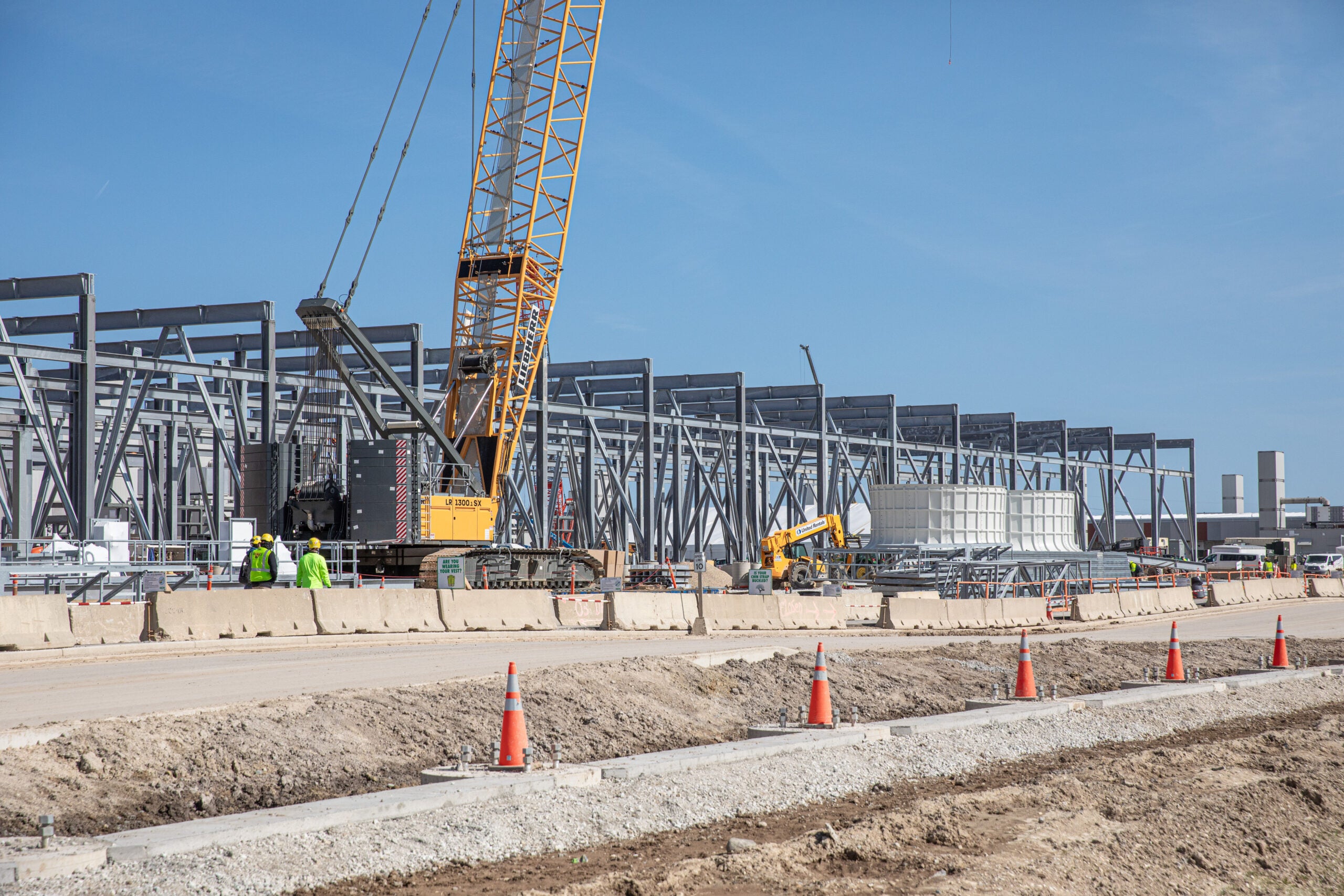
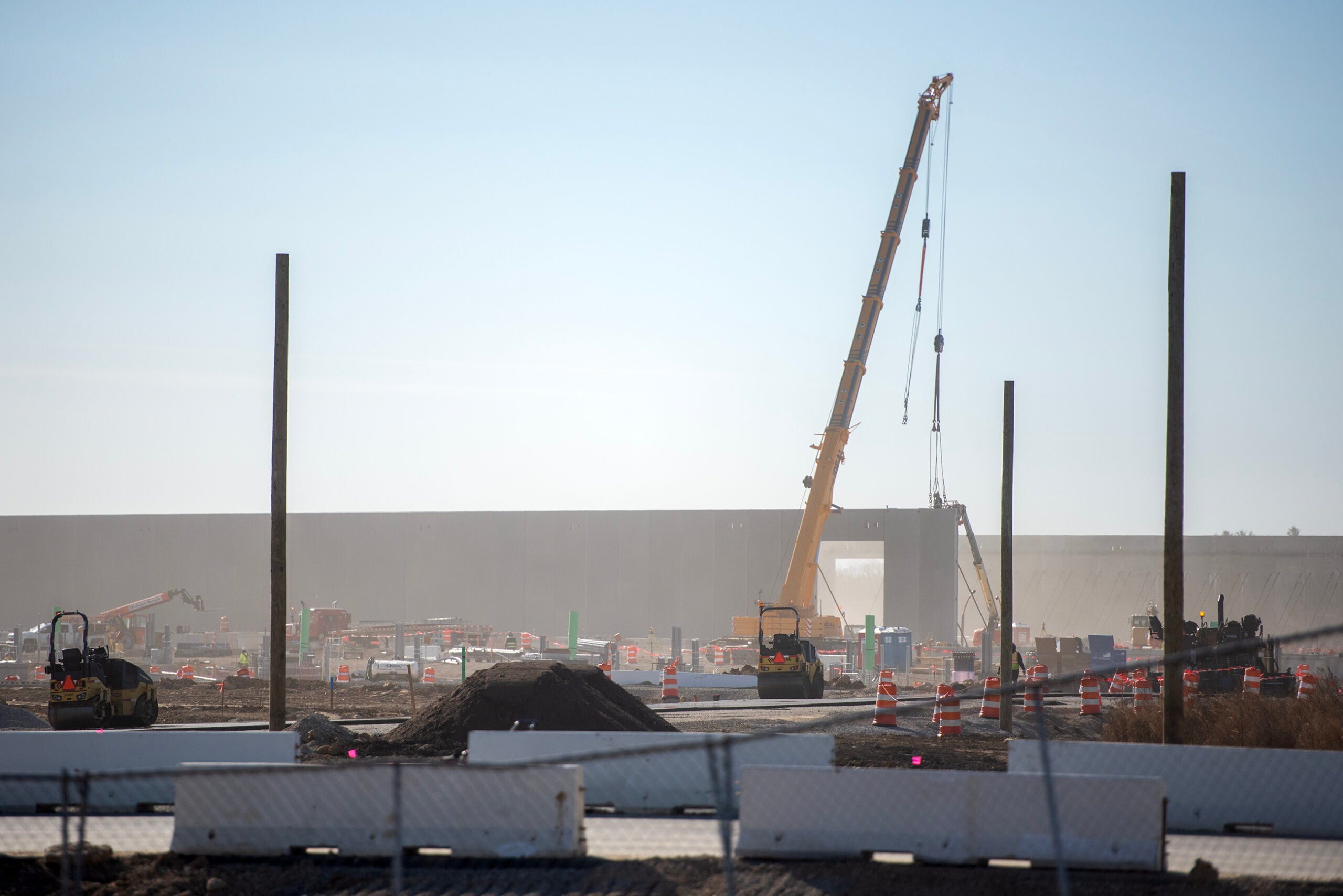
Opponents have complained that developers haven’t been transparent about how much water they’ll need to cool computer servers. In September, environmental advocates sued the city of Racine to force the release of projected water needs of a $3.3 billion data center campus located at the former Foxconn site in Mount Pleasant. The city released figures showing the project will need more than 8 million gallons of water per year.
To put that into context, the Policy Forum looked at historical water sales reported by the Racine Water Works, which will supply the Mount Pleasant data center project. Between 1997 and 2022, the utility saw water sales decline by 2.1 billion gallons annually. Byrnes said that taken as a whole, the demand for water from data centers is “a drop in the bucket” in a lot of cases.

As with electrical demand, Byrnes said water demand has decreased due to fewer industrial customers and increased efficiency efforts. Because cities like Racine still need to maintain the same level of infrastructure, which is more expensive due to inflation, the revenue from each gallon of water sold has to be spread further. That means potential rate increases.
Byrnes said data centers have been turning to closed-loop cooling systems, which use less water, but cities like Racine would still be selling more water, which would help cover fixed infrastructure costs.
“Potentially, it could maybe blunt some of the (water rate) increases,” Byrnes said.
DeForest, other local governments, grapple with data center proposals
With the rise in data center developments in Wisconsin, local governments and state lawmakers are working to figure out how to regulate them.
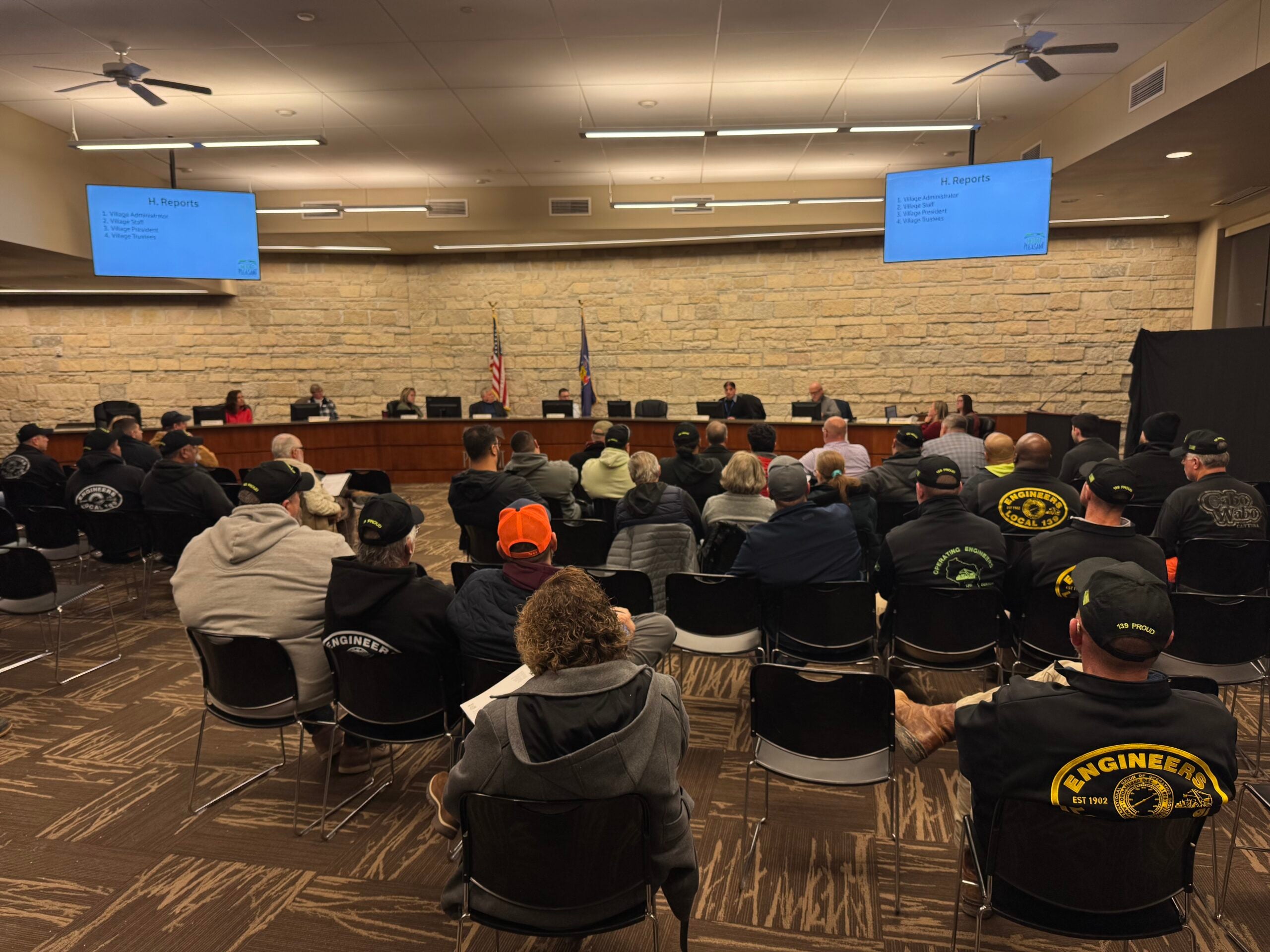
On Tuesday, the DeForest Village Board took no action on a citizen petition calling for referendum votes before any data center project could be approved.
In Menomonie, the city council voted to restrict where and how data centers can be built months after the mayor halted a $1.6 billion proposal. A similar zoning ordinance is being considered in the city of Jefferson.
At the same time, Republican and Democratic state lawmakers have proposed different ways to regulate data centers. One GOP bill is aimed at ensuring data centers and not other customers would pay for any required improvements to the state’s power grid. The Democratic bill is aimed at requiring data centers to get the bulk of their power from renewable sources.

Wisconsin Public Radio, © Copyright 2026, Board of Regents of the University of Wisconsin System and Wisconsin Educational Communications Board.