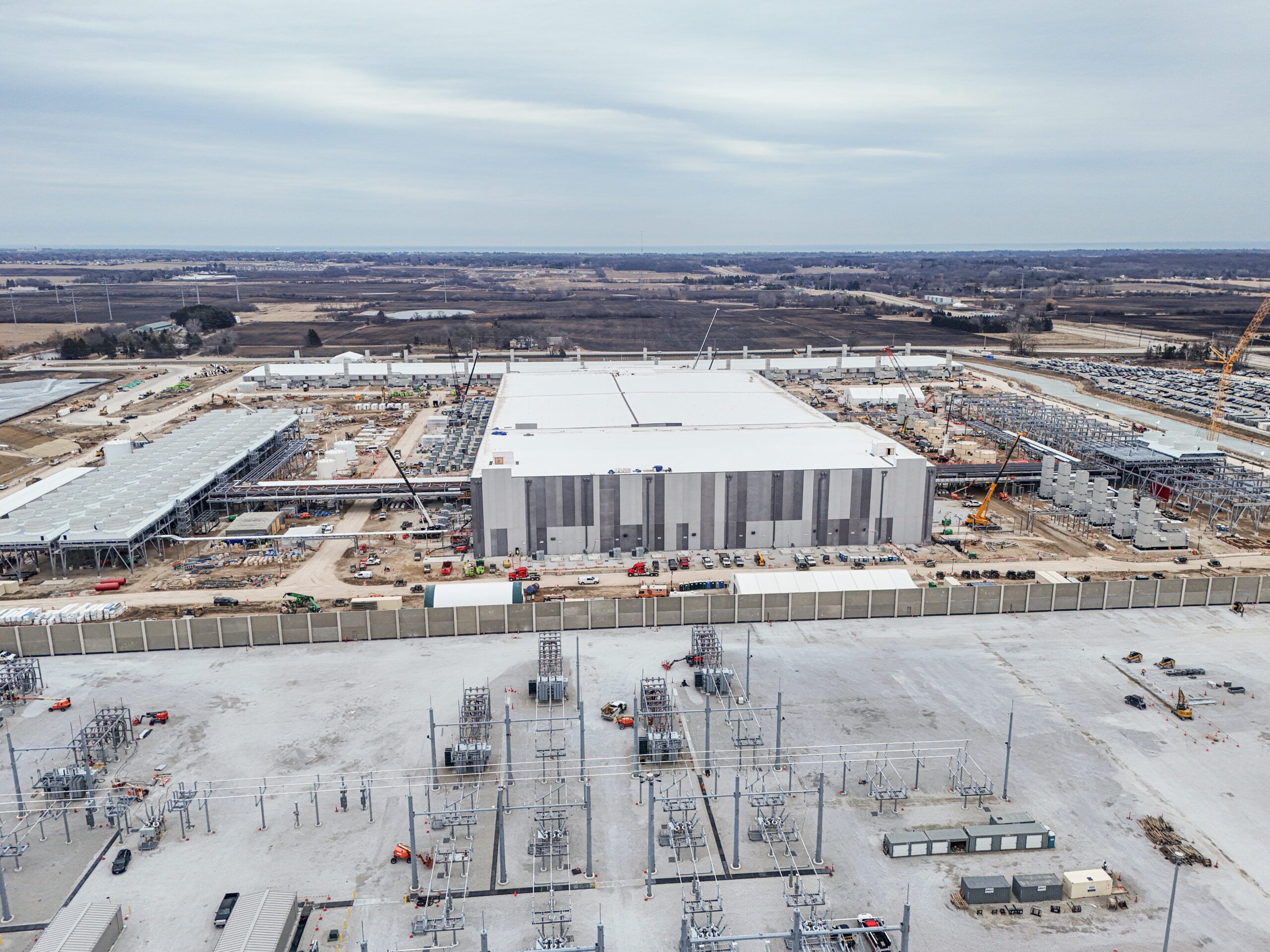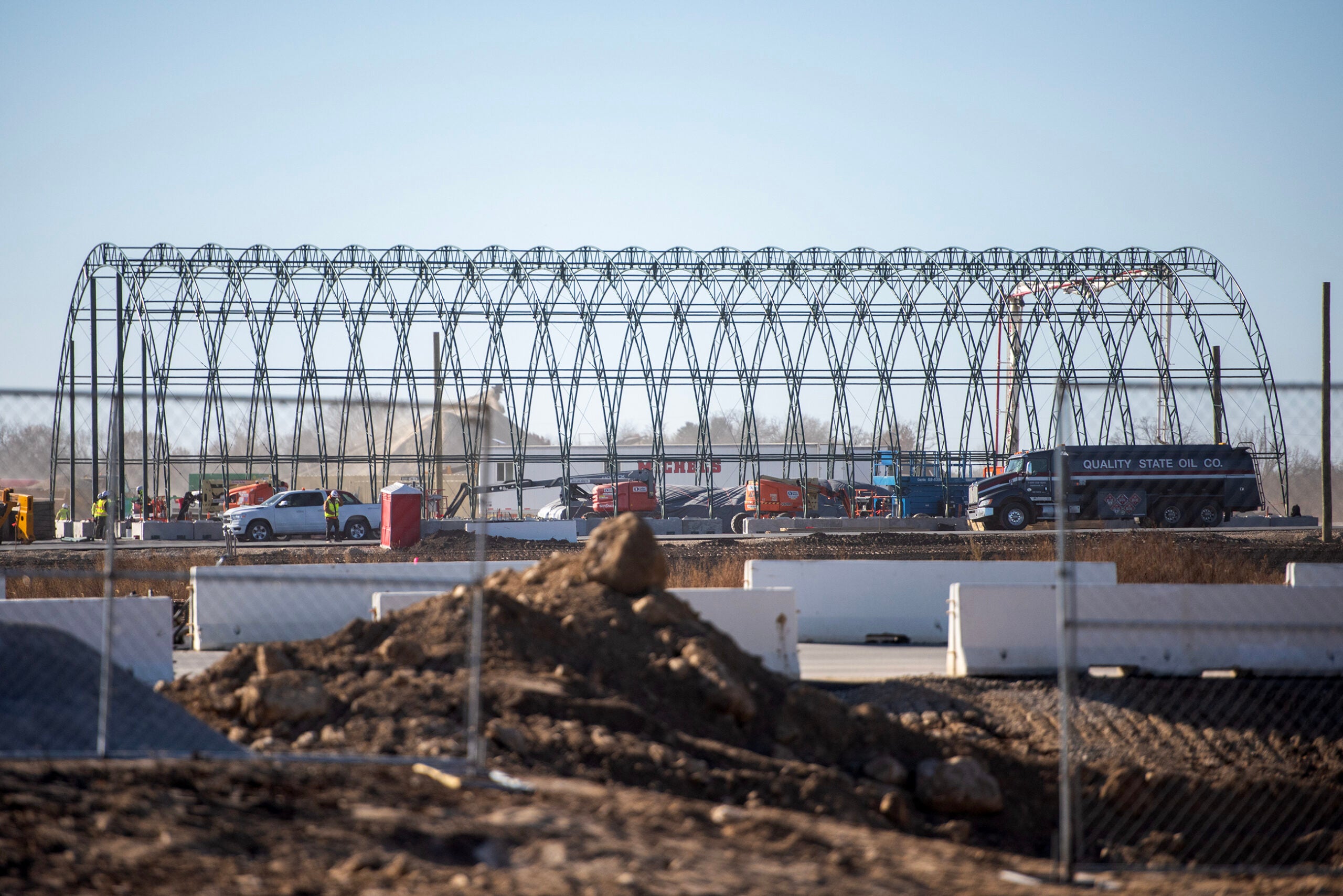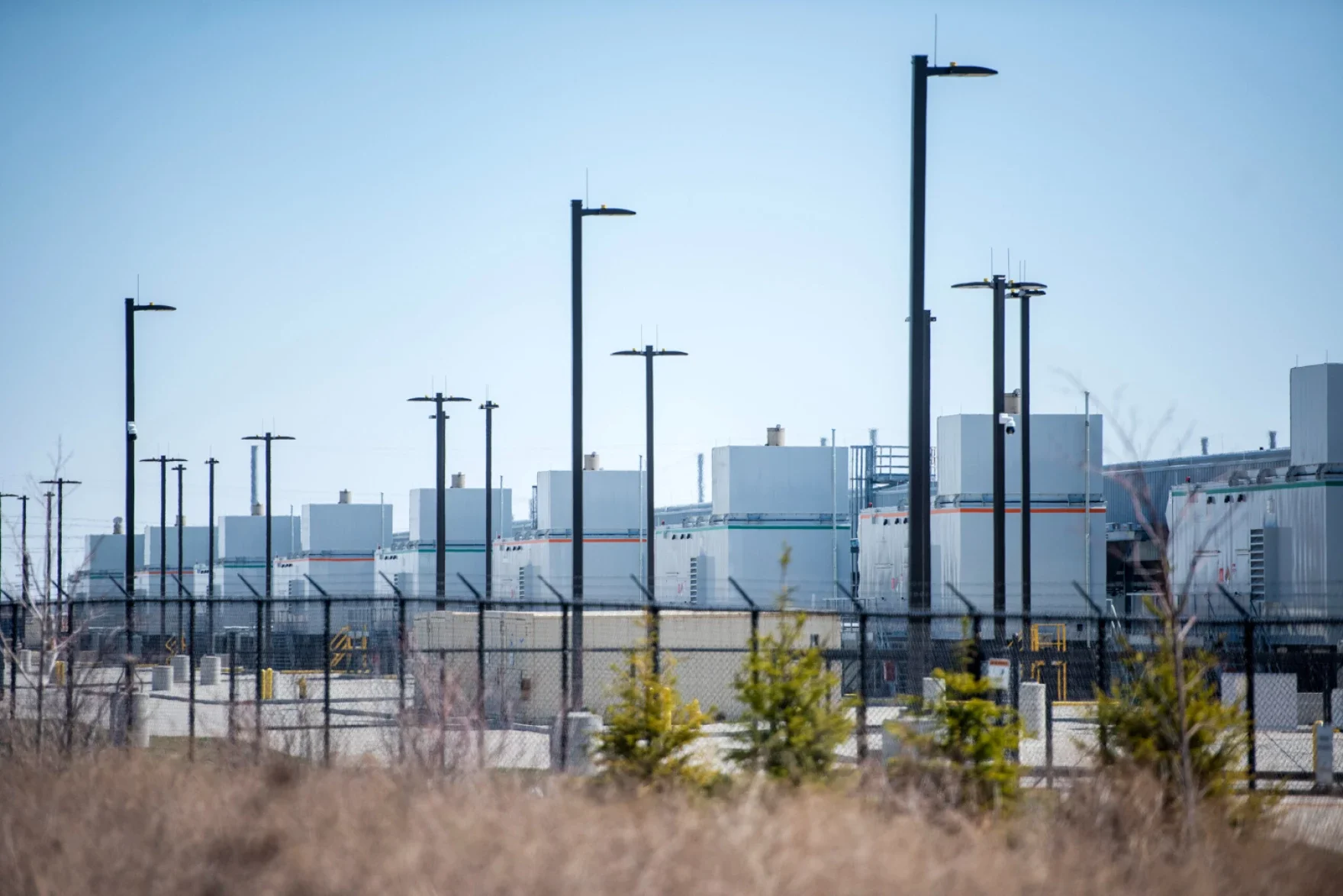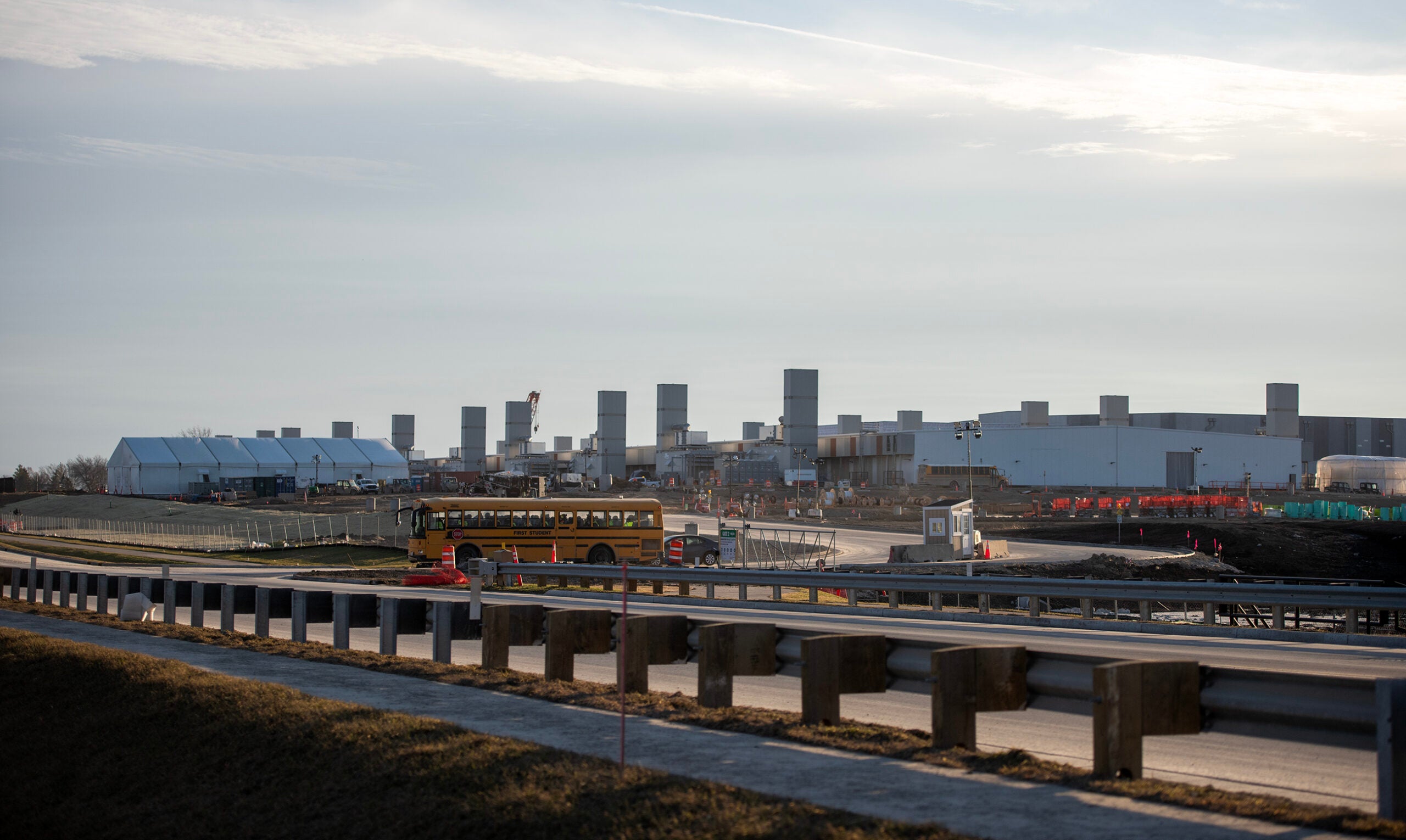
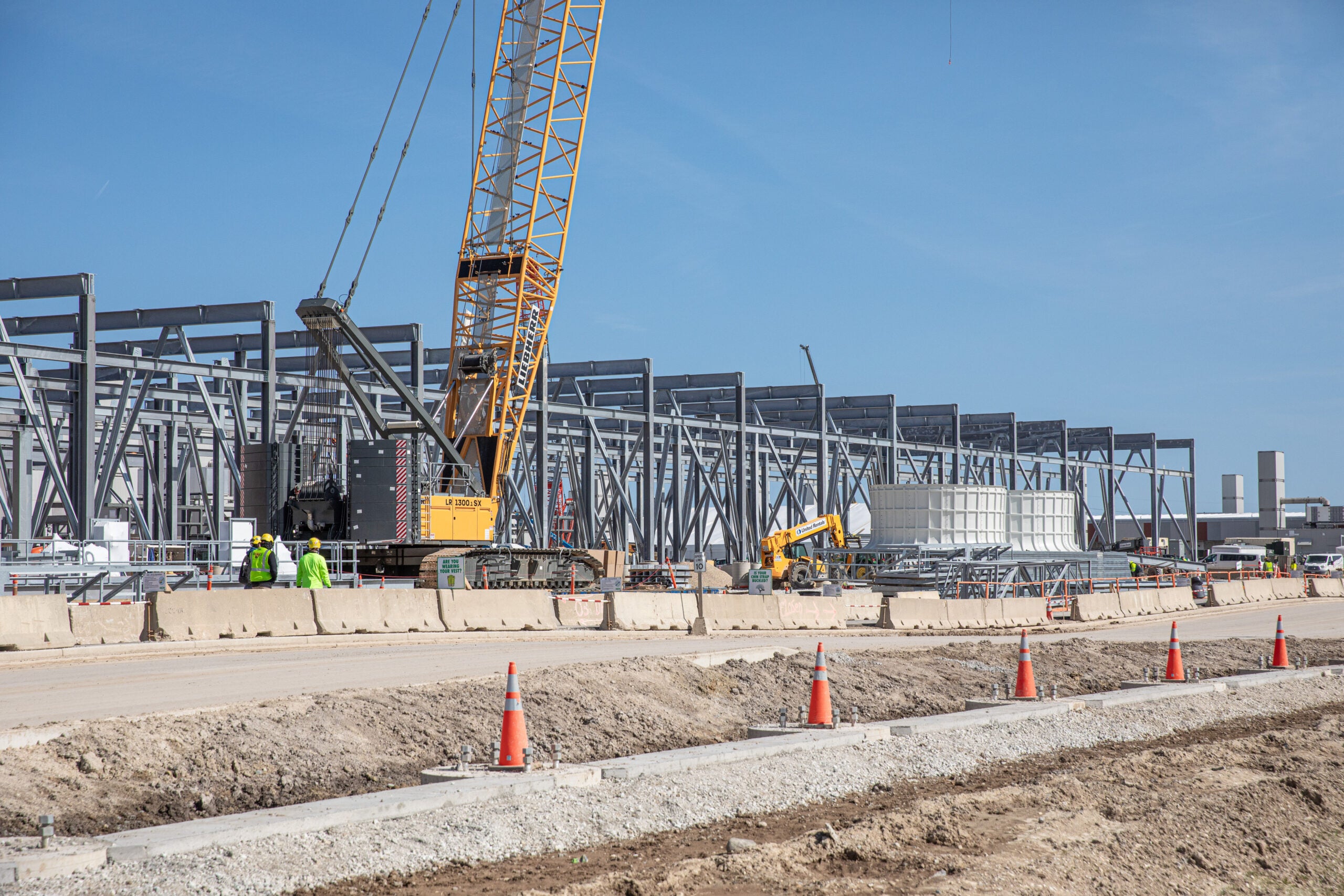
Environmental advocates are suing the city of Racine to force the release of information on projected water use in the first phase of Microsoft’s $3.3 billion data center campus in Mount Pleasant.
Midwest Environmental Advocates sued the city on behalf of the nonprofit group Milwaukee Riverkeeper. The lawsuit comes amid growing calls for transparency around the energy and water use of data centers.
The complaint filed Monday in Racine County Circuit Court accuses the city of failing to respond to the group’s records request about Microsoft’s water use for 210 days. Groups say the city failed to respond for more than 100 days before the director of Racine’s water utility said the data could not be released due to confidentiality concerns, referring questions to Microsoft.
News with a little more humanity
WPR’s “Wisconsin Today” newsletter keeps you connected to the state you love without feeling overwhelmed. No paywall. No agenda. No corporate filter.
Cheryl Nenn with the environmental group Milwaukee Riverkeeper said people can’t understand the effects of data centers on the Great Lakes or water resources without that data.
“The community has the right to know how much water a data center is using before it’s built,” Nenn said. “These facilities use enormous amounts of energy and water. There are major potential impacts on the environment, but also impacts on ratepayers and the community.”
Environmental groups are seeking a court order to force the city to immediately produce records or a hearing by the end of the month to show why such documents can’t be released.
Racine’s water utility is providing water for Microsoft’s data center under an agreement between the city of Racine and Mount Pleasant. Leslie Flynn, the city’s spokesperson, said the city will need to review the lawsuit, saying it’s unable to comment further at this time.
Massive data centers can require between 1 million and 5 million gallons per day. An analysis released Tuesday by Clean Wisconsin found Microsoft’s campus and data centers proposed by Vantage Data Centers in Port Washington would use about 3.9 gigawatts of power.
That is enough energy to power all the state’s homes combined or 4.3 million homes. It’s also more than three times the power produced by the Point Beach nuclear plant — Wisconsin’s largest power plant.
Tech companies commonly use nondisclosure agreements with local governments on data center projects to shield information from competitors, but those agreements can conflict with public record laws. Michael Greif, legal fellow with MEA, said it’s received information that such an agreement exists between Racine and Microsoft.
“It’s something that’s happening around the country and around the state, and it’s a practice that I think is ultimately harmful to the public,” he said.
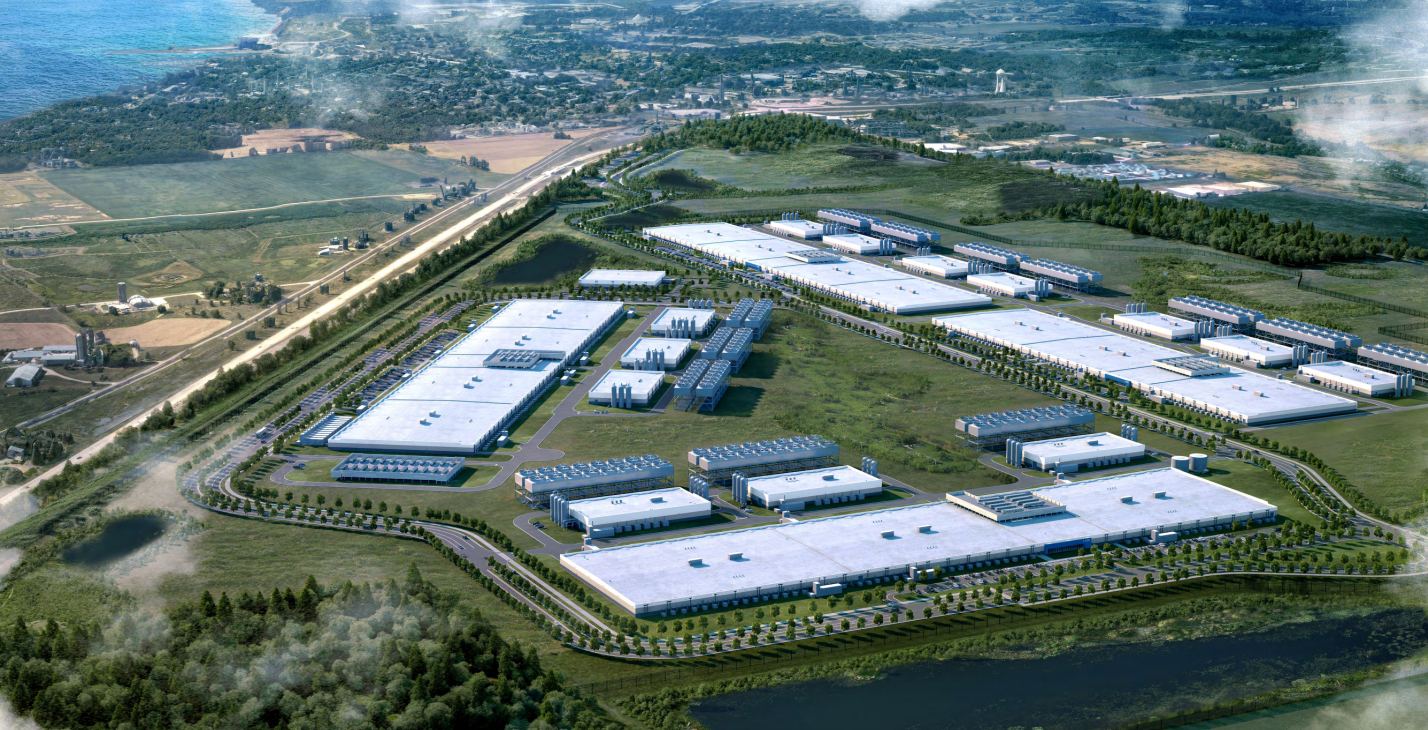
Sara Walling, water and agriculture program director for Clean Wisconsin, said in a statement that communities need to know more about water and energy demands from data centers and power plants built to keep them running.
“There has been very little transparency about the amount of water that will be used on site at these proposed data center campuses. Add to that a lack of transparency about energy use, and it’s impossible to know what the impact on Wisconsin’s water resources will be,” Walling said.
In December, Microsoft said most of its Mount Pleasant data center campus will use a new closed-loop system design that will consume zero water for cooling. The system is expected to use a peak of 350,000 gallons per day on the hottest days of the year during the months of May through September. Vantage data centers in Port Washington may use up to 1.2 million gallons of water daily from the city’s water plant.
In May 2024, President Joe Biden and Microsoft vice chair and president Brad Smith announced the company would bring 2,000 union construction jobs and billions of investment dollars by the end of 2026.
Microsoft has purchased around 1,900 acres of land, much of which was originally intended for Foxconn. Microsoft’s plans came years after Foxconn promised to build an LCD screen manufacturing plant in Mount Pleasant that would create 13,000 jobs. Today, Foxconn employs around 1,100 people in the village.
In 2018, the Wisconsin Department of Natural Resources approved Racine’s request to draw up to 7 million gallons of Lake Michigan water daily for Foxconn under the Great Lakes Compact. That agreement bans diversions of Great Lakes water with limited exceptions that include diversions for a “straddling community.” The village of Mount Pleasant fits that bill.
Even so, the DNR told WPR in April that it had not received any information or request to change the amount of water withdrawn to serve Microsoft’s data center campus. The diversion wouldn’t apply to Microsoft’s first phase of development because the data center lies inside the Great Lakes Basin.
Nenn said the state should be requiring data centers to disclose their water and energy use, as well as examine regional demand on groundwater and water resources. Those suggestions are in line with recommendations from a recent report that found states in the Great Lakes region are unprepared to meet growing water demand as data centers expand.

Wisconsin Public Radio, © Copyright 2026, Board of Regents of the University of Wisconsin System and Wisconsin Educational Communications Board.