Fusion energy could be coming soon, just in time to meet data center needs.
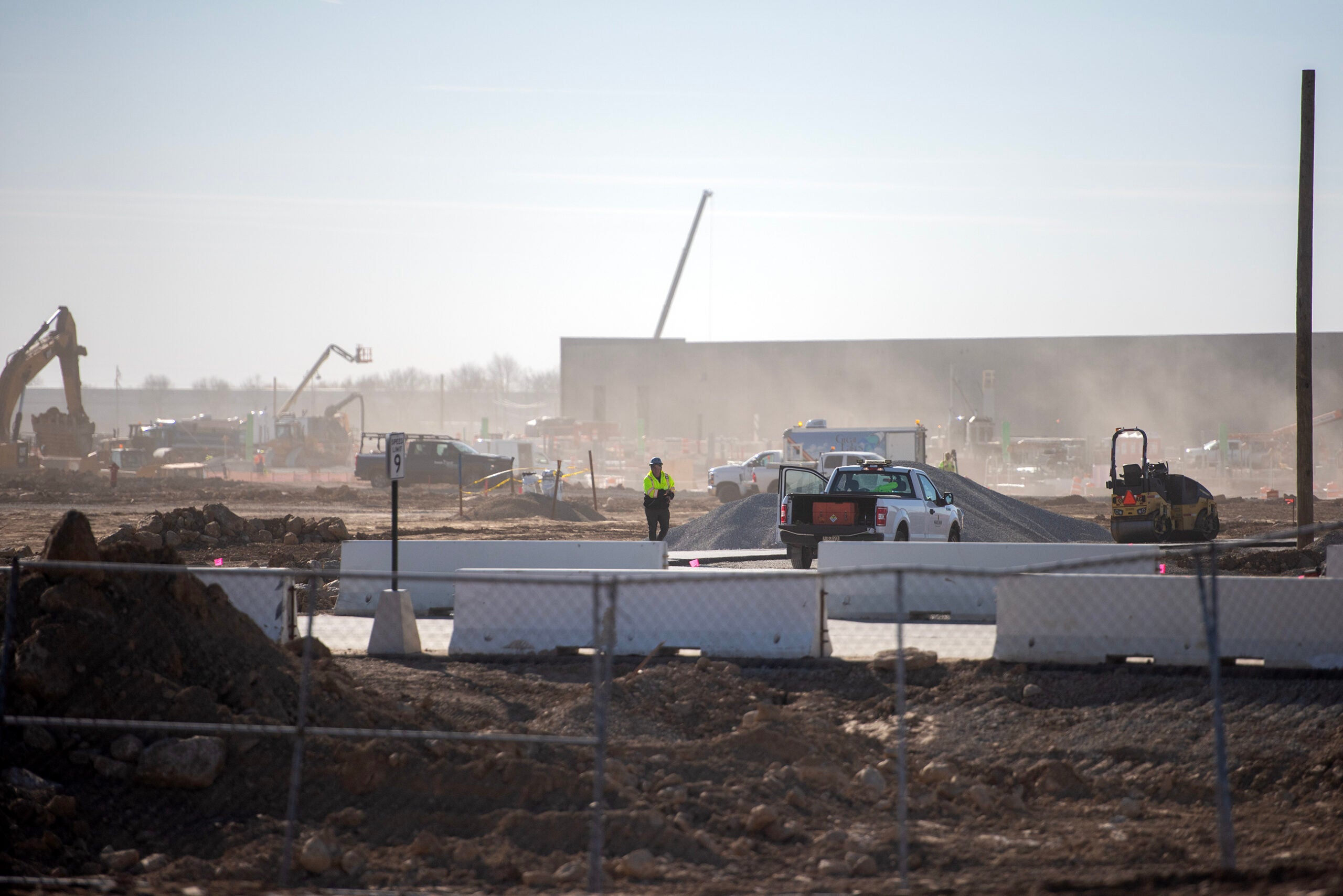
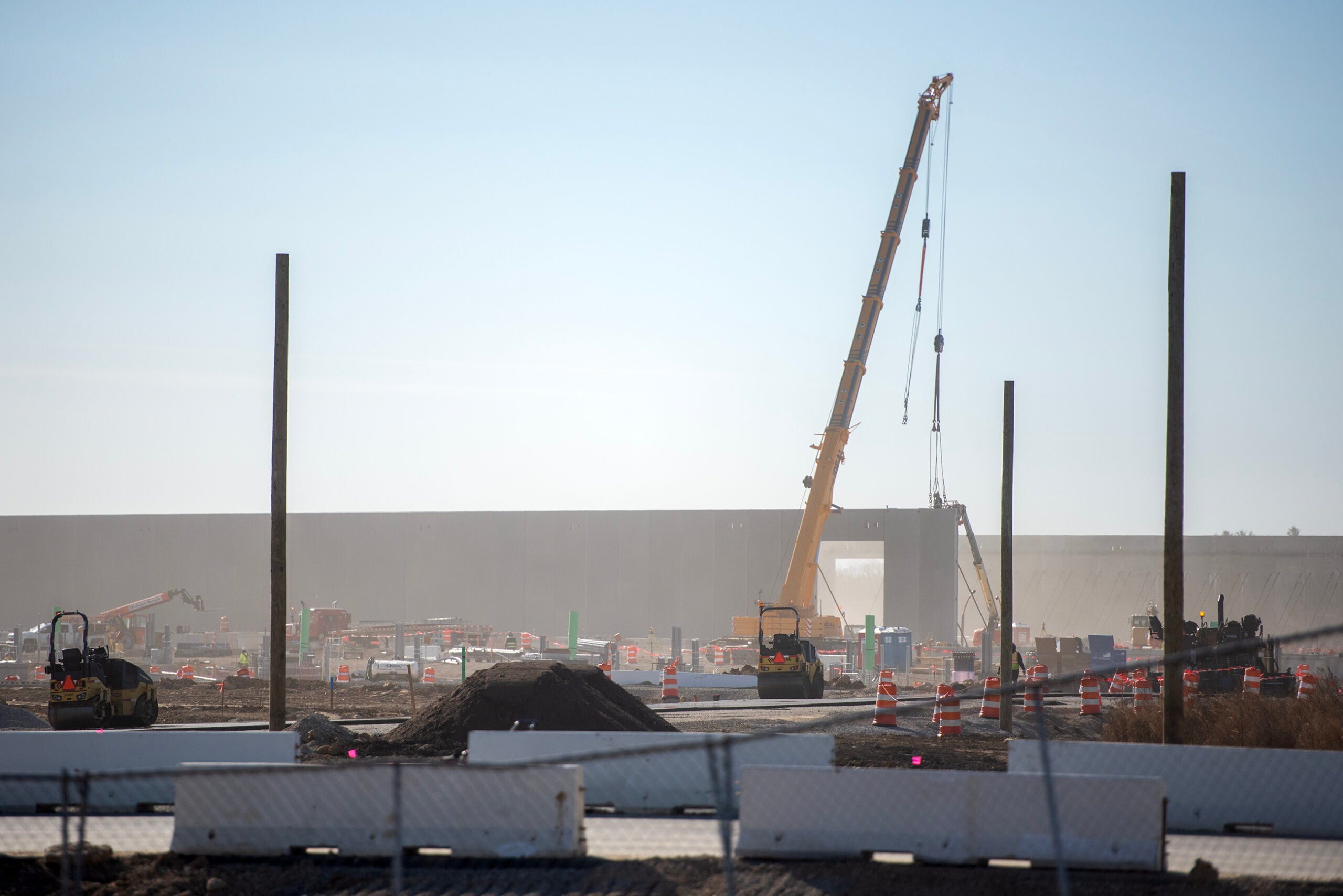
Data centers — massive, warehouse-sized buildings used to store computers for supporting technology like artificial intelligence — require prodigious sums of energy to operate.
Fusion, as opposed to the fission process already used by nuclear power plants, is still a developing technology with an uncertain future.
News with a little more humanity
WPR’s “Wisconsin Today” newsletter keeps you connected to the state you love without feeling overwhelmed. No paywall. No agenda. No corporate filter.
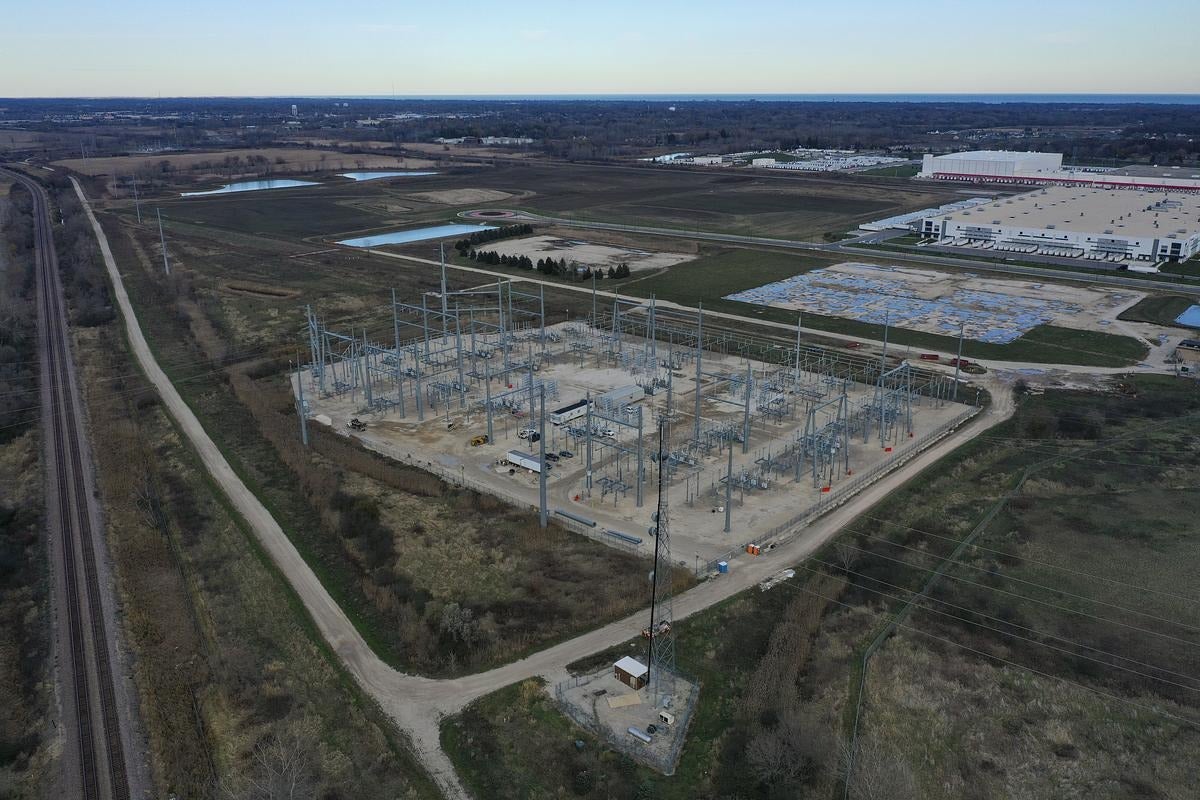
But construction projects for data centers are exploding all across the country, including Wisconsin, so the power needs are urgent. In the Badger State, the Data Center Map notes 40 such centers already exist, with a number of new projects in the works in places like DeForest and Port Washington.
In 2024 data centers around the U.S. gobbled up 183 terawatt-hours in 2024, the International Energy Agency estimates. The IEA also predicts that about half of the growth of electricity demand in the U.S. over the next four years will be due to data centers.
So could fusion meet this accelerating need for data center energy? The answers could come from Wisconsin.
Fusion’s race to meet data center need
Nuclear power plants, including one in Wisconsin, generate power through fission. Plants manage splitting apart radioactive elements like uranium, which releases massive amounts of heat — to create steam to generate electricity — and radiation.
Fusion is the opposite of that, according to Kieran Furlong, CEO and co-founder of Realta Fusion in Madison. Speaking recently on WPR’s “Wisconsin Today,” Furlong explained fusion power comes from blending atoms together, rather than splitting them apart.
“It is still tackling the massive amounts of energy in the nuclei of atoms, but we’re going about it in a different way,” Furlong said. “If you’ll permit me one equation: E = mc2 … That’s actually what we’re doing. We take a tiny bit of mass and we convert that into a massive amount of energy.”
Both fusion and fission are powerful ways to generate energy, Furlong said, because they’re millions of times more energy-dense than our typical fuels, including coal, gas or wood.
In 2022, the Department of Energy announced that for the first time ever, its scientists produced a fusion reaction that put out more energy than it took to cause the reaction.
Since then, fusion startups and investors have been putting massive amounts of resources toward making the tech a viable solution for the nation’s growing energy needs. Furlong said he expects fusion energy to start scaling into the power grids around the mid-2030s.
Furlong said that before starting his company Realta, he was skeptical of the need for fusion as an alternative energy source, with wind and solar projects accelerating. But he believes the space for building wind and solar farms — either because of geography or pushback from local communities — is starting to run out.
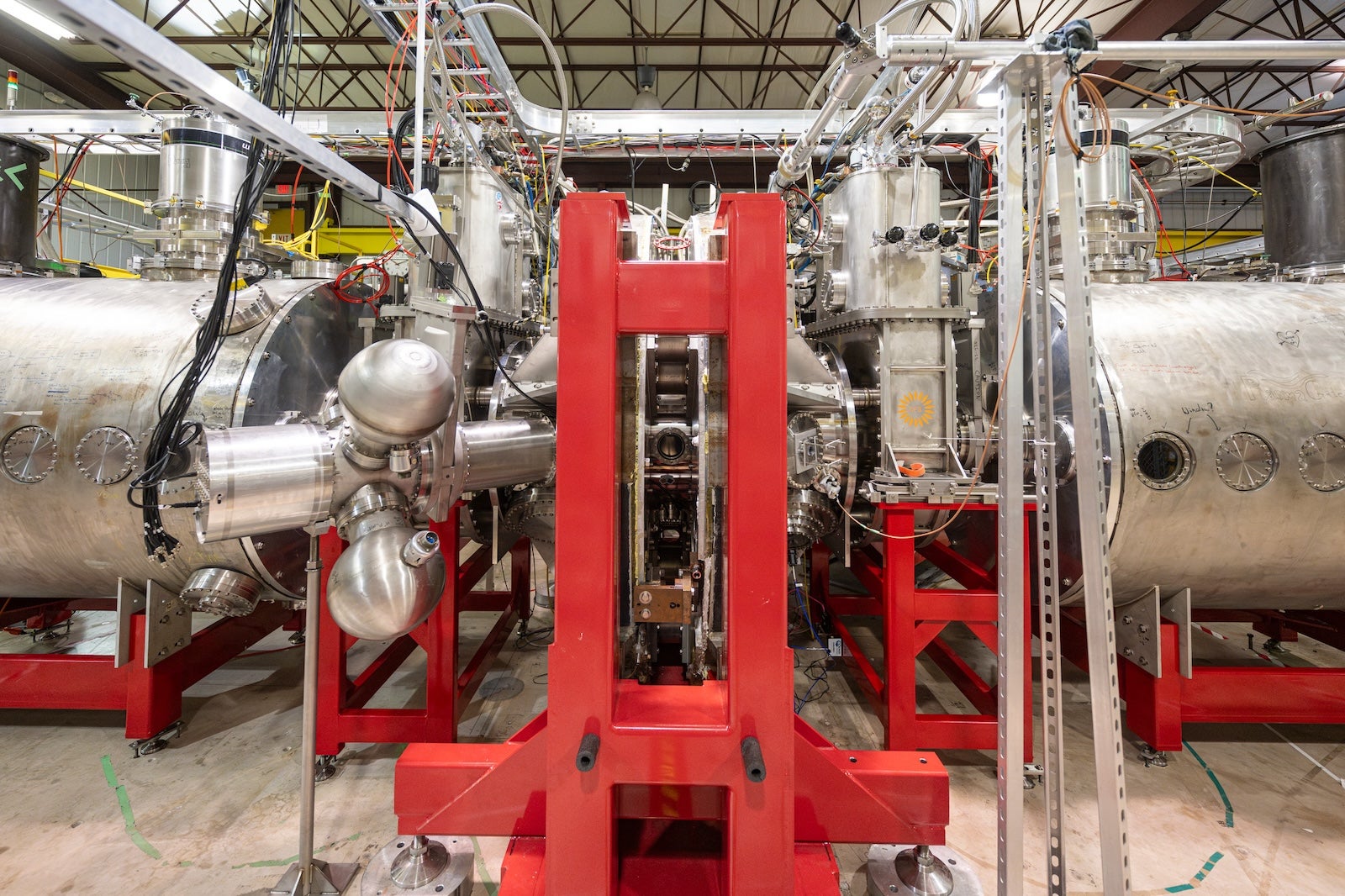
Furlong’s company works in partnership with University of Wisconsin-Madison researchers on the Wisconsin HTX Axisymmetric Mirror, or WHAM. In 2024, WHAM set a world record for the strongest steady magnetic field in fusion plasma.
Eduardo Garcia, energy editor for Reuters Events, told “Wisconsin Today” that, like with any new tech, he doesn’t see as clear a timeline for fusion.
“This is basically something that has never happened before,” Garcia said.
Garcia added that because there is such strong demand for abundant, clean energy, fusion companies are receiving enormous amounts of cash investment to meet that demand. He said fusion investors are often the same tech companies that are involved in building data centers for AI projects.
“The thirst for clean energy from big tech companies is almost infinite,” he said. “That might sound like an exaggeration, but nothing seems to be enough. Data centers need a lot of clean power, they need it around the clock and they need it to be fast.”
Last year, the Trump Administration’s Department of Energy created an Office of Fusion to manage fusion energy research. At the same time, President Donald Trump said he’s cutting back on American investments in wind and solar projects, preferring instead to look into nuclear power.
Trump’s social media company Trump Media, in partnership with fusion company TAE Technologies, announced last month that construction will begin this year on the nation’s first fusion energy plant.

Wisconsin Public Radio, © Copyright 2026, Board of Regents of the University of Wisconsin System and Wisconsin Educational Communications Board.