A consumer watchdog group is worried about who would foot the bill for the massive energy projects being built to power Wisconsin data centers if tech companies pull back their investments in AI.
For the last few months, some analysts have been warning of an AI “bubble.”A financial bubble happens when the price of an asset — in this case, AI technology — grows far beyond its actual value. In some cases, it’s caused by overly optimistic projections about how much the price will continue to grow. Investors get excited about its potential, leading to a “boom” and a race to invest as much as possible.
But eventually, bubbles burst.
News with a little more humanity
WPR’s “Wisconsin Today” newsletter keeps you connected to the state you love without feeling overwhelmed. No paywall. No agenda. No corporate filter.
If investors worry that an asset might not be as profitable as they first thought, they begin to sell off their investments. They race to cash out before prices drop further, and in turn, those prices crash.
Whether or not the AI industry is experiencing a bubble remains to be seen. But the consequences of a potential burst are a concern for Wisconsin communities hosting data centers.
“If (tech companies) got to a point where they felt like they needed to pull back some of their investment, because the return is not going to happen as fast as they think it is, you could see that impact certain communities,” Wall Street Journal tech columnist Dan Gallagher told WPR’s “Wisconsin Today.”
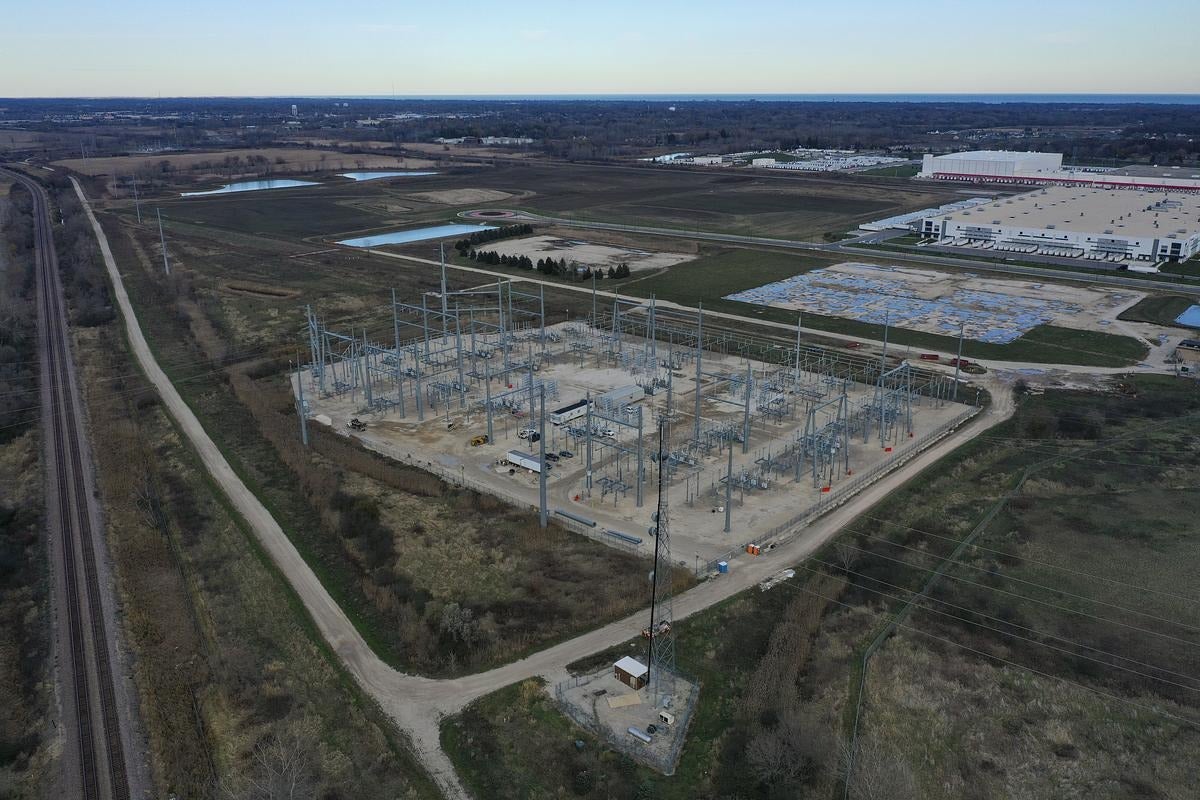
Unlike a factory, massive layoffs aren’t a concern a data center closes down or changes operations, since data centers employ few people. What data centers do need from their host communities, however, is a massive amount of energy. And Wisconsin utility companies are initiating billions of dollars worth of projects to meet that demand.
Tom Content is the executive director of the Citizens Utility Board of Wisconsin. He told “Wisconsin Today” he’s concerned that residential customers will end up footing the bill for new energy projects.
“When you pay for a power plant, rate payers are paying for that over 40 or 60 years,” Content said. “So if AI companies’ business plans change, we need to make sure that there are sufficient guarantees and exit fees and protections in place for the rest of the citizens of Wisconsin who will still be here.”
According to reporting from Wisconsin Watch, the new energy projects risk creating more than $1 billion in stranded assets — power plants that have shut down but are still being paid for by customers.
In a statement to WPR, a spokesperson for Microsoft expressed its commitment to the communities that are hosting its data centers.
“When we make the choice to be part of a community, we plan to be there for decades to come,” a spokesperson for Microsoft said. “Microsoft’s goal is that we are responsible for all of the costs of energy and new related infrastructure to serve our data center operations.”
Even if data centers don’t completely shut down, they may change their operations down the line. Content pointed out that increases in the energy efficiency of data centers could significantly reduce their energy demand and potentially reduce returns on the new energy projects.
Gallagher also said that tech companies may pivot to using the data center infrastructure for non-AI cloud computing, which is less energy intensive.
Laws, proposals seek to protect consumers from unexpected changes
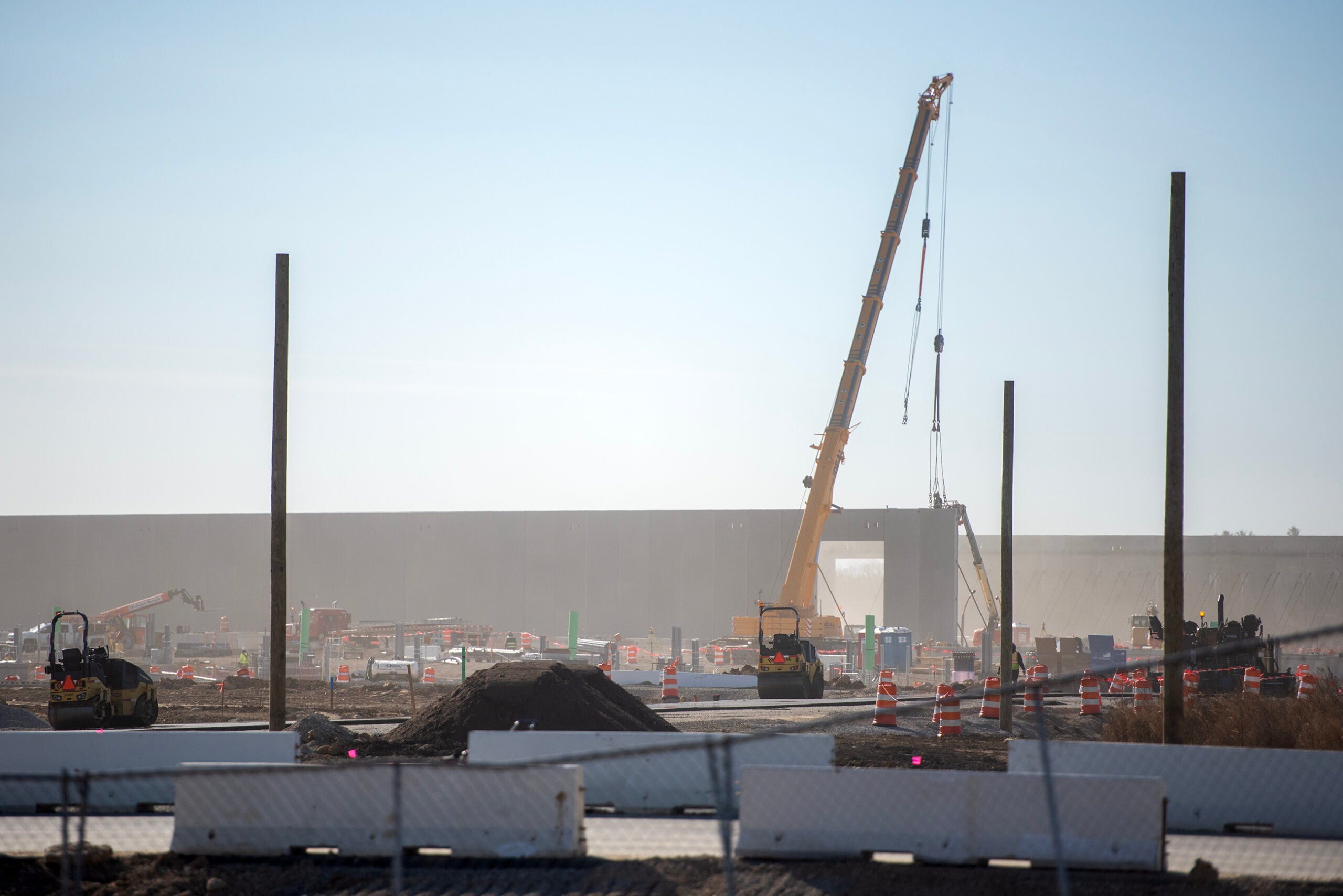
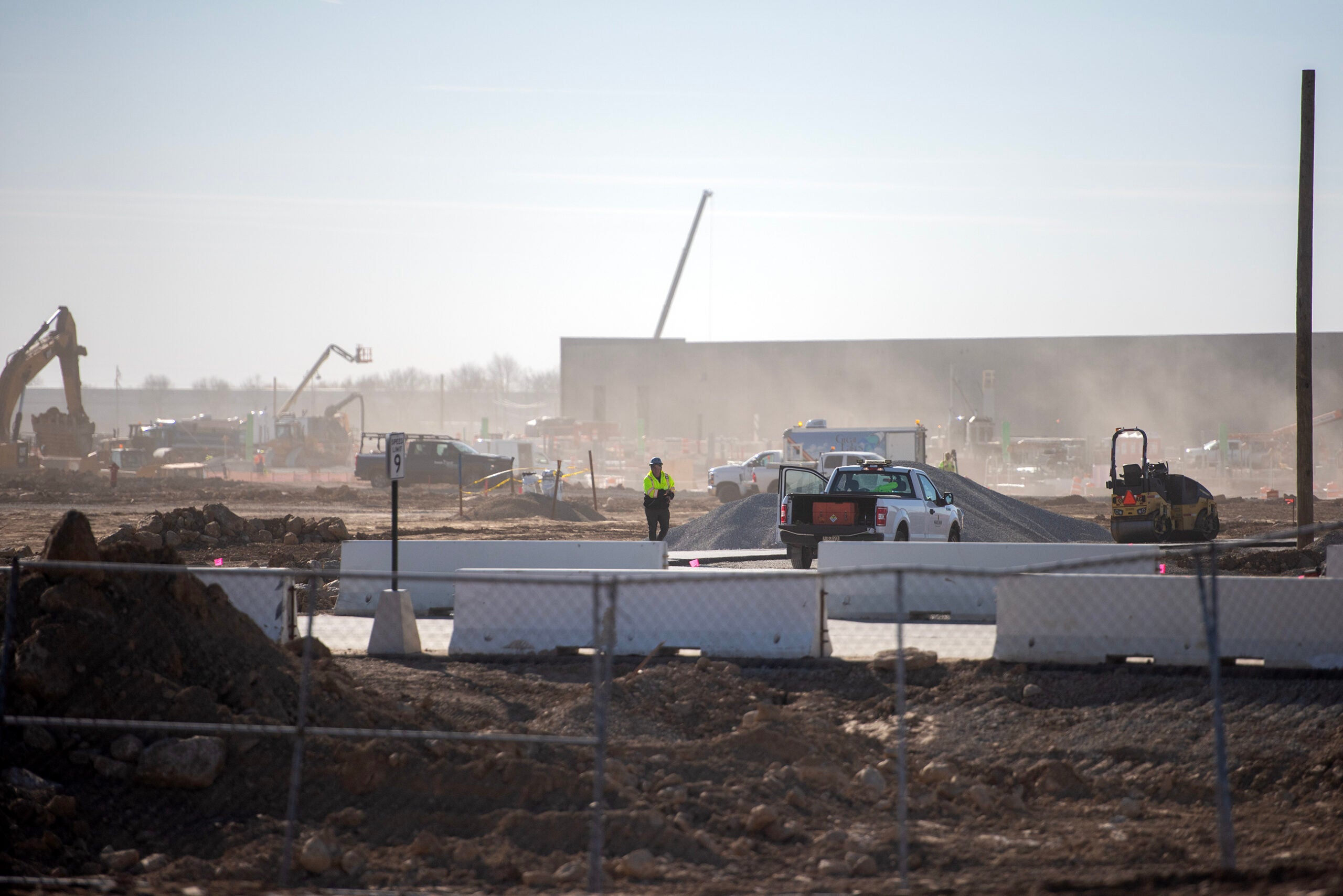
The Public Service Commission of Wisconsin is currently reviewing a proposal from We Energies that would establish special Very Large Customer, or VLC, rates for data centers and would require them to pay for the infrastructure built to serve them. We Energies will provide power to several planned data centers, including a $3.3 billion Microsoft data center in Mount Pleasant.
“In the event of termination the data centers will be fully responsible for paying those costs, unless we are able to repurpose the dedicated distribution facilities or power plants,” We Energies told WPR in a statement.
Microsoft also expressed support for the plan in its statement.
“I call this case the most important case that isn’t a rate case that we’ve ever undertaken in 46 years of the (Citizens Utility Board),” Content said. “The scale of these data centers is just so immense in terms of their energy needs.”
The Public Service Commission is also reviewing a similar proposal from Alliant Energy for the Meta Data Center project in Beaver Dam.
“Alliant Energy requires data center customers with an approved (Individual Contract Rate) to contractually backstop the infrastructure needed to serve their load, regardless of whether the facility achieves its expected operating level,” a spokesperson for Alliant told WPR in a statement. “This requirement significantly exceeds the typical obligations of non-ICR customers.”
Content said the Citizens Utility Board wants to make sure the consumer protection agreements are airtight before supporting them.
“We’re trying to make sure that there are sufficient consumer protections. We are concerned that not all the i’s have been dotted and not all the t’s have been crossed,” Content said.
In testimony to the Public Service Commission on the We Energies proposal, the Citizen’s Utility Board expressed concern about what happens in the event that a company cannot pay for the infrastructure because of its financial downfall.
The proposal does call for Very Large Customers like data centers to provide some sort of financial security “pledge” that the utility company can take money from if the VLC can’t pay for the infrastructure built to serve it. But the Citizens Utility Board objected to language within the proposal that it said provides exceptions to that rule for certain VLCs.
Content said his organization would prefer a statewide approach to regulating how data centers pay for energy infrastructure, rather than individual agreements with utilities. A bill introduced to the state Legislature in December would take steps in that direction.
The Public Service Commission of Wisconsin will be holding virtual public hearings for the We Energies and Alliant Energy proposals on Feb. 10 and Feb. 24, respectively.