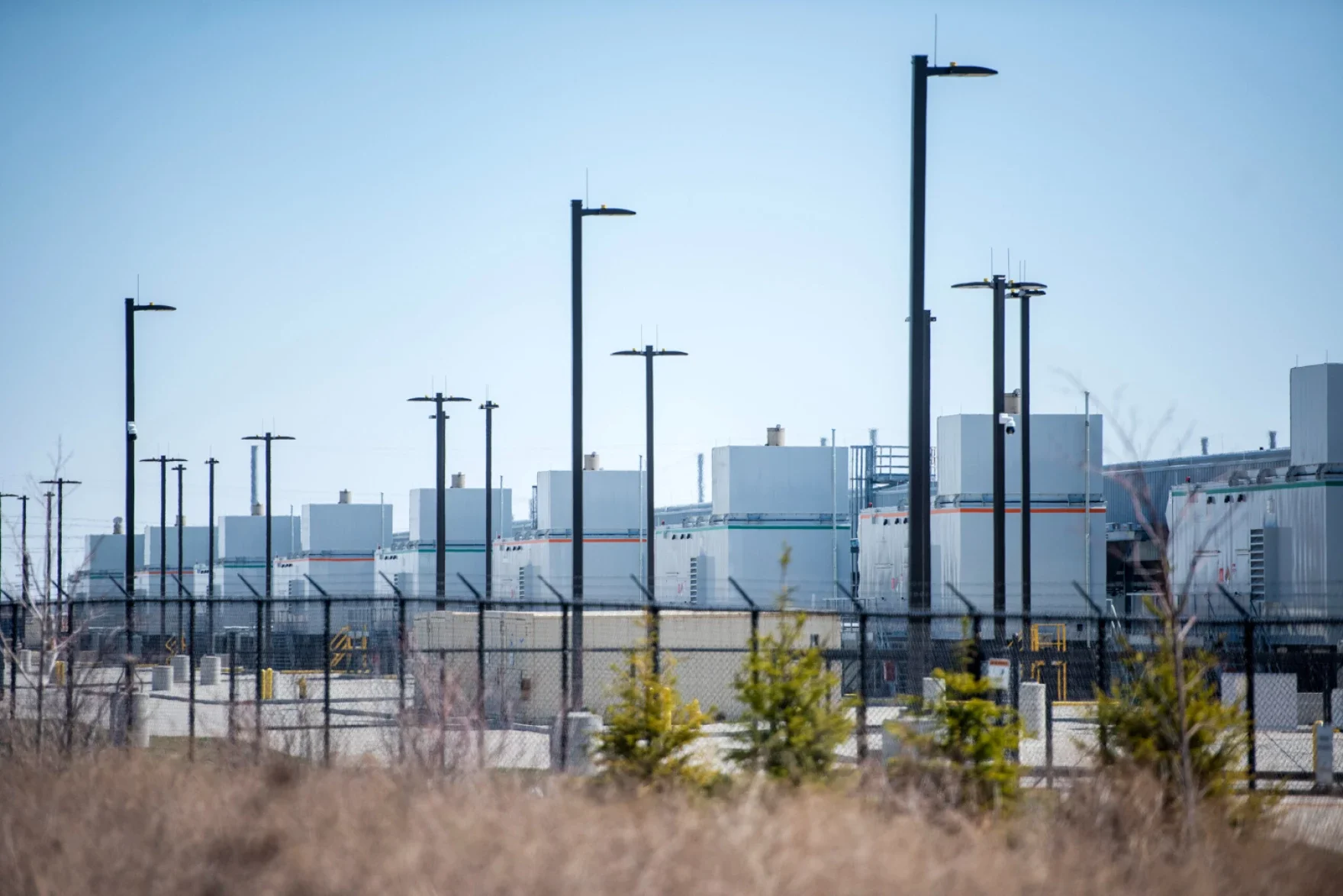

Three companies behind planned and ongoing data center developments on Thursday separately announced efforts aimed at supporting Wisconsin researchers and communities.
The announcements come as new polling shows most Wisconsin voters believe the costs associated with data center projects outweigh the benefits of those developments.
Microsoft, with venture capital firm TitletownTech, will connect researchers at the University of Wisconsin-Madison with a new artificial intelligence tool designed to accelerate research and development. According to Microsoft, UW-Madison is one of two universities in the nation that will gain early access to the new AI platform, dubbed “Microsoft Discovery.”
News with a little more humanity
WPR’s “Wisconsin Today” newsletter keeps you connected to the state you love without feeling overwhelmed. No paywall. No agenda. No corporate filter.
The company says the collaboration is unrelated to its data center developments in Wisconsin.
Meanwhile, QTS Data Centers, a Virginia-based developer planning a multi-billion dollar data center campus in Dane County, announced it will spend $50 million on community initiatives and cover the cost of energy infrastructure built to support the project.
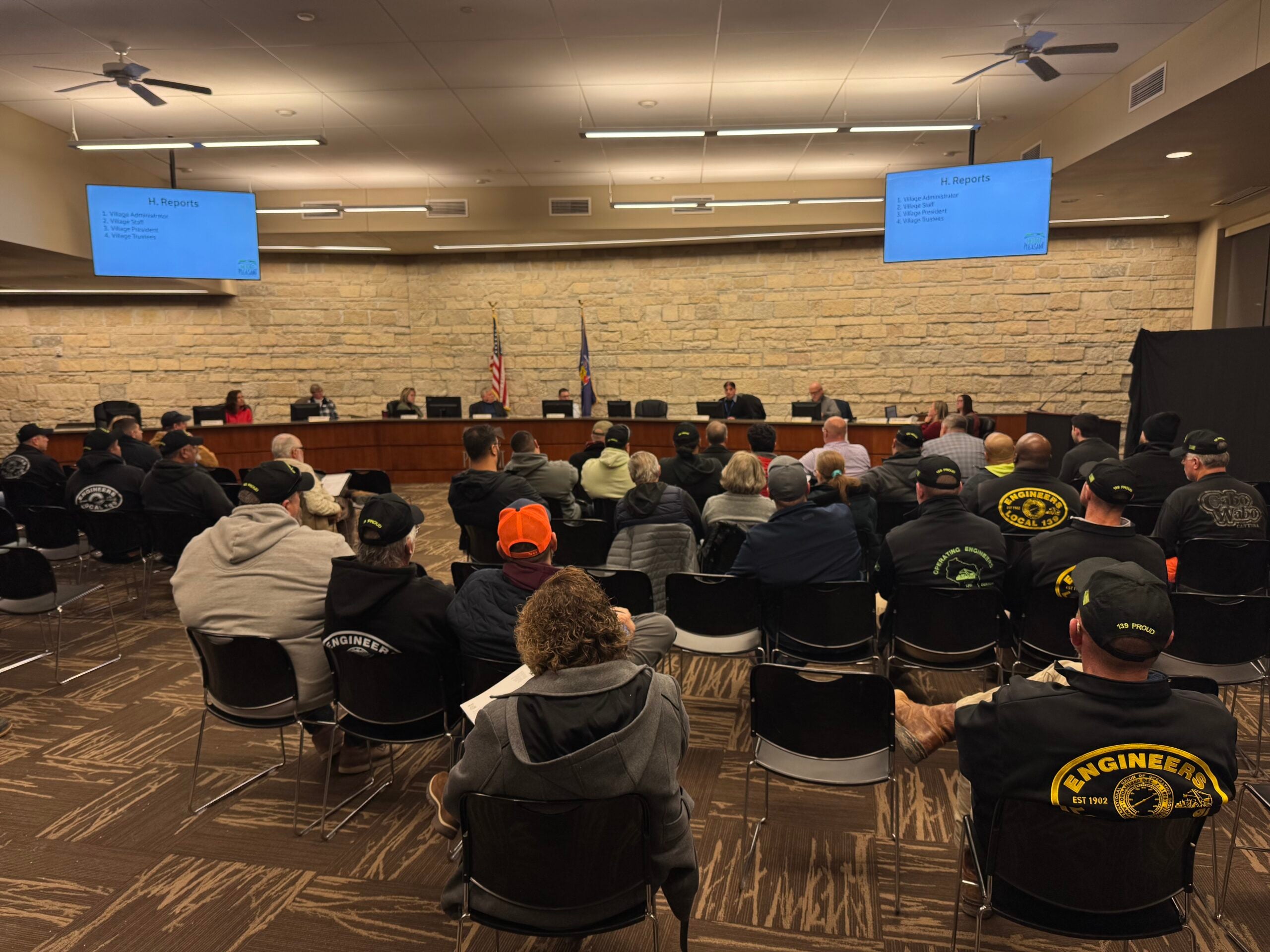
And Vantage Data Centers, the company behind a planned campus in Port Washington, also announced it will “rely on local union labor to the fullest extent possible” in the construction of its campus.
The announcements come the same week a Marquette University Law School poll showed 55 percent of Wisconsin voters think the costs of data centers outweigh the benefits.
Charles Franklin, director of the Marquette Law School poll, said data centers are an issue where there’s not much of a difference across political party affiliation.
“In all three party groups, there’s a little bit more that think the costs outweigh the benefits,” he said. “This seems to be an issue that may be with us for a little while, and we’ll see whether it develops and whether we start to see a partisan gap.”
Microsoft partnership aims to speed up scientific advancement
Jason Zander, an executive vice president at Microsoft, said the company’s collaboration with UW-Madison was based solely on where the company has a strong foundation that it can build on — not its data center plans.
In Wisconsin, that foundation includes TitletownTech, a venture capital firm formed through a partnership with the Green Bay Packers and Microsoft, as well as ongoing collaborations with the Universities of Wisconsin system, Zander said.
“Our goal is to advance science as much as possible … and the best way to do that is to find state of the art research that’s being done,” he said. “That’s why Madison is a great spot for us to land.”
Zander said the platform could accelerate research similarly to how AI tools help coders write software faster. He said the company already used the platform to develop a liquid immersion coolant for data centers in a fraction of the time it would’ve taken without AI.

Providing early access to the Microsoft Discovery platform to UW-Madison will help researchers design, simulate and analyze scientific problems faster while creating a network between business and academia, according to TitletownTech.
TitletownTech Managing Partner Jill Enos said the initiative builds on an existing partnership between the venture capital firm and the state’s university system. She said Princeton University is the only other university in the country receiving early access to the Microsoft Discovery platform.
“It means a lot for Wisconsin,” she said. “It showcases what we have here, which is an exceptional research university, but also a really strong industry base across the upper Midwest.”
UW-Madison Chancellor Jennifer Mnookin said the university is thrilled about the opportunity to collaborate with Microsoft and TitletownTech.
While the new partnership is still in very early stages, she said she hopes the Microsoft Discovery tool will aid research and lead to breakthroughs that can be commercialized.
“This platform may be able to speed up science that might have been doable anyway, but this may make it work faster and, possibly, even a higher degree of accuracy than we would have been able to achieve without it,” she said. “It’s also possible that using AI, we can ask some new questions that we wouldn’t be able to ask or assess without these tools.”
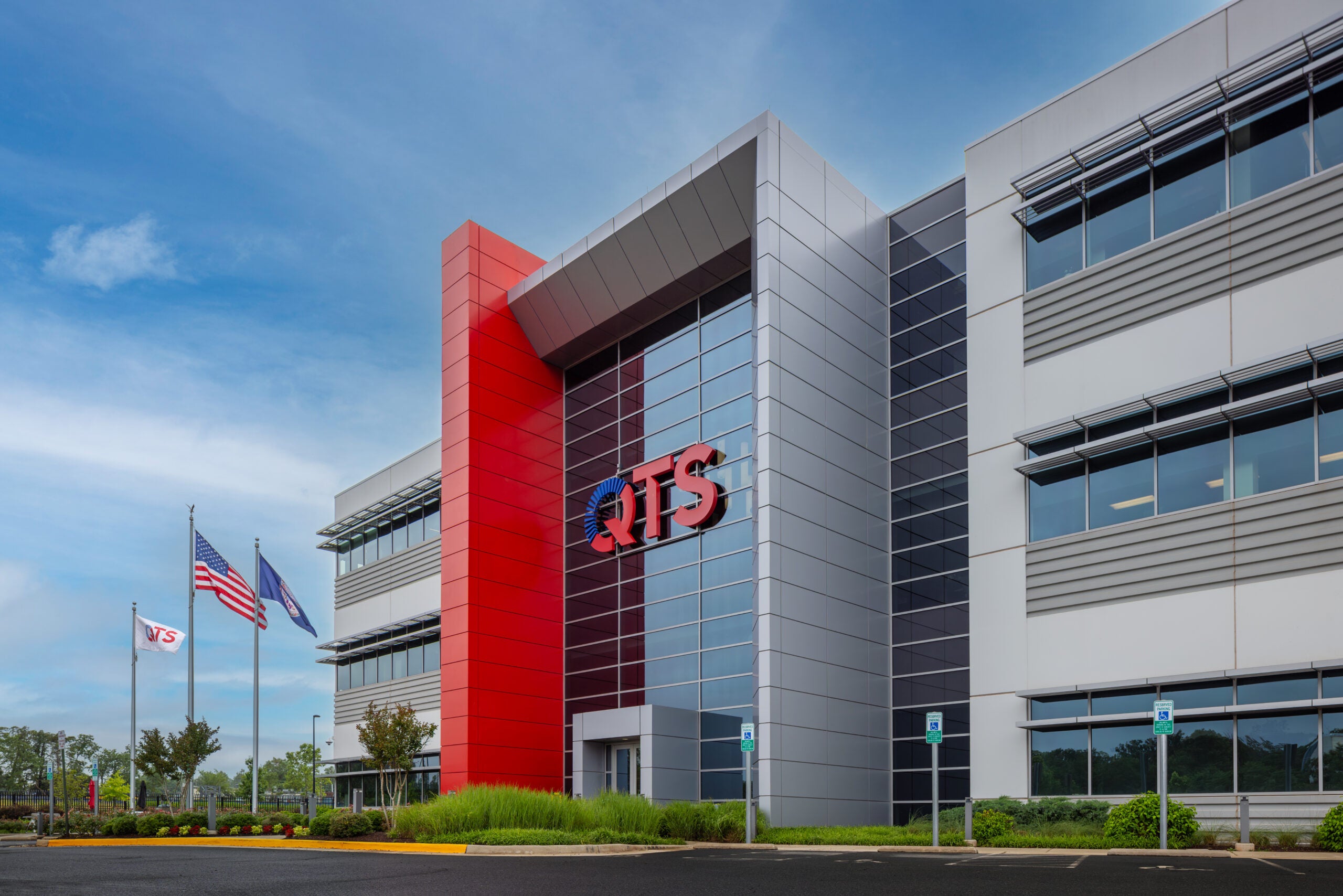
Developer eying Dane County project to invest in community initiatives
QTS Data Centers is planning a campus in Dane County’s village of DeForest and town of Vienna, and expects to submit a zoning application to the DeForest Village Board in November.
Tag Greason, the company’s co-chief executive officer, said the application would be for up to five buildings as part of the project’s first phase. Earlier this year, the company had said it could build as many as 15 buildings over the next decade. Each building would require around $300 million to $350 million of investment.
On Thursday, the company announced that it plans to spend a minimum of $50 million to support local initiatives to strengthen education, workforce development, housing and other needs across Dane County. Greason said the company would work with community organizations to help identify where the money could be spent to make the biggest impact.
“We want to come in and listen and be thoughtful about that spend,” he said. “But we want this to be a real commitment, like we’re going to come in and be part of this community for many, many, many years. We’re going to try to hire within the community and bring people from the surrounding area to work on the project.”
The planned investment comes as the Marquette poll showed the strongest opposition to data centers came in the Madison media market, with 63 percent of voters there saying the costs of data centers outweigh the benefits.
Greason said the company was unaware of the poll. But he said an agreement between QTS and Alliant Energy should alleviate community concerns about data centers leading to higher energy bills for consumers.
Raja Sundararajan, executive vice president of strategy and customer solutions for Alliant Energy, said the revenue the utility expects to collect from QTS will be enough to more than offset the cost to provide electricity.
QTS has also agreed to purchase renewable energy credits from around 750 megawatts of new renewable energy. That agreement still needs to be approved by the state Public Service Commission.
Sundarajan said those renewable projects are already in the company’s development pipeline. He said the purchase of renewable energy credits will help buy down the cost of renewable energy projects and will help the utility to “upsize those projects.”
“All the benefit of renewables goes to existing customers, because they are the ones who are mostly deriving the energy benefits and zero-fuel benefits of renewables,” he said.
Editor’s note: Alliant Energy is a sponsor of Wisconsin Public Radio. Wisconsin Public Radio is a service of the University of Wisconsin-Madison and the Wisconsin Educational Communications Board.

Wisconsin Public Radio, © Copyright 2026, Board of Regents of the University of Wisconsin System and Wisconsin Educational Communications Board.