An effort is underway to give historic designation status to two downtown Milwaukee buildings in an attempt to save them from potential demolition.
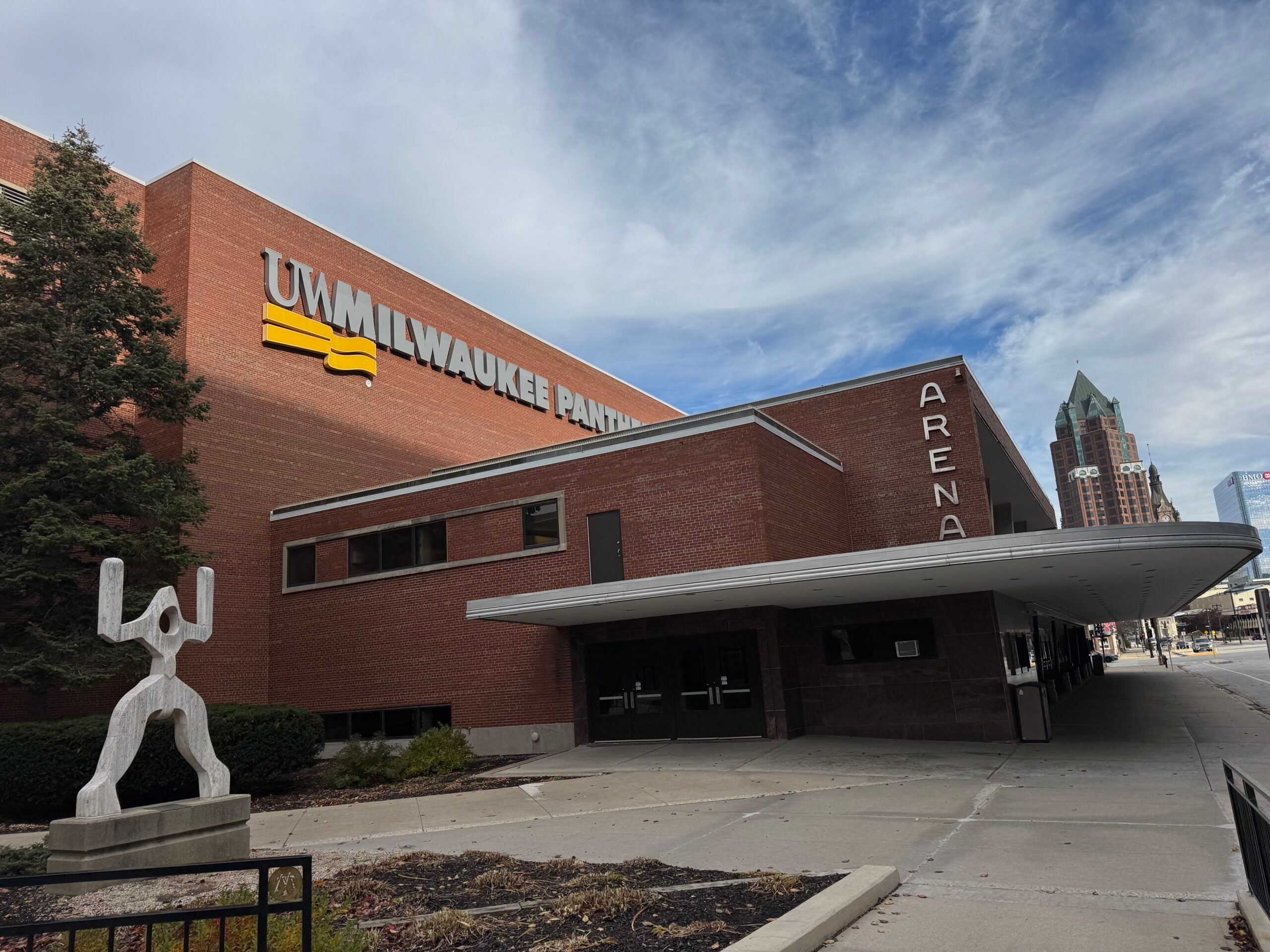
The University of Wisconsin-Milwaukee Panther Arena and Miller High Life Theatre have been in downtown Milwaukee for decades — hosting concerts, events and sports teams. The properties are owned and operated by the Wisconsin Center District, an agency created by the state in the 1990s.
But recent discussions about the future of those buildings have included the possibility of tearing them down to make way for a new development. That has led to an effort to grant historic designation status for the buildings.
News with a little more humanity
WPR’s “Wisconsin Today” newsletter keeps you connected to the state you love without feeling overwhelmed. No paywall. No agenda. No corporate filter.
Milwaukee Alder Bob Bauman said the recent discussions around “redevelopment and potential demolition” led him to seek the designation.
He said it wouldn’t necessarily protect the properties from being torn down. But it would require any demolition proposal to be approved by the Milwaukee Historic Preservation Commission and the Milwaukee Common Council.
“Any decision on that (demolition) should have broad public input and broad public participation and transparency to ensure that the public interest is served,” Bauman said.
“If they don’t get designated, the decision (to demolish) would solely be in the hands of a 17-member, unelected board,” Bauman said.
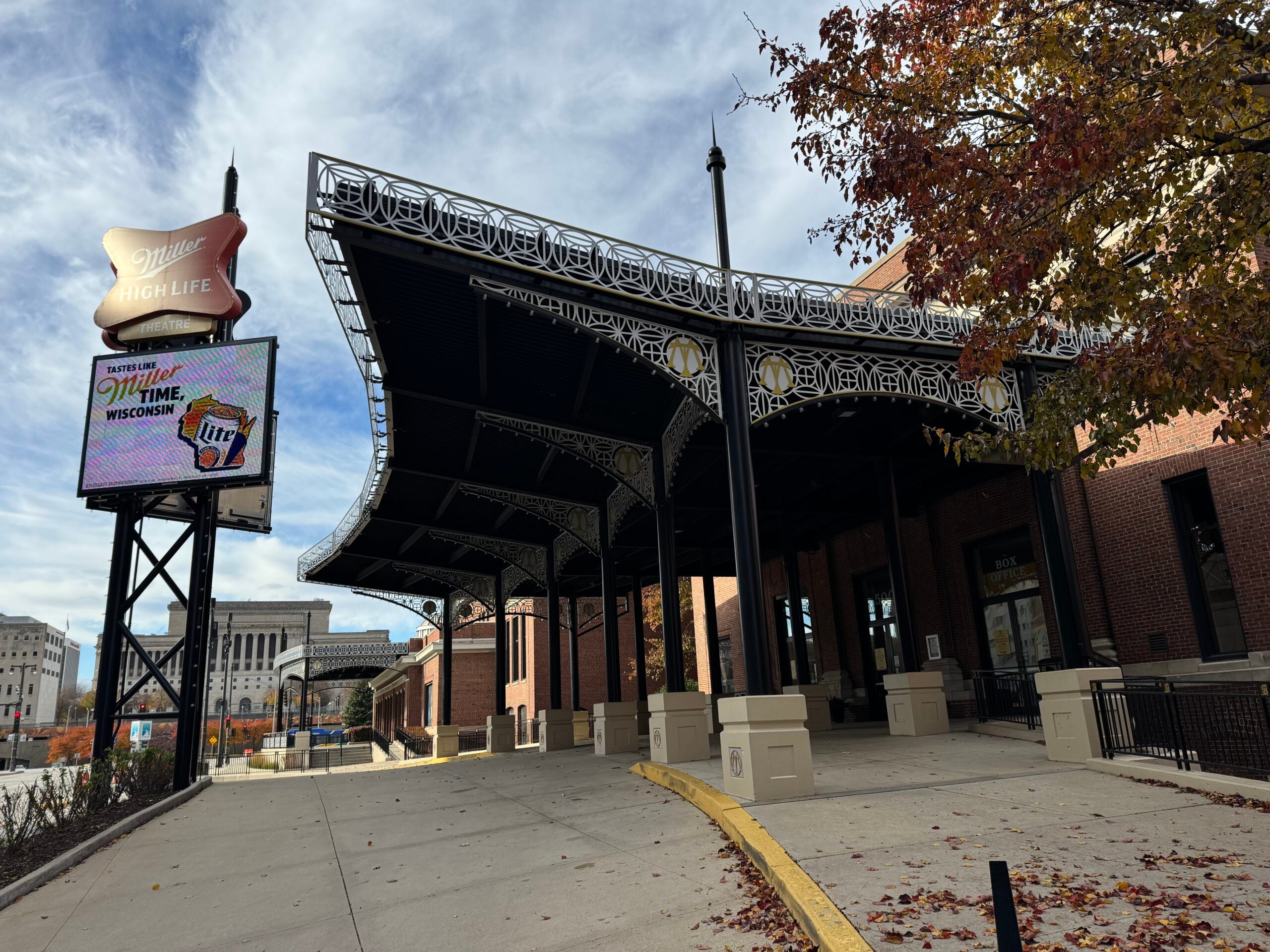
A study is underway to look at the potential future uses of the arena and theater, according to Marty Brooks, the CEO and president of the Wisconsin Center District. Brooks said that study was expanded earlier this year to include exploring locations for a hotel and convention center.
Brooks, who is against the historic designation, said the study will be presented to the district board in January.
“If at some point the best use of the properties is something new, why would we handcuff the people of Milwaukee with an onerous historic designation that could ultimately prohibit this site from contributing to the vibrancy of downtown?” Brooks said during the committee meeting on Tuesday.
The Miller High Life Theatre, which opened in 1909, has hosted countless concerts, events and political rallies over the years. The building, formerly known as the Milwaukee Auditorium, was where former President Theodore Roosevelt gave a campaign speech in 1912 after he was shot during an assassination attempt.
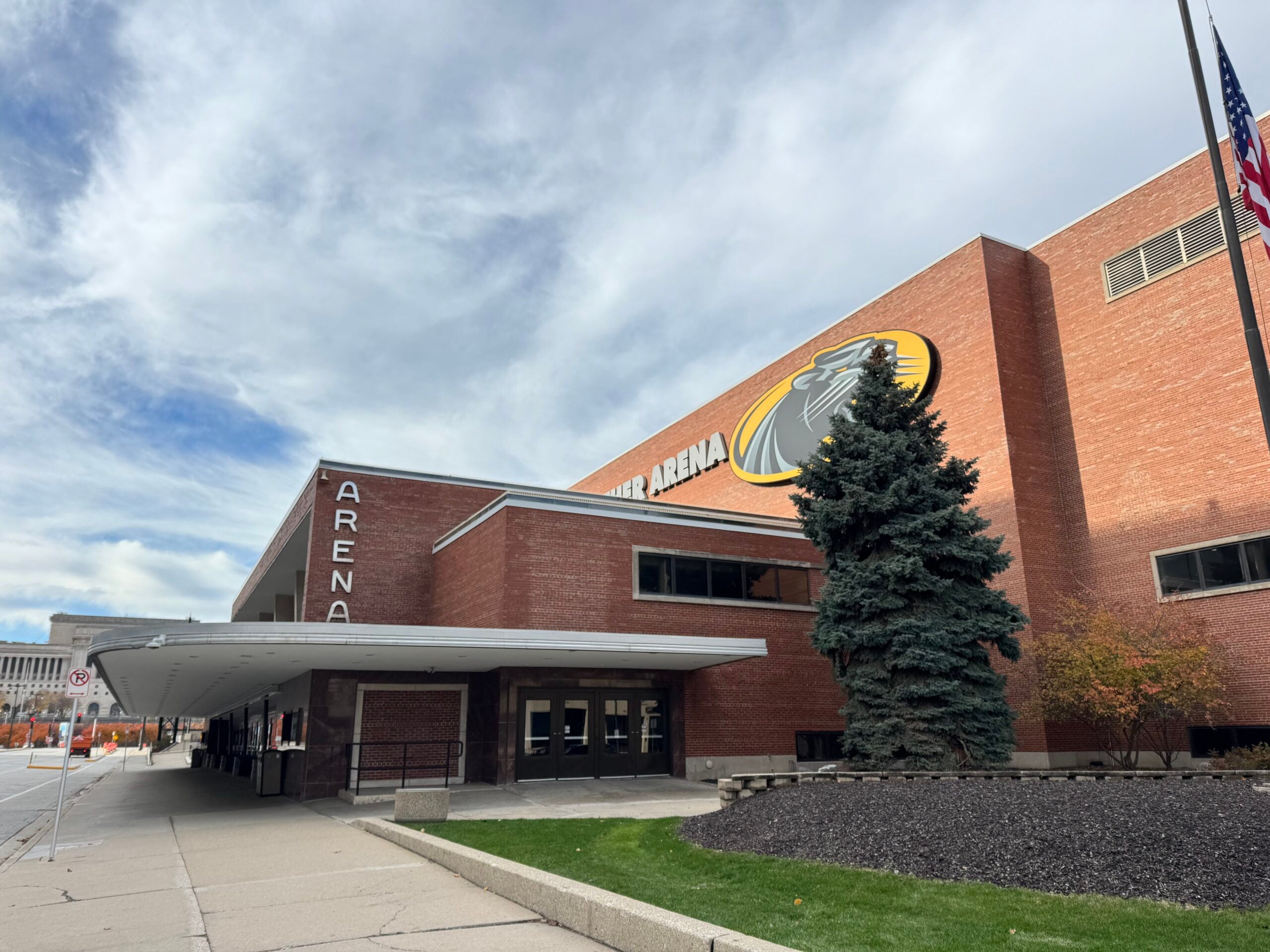
The UW-Milwaukee Panther Arena opened in 1950. The building, which has seating capacity for over 12,000, is the current home of the UW-Milwaukee’s men’s college basketball team, the Milwaukee Admirals and the Milwaukee Wave.
“The loss of this building would put those teams —and the economic activity that they generate — at risk,” said Keri Duce, chief government relations officer for UW-Milwaukee.
In a statement, a spokesperson for UW-Milwaukee said the arena is “vitally important” to the men’s basketball program. The spokesperson also wrote that the arena hosts graduation ceremonies throughout the year, including for UW-Milwaukee, Milwaukee Area Technical College and Milwaukee Public Schools.

The Milwaukee Admirals, a hockey team in the American Hockey League, has been in the city since 1970.
“We believe that we all benefit from a vibrant downtown,” Harris Turer, the owner and CEO of the Admirals, said during the committee meeting. “What we are against is the knocking down of this historic arena to be replaced by a hotel.”
Turer told WPR he could not speculate on whether the team would stay in the city if the arena is torn down.
“What we’re trying to do now is fight to keep Panther Arena going, to be a viable entity, not only now but for into the future,” he said.
UW-Milwaukee has a lease that runs until 2029, while the Admirals’ lease runs until 2027. Turer said they are looking to extend that lease through 2029.
Emma Rudd, the executive director of the Milwaukee Preservation Alliance, said the buildings “represent generations of memories.” The historic designation status, she said, is “not the antithesis of progress.”
“It is simply a promise,” Rudd said. “It’s a promise of transparency and acknowledgement to the public that our city understands and values our stories, and a promise to our future generations that no matter the outcome or the changes to the site, there is oversight.”
During the city Zoning, Neighborhoods and Development Committee meeting, Brooks said any future decisions could be years years down the road.
“Operating venues of that age will become unsustainable at some point in time,” Brooks said during the committee meeting. “Maintenance costs climb steeply with age.”
The committee recommended the historic designation status this week. The Milwaukee Common Council is set to vote on the status Tuesday.

Wisconsin Public Radio, © Copyright 2026, Board of Regents of the University of Wisconsin System and Wisconsin Educational Communications Board.