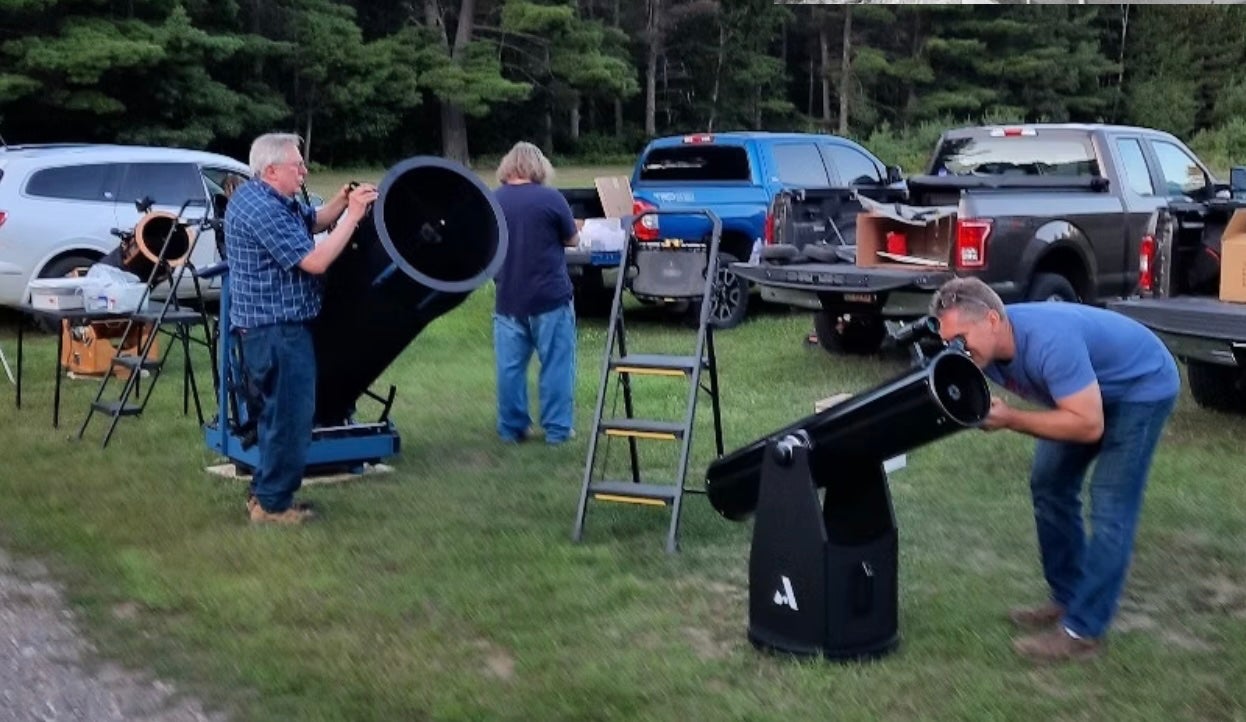
On any given night in north-central Wisconsin, if the skies are clear and the timing is right, chances are good that Jim Head and the Northwoods Explorers of Space and Astronomy are out with telescopes pointed skyward.
Based in Minocqua, the nonprofit organization focuses on hands-on experiences, educational outreach and community events that aim to cultivate a better understanding of astronomy. Volunteers bring high-quality telescopes to gatherings throughout the region, providing opportunities to view deep-sky objects, planets, lunar craters and other celestial sights.
In a conversation on “Morning Edition,” Head said he was inspired to form the club after being invited to speak at local events as a NASA Solar System Ambassador. That led to a Rhinelander Public Library presentation that drew dozens of attendees and prompted calls for a permanent astronomy group.
News with a little more humanity
WPR’s “Wisconsin Today” newsletter keeps you connected to the state you love without feeling overwhelmed. No paywall. No agenda. No corporate filter.
“They all said, ‘You’ve got to start an astronomy club,’ so I did,” Head said.
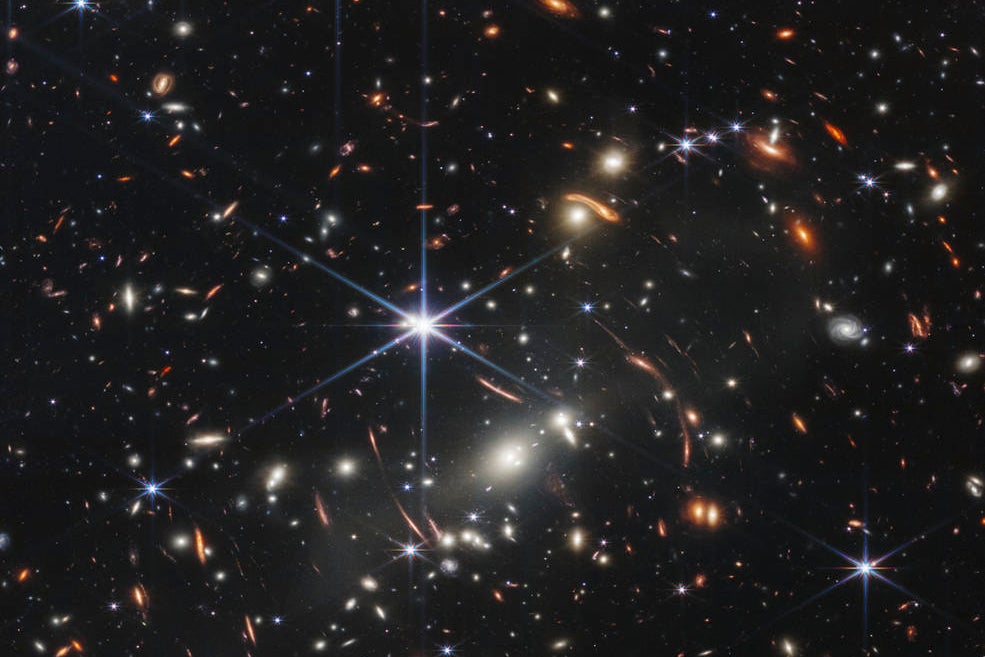
In addition to public events, the club offers practical support for beginners, including the chance to borrow telescopes before buying and a range of resources to learn more about the night sky.
While the Northwoods still enjoys relatively dark skies, light pollution has become more of a challenge over the years. Head said the club is actively encouraging residents to reduce glare and skyglow from outdoor lighting, which benefits both stargazing and nocturnal wildlife.
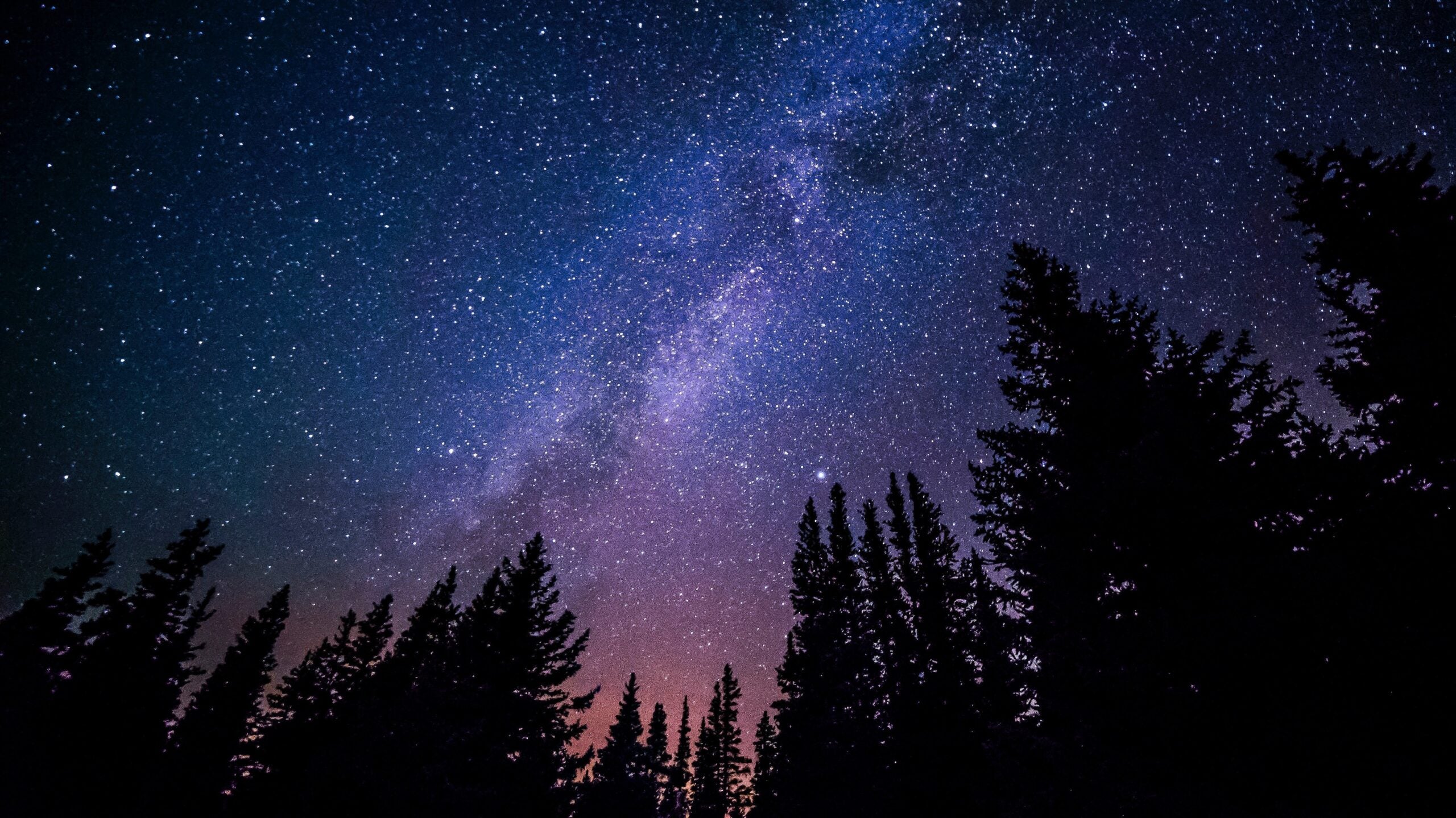
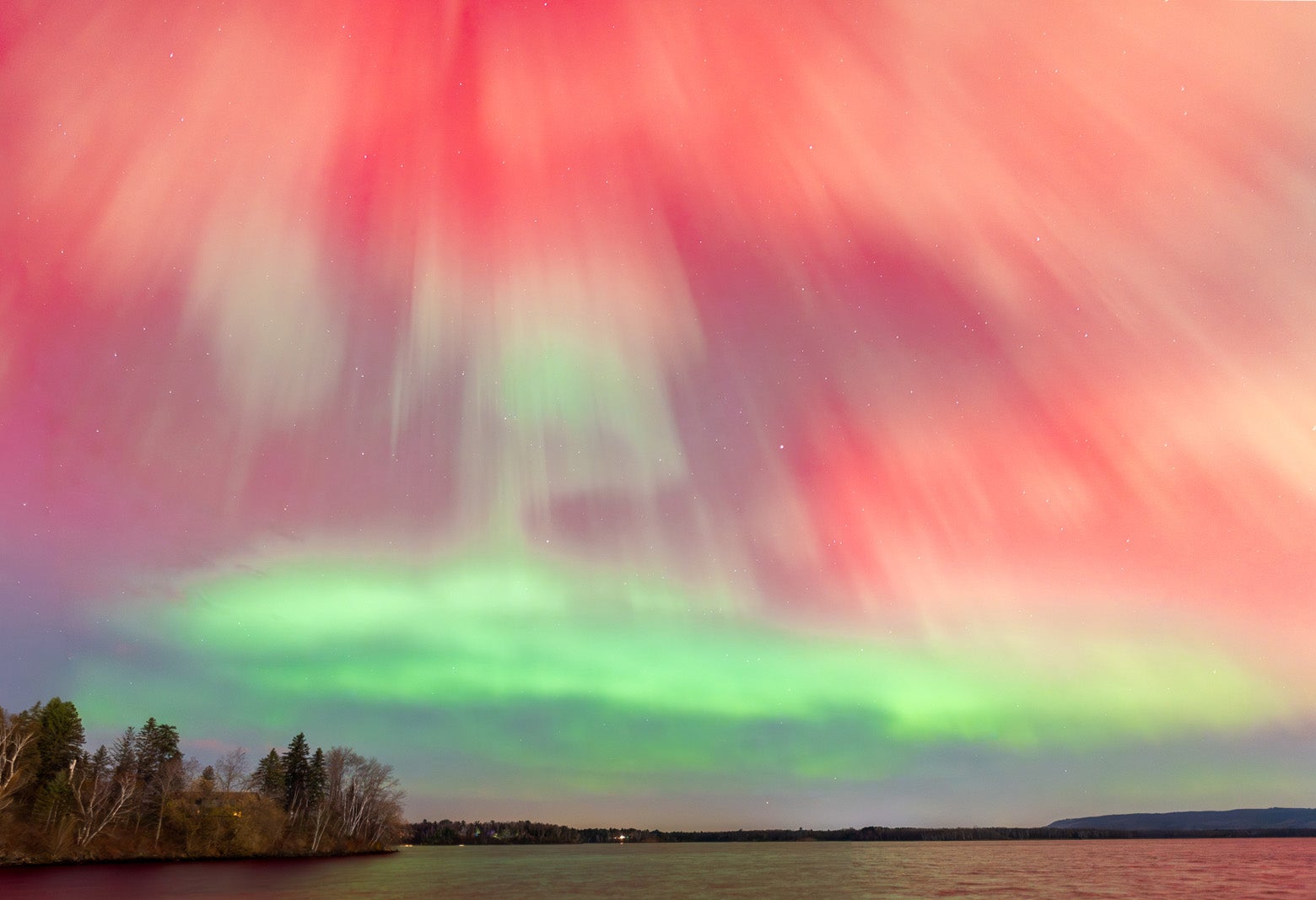
Northern Wisconsin’s location offers clear views of celestial phenomena like the Northern Lights, especially during periods of high solar activity. Head, who is president of the organization, said this year’s displays have been particularly vivid due to the sun’s current solar cycle, with brilliant hues stretching far beyond the usual northern regions.
The following interview was edited for brevity and clarity.
Shereen Siewert: Why is astronomy so exciting to you?
Jim Head: When I was 5 years old, in 1957, I looked above and I saw Sputnik overhead at night and that’s when I realized that there is space above our planet.
I became very excited and and got really into astronomy as a kid. I had my first telescope at 10 and I learned how to use it, which was quite a challenge because we didn’t have computers back then to help us find what we were looking for. The telescope was on the roof, and I had to climb a tree to get there to observe the night sky. That’s how it started for me.
SS: You’ve been doing this a long time. Is there a particular moment or a night sky event you’ve witnessed in Wisconsin that’s still gives you chills to think about?
JH: The comet last fall was just amazing. We set up in downtown Minocqua and had quite a few people and some great telescopes to see the comet up close.
The best of all was the total solar eclipse last year. You could see it in Wisconsin but there were many other states from Texas to Maine where you could see it even more clearly, and the weather ended up cooperating. I was in a Walmart parking lot in Maine, and they closed the store to let all the employees out to watch it. There were probably 200 people in the parking lot.
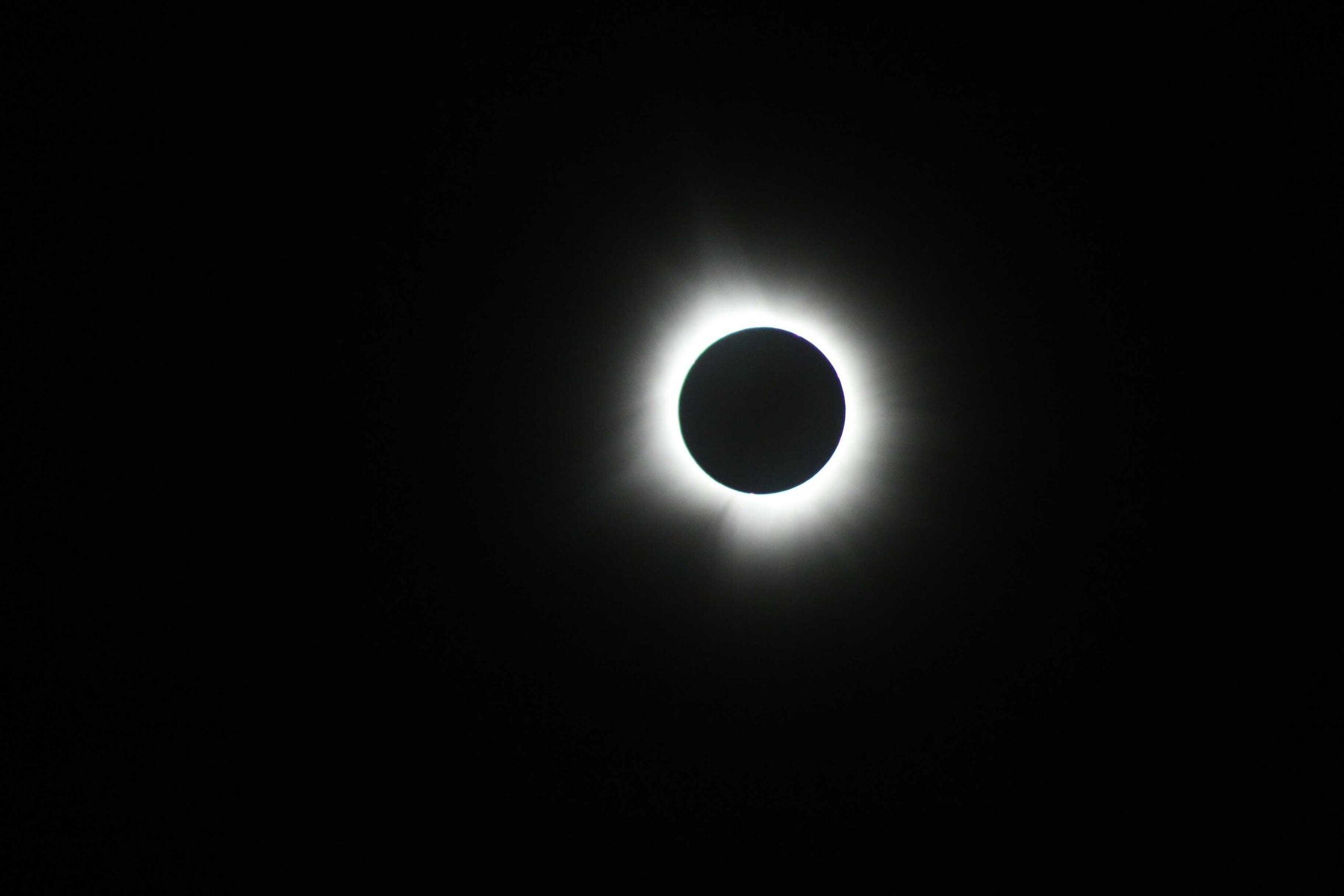
When it gets dark during a total solar eclipse the temperature drops 20 degrees, the wind kicks up and it just gives you a chilly feeling. We really saw a great show.
SS: How does Wisconsin specific location affect what we see in the sky?
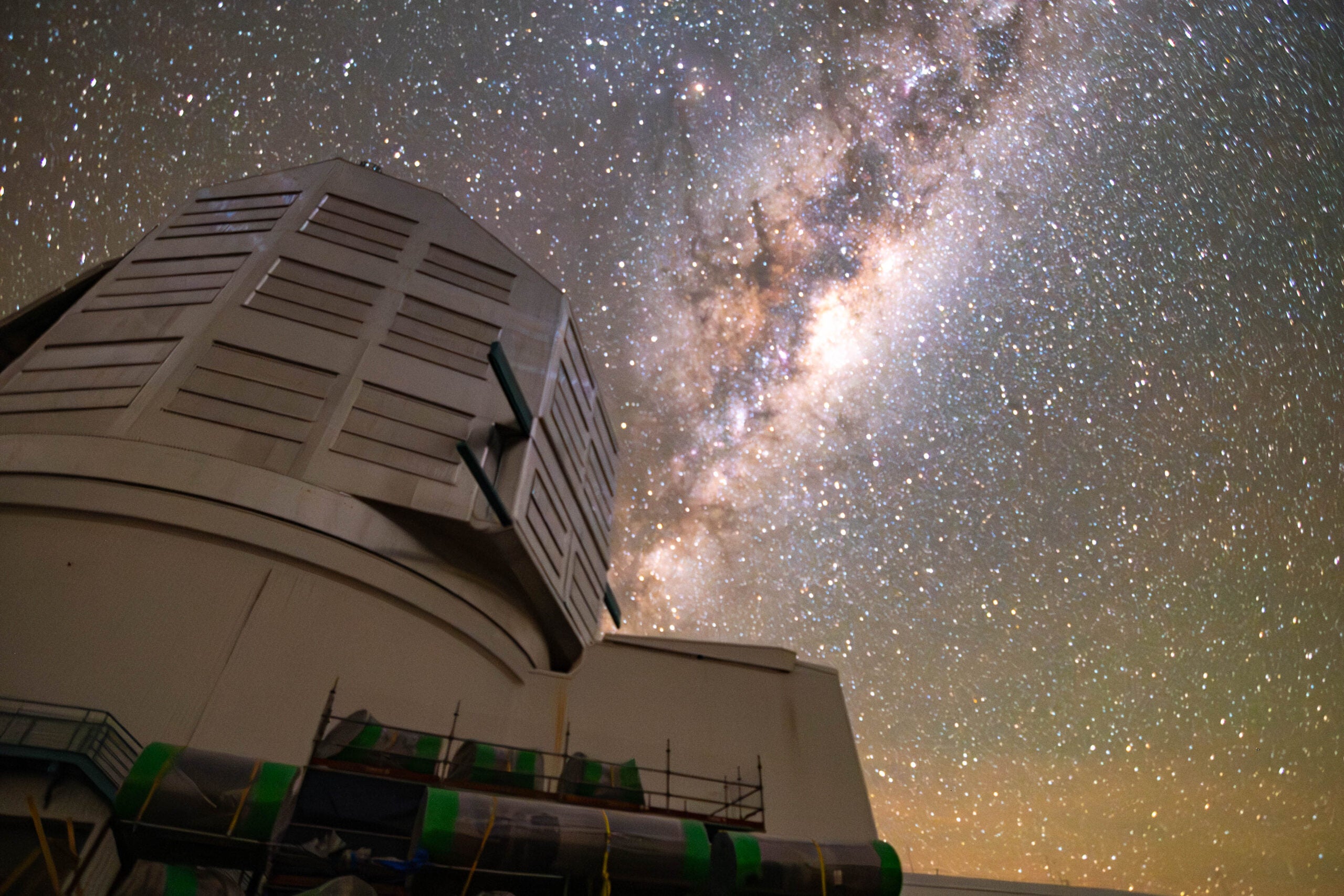
JH: Most of the objects you want to see in the sky are typically a bit better seen in the south. Here in the north, you can only see a portion of the central Milky Way galaxy, for example. If you were in Peru or New Zealand, you could see the whole thing.
But there are many objects in the deep sky that you can see clearly, such as the Northern Lights, which are best seen the farther north you go.
SS: It feels like the Northern Lights are so much brighter here than anywhere else. Why is that?
JH: The Northern Lights are a result of activity in the sun, which is very active right now. We’re in the middle of its solar cycle. When there are a lot of sun spots, sometimes all this energy gets sent back to Earth, and if it hits us the right way — it’s almost like you’re a football player trying to hit a receiver. Earth is the receiver and the sun is the quarterback, and we have to be in just the right trajectory for it to get here.
The closer you are to either the North Pole or South Pole, the more energy there is to see. If the energy sent is very strong, it can show up farther south.
Last spring there were a couple auroras that went all the way down to Illinois. There, they saw a light green effect. Here it was an amazing display of colors from orange to red and blue. It’s just fascinating.
SS: How has light pollution changed in northern Wisconsin over the past decade?
JH: It is significantly worse. I’ve been here since the ’50s and we used to see very dark skies at night and now, we only see that darkness on the best of nights.
Many people think if you get up on a hill it’s the best view, but with respect to rolling hills it’s best to be in a bit of a valley. The hills can block the light dome of nearby cities so you get a good view of the sky. It’s still pretty good in the Northwoods but in metropolitan areas it’s been terrible.
We are working with a light program to help people understand how to work with their lights in their yards so they don’t cast as much light in the night sky. That’s better for seeing what’s in the sky and also for things like fireflies and other creatures that like the darkness.
SS: What are some mobile apps or other tools that you would suggest that could enhance the experience for people who are just getting into this?
JH: If you want to find out where something is in the sky, you can use Stellarium. It’s a free download, a planetarium program that you can set for any location and any date either in the future or past.
If you’re planning a camping trip, for example, you can check there and see what’s going to be in the night sky so you know.
SS: How hard is it to choose the right telescope?
JH: If you’re a member of our club, or one of the many other astronomy clubs that offer the same program, you can borrow telescopes before you buy one.
It’s difficult for people to learn how to use a telescope for the first time. Sometimes people are frustrated when they buy one from a department store because they just don’t work all that well. Our eyes don’t see color unless you have a lot of light, and in a small telescope, you won’t see color at all. That means you would need a really big telescope, one that’s heavy and expensive and difficult to work to see color visually.
Now, though, there is a new development in smart telescopes that connect to your phone. These telescopes create a hotspot and solve the night sky for you. They tell you what’s up there and shows it on your phone. You can just click on an object and it will go there, start imaging it and show you the result. It’s a fascinating process.
If you have an idea about something in central Wisconsin you think we should talk about on “Morning Edition,” send it to us at central@wpr.org.