As Wisconsin approaches the shortest day of the year, the winter solstice marks a turning point that brings both long nights and some of the season’s best skywatching opportunities.
Dr. Sebastian Zamfir, assistant professor of astronomy and physics at the University of Wisconsin–Stevens Point and director of the Allen F. Blocher Planetarium, said the solstice is an invitation to explore the night sky, as winter’s cold, dry air sharpens visibility.
“You can actually fight the cold and enjoy something amazing,” he said, in a conversation on WPR’s “Morning Edition.”
News with a little more humanity
WPR’s “Wisconsin Today” newsletter keeps you connected to the state you love without feeling overwhelmed. No paywall. No agenda. No corporate filter.
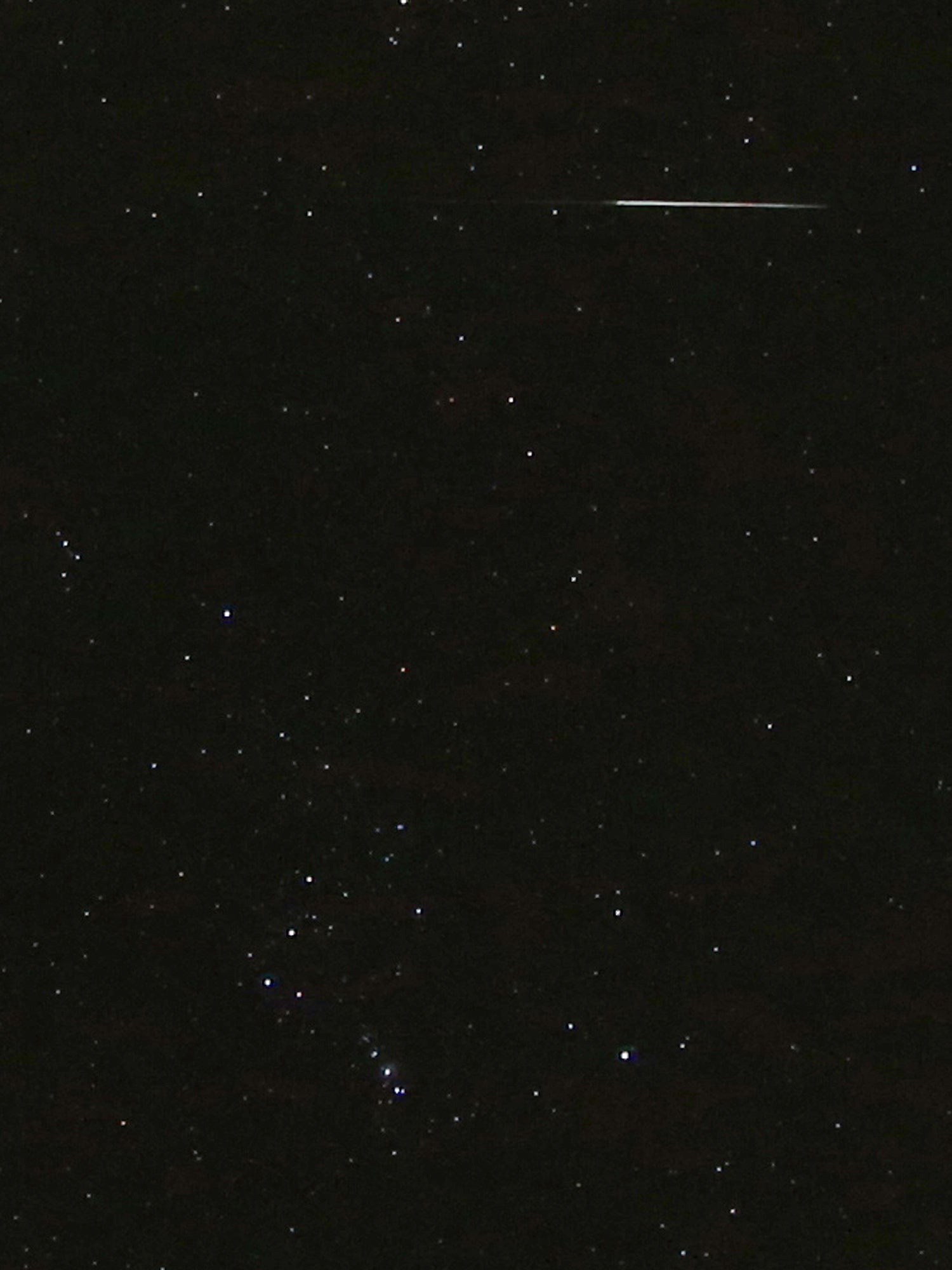
The solstice itself is tied to Earth’s tilt, when the sun reaches its lowest midday arc and daylight reaches its annual minimum. That extended darkness coincides with the return of some of the sky’s most familiar winter markers. The Geminids meteor shower typically peaks in mid-December, while the constellation Orion and the bright Pleiades cluster dominate the southern evening sky.
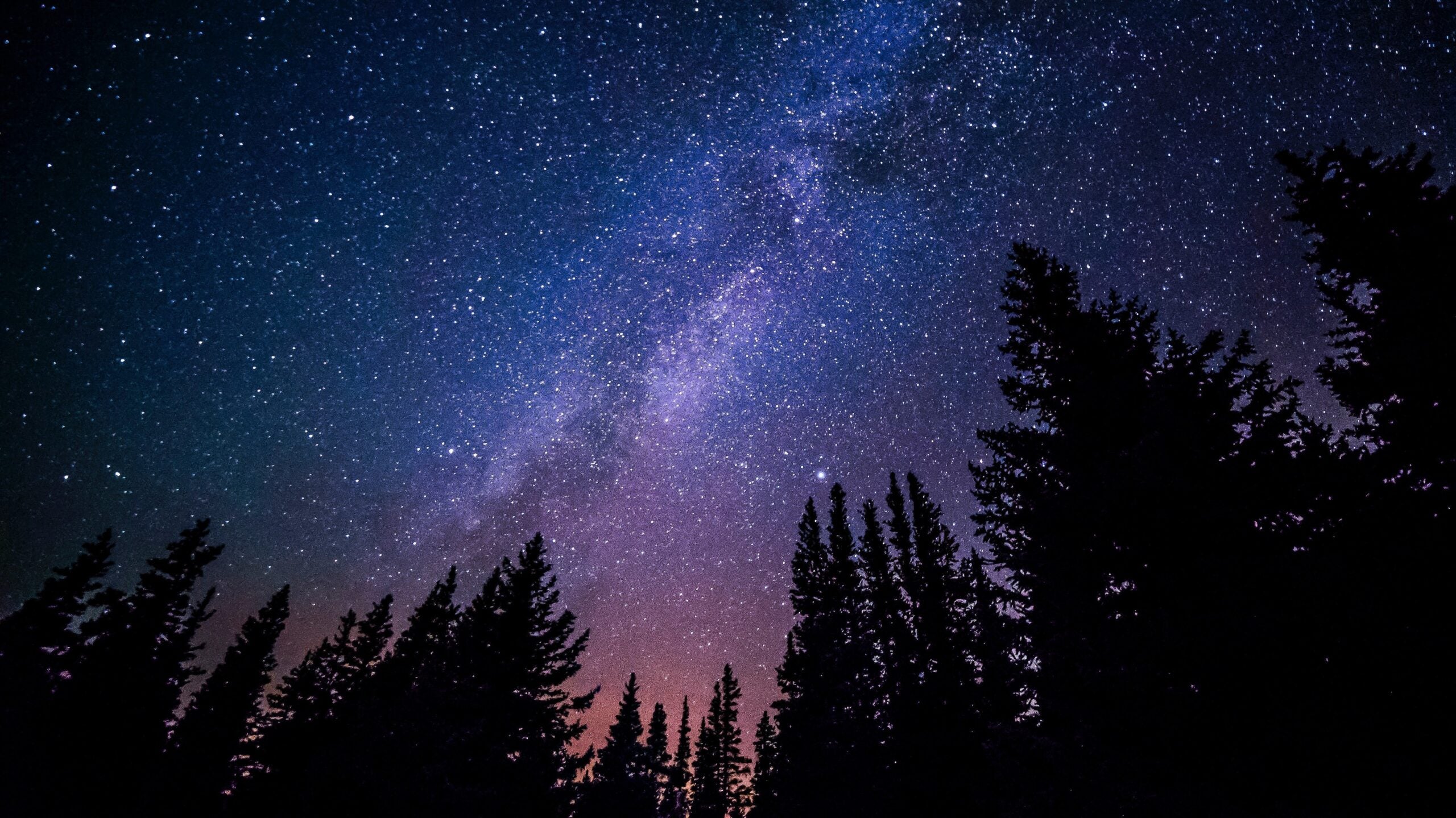
For those willing to step outside city limits, the season offers rare clarity: deep-sky objects such as the Orion Nebula can be glimpsed with the unaided eye from dark rural areas. Even backyard binoculars can reveal crisp details not easily seen in warmer months.
Zamfir said many cultures have long viewed this moment as a hinge in the year — a point where uncertainty about the fading sun gives way to ceremonies meant to welcome its return. Ancient communities built early calendars, tracked seasonal shifts through celestial alignments and marked the solstice as both a practical tool for survival and a symbol of resilience.
“Stonehenge, for example, is essentially a calendar of sorts,” he said.
While the solstice marks the year’s deepest darkness, it also represents renewal — a moment that invites reflection, celebration and a chance to step outside and look up.
The following interview was edited for brevity and clarity.
Shereen Siewert: What exactly happens during the winter solstice from an astronomical perspective?
Sebastian Zamfir: The winter solstice marks the beginning of the astronomical winter. It’s essentially the date when the sun will be at the lowest elevation above the southern horizon at midday. It is the shortest day of the year, which also means it is the longest nighttime of the year. And around that date, we see the smallest changes in the duration of daytime from one day to the next.
SS: Which constellations or planetary events will be most prominent and visible at this time in central Wisconsin?
SZ: Many people anticipate a spectacular meteor shower, which is known as the Geminids. And looking south, where the winter sky is offering its glorious beauty, we have the Orion constellation, probably the most easily identifiable pattern. You can see two bright stars in the shoulders, two bright stars in the feet, and in the middle, there are three stars neatly aligned to create the belt. If you draw a line connecting the three stars in the belt and you make that line a bit longer behind the hunter looking eastward, you’ll arrive at the brightest star in the sky known as Sirius. Sirius is the brightest in the constellation known as Canis Major, the big dog of Orion. Now, if you use the belt of Orion, the three stars in the belt, and this time you draw the line forward, you’ll arrive at the distinctive letter V, which is the Hyades cluster and associated with the face of Taurus, the bull. A bit farther along that line, if you go past the face of Taurus, you arrive at a compact grouping of stars, which really reminds us of a tiny little mini dipper made of six or seven bluish bright stars. And that’s known as the Pleiades or the seven sisters. In the Sword of Orion, which is a collection of three apparent dots, kind of vertically aligned, we have three stars, but the middle dot in the Sword of Orion, it’s actually not a star. It’s a beautiful nebula; we call it a stellar nursery. From the darkness of the countryside, far away from the street lamps and the light pollution of our neighborhoods, we can actually see it with our unaided eyes. It is the closest stellar nursery to our solar system.
SS: Tell us how ancient civilizations and cultures used the sun’s lowest arc, the turning of the seasons, to shape their midwinter rituals.
SZ: In ancient times, people had a very different connection to the night sky. Around the winter solstice time, they noticed that the sun kept going down in elevation and they thought, what if the sun kept going? What if it hides and we’re left without heat and warmth? So, they developed celebrations to convince the sun to turn back upward and save the world. Also, thousands of years ago, the idea of keeping track of time was a very serious business. People really had to know when to put seeds on the ground, when to plant, when to harvest, otherwise they would die. There was a necessity of creating some sort of calendar for practical purposes. They began marking the progression of time by marking the position of important celestial objects.
SS: How can people across Wisconsin meaningfully observe the solstice this year?
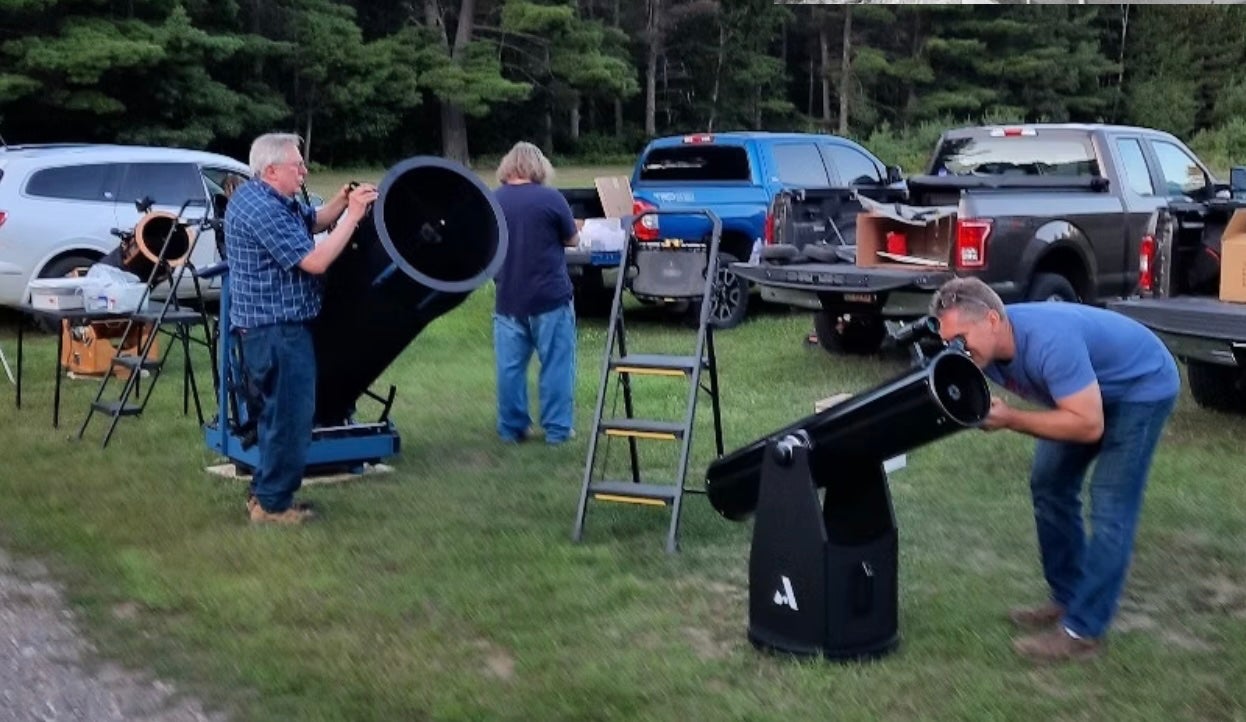
SZ: Wintertime, although it can be harsh in terms of temperatures, oftentimes it offers some of the best conditions for sharp observations of the night sky. Whether you are using a pair of binoculars or a small telescope in your backyard, the winter skies are absolutely stunning. And then of course, it’s also the season of light. Walking through our neighborhoods, I see lots and lots of beautiful lights and decorations. It’s a very unique feeling.
If you have an idea about something in central Wisconsin you think we should talk about on “Morning Edition,” send it to us at central@wpr.org.