
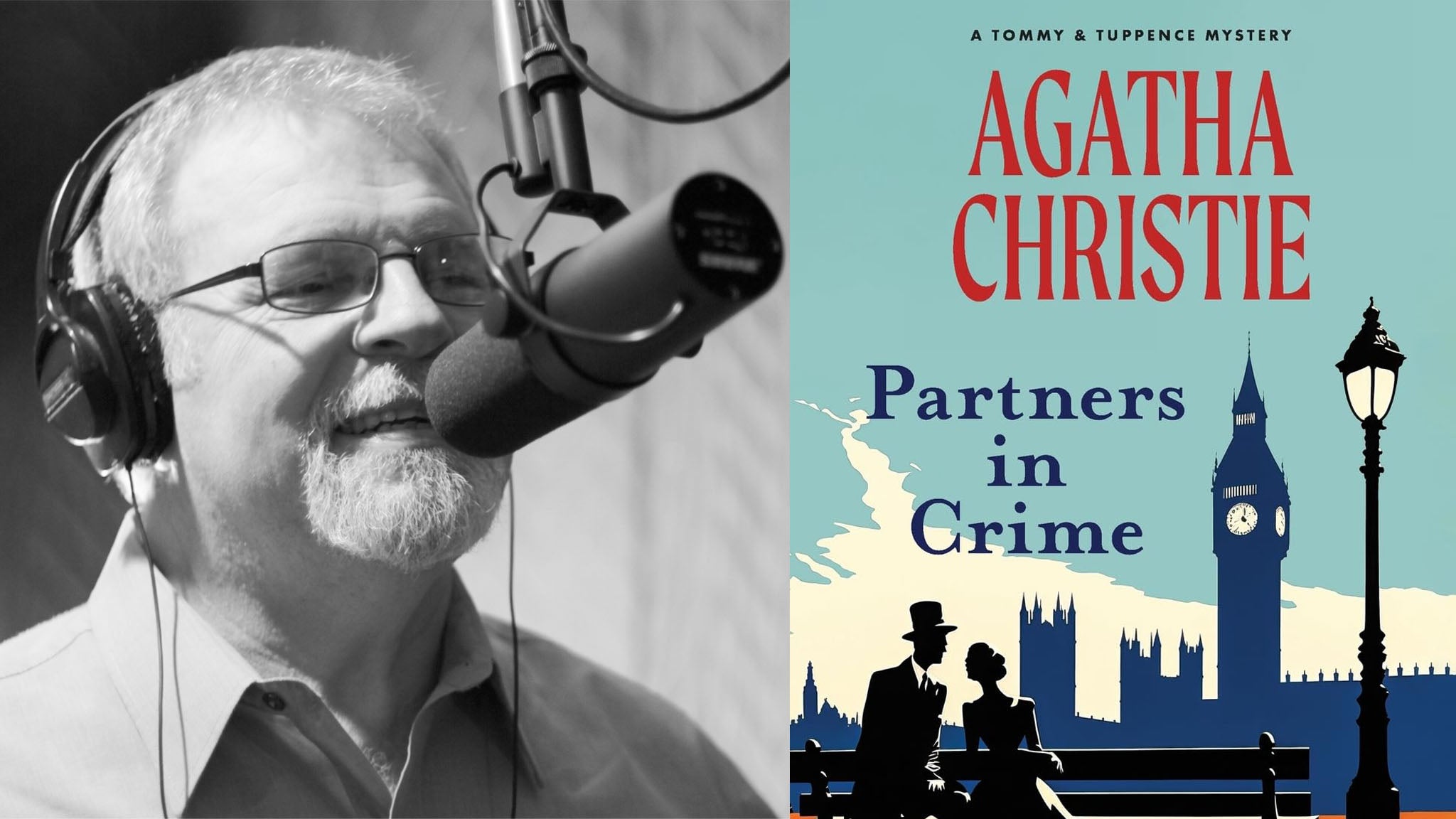
My approach to choosing and reading a book is influenced by my writing and editing background, in addition to my experience as an actor. Because of that, it should come as no surprise that I spend a lot of preparation time delving into the many facets of an author’s work or subject’s background, be it factual or fictional.
This process led to a very fun and fascinating deep dive into Agatha Christie’s “Partners in Crime.” We’ll be reading the book on WPR’s “Chapter A Day” starting Monday, Aug. 18.
“Partners in Crime” is not one single detective story or plot. What makes this book interesting is that it’s a series of short stories, each complete within itself, but with an underlying story arc connecting them all.
News with a little more humanity
WPR’s “Wisconsin Today” newsletter keeps you connected to the state you love without feeling overwhelmed. No paywall. No agenda. No corporate filter.
This throughline is built around a young married couple, Tommy and Tuppence Beresford. They are rank amateurs as far as detective work is concerned, so Christie employs the ingenious idea of writing each case in the style of other mystery writers and allowing the intrepid duo the opportunity to play some famous (and not-so-famous) fictional detectives.
Tommy and Tuppence were clearly very dear to Christie’s heart. She once claimed they were her favorite characters. Perhaps she was indulging in her fantasy of the perfect marriage through the young couple, as her own was fraught with unhappiness.
Unlike any of her other inventions, the Beresfords were allowed to age from their late 20s to their early 70s, roughly paralleling Christie’s own life. It’s a measure of her fondness for the pair.
Part of the fun is spotting not only the stylistic appropriations that Christie makes, but also the way she revels in the play-acting of her married heroes. She once stated she loved to recite her story ideas aloud to herself when she went for long walks, and it’s easy to imagine her striding along, wind in her hair, acting out how each character would speak.
As a young woman, Christie had harbored dreams of being an opera singer. Many of her stories certainly have an operatic feel, with their high drama and exaggerated emotions. Many of Christie’s flights of fancy, however, were rooted in actual people and places that had featured in her life. Her knowledge of poisons, for example, makes itself evident in several places in “Partners in Crime,” as does her background in nursing and her and her husband’s experiences during World War I.

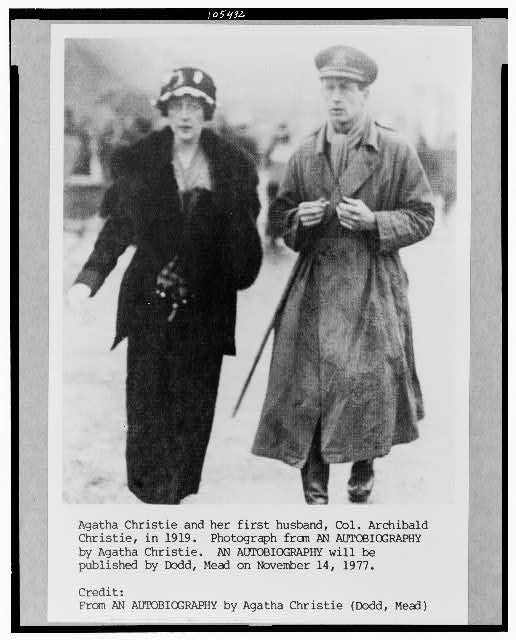
Christie’s legendary attention to detail comes through in several of the stories in “Partners in Crime,” particularly when she writes about golf. Her first husband, Archibald Christie, was an avid golfer. For a time, the couple lived a short walk from one of England’s more famous courses, the Sunningdale Golf Club. Christie’s descriptions are so finely etched that you can go to the Sunningdale website and use its hole-by-hole photographic layout to follow the plot of that part of the story in real time, as it were.
Her husband was known as a philanderer and one of his affairs led to an infamous 11-day period when she went missing. The author’s disappearance prompted an extensive — and exhaustively covered — manhunt by police and public alike.
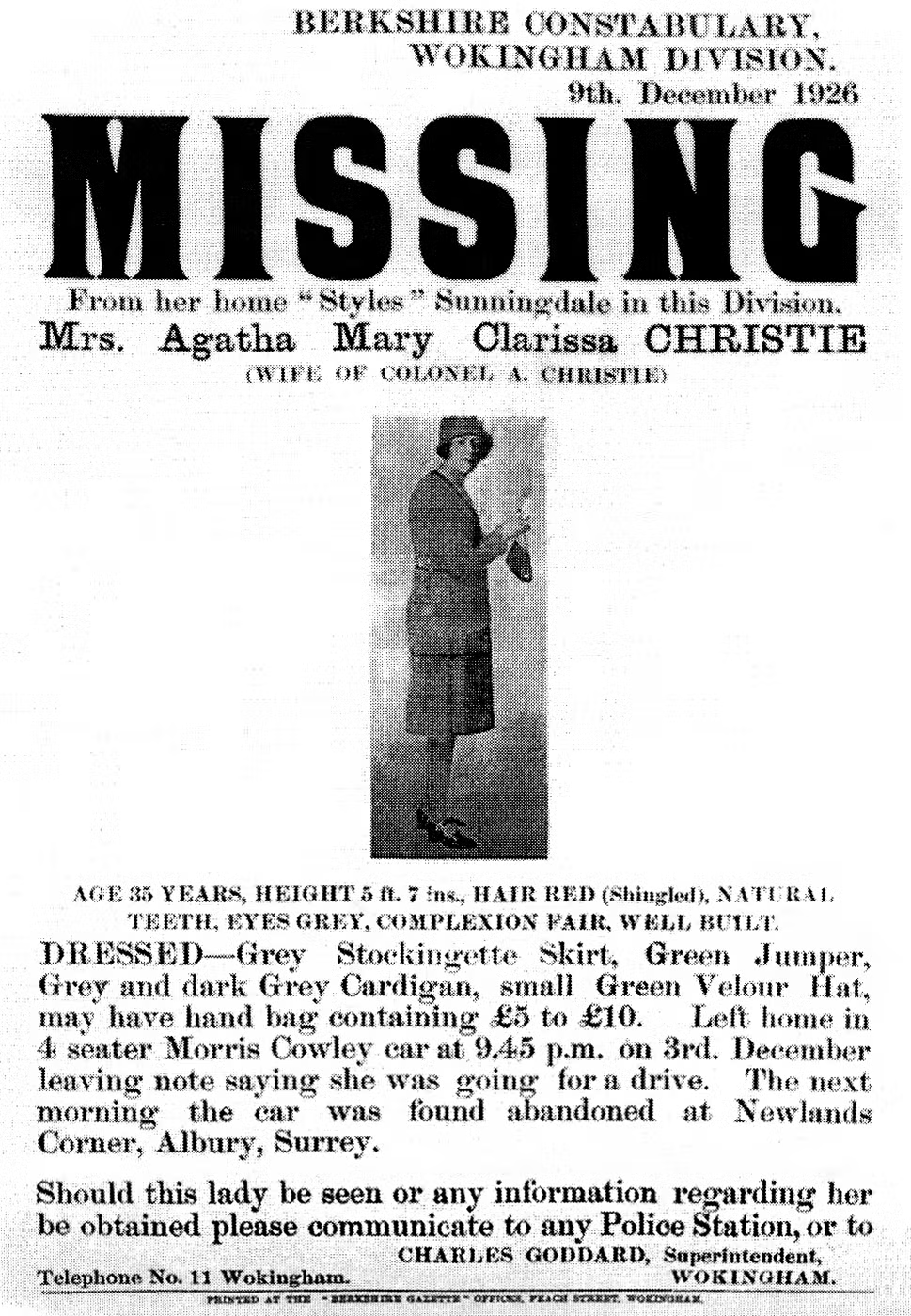
It’s tempting to seek clues within the “Partners in Crime” stories to what was happening in real life, although Christie’s books written under the pseudonym Mary Westmacott will provide curious readers with a much more autobiographical perspective.
Christie aficionados even credit the plot of her novel, “The Pale Horse,” with helping Scotland Yard solve a murder case when both the fictional and actual poisoner had used an almost undetectable substance called thallium.
I hope this little bit of detective work on my part adds to your listening enjoyment over the next few weeks, and stay tuned after the episodes to find out even more Agatha Christie tidbits.
“Partners in Crime” airs on “Chapter A Day” Aug. 18-Sept. 5. Episodes will be available online through 11:59 p.m. on Sept. 11.