Hazelnuts, new varieties of table grapes, and other new edible crops are coming soon to Wisconsin gardens, markets, and kitchens.
Maybe even yours.
Recently Jason Fischbach, an Emerging Crops Outreach Specialist and Professor with UW-Madison Extension, appeared on WPR’s “The Larry Meiller Show” to discuss exciting developments in new fruit crop options for farmers and consumers.
News with a little more humanity
WPR’s “Wisconsin Today” newsletter keeps you connected to the state you love without feeling overwhelmed. No paywall. No agenda. No corporate filter.
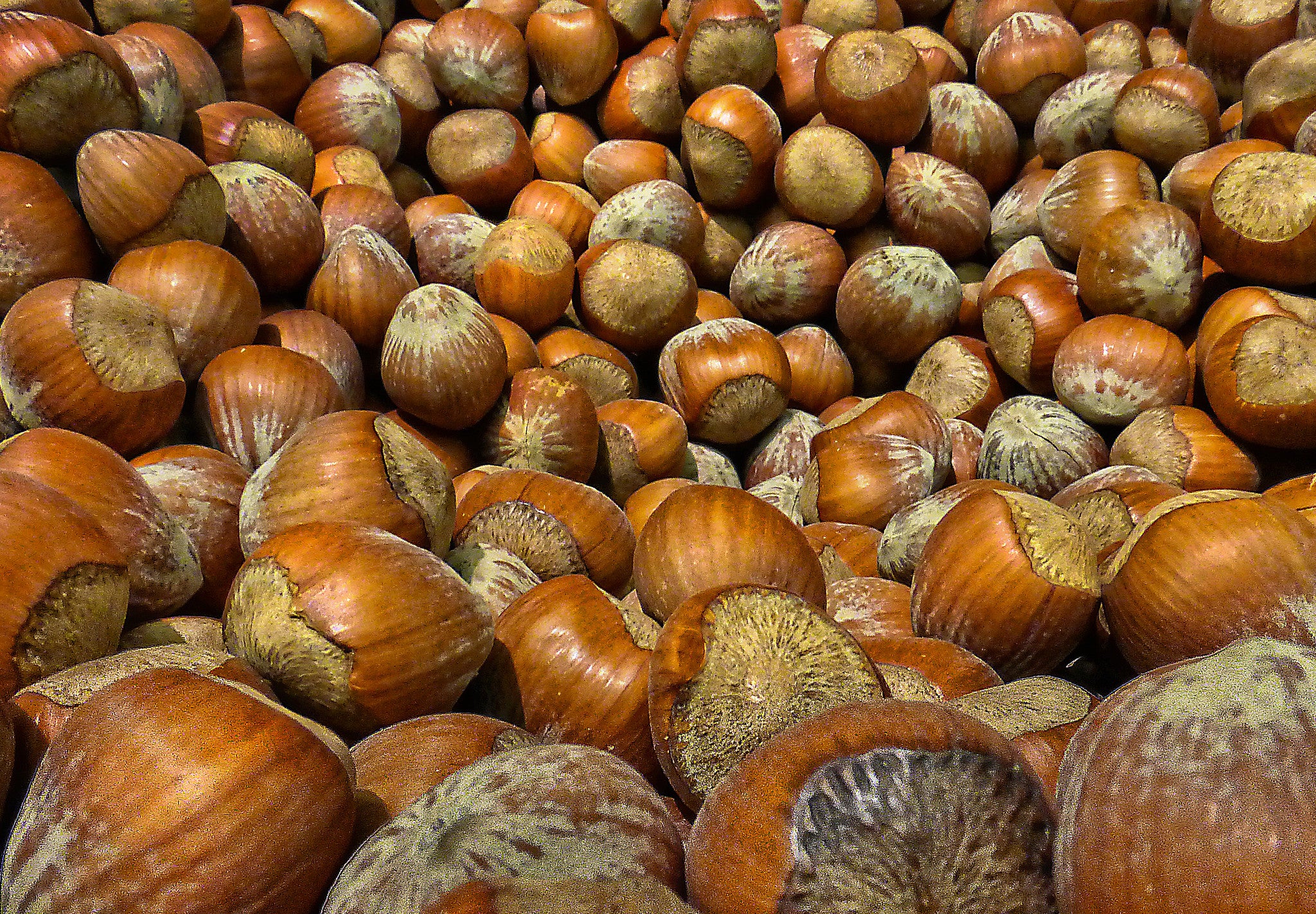
Hazelnuts coming out of their shell
Since 2007, Fischbach’s primary work has been dedicated to developing a commercially viable hazelnut industry in Wisconsin.
Fischbach believes hazelnuts are ready to crack the U.S. nut market wide open.
“Hazelnuts are super popular worldwide,” Fischbach said. “You go to Europe, and it’s sort of like the equivalent of our peanut. But hazelnuts haven’t really been a thing in the United States, primarily because they haven’t been available. But Midwesterners are finally discovering hazelnuts and they love them. And we can’t grow them fast enough.”
Hazelnuts are native to Wisconsin but, according to Fischbach, the varieties grown in the state produce fruit that is “pretty small with thick shells and relatively small kernels.” Fischbach’s work with the Upper Midwest Hazelnut Development Initiative has been focused on producing superior cultivars, particularly by breeding them with hazelnut varieties grown in the state of Oregon.
“The plant in Oregon, the European hazelnuts, are much larger in a thinner shell,” Fischbach remarked. “If you cross the two, you get the disease resistance and winter hardiness of our plants here in the Midwest and the larger nut size from the European hazelnuts.”
But this is no over-nut success story.
“It takes a long time to develop new cultivars,” Fischbach said. “That’s why we’ve been at it for 20 years. But we finally feel like we’ve crossed the bridge.”
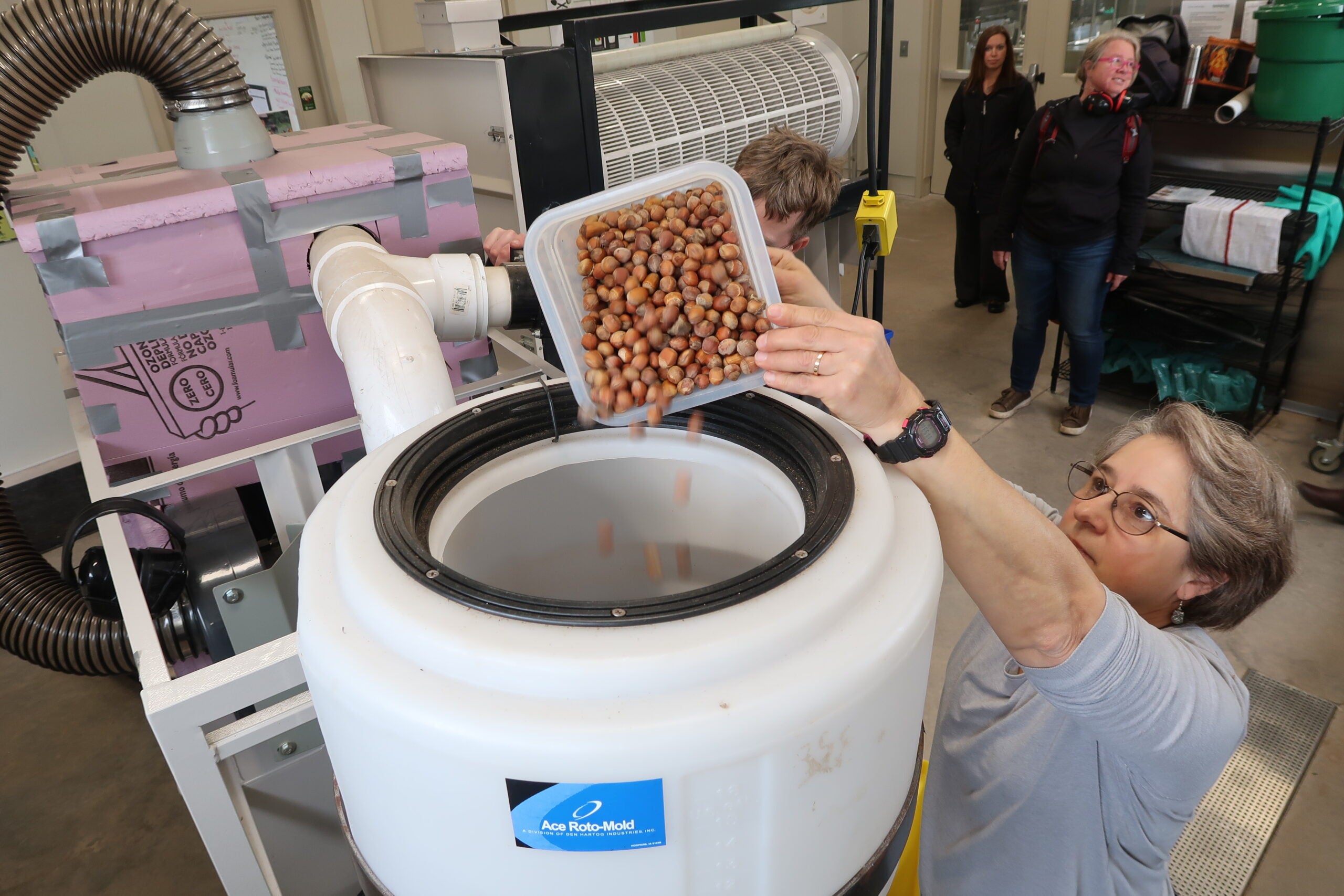
Planting hazelnuts 101
Home gardeners looking to grow hazelnuts must have patience as well.
“If you plant in 2026, you’ll have nuts in 2028,” Fischbach said. “It won’t be a lot, but you’ll start being able to pick something. It’s usually by the fifth year after planting where you start to see some pretty good production.”
Hazelnut growers need to double down to see that good production.
“Hazelnuts don’t self-pollinate, so you need two compatible plants,” Fischbach said. “If you live near the woods, there’s probably wild hazelnuts to do the pollination for you, but you do need more than one plant and they need to be compatible.”
According to Fischbach, any gardener in Wisconsin should be able to grow hazelnuts: “We have plants from the northern tip of Bayfield County all the way to the southern border. The American hazelnut grows fine across that range of temperatures.”
For gardeners who want to grow their own hazelnuts, Fischbach recommends MidwestHazelnuts, LLC as the best source for plant material for new seedlings and the Upper Midwest Hazelnut Development Initiative’s new “Adventure Series” of cultivars. Ordering isn’t open right now, but folks can get on a waiting list to be notified when that option is available.
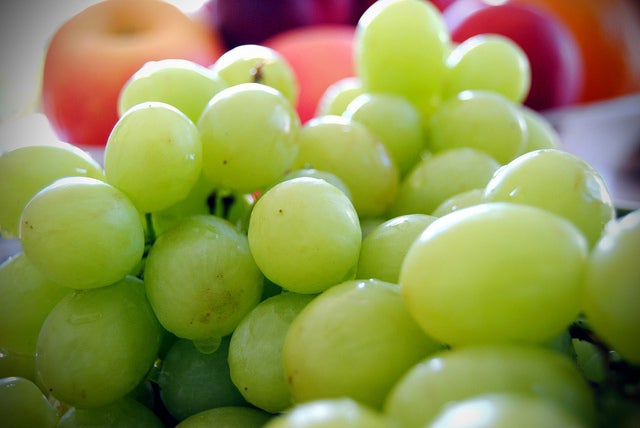
Grape expectations
Though Fischbach’s focus has been hazelnuts, he’s equally enthusiastic about developments he’s heard — and tasted — through the grapevine.
“I haven’t been this excited about a new fruit crop in probably my whole career,” Fischbach enthused about the three new Northern Glo table grape varieties.
“The University of Minnesota has nailed it,” Fischbach raved. “We’ve been searching for decades to find a seedless table grape that would reliably overwinter and taste good for the Midwest and they did it. I can’t overstate how great the flavor of these grapes are.”
For grape lovers looking to stomp their way into growing the Northern Glo varieties, Fischbach recommends Hauser’s Superior View Farm as the only nursery in Wisconsin taking orders for these new grape plants.
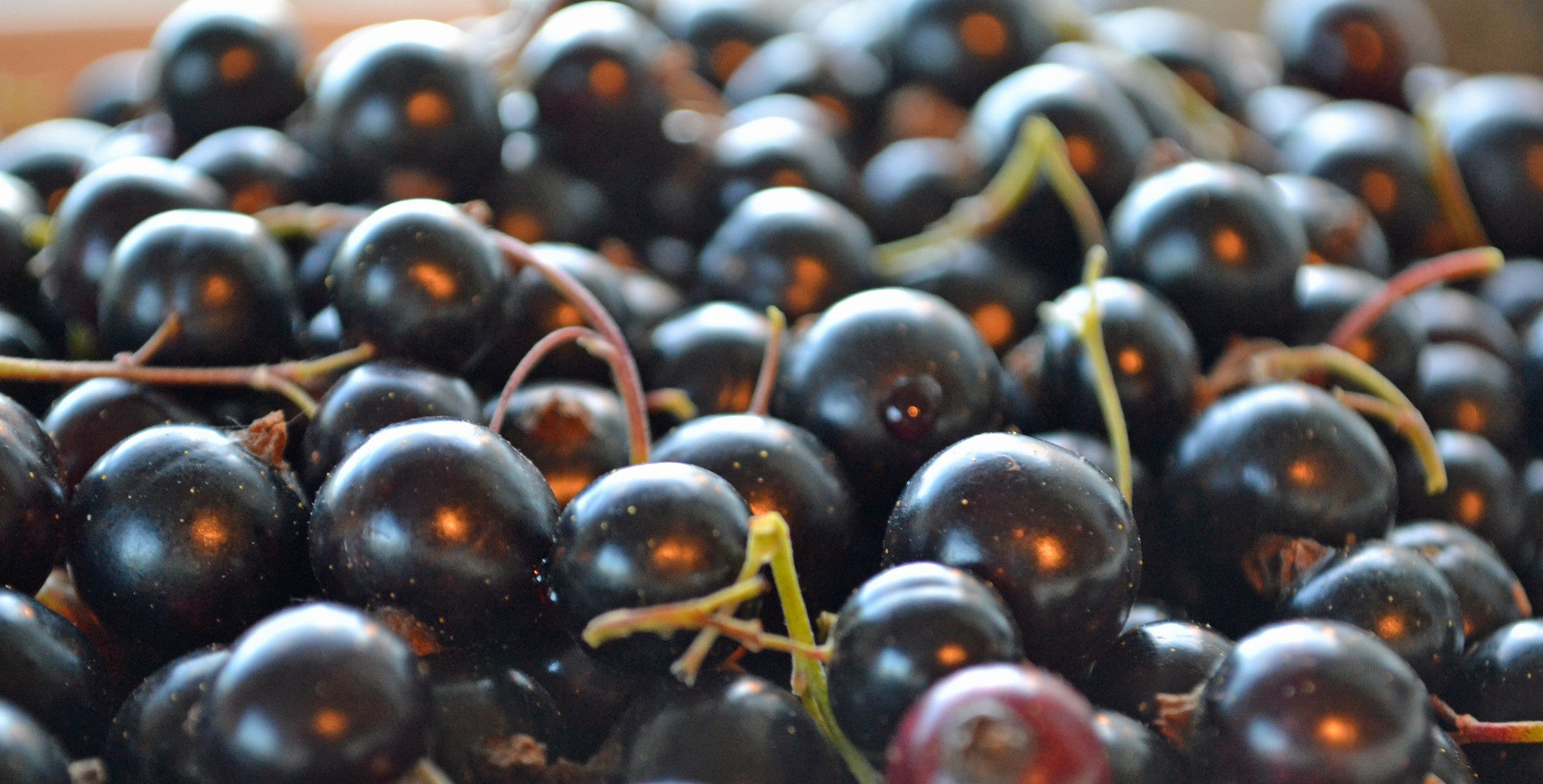
Currant affairs
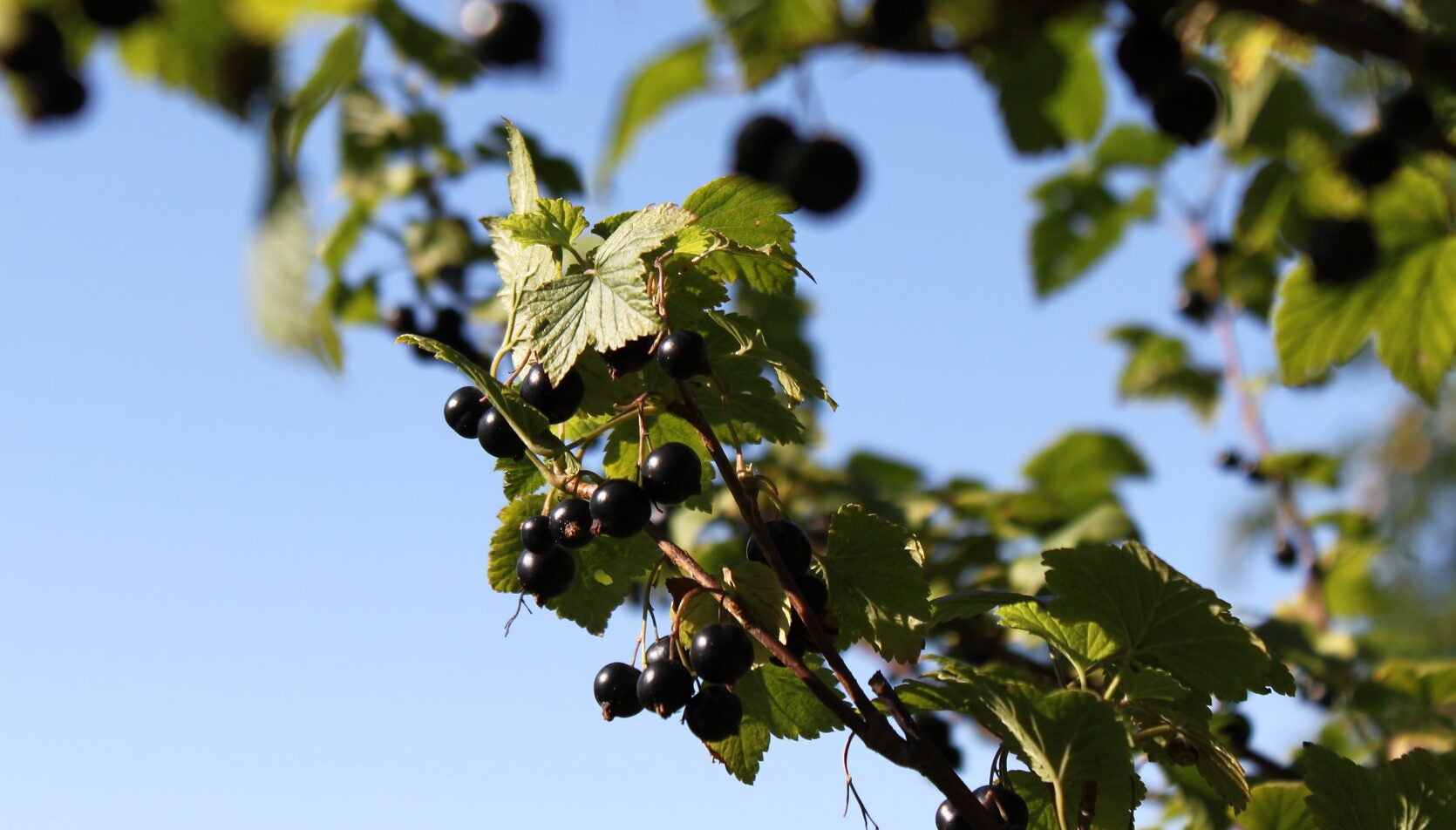
Fischbach praised the work of the Savanna Institute in Spring Green for their work on popularizing blackcurrants, described by Fischbach as a “nutritional powerhouse” that is “hard to beat” as a processing fruit.
(For more information on blackcurrants, see this recent appearance of staff from the Savanna Institute on “The Larry Meiller Show.”).
A honey of a berry
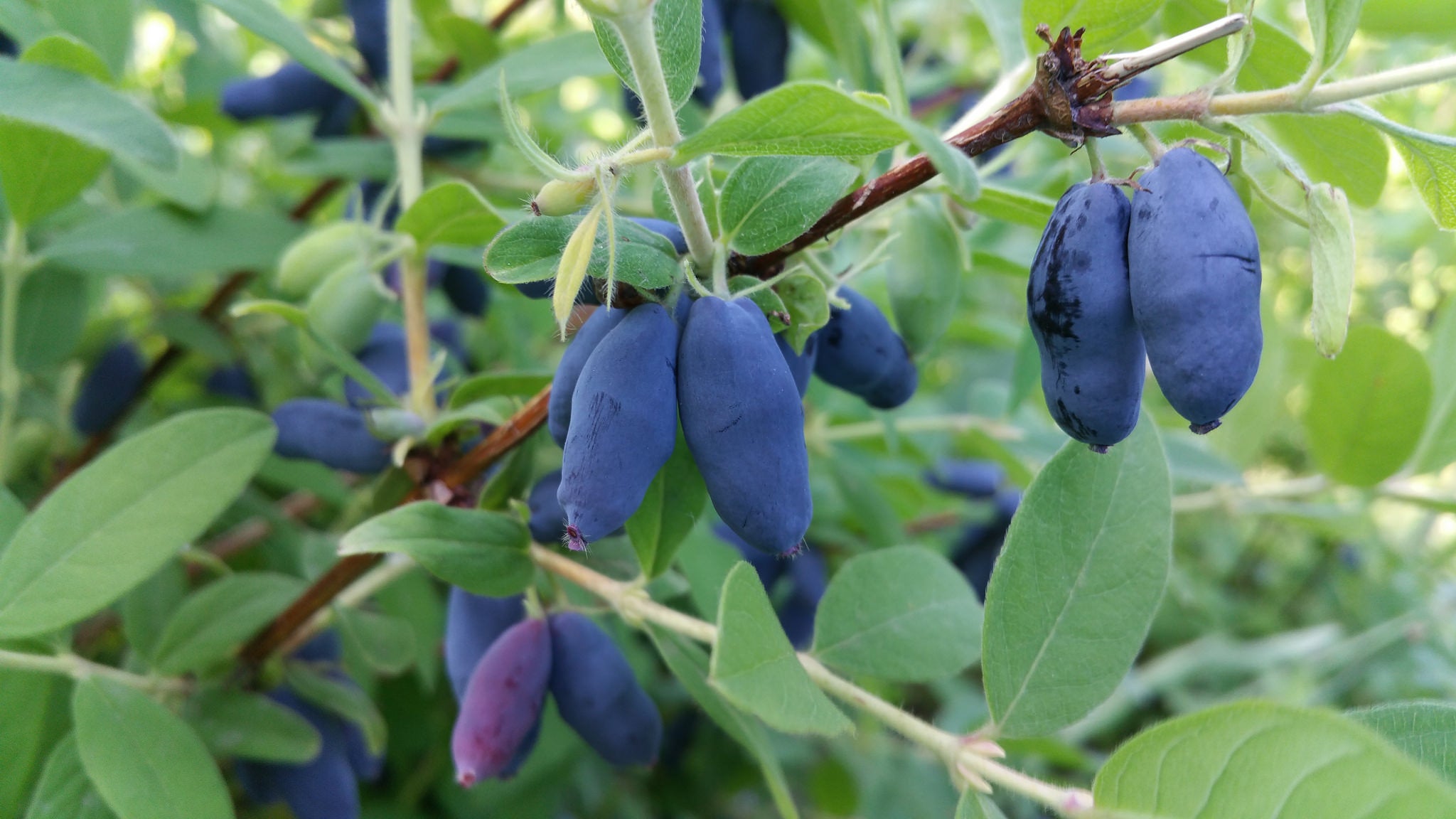
Fischbach also highlighted advancements in breeding honeyberries at the University of Saskatchewan.
The new varieties of honeyberries — labeled Boreal Beast, Boreal Beauty, and Boreal Blizzard — are generating “a lot of interest” according to Fischbach, who complimented the fruit for its cold hardiness, its ability to grow in a variety of soil and great flavor.
Fischbach encouraged growers and consumers to join the mailing list at the UW-Extension’s Emerging Crops website for more information and for the opportunity to participate in upcoming tasting trials for these and other crops.
The thrill of the new
Fischbach sees unlimited potential in these new crops.
“I think consumers are hungry for something different,” Fischbach declared. “They’re looking to diversify their palette. And I think growers are definitely looking for some other options, just to try to make some more money on the farm.”
For the latest information on these and other crop advancements, Fischbach suggests listening to his “The Cutting Edge” podcast, which features early adopter growers, researchers and others working to develop new crops.