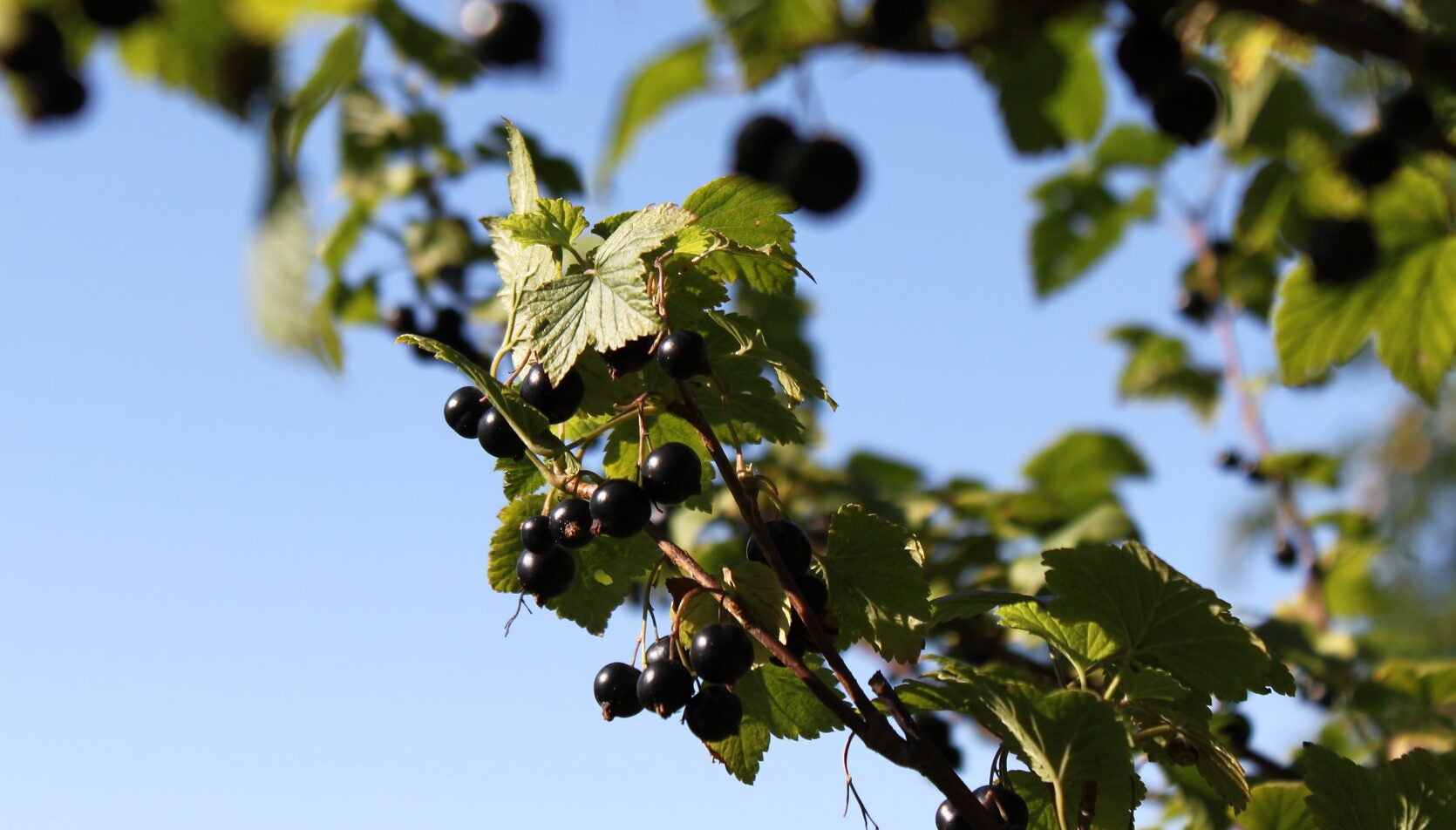
McCormick and Company, a producer and distributor of spices and other flavoring products, has named blackcurrant its 2026 Flavor of the Year, citing its “bold, sophisticated flavor” as well as its ability to “elevate the experience of any dish.”
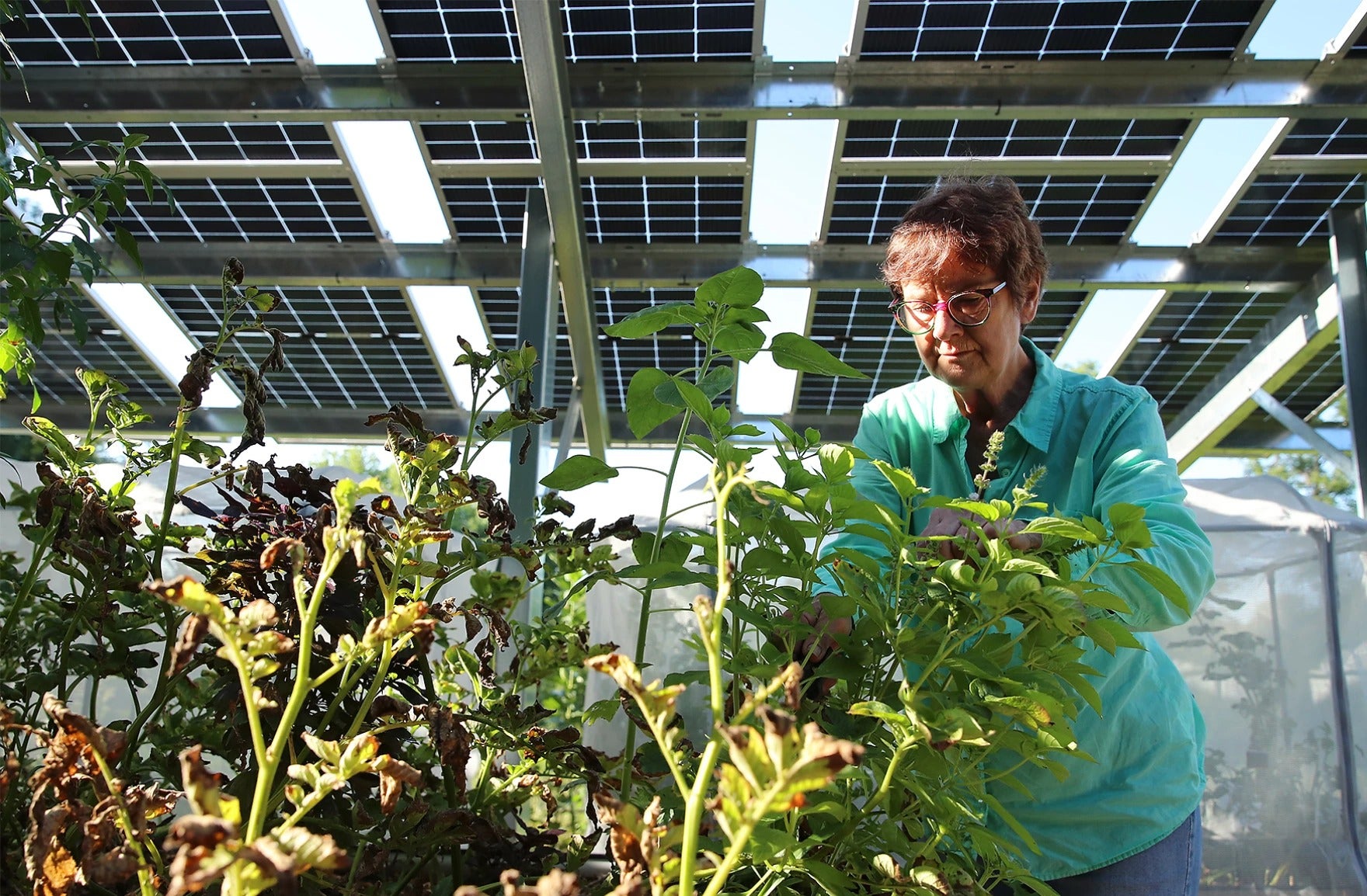
That culinary consensus was welcomed by the staff of the Savanna Institute, a nonprofit organization headquartered in Spring Green at the forefront of agroforestry research and development to support the growth and utilization of blackcurrant plants and other woody perennials.
WPR’s “The Larry Meiller Show” welcomed Jacob Grace, the Savanna Institute’s public relations manager, and Lily Hislop, its blackcurrant and elderberry breeder, to discuss all things blackcurrant.
News with a little more humanity
WPR’s “Wisconsin Today” newsletter keeps you connected to the state you love without feeling overwhelmed. No paywall. No agenda. No corporate filter.
20th-century US ban
Most Americans can be forgiven for being unfamiliar with the taste of blackcurrants, as the cultivation, sale and transport of the plants was federally banned from 1911 to 1966.
Hilsop explained that the ban existed because the blackcurrant plant hosted a fungus called wine pine blister rust that is fatal to pine trees. Looking to protect the country’s timber industry, Hilsop said, “The government chose to focus on the pine investment and get rid of the blackcurrant plants.”
The federal ban was lifted in 1966 with the government leaving it to the states to enforce the ban. Wisconsin lifted its ban that same year.
Meanwhile, blackcurrant emerged as a hugely popular flavor for candies, jellies, and sodas, particularly in the United Kingdom. Hilsop said four of the five Skittle flavors are the same across the U.S. and U.K. But in the U.S., the purple Skittle is grape, while in the U.K., the purple Skittle is blackcurrant.
Bring on the plants
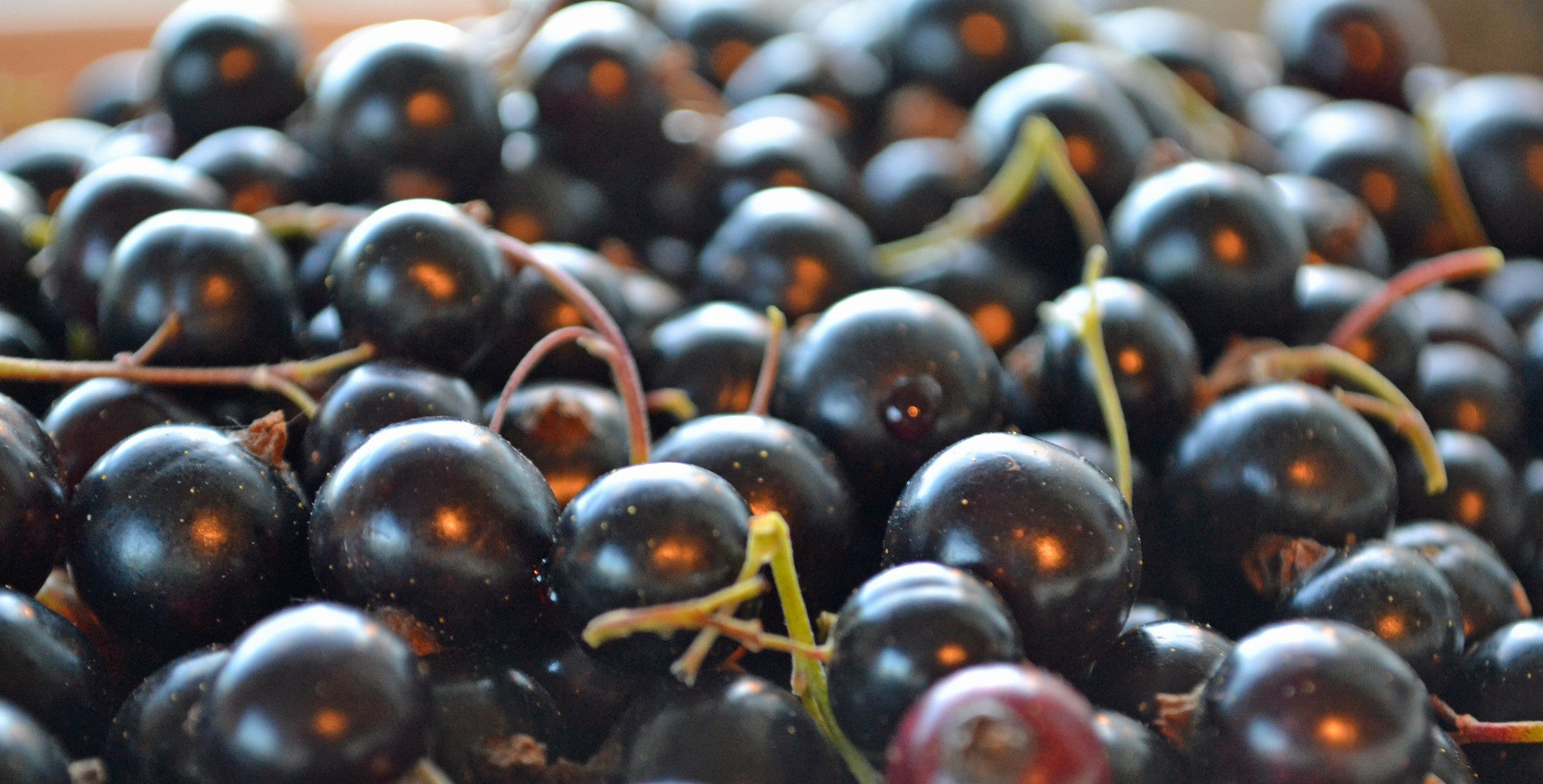
Befitting its “Flavor of the Year” honor, blackcurrant remains more desired as a flavoring than as a snack.
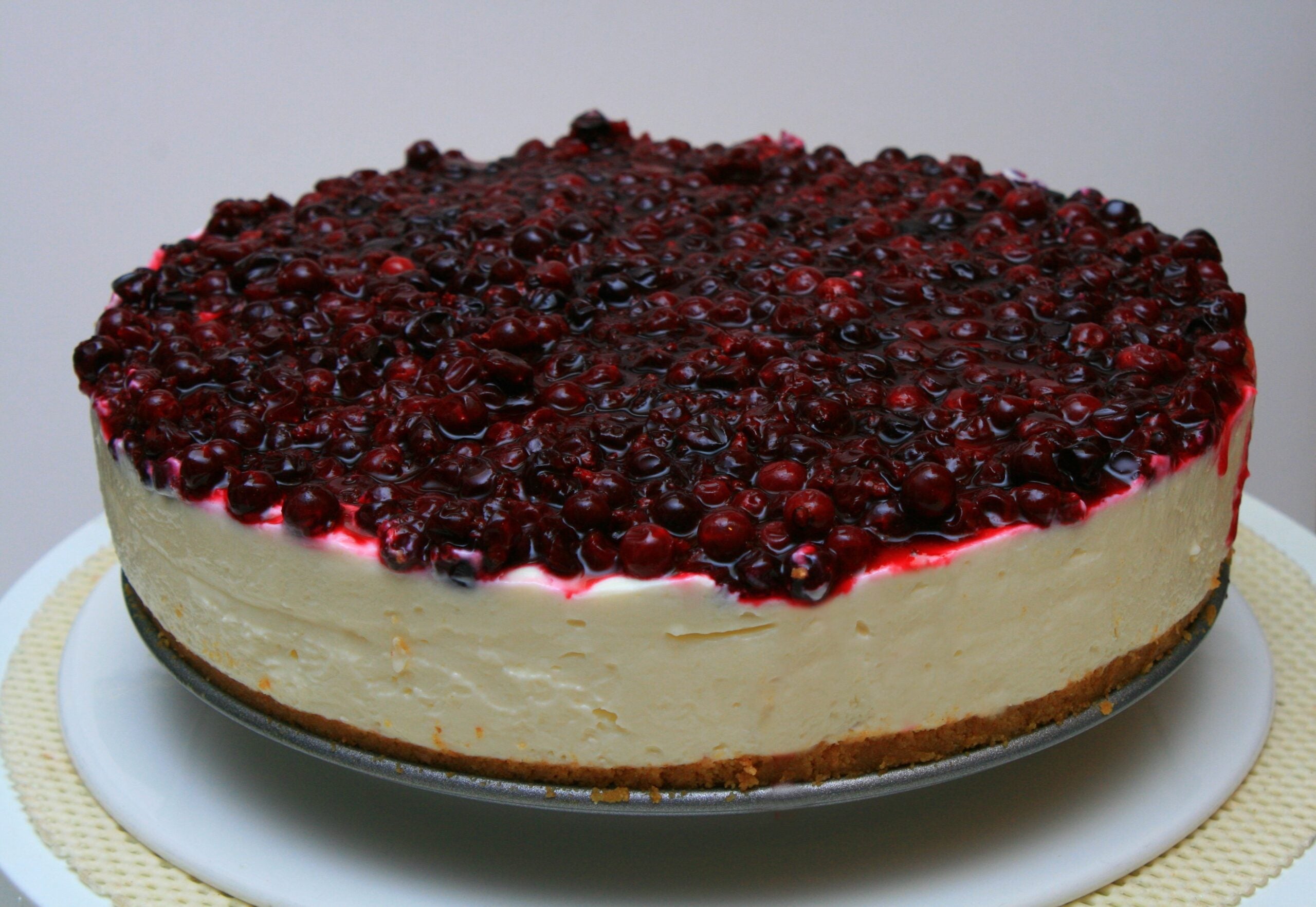
“Some of the berries we’re working with, you might want to make them into jam or jelly or something other than eating them raw,” Grace suggested. “That’s not necessarily when they’re at their best.”
Perennials like the blackcurrant plant are at their best when they’re in the hands of farmers and gardeners who can cultivate them, and that suits the mission of the Savanna Institute.
“We’re really trying to do the research and development to figure out what it takes to grow these perennial tree crops here in the Midwest,” Grace said. “We’re interested in different kinds of tree crops that can serve multiple purposes —things you can raise for the fruits and the nuts of the trees themselves and that can also do other things like provide wildlife habitat, provide windbreaks and provide shelter for livestock.”
Fortunately, blackcurrant plants are ideal for Wisconsin home gardeners.
“Blackcurrants are mainly limited by heat, not by cold,” Hislop said. “They can get as cold as you like. They just don’t like being above 100 degrees.”
Hilsop added that the plants do equally well in full sun and partial shade while requiring a normal soil pH of between 5 and 8.
Zinging and zapping into Wisconsin
So how do Wisconsin home gardeners get their hands on blackcurrant plants?
“We have a sister organization called Canopy Farm Management that is a nursery business trying to make some of these crops available,” Grace explained.
“We have two blackcurrant varieties that we have released to retail nurseries this year called Savanna Zing and Savanna Zap,” Hilsop added. “They’re both really delicious, high-yielding plants that work great in the home garden.”
Not surprisingly, just how great is up to each gardener.
“A blackcurrant plant will provide between 2 and 10 pounds of fruit per bush,” Hilsop said. “If you give it more space, if you prune it well. And if you give it the fertilizer it needs, it will produce more fruit.”
Grace urged anyone wanting to learn more about growing perennials to attend the Savanna Institute’s Perennial Farm Gathering in Dubuque, Iowa, from March 11-13.
“These crops are a long-term proposition. We’re planting things now that are hopefully going to outlive us,” Grace remarked. “That’s something that I appreciate about our work. It gets me thinking out into the future and hoping for good things.”