When Andrea Weisman of Waukesha was in a near-fatal car accident in 2015, she hadn’t marked herself as an organ donor on her license.
Weisman experienced internal bleeding from the accident, and while she didn’t end up needing an organ transplant, the experience was a wake-up call.
“How could I expect someone to save my life if I wasn’t able to save somebody else’s?” Weisman told WPR’s “Wisconsin Today.”
News with a little more humanity
WPR’s “Wisconsin Today” newsletter keeps you connected to the state you love without feeling overwhelmed. No paywall. No agenda. No corporate filter.
After the life-changing experience, Weisman registered to be an organ donor in the event of her death. And in 2024, after years of consideration, she decided to donate a kidney to a complete stranger — while she was still living.
As of 2024, more than 1,200 people in Wisconsin were waiting for a lifesaving kidney transplant, which makes up about 80 percent of the people waiting for an organ in the state. But there simply aren’t enough organs from deceased donors to help everyone who needs one.
Currently, Congress is considering legislation that would give a refundable tax credit for five years to living kidney donors who donate a kidney to a stranger. The End Kidney Deaths Act is supported by a bipartisan group of House lawmakers — including Democrat Mark Pocan and Republican Derrick Van Orden of Wisconsin.
Even without such an opportunity for financial assistance, a number of Wisconsinites have chosen to donate parts of their body to others while still living — even if they don’t know who the organ might go to. They’re called nondirected or altruistic living donors.
“Wisconsin Today” talked with two nondirected living kidney donors in the state about what inspired them to give the gift of life and what their experience was like.

Getting and giving ‘a second chance at life’
After her accident, Weisman knew she wanted to do something different with her life.
“I chose, rather than being a victim, to be a survivor and to figure out how I could get my life together and make a difference in the world,” Weisman said. “I was fortunate enough to get a second chance at life, and I knew that I could not take that for granted.”
But it was years until she decided to become a living donor. First, a few important people had to come into her life.
One was her business partner who, in 2023, confided in her that he needed a kidney transplant. It was her first opportunity to become a living donor. But she wasn’t a match.
“That was really defeating, and it broke my heart because I wanted to be the one to save him,” Weisman said.
Another was a young boy who was ill and needed a kidney. After seeing how Weisman helped share her business partner’s story, the boy’s mother reached out to Weisman asking her to help find a donor for her son.
It worked. With Weisman’s help, the boy received a kidney from a living donor in 2024.
“Two days after he received that gift of life, I went and got tested and decided I was just going to give my kidney to anyone that needs it — because I can,” Weisman said.
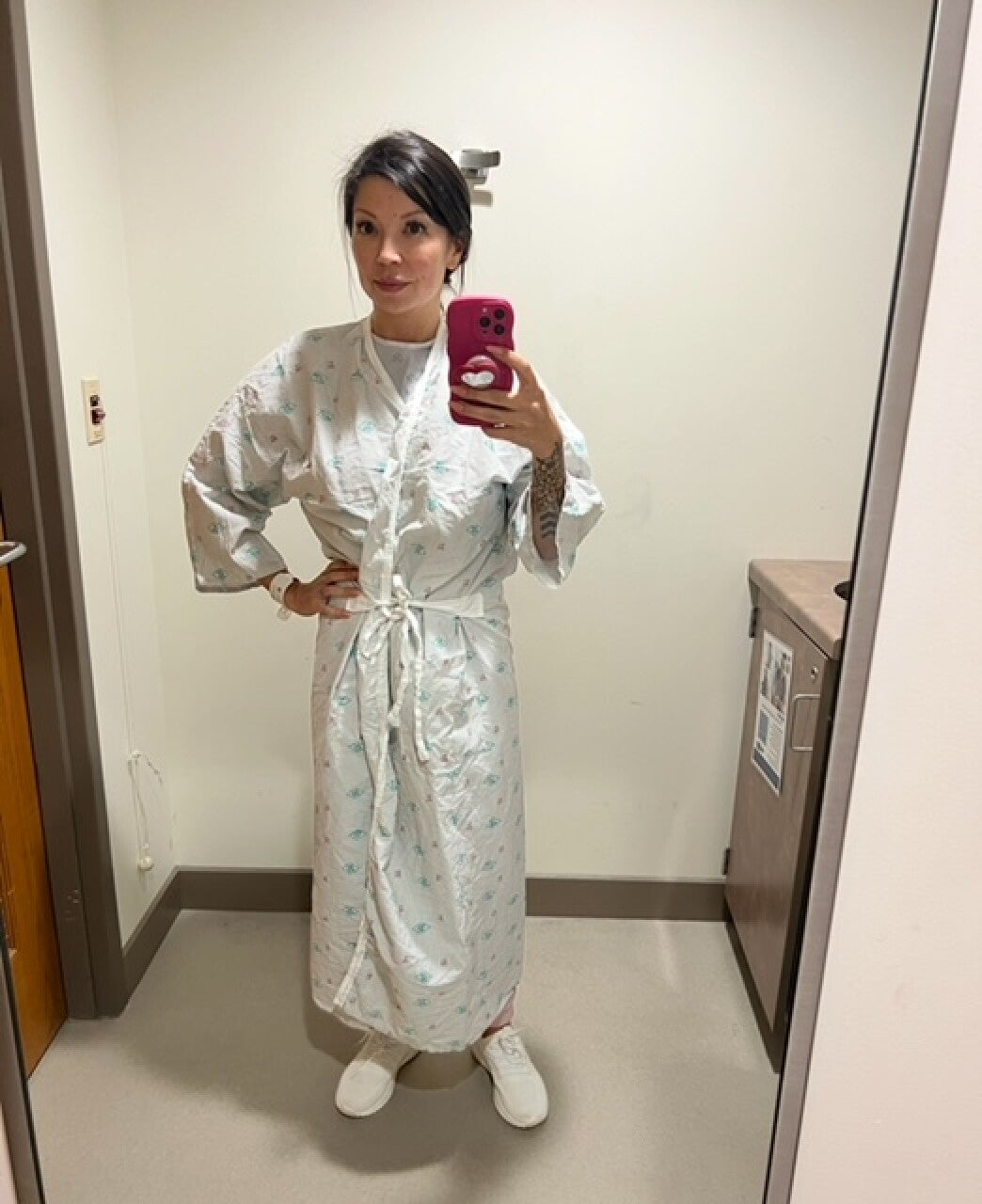
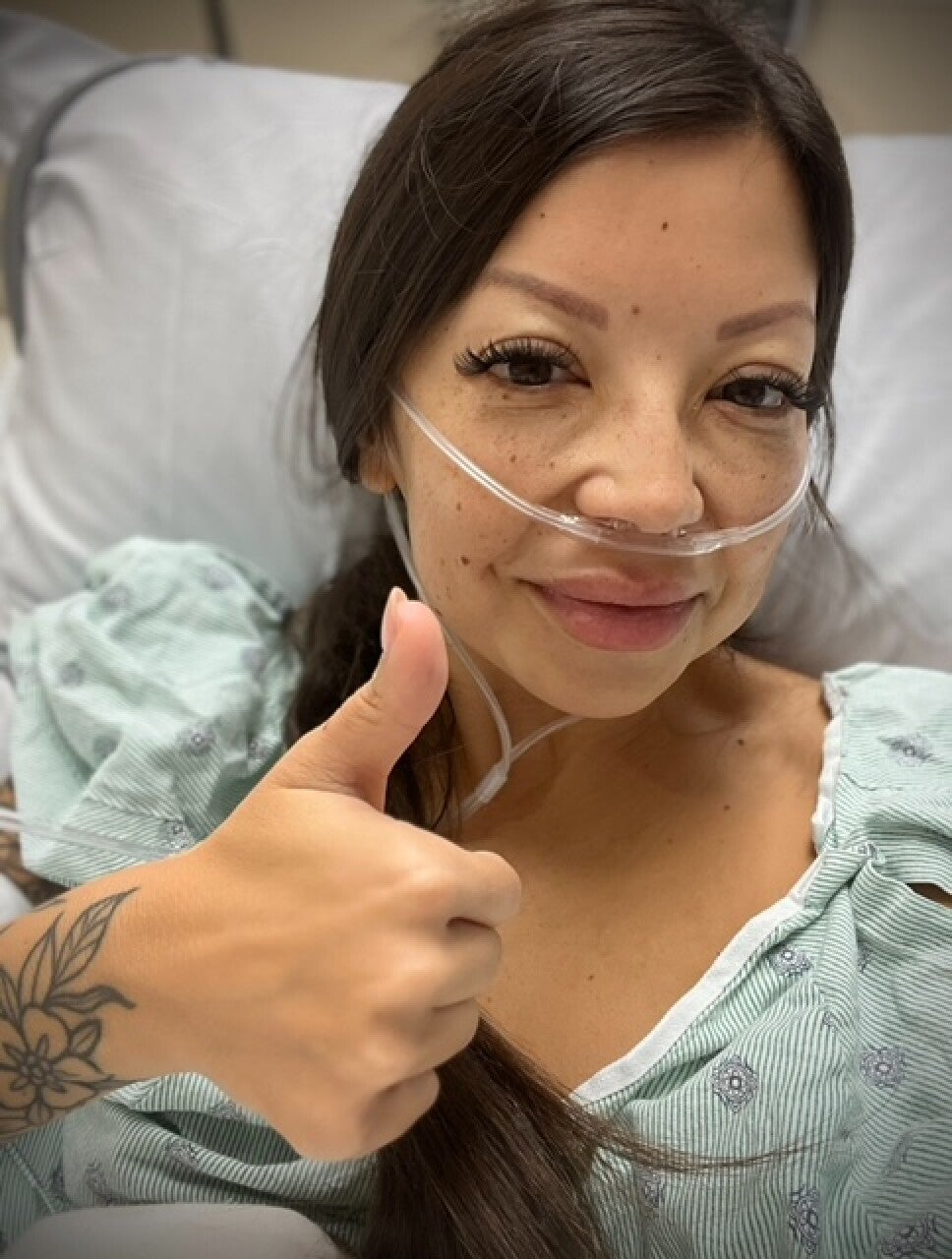
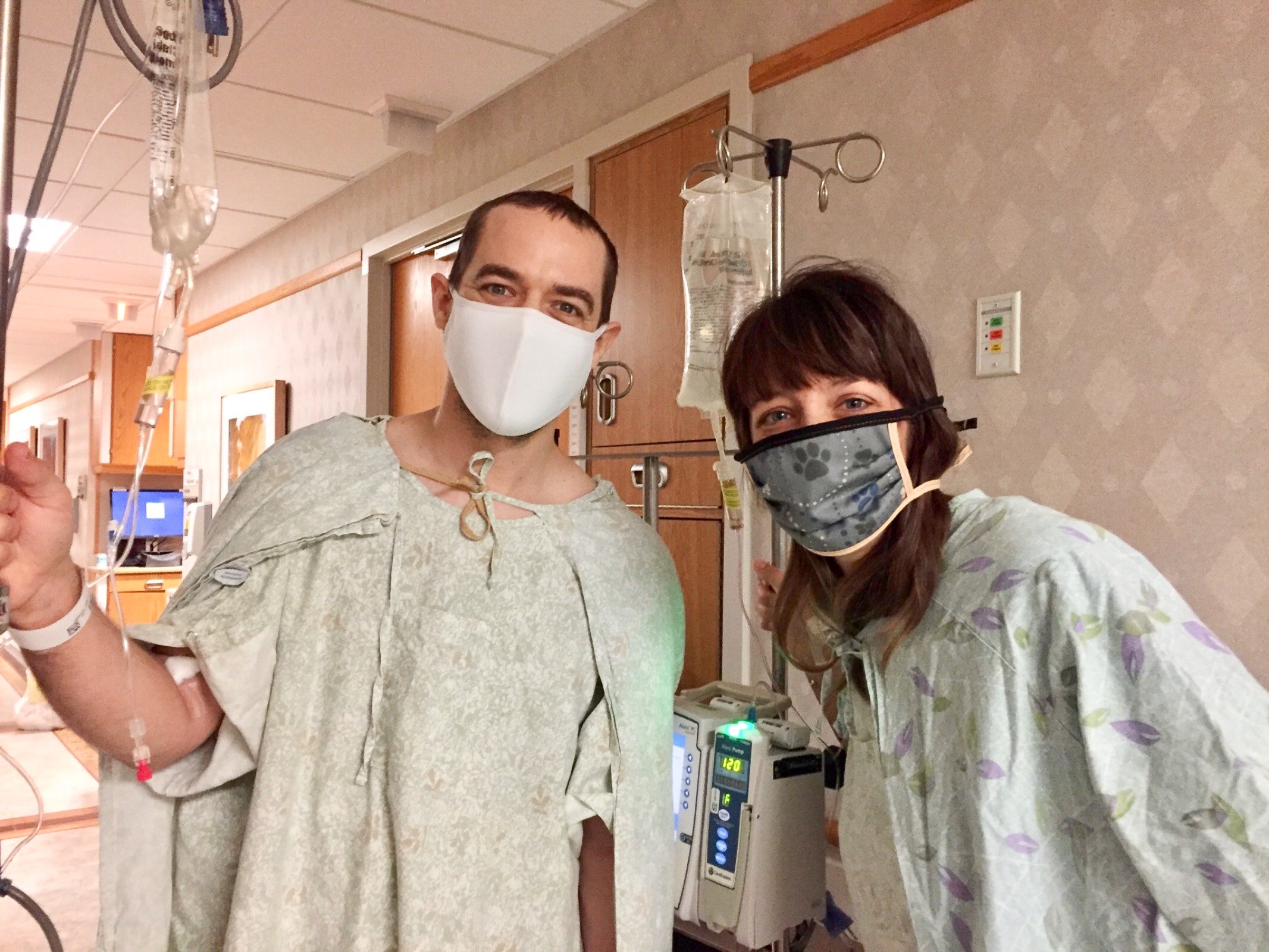
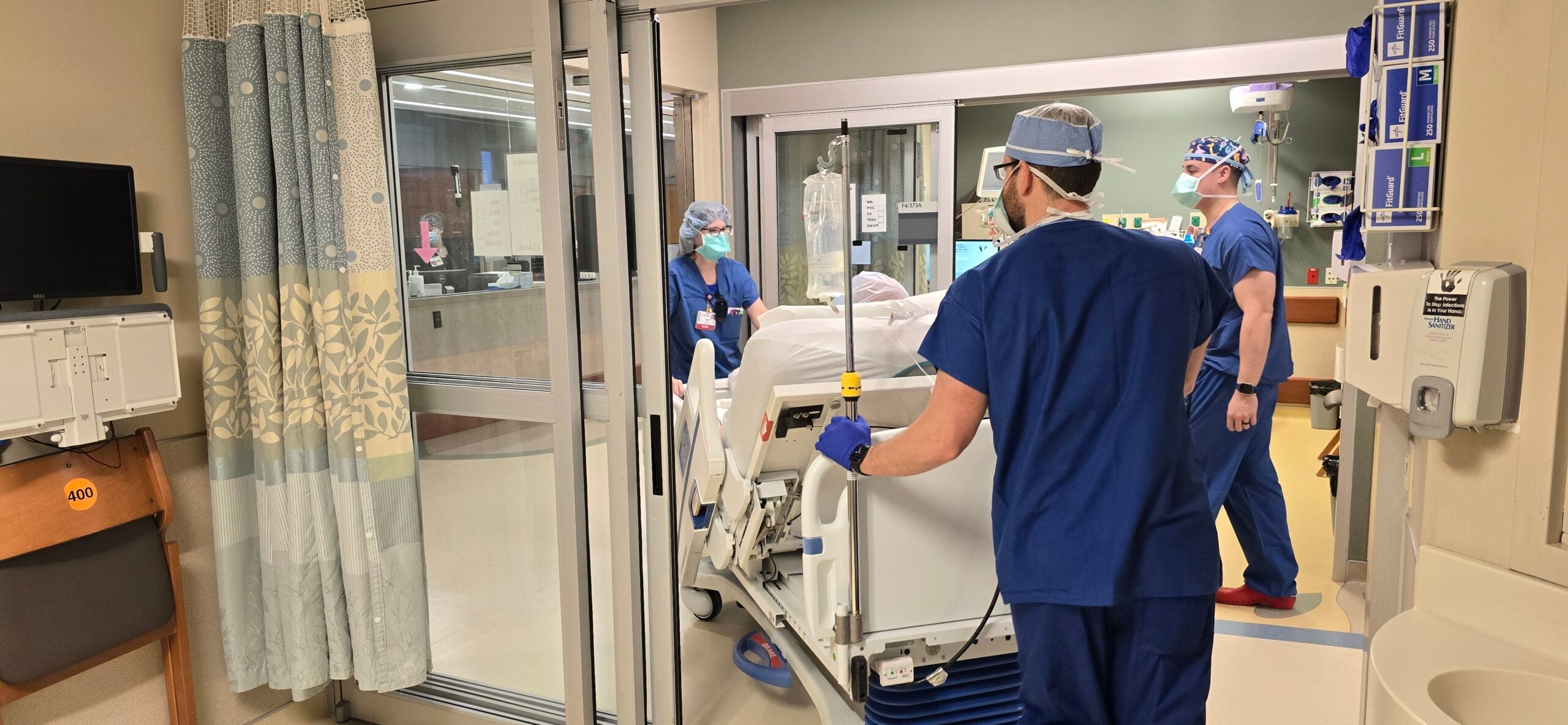
Weisman pre- and post-operation at Froedtert Hospital in Wauwatosa. Photos courtesy of Andrea Weisman
Weisman went through the medical testing process, which she described as “grueling but well worth it.” She was deemed eligible and placed on the National Kidney Registry. Within 24 hours, she was matched with someone.
“My life pretty much changed in 24 hours,” Weisman said. “But there was no way that I was going to back out because I knew that once that person matched with me, they were depending on me.”
Dec. 4, 2024, the day of the surgery, was like any other day of Weisman’s life, she said. She described the procedure being as simple as going to sleep. The recovery process, however, was not as easy.
“Like any surgical procedure — everyone’s being different — it was a little bit of a roller coaster,” she said. “But I knew at the end of the day that I was going to be OK … And honestly, all I cared about was that my recipient was thriving.”
Not only did Weisman find out the recipient was doing well, but they responded to her letters sent through the hospital’s correspondence program, and the two eventually met in-person.
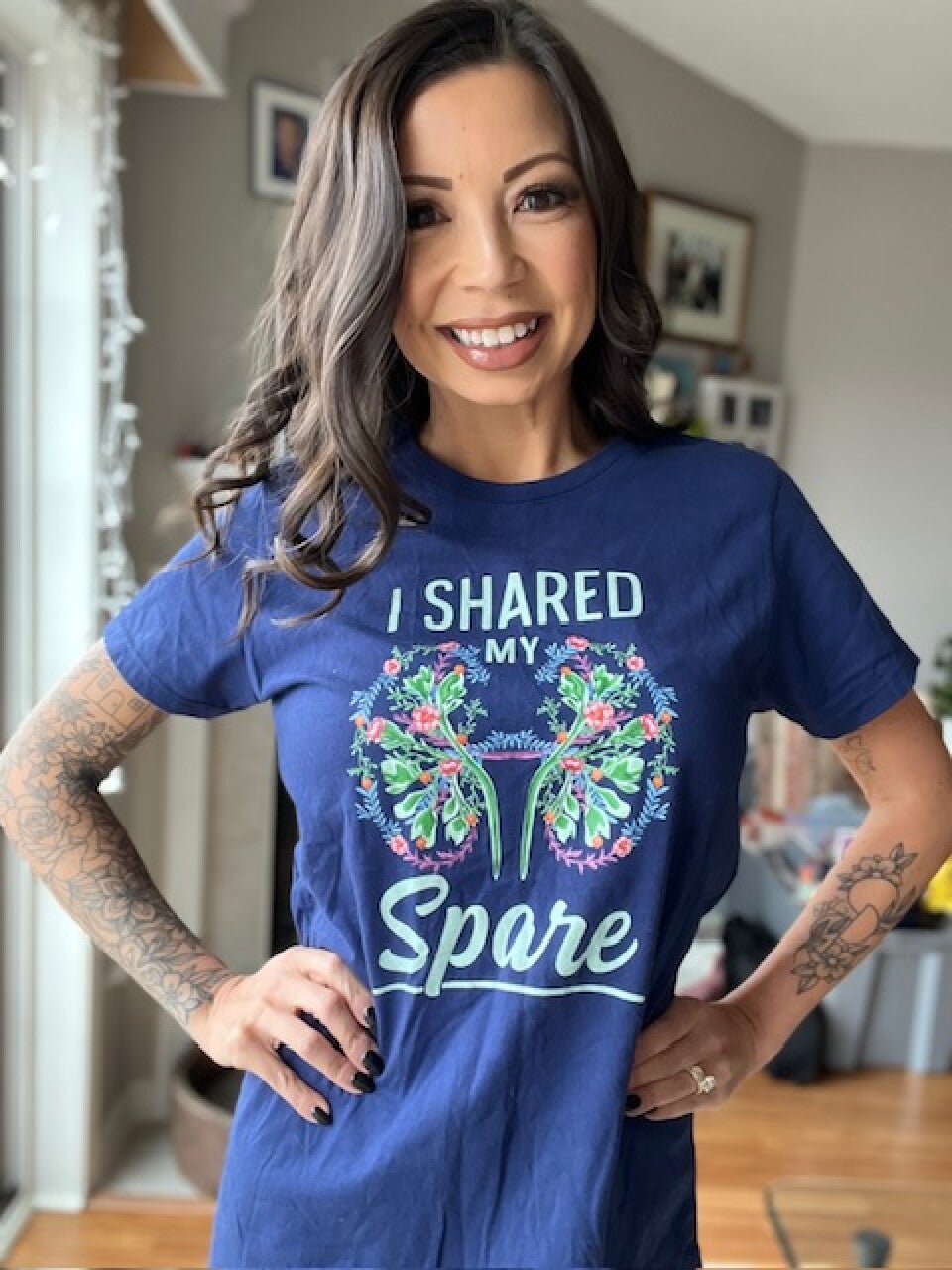
“We have now become family,” Weisman said. “I didn’t do this to know who I was helping. It did not matter to me, but I am very lucky that I was able to meet mine.”
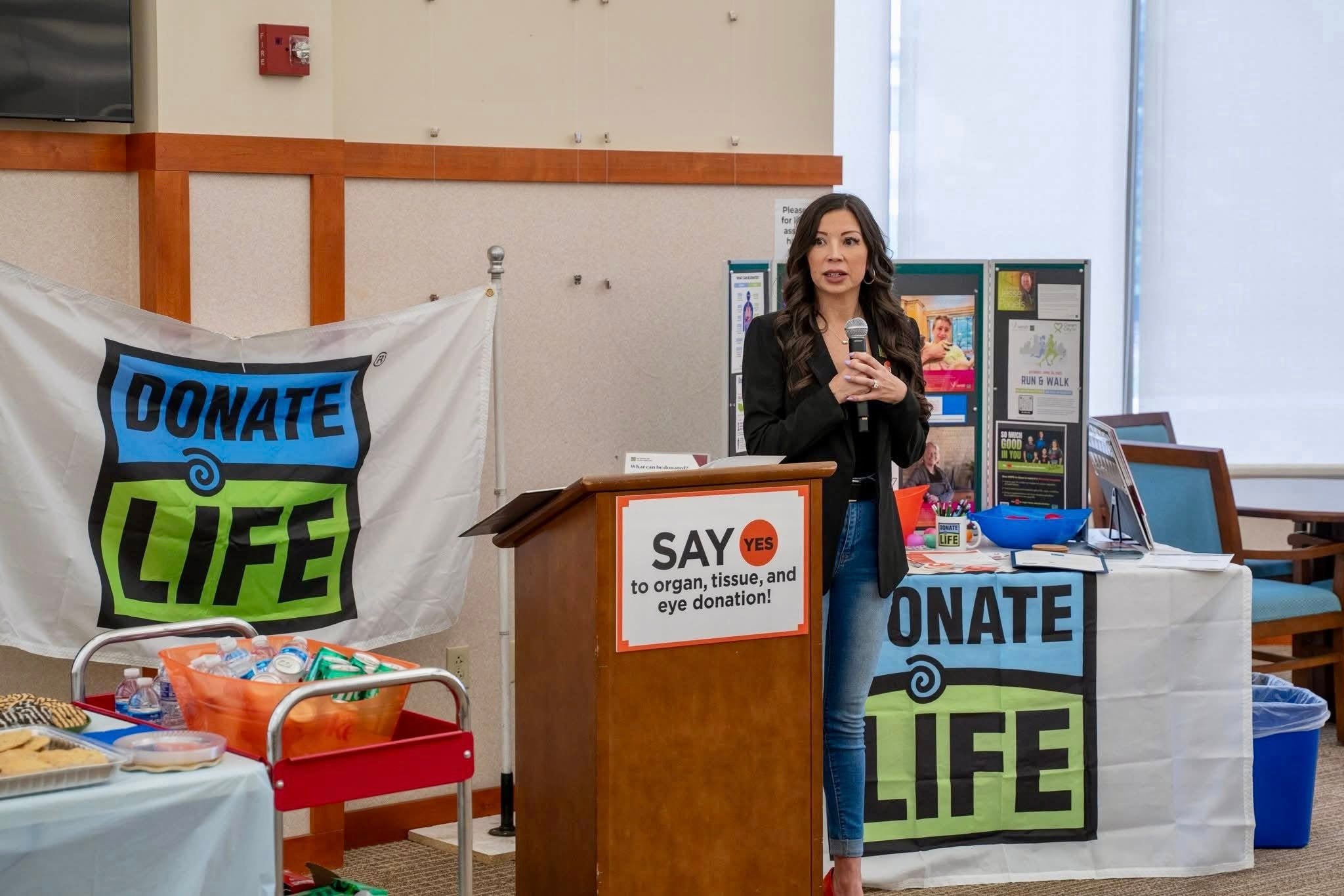
Now, Weisman is on the board at the National Kidney Foundation of Wisconsin and is a spokesperson for the organization Kidneys for Kids. She also competes in pageants to spread awareness for living kidney donation.
‘The most amazing experience of your life’
Mike Crowley has been the CEO of the National Kidney Foundation of Wisconsin for more than four years. But it wasn’t until visiting a dialysis clinic that he seriously considered becoming a living organ donor.
“I cried because I realized that could be me. It could be a family member. It could be a good friend,” Crowley said. “Here I am advocating for this. … What am I doing? What more can I do?”
In 2024, on his 60th birthday, Crowley biked 102 miles and was struck with gratitude for his good health — and with the realization he might make a good kidney donor.
“I got off the bike like I didn’t do a thing the whole day,” Crowley said. “And I put two and two together that I wanted to do something really big and impactful in my life to help a fellow human in a more direct way.”

Crowley submitted his application to be an nondirected living kidney donor. He eventually went through the physical testing process, which took over eight hours and 13 appointments in a single day.
“It’s the most extensive physical you get in your life,” Crowley said.
The doctors told him he was a great candidate to donate, and he was placed on the National Kidney Registry. Forty-eight hours later, he got a match. And even though his recipient could be anywhere in the country, Crowley’s was right here in Wisconsin.
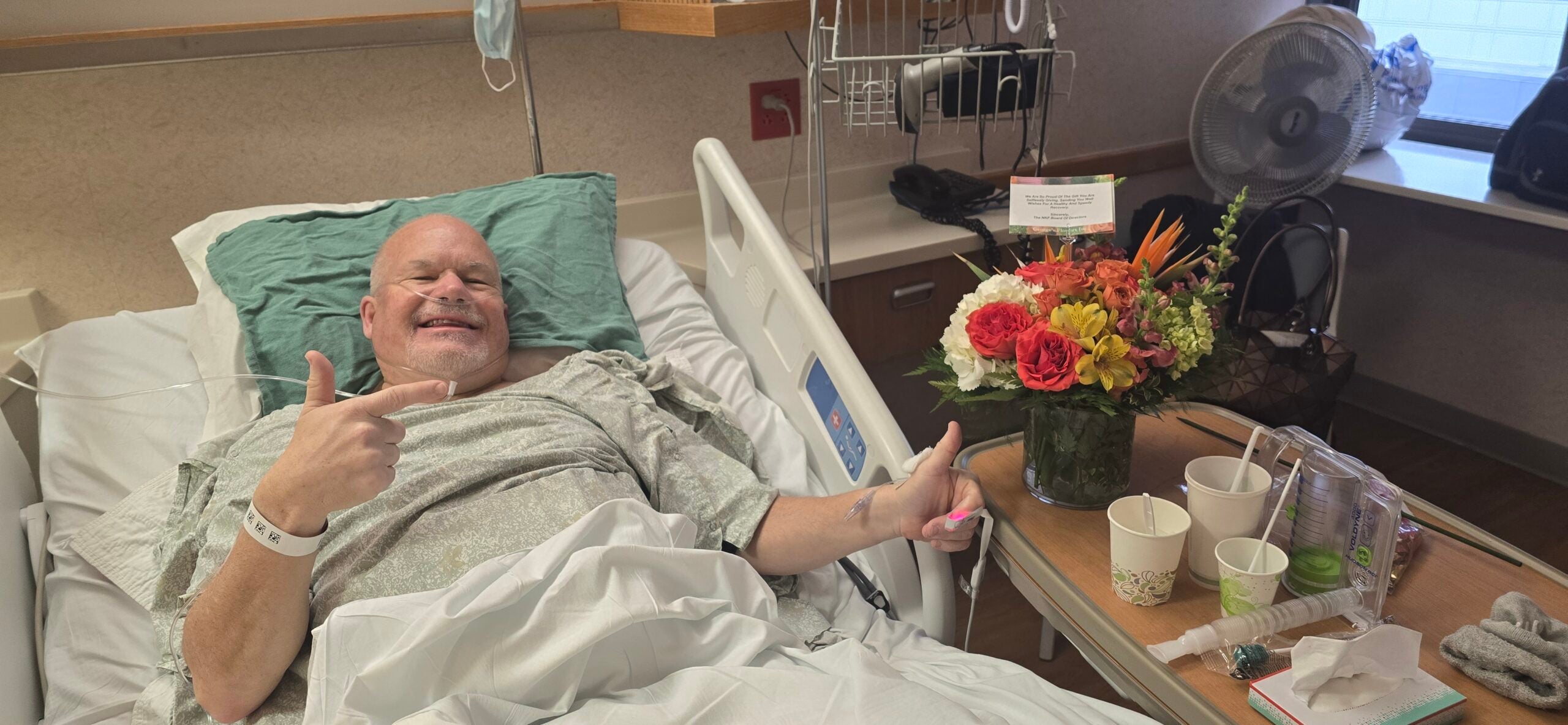
Crowley also started a kidney chain, which happens when a recipient has a willing donor that isn’t a match. When Crowley donated his kidney to a stranger, that person’s original donor donated to another stranger. The chain that Crowley started ended up saving four people’s lives, he said.
Crowley had his surgery in January. It went smoothly, as did his six-week recovery.
“My recovery was amazing. I am back doing everything that I’ve done before,” Crowley said. “My first bike ride was 41 miles.”
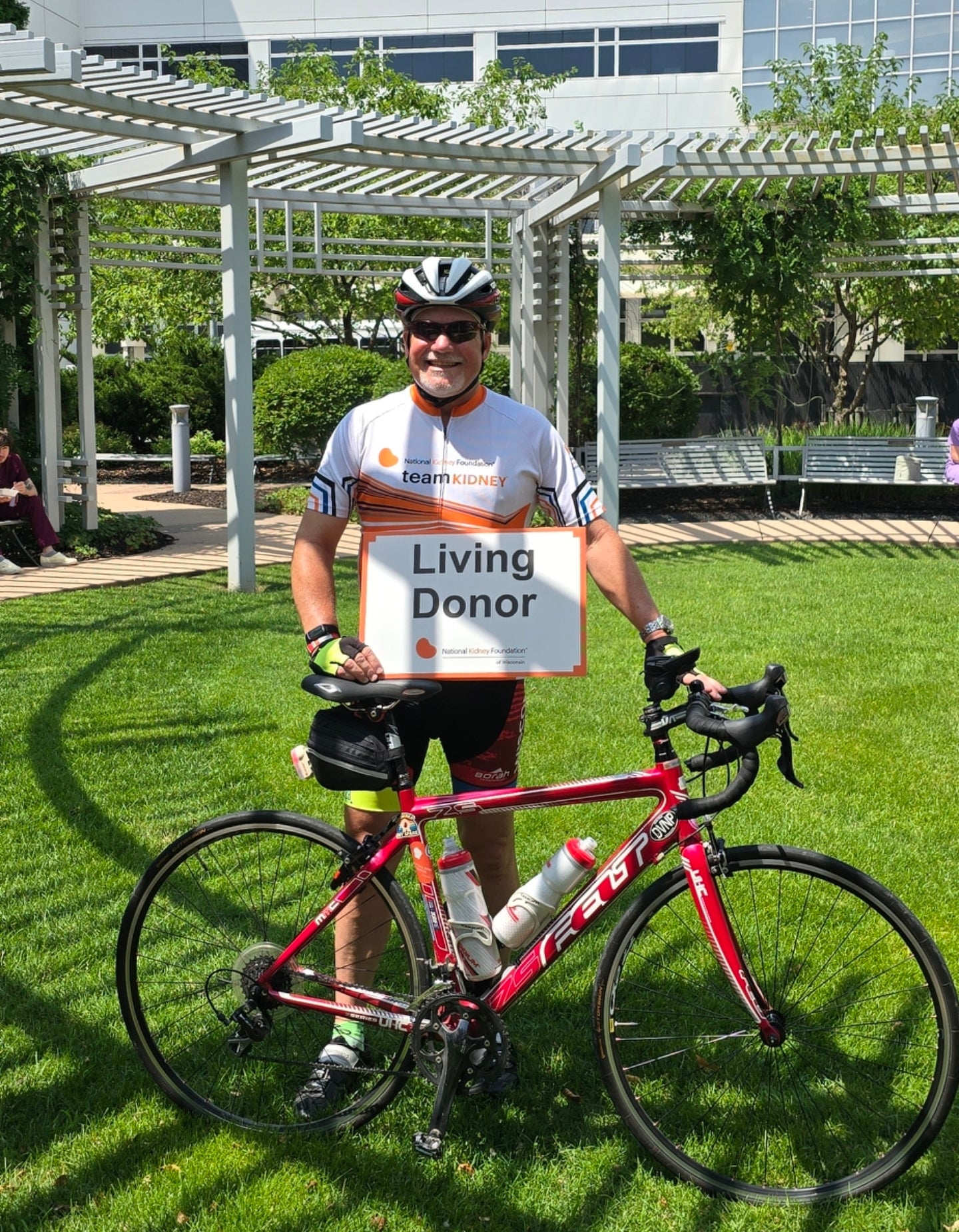
While Crowley’s employer covers time off for organ donation, he noted there are support systems in place for those who don’t get that privilege.
“There’s what’s called Donor Shield, and [it] makes a big difference,” Crowley said. “They’ll reimburse you for mileage, hotels, any travel expenses or loss of wages through that period of time that you’re recovering.”
Crowley pointed out another benefit of living organ donation that many people don’t know about: the National Kidney Registry’s voucher program. Through the program, each nondirected living kidney donor receives up to five vouchers, as well as one for themselves. If at any time in their life a living donor or one of their voucher holders needs a kidney, they are moved to the top of the transplant list nationwide.
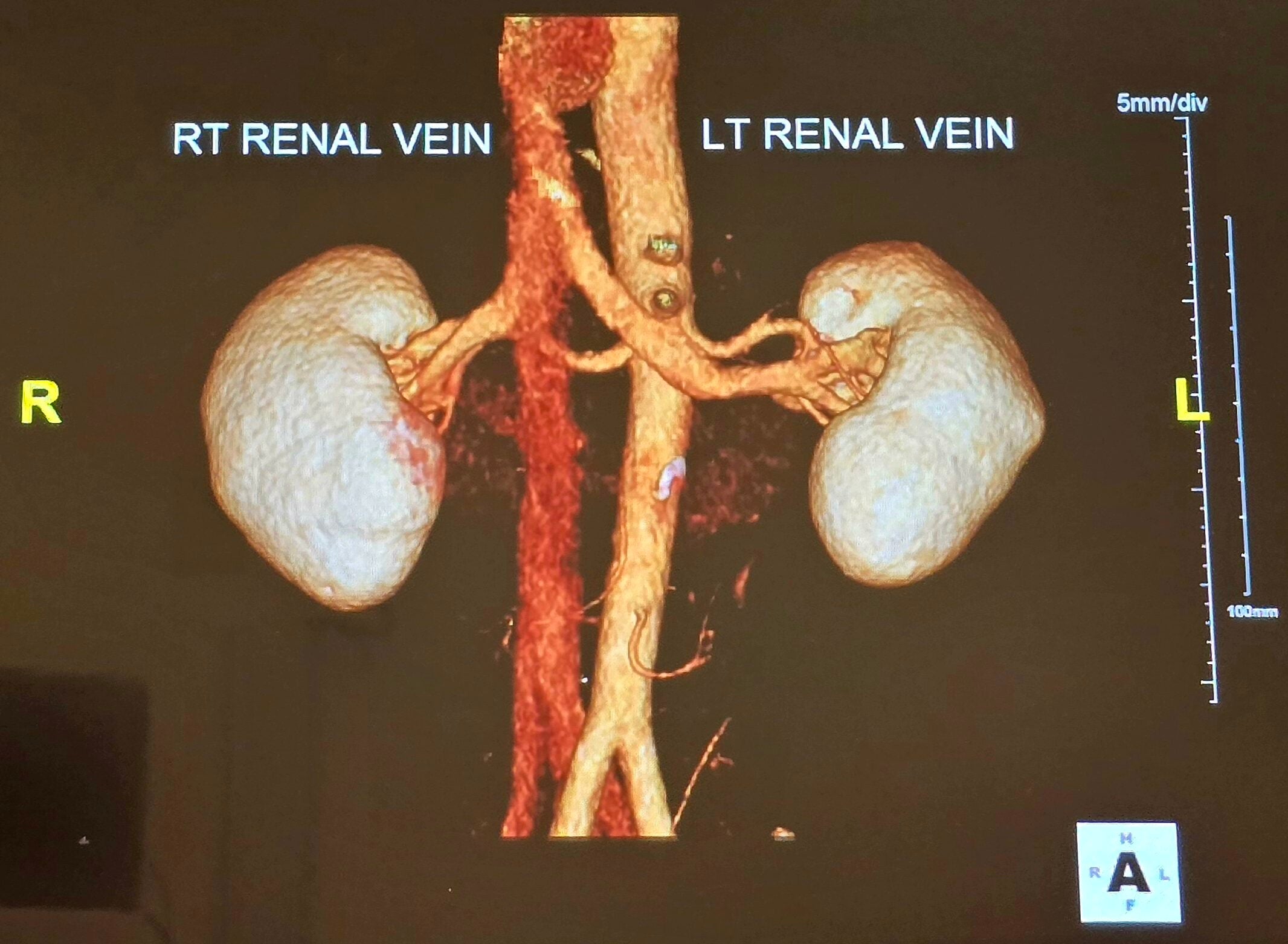
The voucher program was especially important to Crowley, whose son has Type I diabetes and a high likelihood of kidney failure over his lifetime.
“People ask, ‘Why would you donate a kidney to a stranger when you might want to donate to your family member?’ Well, you may not be a match,” Crowley said. “It’s a way to protect your family.”
Having just passed his six month “kidney-versary,” Crowley said he has zero regrets.
“Being an altruistic living kidney donor is the most amazing experience of your life, and you can live a normal, healthy life after you recover,” Crowley said.
More information on becoming a nondirected living kidney donor is available through the National Kidney Foundation of Wisconsin.