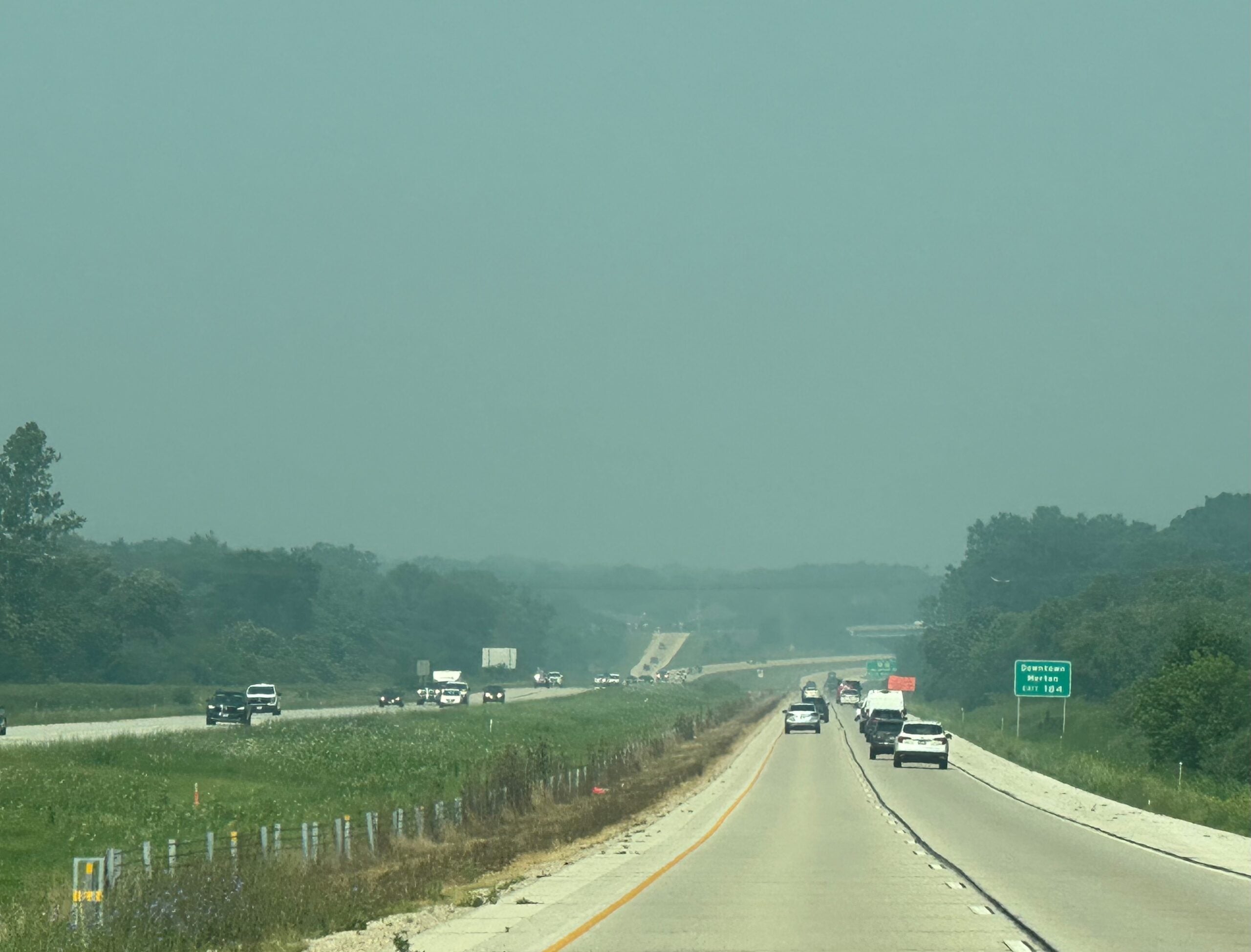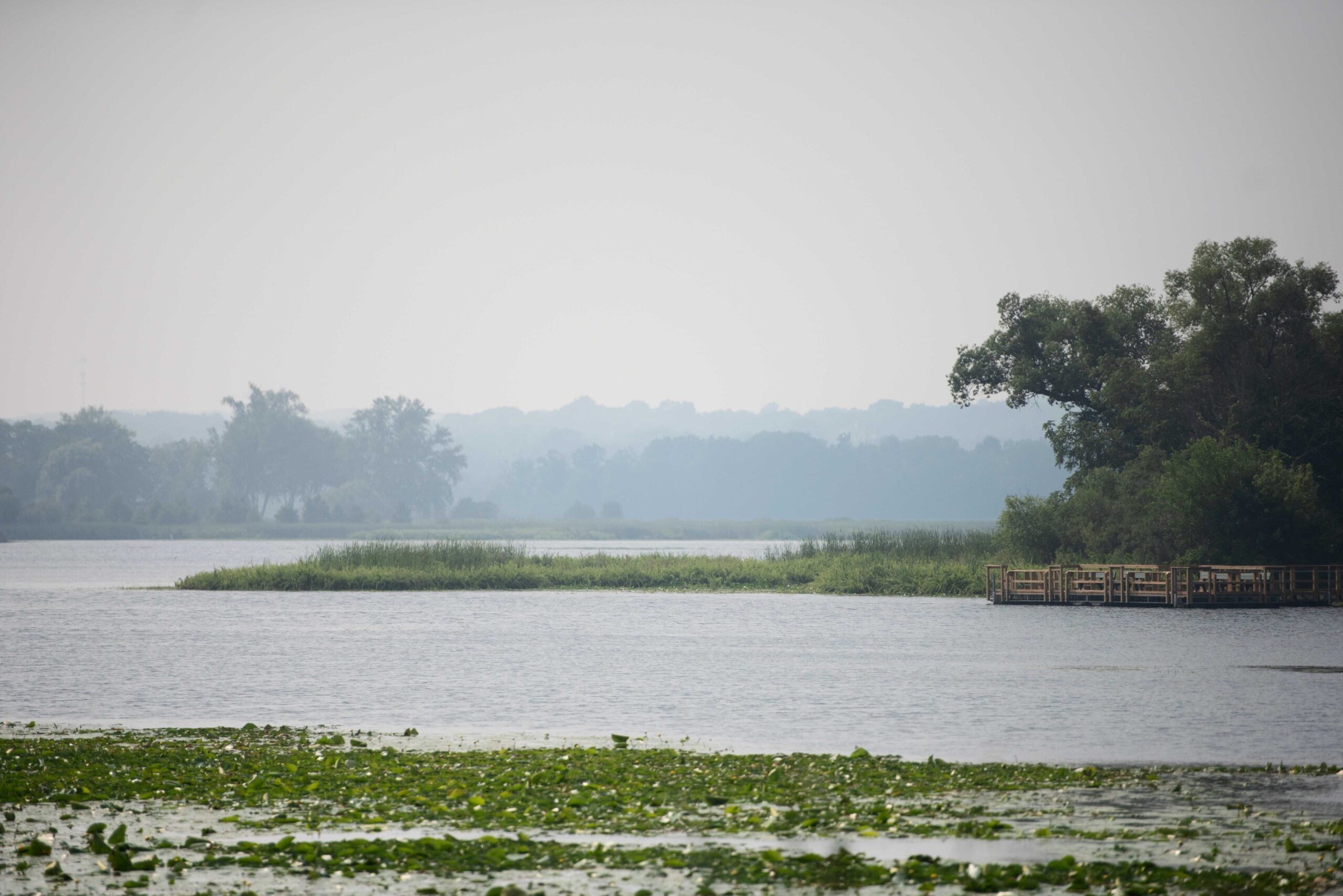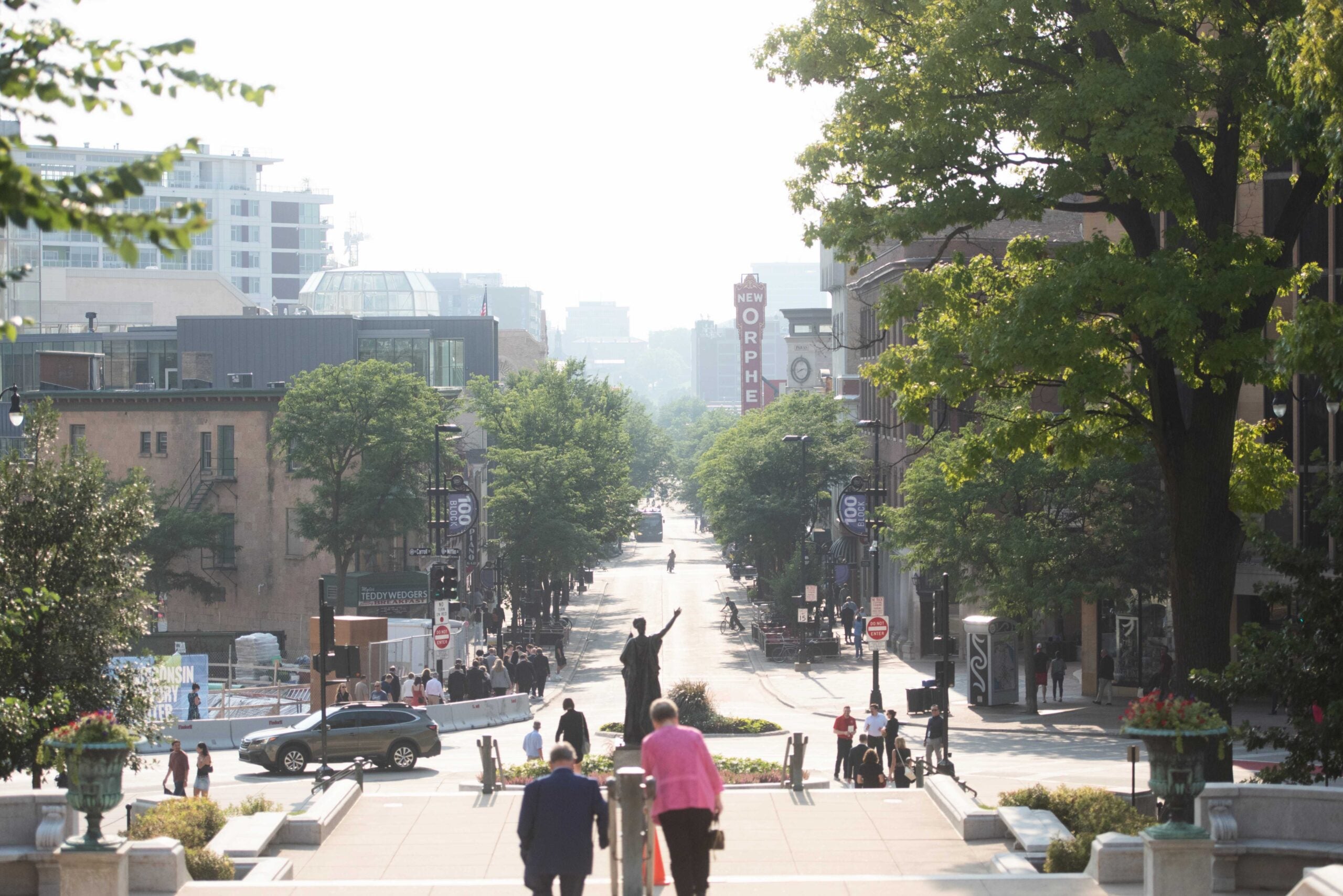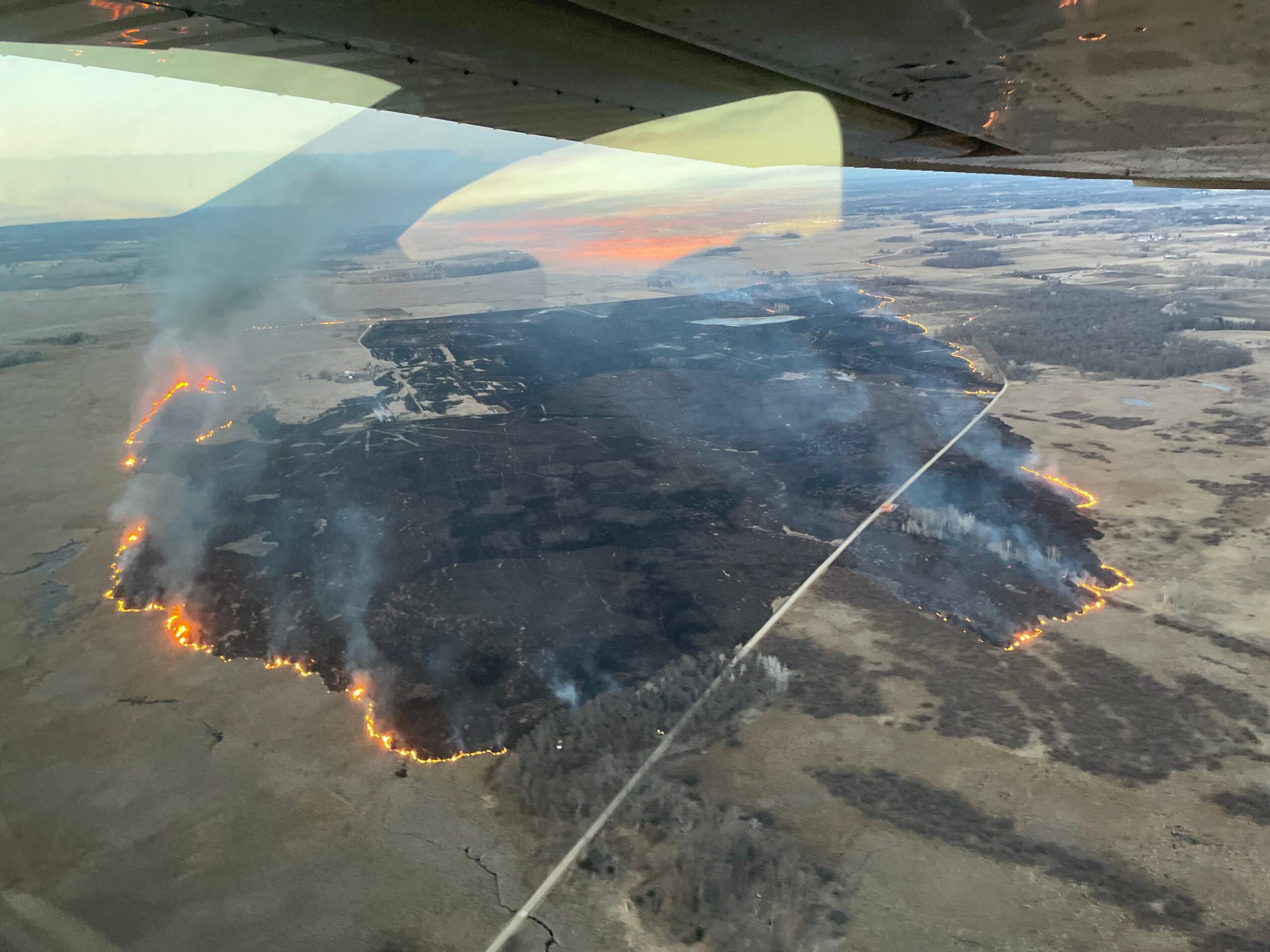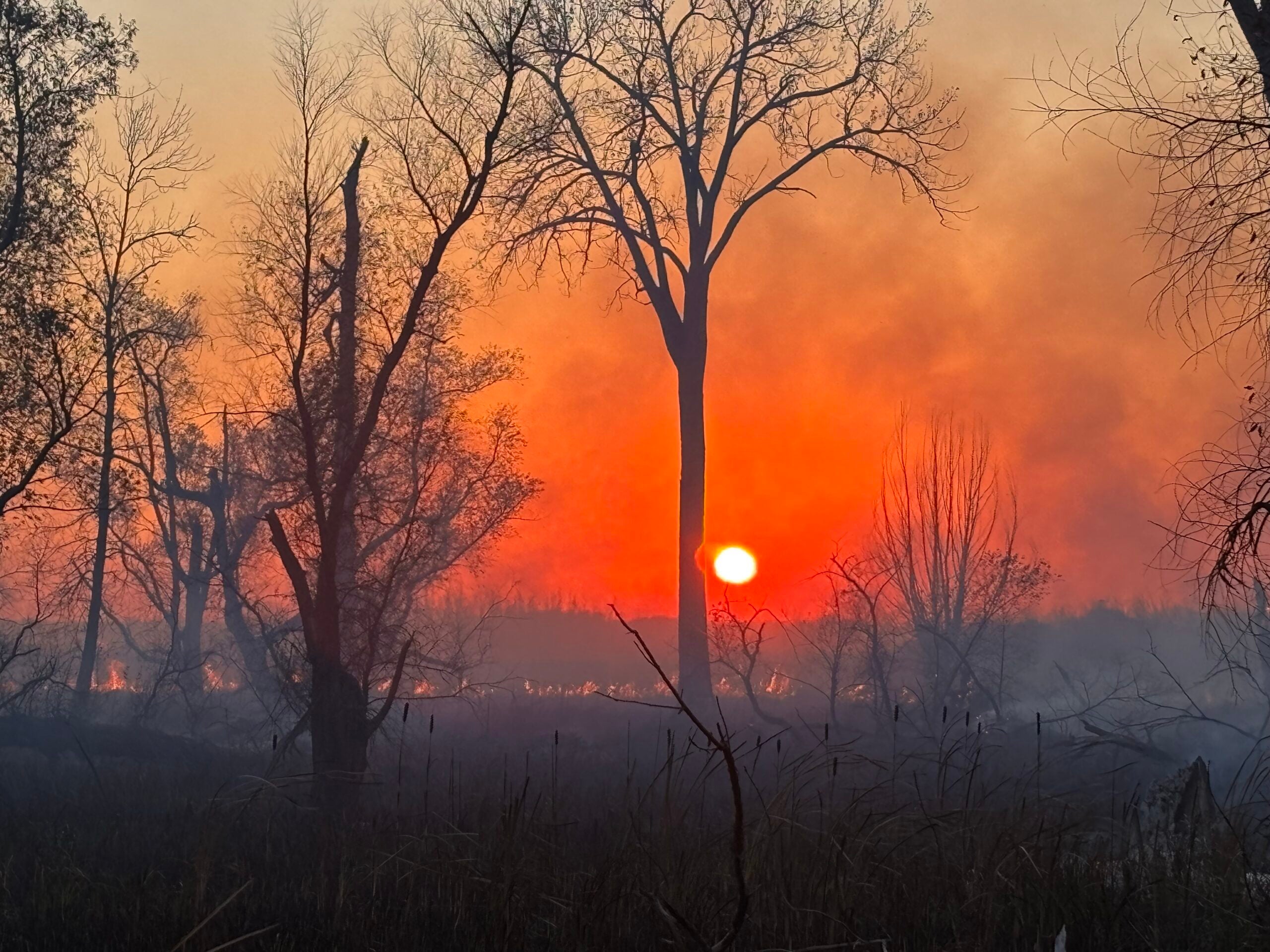
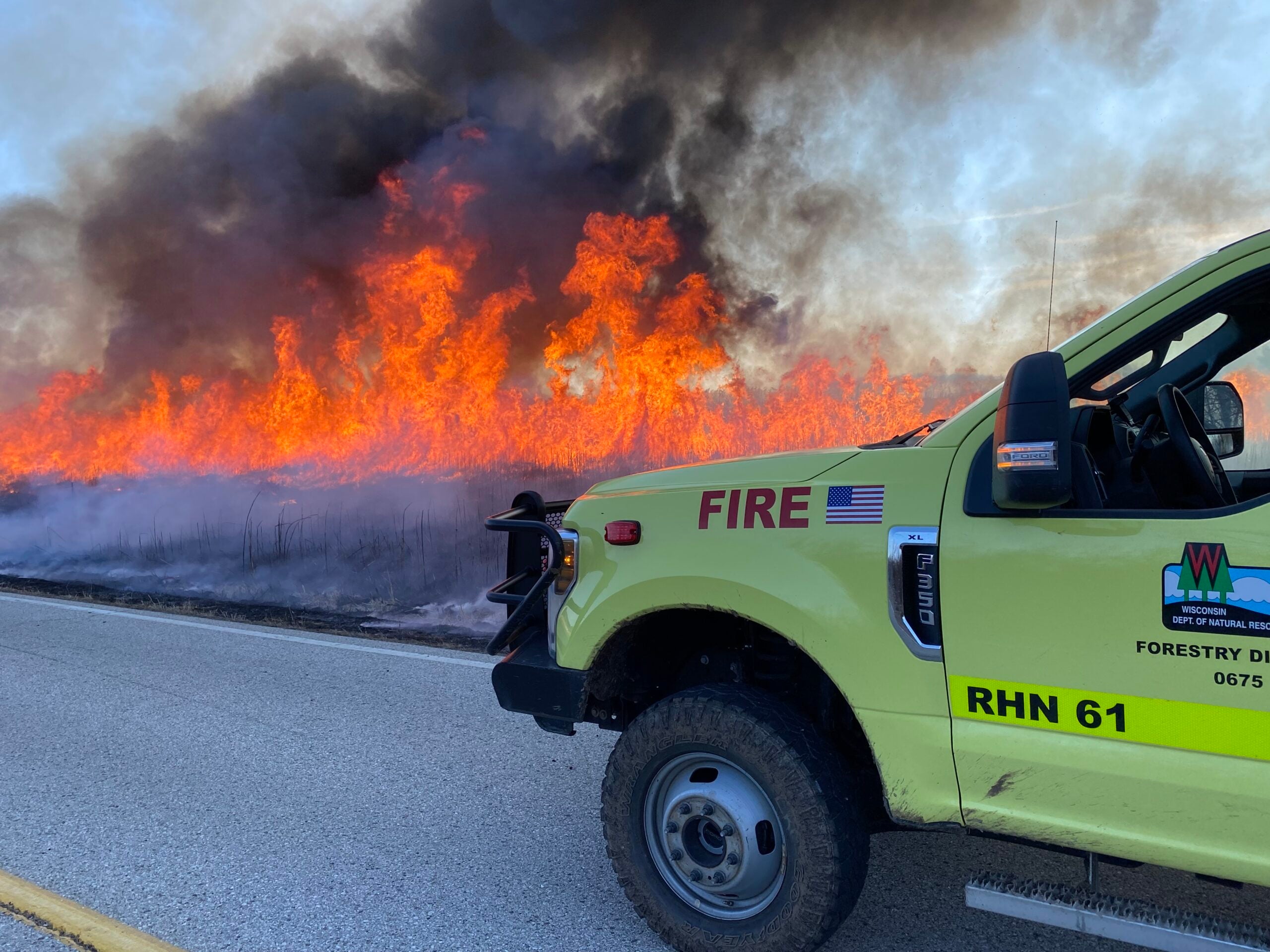
Wildfires in Wisconsin may not dominate headlines in the same way as the massive blazes burning across Canada and the western United States, but the risk is still very real — and evolving.
That’s the message from Catherine Koele, a wildfire prevention specialist with the Wisconsin Department of Natural Resources, who has spent more than two decades working to reduce the state’s fire risk.
In a conversation on WPR’s “Morning Edition,” Koele said Wisconsin has seen a decline in the number of wildfires in recent years thanks in part to better technology, faster reporting and increased awareness among residents.
News with a little more humanity
WPR’s “Wisconsin Today” newsletter keeps you connected to the state you love without feeling overwhelmed. No paywall. No agenda. No corporate filter.
But the state isn’t in the clear, Koele said. Longer fire seasons and unpredictable weather patterns are changing the landscape.
“What I have seen is a steady decline in fire currents,” she said. “However, over the last handful of years, we have seen things changing. We’re starting to see a longer duration in our fire seasons.”
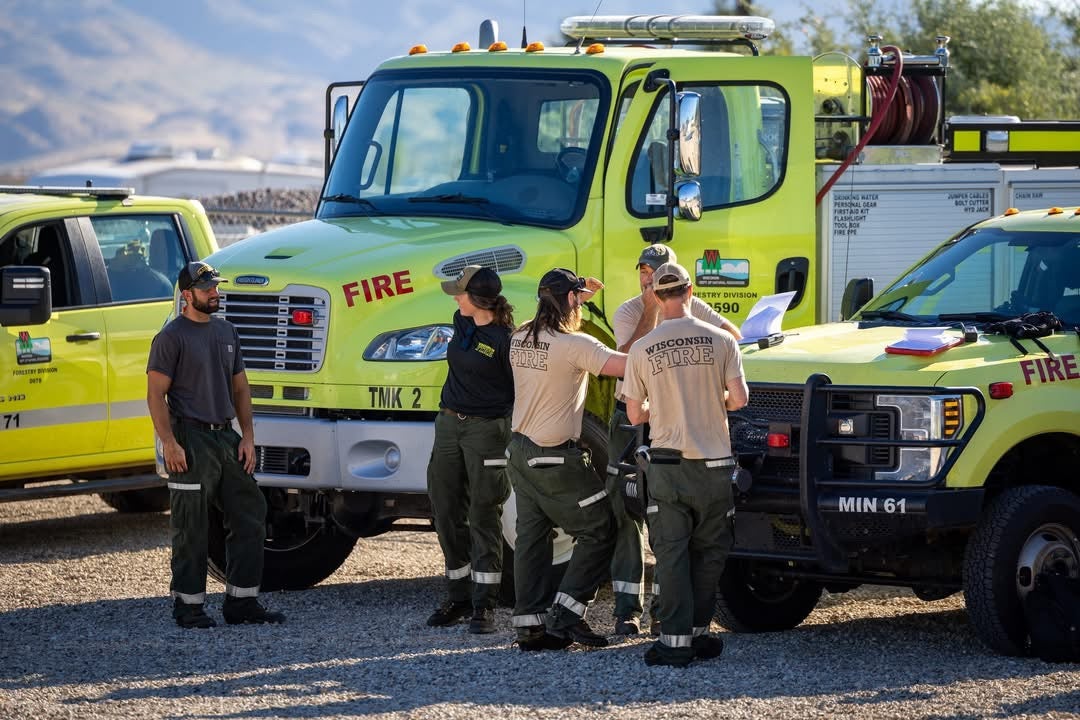
The department also plays a role on the national and international stage. Dozens of Wisconsin firefighters have been deployed to assist in Canada and the western United States, where longer fire seasons and drought conditions have led to record-setting blazes. Koele herself serves on a national incident management team that can be called to coordinate major firefighting efforts.
For Koele, the work is not only about science and safety but also about community. From helping protect Wisconsin homes to lending her skills in other parts of the country, she said the mission is deeply rewarding.
“I think I have the best job in the world,” she said.
The following interview was edited for brevity and clarity.
Shereen Siewert: How is the wildfire risk changing over time in Wisconsin?
Catherine Koele: Our fire numbers are down overall, but we are seeing more fire days. Technology and citizen reporting are helping to keep those fires pretty small, so some credit should go to the public. People are choosing alternatives to burning and the younger generations aren’t burning quite as much.
Unfortunately, with human activity, I don’t think we’ll ever actually see a net zero on the number of wildfires in Wisconsin.
SS: Why is it that we’re seeing so much wildfire activity in Canada that’s really affecting the air quality in Wisconsin?
CK: Wildfire currents and behavior depend on fuel and weather. What we’re seeing in Canada is very hot, dry, droughty conditions that are compounded with milder winters. A lot of the fires in Canada are in the Northwest Territories, and the jet stream is pushing that smoke right down our way.
Managing fires there is no different than how we manage any fire here in the States. We prioritize in this order: life, property and natural resources. A lot of the fires that are causing this abundant smoke are happening in boreal forests where it’s difficult to get resources in without placing firefighters at risk. That means they’re allowing those bigger fires to just burn, and we are talking huge fires. Those fires will likely burn until the snow falls.
SS: How common is it for you and others to be working outside of the state?
CK: The Wisconsin DNR is very active in mobilizing resources both nationally and internationally. We’ve had close to a dozen folks up in Canada already this year fighting fires in Ontario and Manitoba, as well as some engines.
To date, we’ve had close to 100 firefighters out in the west. I’m part of a national incident management team that can be assigned to assist with larger fires, too.
SS: What are some of the most common causes of wildfires?
CK: Unfortunately, the No. 1 cause of fires is people — about 98 percent of them. The good news is that fires can be prevented.
Typically, in the spring, shortly after the snow cover disappears and prior to vegetation greening up, we see a peak in our fire season. This year was a little unique in the sense that we had snow-free conditions in January and into February, so our season did start a little earlier.
Ash disposal can be a problem when people burn in their wood stoves and throw their ashes or embers into the woods. Other risks involve equipment including trains along a track in a wooded area and even dragging chains from a boat trailer. We’ve seen quite a few of those as well.
SS: What is the relationship like between the DNR and local volunteer firefighters?
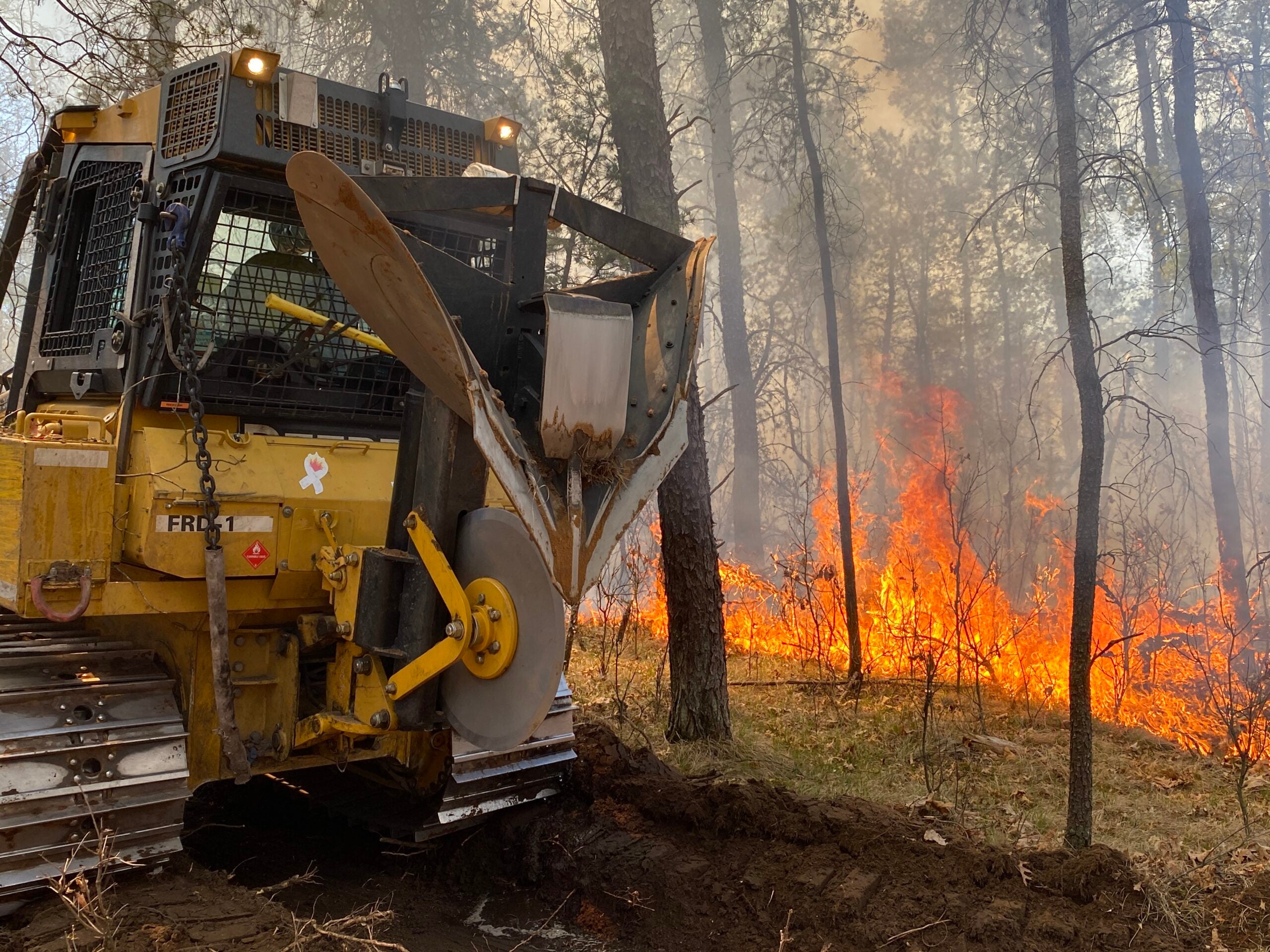
CK: We could not do what we do without their help. They are becoming increasingly trained in fighting wildfires, and they live in those communities they serve. They are the first to arrive before we respond with our heavy equipment. They’re the ones who really protect the structures and that allows us, the DNR, to focus on the wildland fire aspect. We work closely and do a lot of training with them. I have a lot of respect for our local fire departments.
SS: What advice do you have for homeowners who are in high risk areas?
CK: First and foremost, if it’s hot, dry and windy, avoid burning. Anytime we can reduce fire activity, that’s a good thing. Wisconsin has a lot of urban development and that does place people, homes, properties and businesses at risk. We need to reduce any sort of exposure to those types of fires.
Know the fire danger, get burning permits and consider alternatives to burning. I think it’s really important for people to be prepared and listen to the warnings that come out from emergency personnel.
If you have an idea about something in central Wisconsin you think we should talk about on “Morning Edition,” send it to us at central@wpr.org.