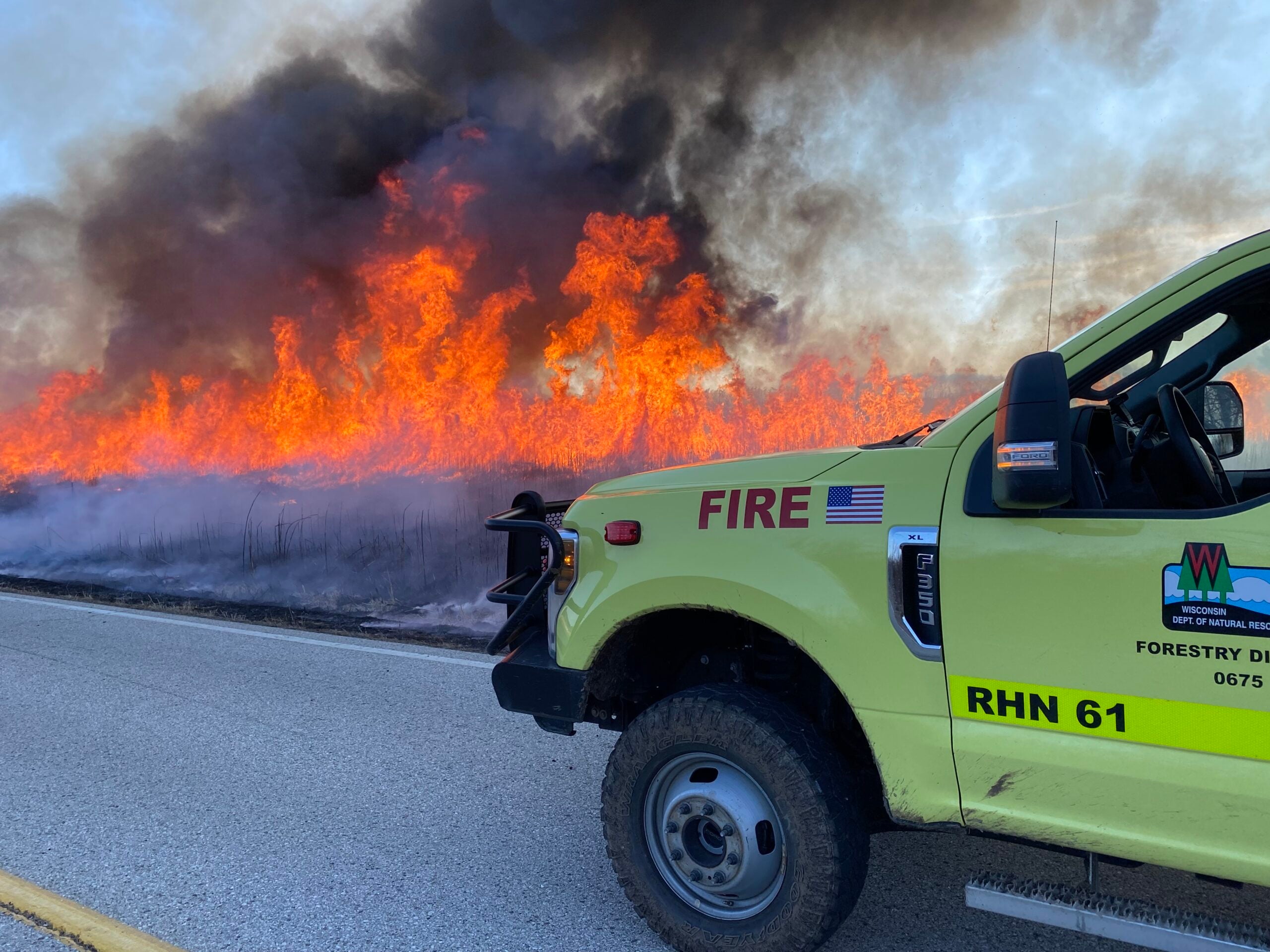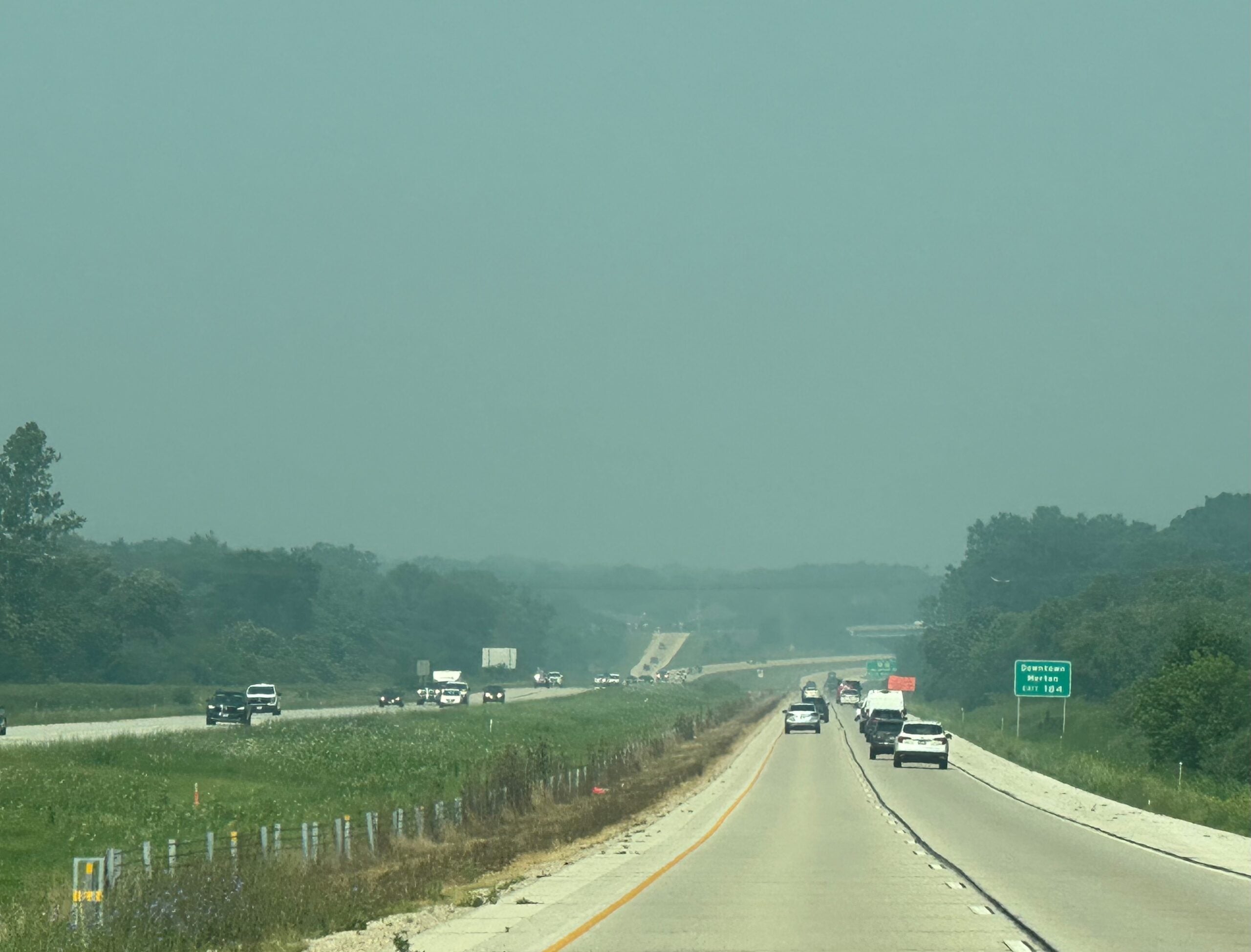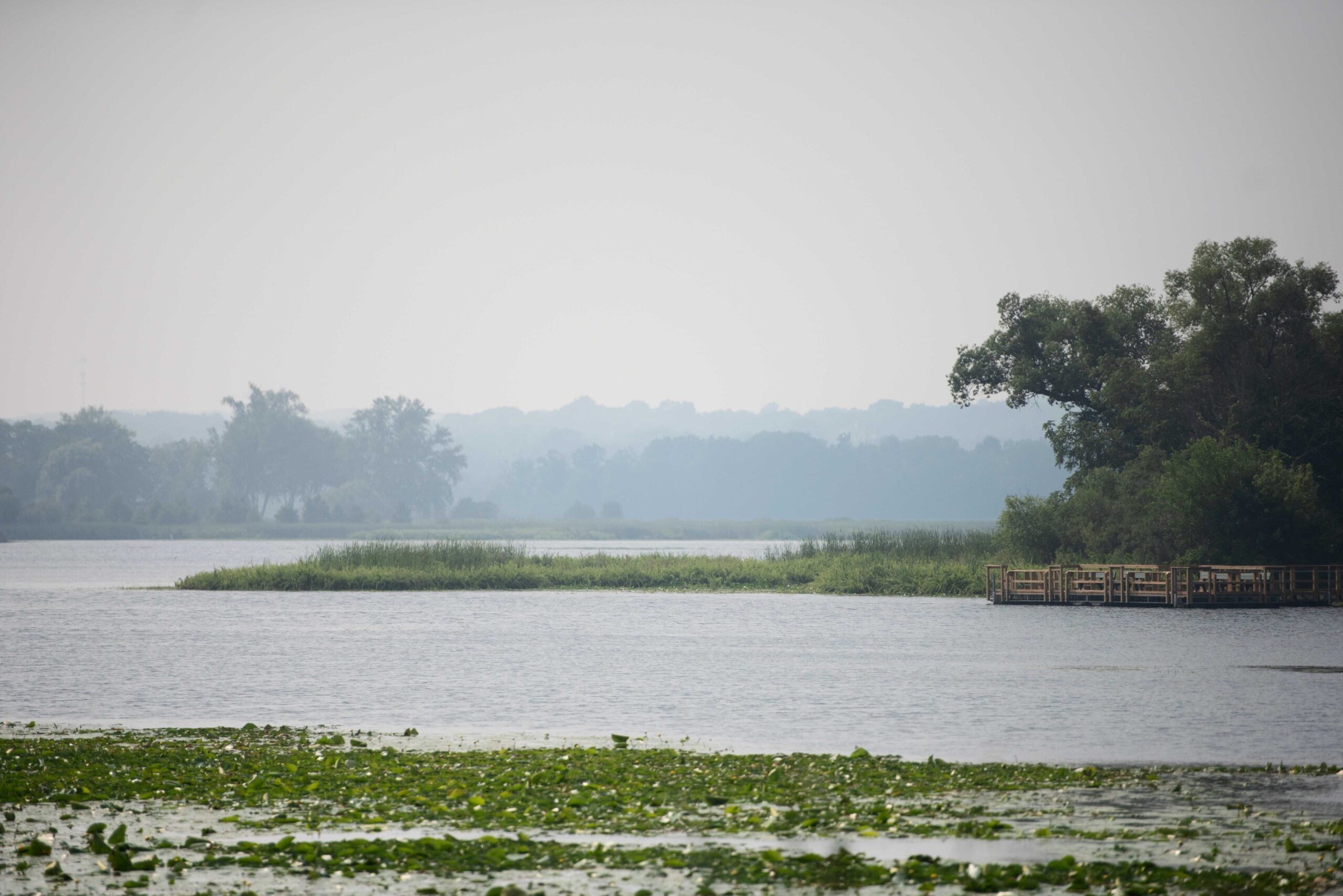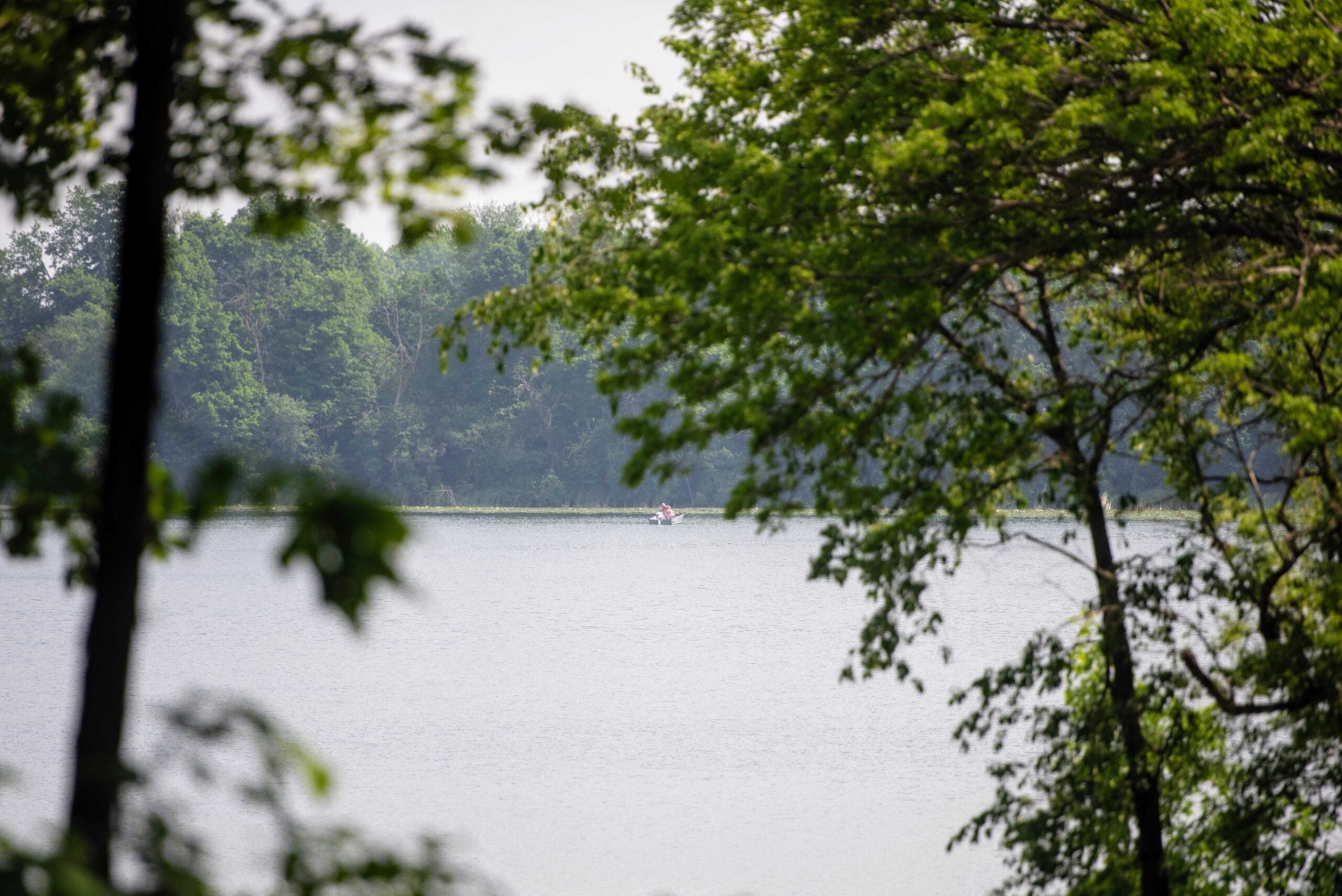

With drifting smoke from Canadian wildfires causing unhealthy air quality in much of Wisconsin, some Republican state and federal legislators are calling for the Canadian government to shift its forest management practices.
But experts say forest management practices aren’t the sole driver behind the fires, which have intensified in recent years due to climate change.
Wisconsin is expected to continue experiencing poor air quality into the weekend. The state Department of Natural Resources has extended its air quality advisory for unhealthy air to Saturday at noon.
News with a little more humanity
WPR’s “Wisconsin Today” newsletter keeps you connected to the state you love without feeling overwhelmed. No paywall. No agenda. No corporate filter.
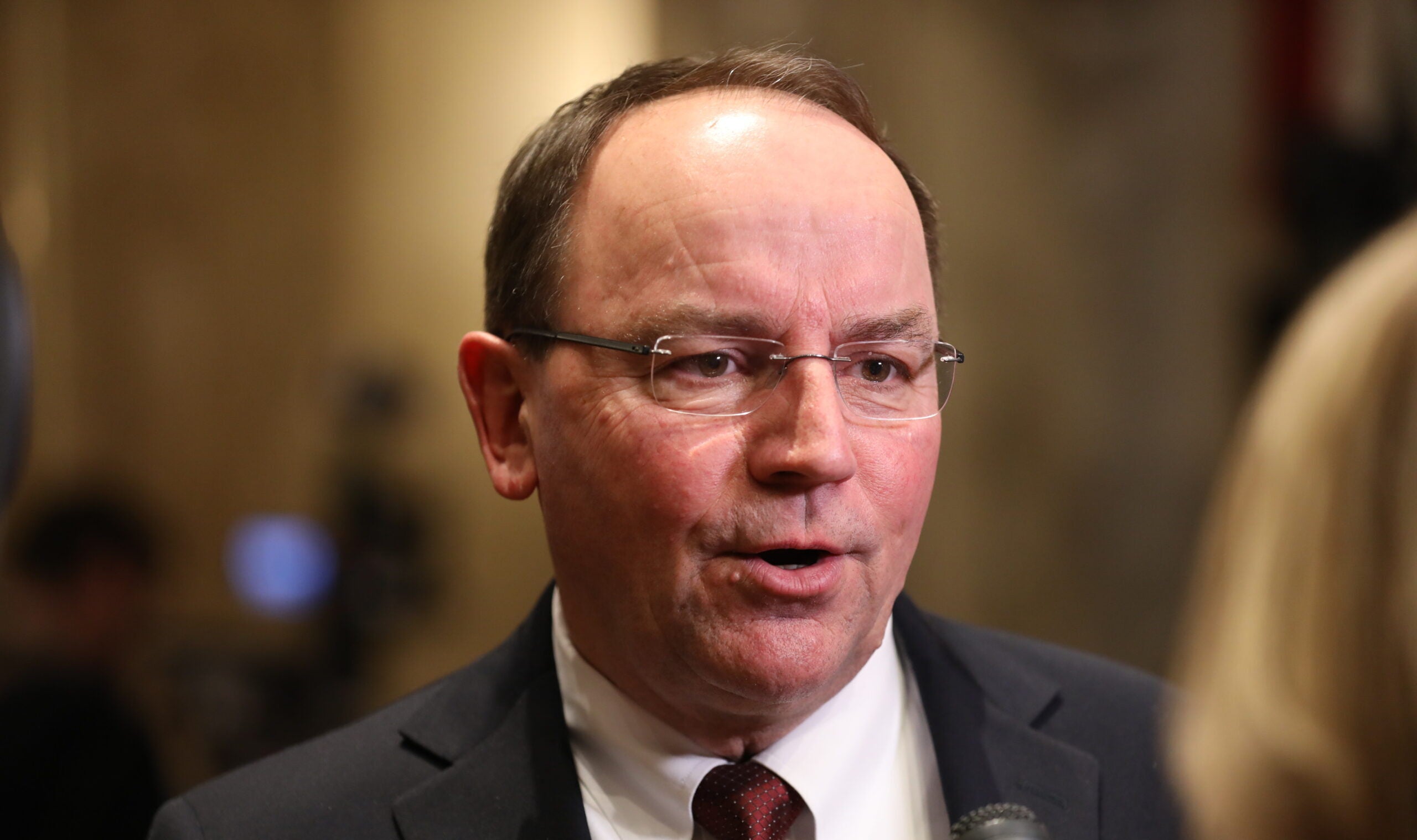
U.S. Rep. Tom Tiffany, R-Hazelhurst, told WPR Friday that both the U.S. and Canada need to change forest management practices to harvest more trees and adopt modern technologies that “can detect fire very early on” and help suppress them.
“I would urge Canada to do that — it’s time,” Tiffany said. “We’re seeing events across Wisconsin being canceled. People are not able to go outside in what’s the most wonderful time of the year.”
Air quality in much of the northern and northwest parts of Wisconsin was unhealthy on Friday, while the air was unhealthy for sensitive groups in the central, northeast and southern parts of the state, according to an air quality map from the U.S. Environmental Protection Agency. A smaller portion of the eastern and south central parts of the state had “moderate” air quality.
The air quality in Vilas, Forest and Ashland counties was among the worst in the United States on Friday, according to the EPA.
Craig Czarnecki, a spokesperson for the Wisconsin DNR, said state officials would review the situation on Saturday to determine whether the advisory needs to be extended again. He also said wildfire conditions have changed in Canada in recent years, with a lot of the fires starting in remote and difficult to reach areas.
“They’ve had less precipitation, shorter winters, longer warmer seasons — and those have all created these ideal conditions for wildfires to start,” he said. “Once they start, everything is so dry, they’re able to spread quickly.”
Tiffany and U.S. Rep. Glenn Grothman, R-Glenbeulah, both signed onto a letter to Canadian Ambassador Kirsten Hillman last month saying a key driver behind the Canadian wildfires has been “a lack of active forest management.”
“With all the technology that we have at our disposal, both in preventing and fighting wildfires, this worrisome trend can be reversed if proper action is taken,” the federal lawmakers wrote.
Wab Kinew, premier of the Canadian province of Manitoba, responded last month, saying he wants “these ambulance chasers in the U.S. Congress” to speak to the American firefighters who are helping try to tame the fires.
“This is what turns people off politics,” Kinew said. “When you’ve got a group of congresspeople trying to trivialize and make hay out of a wildfire season where we’ve lost lives in our province.”
Republicans call on Canada to do more to prevent wildfires
Tiffany and Grothman aren’t the only Wisconsin Republicans calling on Canada to do more.
At a town hall on Thursday, U.S. Rep. Brian Steil, R-Janesville, said the United States needs to make sure Canada is “doing their part as it relates to air quality.”
“Canada definitely needs to engage and do their role,” he said. “I wouldn’t jump to conclusions about exactly how that conversation should play out, or whether or not sanctions should be put in place.”
On Friday, state Rep. Calvin Callahan, R-Tomahawk, released a statement praising Tiffany for signing onto the letter and blasting Canada. He said northern Wisconsin foresters could “teach” Canada “a thing or two” if the country “needs a crash course in wildfire prevention.”
“Canada’s mismanagement and inadequate prevention of its forest wildfires are becoming our problem, and that’s not acceptable,” Callahan stated. “Our farmers, loggers, and small business owners don’t get to shrug off their responsibilities and neither should Canada.”
Forestry efforts alone don’t explain wildfires
A recent study published in the journal Proceedings of the National Academy of Sciences found the area of forest lost to fire in 2023 and 2024 was twice as big as the annual average over the previous almost two decades.
The study found that human-caused climate change likely drove that increase in forest disturbance, and is responsible for increases in the length of fire seasons and frequency of fire weather events.
Tracey Holloway, a professor in the Nelson Institute for Environmental Studies and the Department of Atmospheric and Oceanic Sciences at the University of Wisconsin-Madison, said wildfires are dependent on climate.
“There’s really no question that when you have warmer, drier summers, you’re going to get fires spreading more than they would otherwise,” she said.
But Holloway also said wildfires are “not an either/or problem” and there are land management practices that can be used to mitigate the risk.
Paul Strong, former Chequamegon-Nicolet National Forest supervisor, said annual weather has been less predictable in recent years than it had been over the last “several hundred years.” He said there’s been extended periods of drought in recent years, longer dry seasons and shorter winters.
“There needs to be changes in both the United States and Canada over time to address these conditions, which are no longer stable and predictable, but very uncertain and chaotic,” he said.
Strong also said some of the fires have been in areas where there’s “no economical forest management to do.”
Fred Clark, a Democratic former state lawmaker and former forester for the Wisconsin DNR, said he thought the letter GOP federal lawmakers sent to Canada “tone deaf,” especially following federal cuts to the U.S. Forest Service.
Clark said Canadians are “well aware” they’re facing a “fire crisis.” He said Canada is already making investments in what it calls a “whole of society approach” to address fuels management and the need for risk reduction.
“I think that Rep. Tiffany and his colleagues are ignoring the role of climate change in setting up conditions,” Clark said. “Canada is not alone by any means. And it isn’t lack of management in Canada that has caused this, it’s climate change, and we are seeing the effects of it.”

Wisconsin Public Radio, © Copyright 2026, Board of Regents of the University of Wisconsin System and Wisconsin Educational Communications Board.