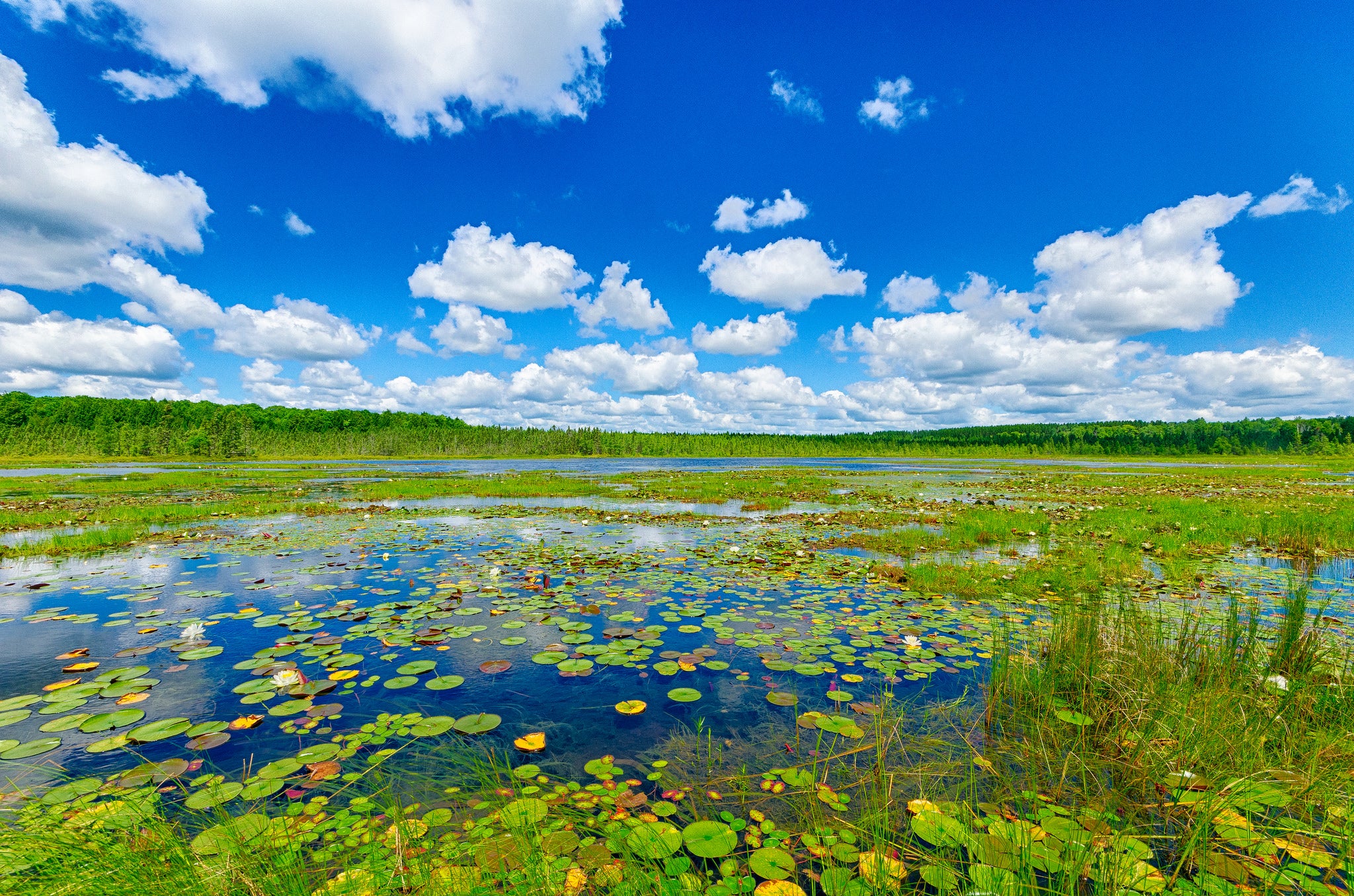
Only 13 percent of Wisconsin’s wetlands would fall under federal protection under proposed changes to the “waters of the United States” rule unveiled last month, but most would still be protected under state law.
Even so, wetland advocates say some Wisconsin wetlands would be more vulnerable to development under narrow exemptions in state law.
In November, the U.S. Environmental Protection Agency and Army Corps of Engineers proposed changes that would strip federal protections for more than 80 percent of the nation’s wetlands, according to a regulatory impact analysis. That same analysis shows just 13 percent or 791,933 acres of Wisconsin wetlands would be federally protected.
News with a little more humanity
WPR’s “Wisconsin Today” newsletter keeps you connected to the state you love without feeling overwhelmed. No paywall. No agenda. No corporate filter.
By 1990, Wisconsin had already lost more than half of roughly 10 million acres of wetlands due largely to farming practices. Now, wetland mapping shows Wisconsin has around 6 million acres of wetlands.
The extent of the rule’s impacts on the state’s remaining wetlands is unclear, said Erin O’Brien, policy programs director for the Wisconsin Wetlands Association.
“Measuring the … acreage of unprotected waters or actual potential impacts is really difficult,” O’Brien said. “Just because something’s left unprotected, that doesn’t mean there will be a proposal to develop it. It just means that it’s vulnerable to development.”
A spokesperson with the Department of Natural Resources declined to comment, saying it’s still evaluating the rule.
The proposed changes follow a 2023 Supreme Court ruling known as the Sackett decision that limited the EPA’s power to prevent pollution of certain wetlands. Under the ruling, the court’s conservative majority found only wetlands with a “continuous surface connection” to “relatively permanent” waterways such as lakes and rivers can be regulated under the Clean Water Act.
The EPA is now defining “relatively permanent” waterways as those that flow during the “wet season” or year-round. The definition will be used to determine whether landowners or developers need a federal permit for projects.
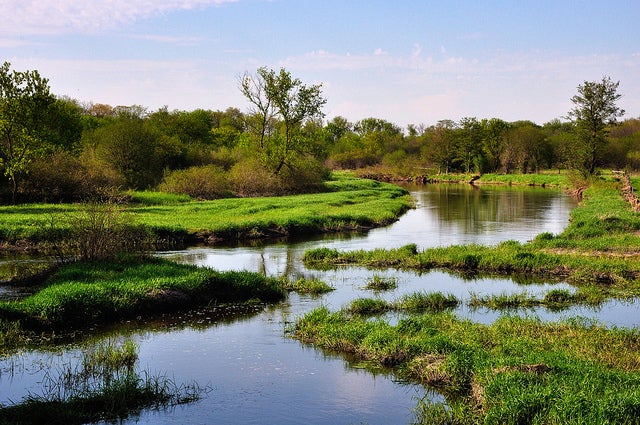
Despite the proposed changes, Wisconsin wetlands are likely to fare better than most states. A 2001 law provided robust protections for isolated wetlands or those that aren’t directly connected to streams and rivers, said Steph Tai, a law professor with the University of Wisconsin-Madison Law School.
“Anyone who’s looking to fill in wetlands within Wisconsin is still going to have to go through permitting through our DNR,” Tai said.
Some smaller wetlands in Wisconsin could be more vulnerable to development due to narrow exemptions under state law for nonfederal wetlands or wetlands regulated by the state.
A 2018 law exempted discharges into some urban and rural wetlands from state wetland permitting requirements. The law allowed discharges into urban wetlands up to an acre in size as long as they’re not rare, high-quality wetlands. It also allows discharges into rural wetlands spanning three acres or less that aren’t rare or high-quality, but only if the developments discharging into the wetlands are related to agriculture.
“I do think the federal government is more eager to give determinations that they don’t have jurisdiction over certain wetlands,” said Jane Landretti, an attorney and partner at the Madison firm Stafford Rosenbaum who represents the interests of developers on the Wisconsin Wetland Study Council. “When a landowner has that piece of paper in hand, they can take it to the DNR and show that they should qualify for a nonfederal exemption. I do see that happening more often now under this proposed rule.”
A DNR wetland permitting dashboard shows discharges into 84 acres were exempt from state permitting requirements from 2022 to 2024. At the same time, Wisconsin saw a net gain of more than 4,700 acres of wetlands mostly through restoration projects.
Landretti said she suspects the administration wants to make it easier for landowners and developers to know whether they need a federal permit. But O’Brien said the proposed rule makes that process less clear, which could result in delays that cost developers time and money.
The EPA is accepting comments on the rule through Jan. 5.

Wisconsin Public Radio, © Copyright 2026, Board of Regents of the University of Wisconsin System and Wisconsin Educational Communications Board.