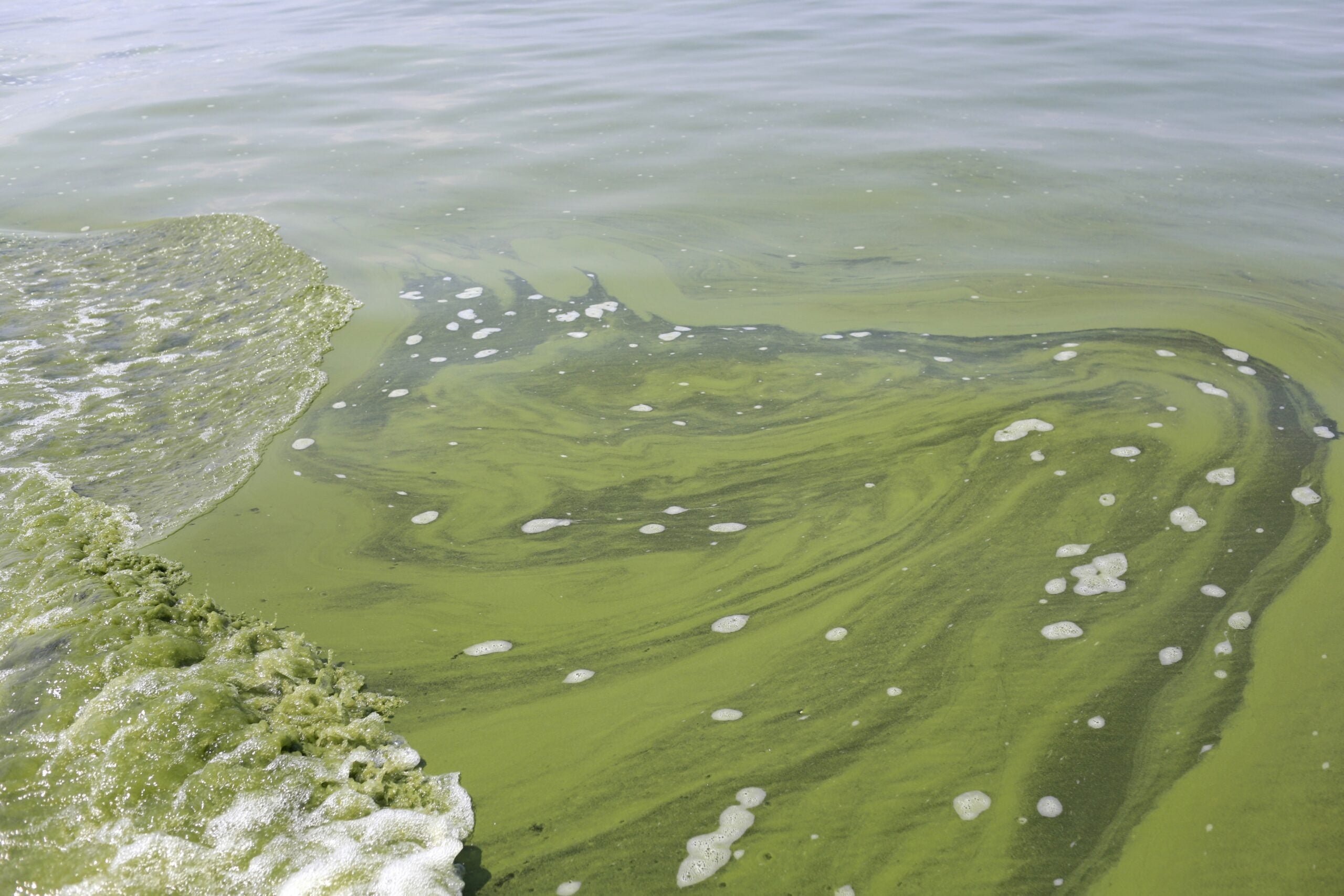
Wisconsin and tribes would have less power to protect waterways under the Clean Water Act if the Environmental Protection Agency adopts proposed changes to how it treats energy and infrastructure projects.
EPA Administrator Lee Zeldin said a proposed rule would protect water quality while “ending weaponization of the law” that has delayed or blocked projects, including oil and gas pipelines.
The Clean Water Act allows states and authorized tribes to grant or deny permits for federally regulated waters within their borders through a water quality certification process.
News with a little more humanity
WPR’s “Wisconsin Today” newsletter keeps you connected to the state you love without feeling overwhelmed. No paywall. No agenda. No corporate filter.
Evan Feinauer, staff attorney with Clean Wisconsin, said under the new rule state and tribal reviews would be limited to actual discharges into rivers, streams and wetlands rather than the activity as a whole.
For example, he said an agency wouldn’t be able to consider the water-quality effects of erosion from truck traffic related to a pipeline project because it’s not an actual discharge.
“They just want to build these things, and they want to not have a whole lot of concern about whether or not there are to be water-quality impacts,” Feinauer said.
President Donald Trump’s administration previously reined in the power of states and tribes during his first term, but the EPA revised those regulations under President Joe Biden.
The EPA’s proposal is similar to the Trump administration’s 2020 rule. It would maintain a strict one-year deadline for reviewing projects. States and tribes would be barred from asking developers to withdraw and resubmit requests for water quality certification, and they would have to detail the reasons for any conditions developers must meet.
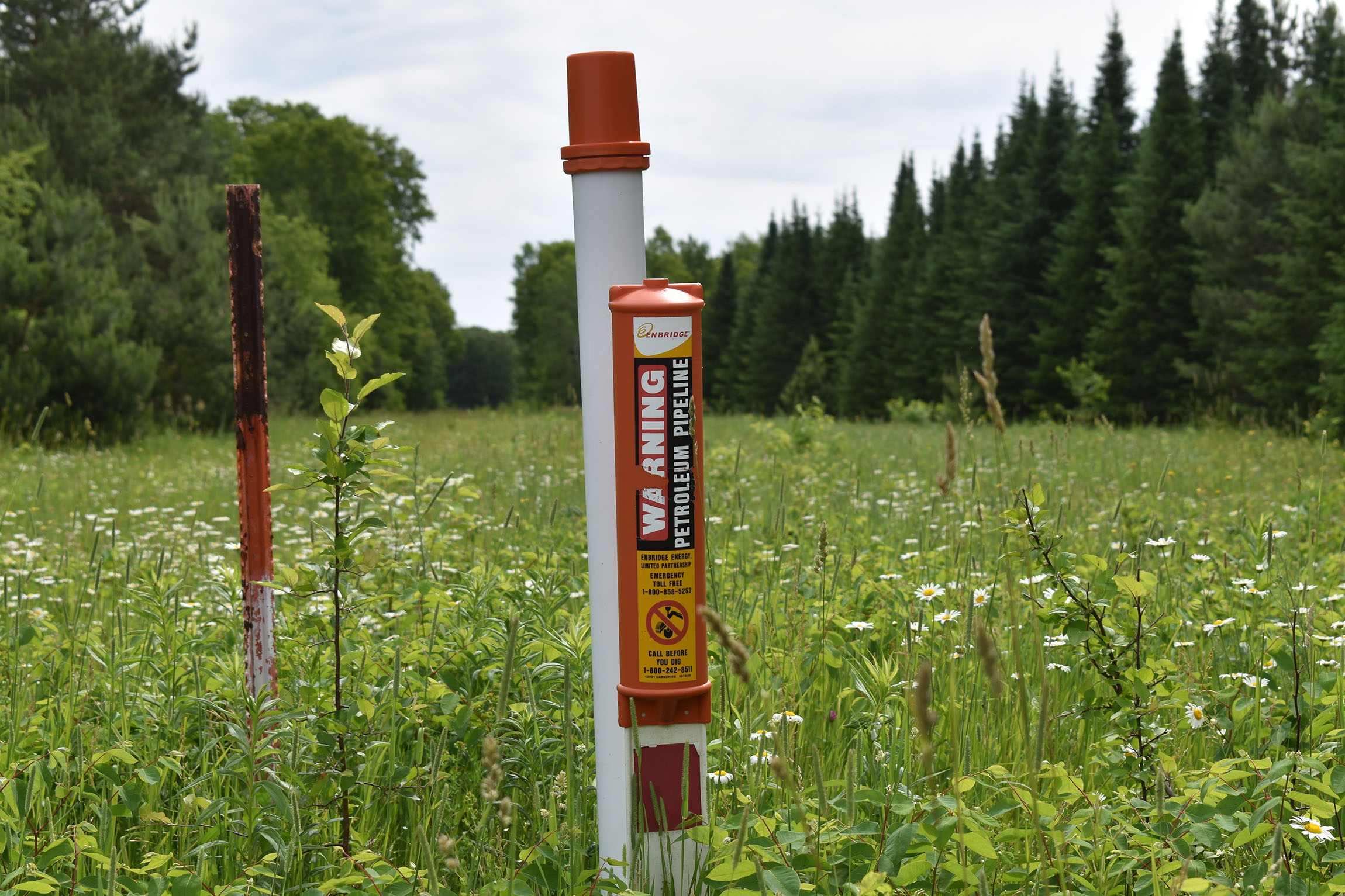
The Interstate Natural Gas Association of America represents interstate natural gas pipeline companies in the U.S. and Canada, including NextEra Energy and Enbridge Energy. Amy Andryszak, the association’s president and CEO, said in a statement that the EPA’s proposal would bring clarity and certainty to permitting projects.
“Delay tactics and protracted … certification timelines have allowed certain states to frustrate the ability of natural gas pipelines to upgrade and expand to meet this nation’s growing energy demand,” Andryszak said.
State regulators reviewed Enbridge’s planned reroute of its Line 5 oil and gas pipeline for nearly five years. The Wisconsin Department of Natural Resources issued a water quality certification with conditions that’s being challenged by the Bad River tribe and environmental groups.
Feinauer said the project wouldn’t be affected by the rule, but future projects may be. An Enbridge spokesperson said it will continue to work with federal, state and tribal regulators to obtain necessary permits to advance energy projects.
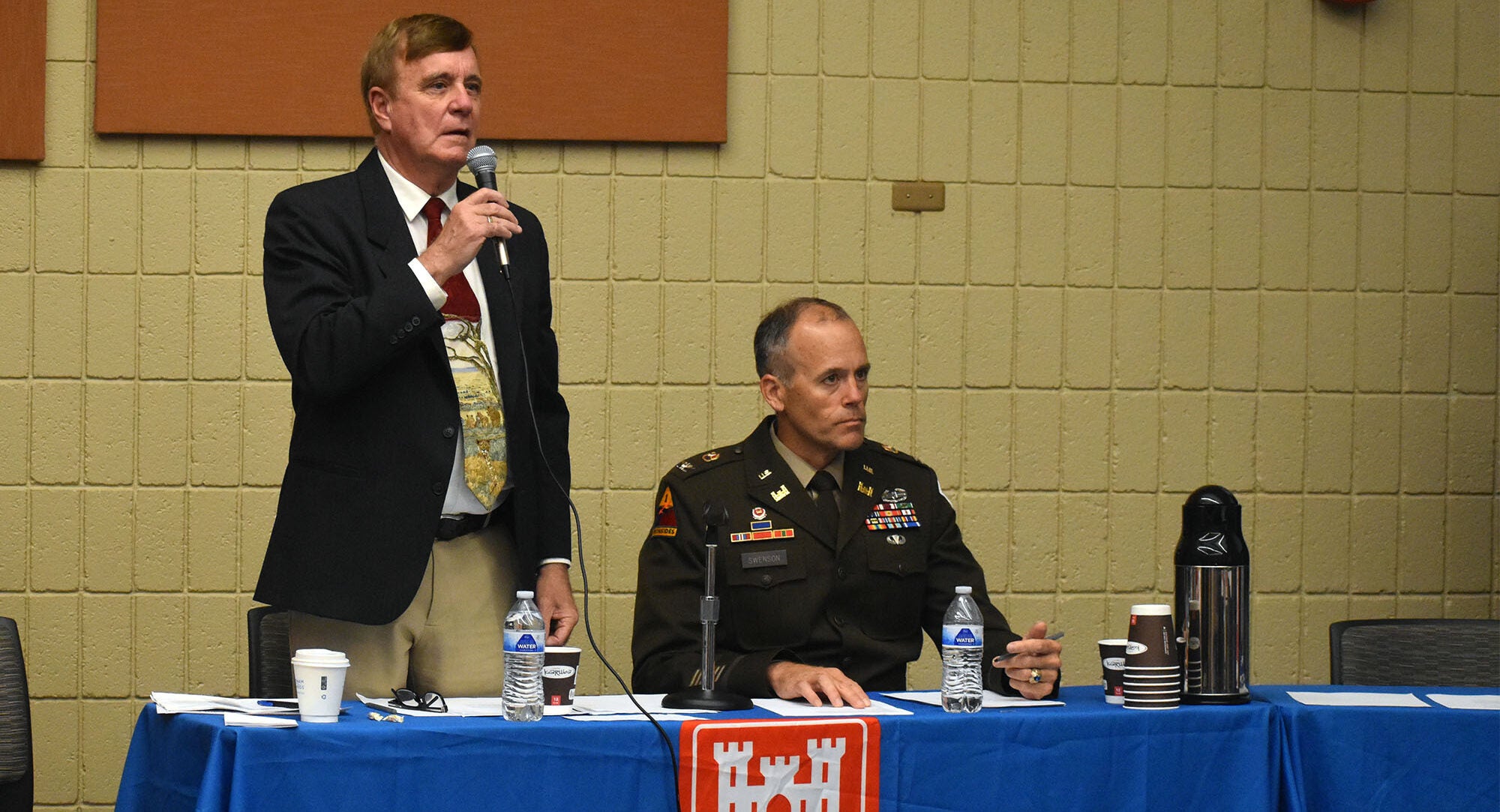
A DNR spokesperson said it’s reviewing the EPA proposal. In 2022, the agency told the EPA that the Biden administration’s changes “more closely align with water protection needs in Wisconsin.” The DNR said it worked with the U.S. Army Corps of Engineers to streamline permitting, noting some delays result from an incomplete application.
While states like New York may have blocked projects, Wisconsin denied water quality certifications to fewer than 1 percent of the 212 decisions it made on Corps permits for projects from Nov. 2023 to Sept. 2025. That’s according to the EPA’s own economic analysis. Wisconsin granted most certifications outright, but around one in five were issued with conditions for developers.
Under the proposed rule, states or tribes wouldn’t be able to make changes to a water quality certification once it’s been granted without agreement from the project’s applicant or EPA, said Nancy Stoner, senior attorney at the Environmental Law & Policy Center.
She noted the rule would also remove a process that allows tribes to weigh in on federally regulated projects even if they haven’t adopted their own water quality standards under the Clean Water Act.
“They lose their power unless they adopted such programs, so it puts a huge hurdle in front of tribes,” Stoner said.
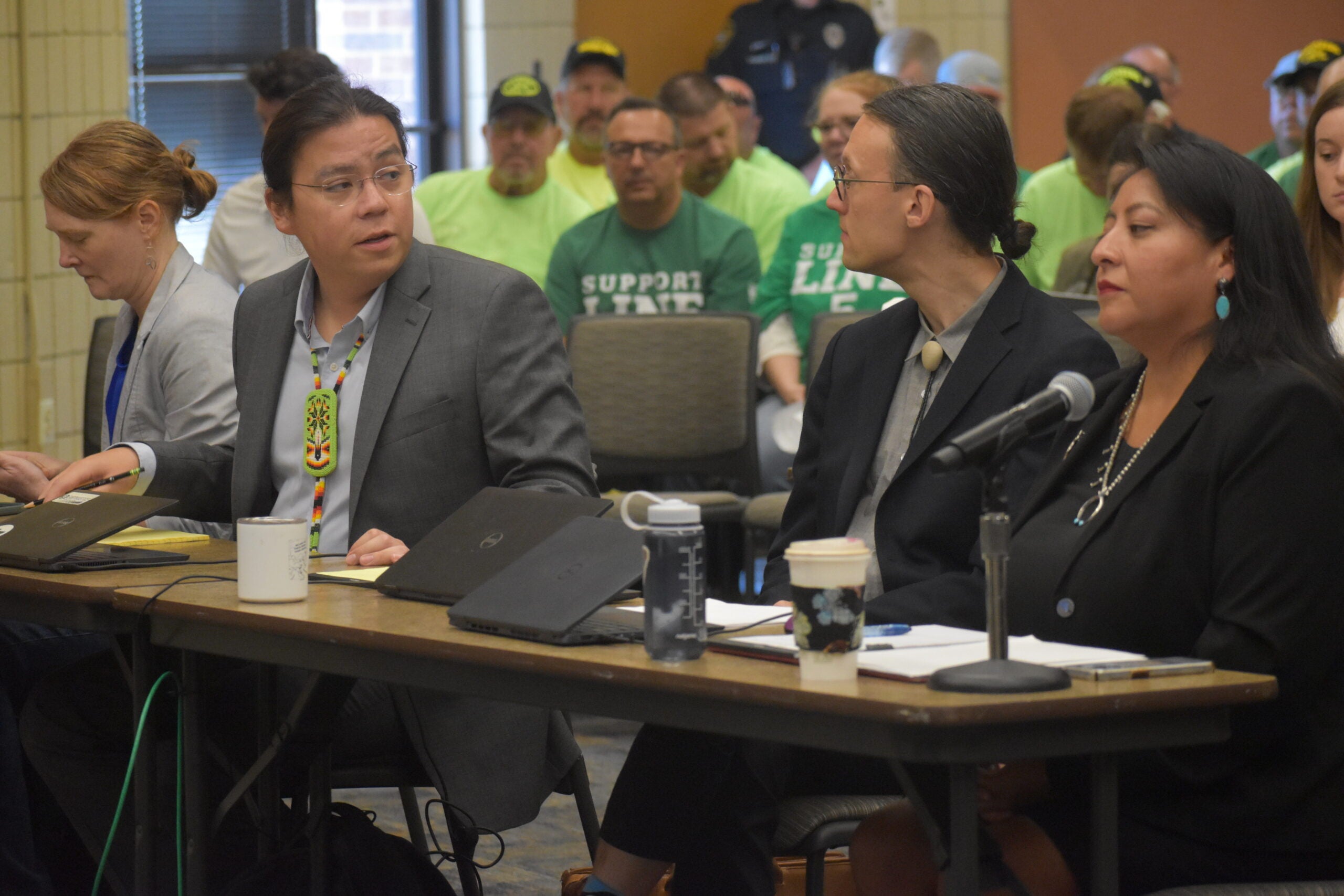
Only 85 of 574 tribes nationwide are treated as a state and have their own water quality standards under the Clean Water Act, including the Bad River and Lac du Flambeau Bands of Lake Superior Chippewa.
“We are reviewing the rule, and speaking with tribes including the Bad River Band about the option to engage with EPA on how the rule would impact their ability to protect their waters,” Gussie Lord, a managing attorney for Earthjustice, said in a statement.
Republican U.S. Rep. Tony Wied of Green Bay sits on the U.S. House Transportation and Infrastructure Committee. A spokesperson with his office didn’t respond to a request for comment. House Republicans are pursuing permitting reforms through legislation.

Wisconsin Public Radio, © Copyright 2026, Board of Regents of the University of Wisconsin System and Wisconsin Educational Communications Board.