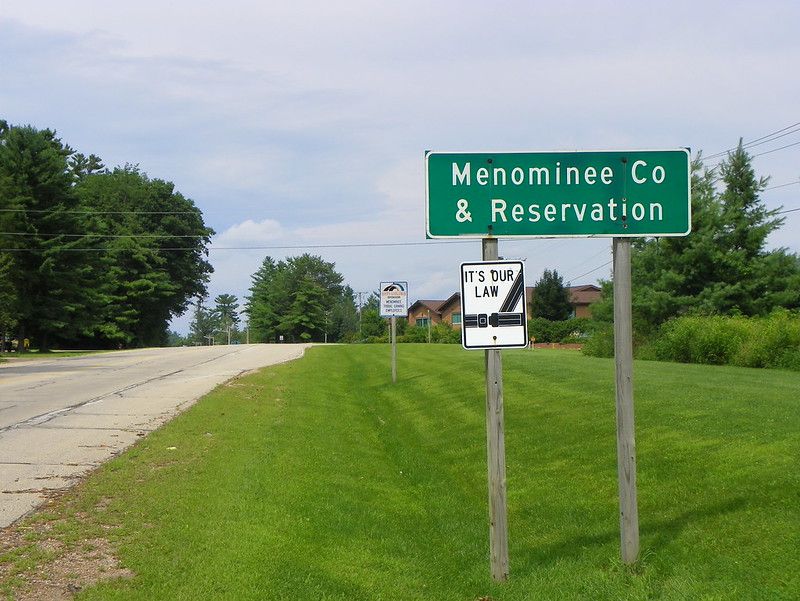
The Wisconsin Supreme Court on Monday heard oral arguments in a case that could have ramifications for tribal sovereignty when it comes to land development.
At issue was whether the Menominee Indian Tribe of Wisconsin and its members are subject to restrictive covenants, which are requirements on how property can or cannot be developed, used or transferred — or whether federal tribal sovereignty preempts those local requirements.
The court is also considering whether the Menominee Restoration Act of 1973, which restored federal recognition to the tribe with certain conditions, means land developers can’t enforce restrictive covenants on lands bought by tribal members.
News with a little more humanity
WPR’s “Wisconsin Today” newsletter keeps you connected to the state you love without feeling overwhelmed. No paywall. No agenda. No corporate filter.
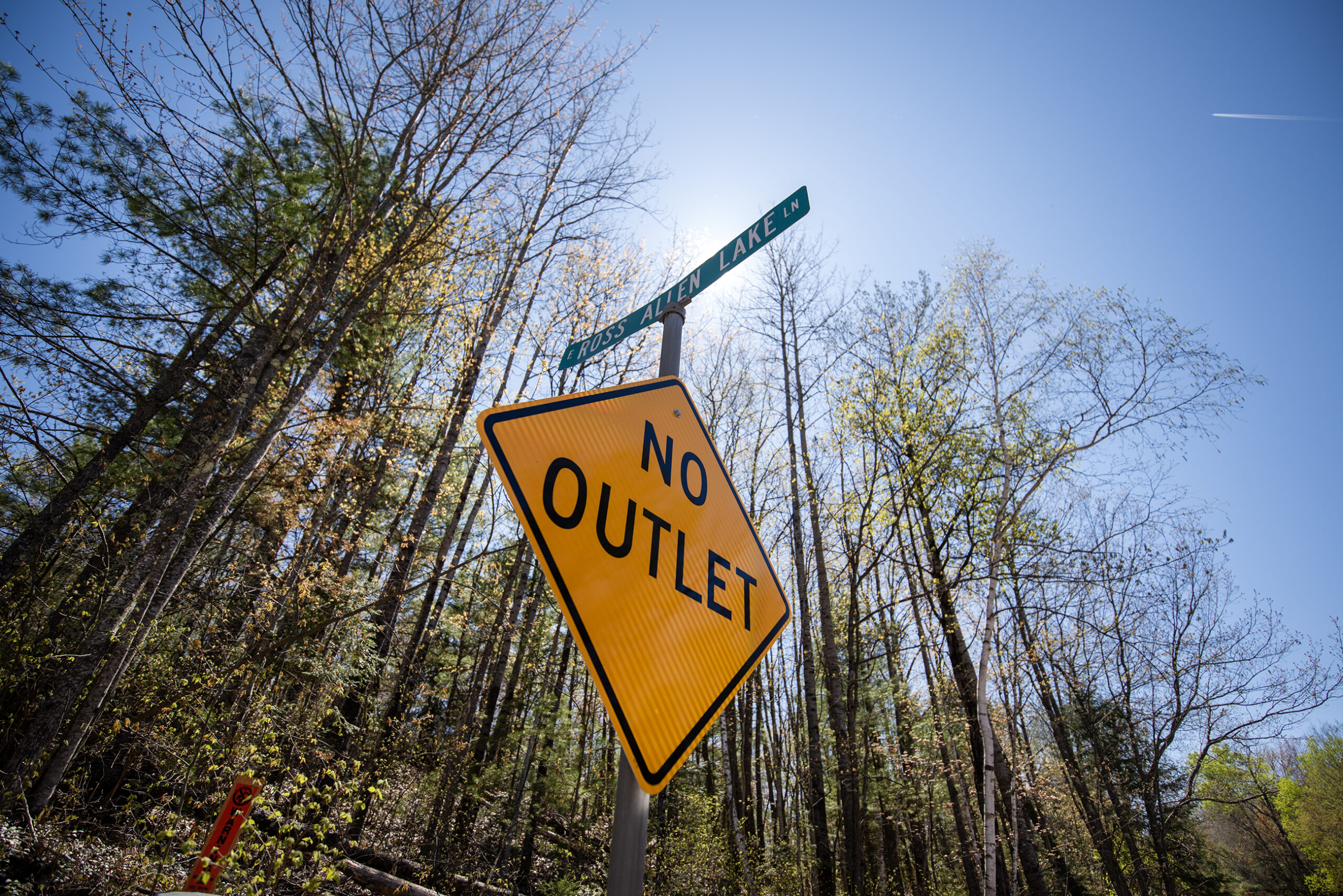
The land in question abuts Legend Lake in Menominee County, and has been represented by the Legend Lake Property Owners Association since 1972 — before the Menominee tribal rights were restored. The association implemented its restrictive covenants in 2009.
According to the 2018 lawsuit brought forward by the association, tribal member Guy Keshena bought 40 parcels of land in the Legend Lake development “sometime after 2017” with the intention of placing the land in trust with the federal government.
That would subject the parcels to the same kinds of tax-exempt status as other tribal properties.
The lawsuit argues that Keshena, like anyone else buying property within the development, had to abide by certain requirements. That includes a prohibition on transferring the properties off of county tax rolls — as happened when the Bureau of Indian Affairs accepted Keshena’s parcels into trust.
The lawsuit argued Keshena bought the land as an individual tribal member, not on behalf of the tribe, so sovereign immunity doesn’t apply and he would have to follow the restrictive covenants.
The Menominee County Circuit Court sided with the tribe, finding that the lawsuit violates tribal sovereignty. The property owners’ association appealed, and on Monday, the Wisconsin Supreme Court heard arguments from both sides.
Erik Olsen, an attorney for the association, argued that the covenants are enforceable because the Menominee Restoration Act is written to leave in place “any property rights or obligations, any contractual rights or obligations, including … any obligations for taxes already levied.”
Attorneys for Keshena and the tribe said sovereign immunity overrules local rules.
“To sue an Indian tribe, you must show either a clear abrogation of immunity by Congress or an unequivocal waiver of sovereign immunity by the tribe,” said Michael Roy, a lawyer for Keshena.
A central issue in the arguments was to what extent the United States should be a party in the lawsuit. Justice Brian Hagedorn asked how the state Supreme Court should weigh in on a matter of federal property concerns without the federal government participating.
Olsen, the plaintiff’s attorney, argued that covenants are “reciprocal agreements” and that the plaintiffs want the court to declare “that those covenants that were already in full force and effect continue in full force and effect.”
Roy, the defendant’s attorney, said tribal sovereignty rendered that concern moot.
The Supreme Court case is not the only legal action that the property owners have brought against the tribe. They also brought a challenge to the U.S. Department of the Interior, following a decision by the Interior Board of Indian Appeals. In 2023, that board found that the Bureau of Indian Affairs had acted properly when it accepted the parcels into trust because the Menominee Restoration Act preempted restrictive covenants.
The association then appealed that suit in federal court. The appeals court upheld some of the findings from the Interior Board of Indian Appeals and ultimately dismissed the case.
The association has also filed a related lawsuit against Menominee County, the town of Menominee and the Menominee Indian School District, alleging taxation discrimination and arguing that the local tax system disproportionately burdens non-tribal landowners.

Wisconsin Public Radio, © Copyright 2026, Board of Regents of the University of Wisconsin System and Wisconsin Educational Communications Board.