A federal judge has ruled in favor of more than 50 homeowners and the town of Lac du Flambeau in a longstanding dispute with the Lac du Flambeau tribe about access to roads crossing tribal lands.
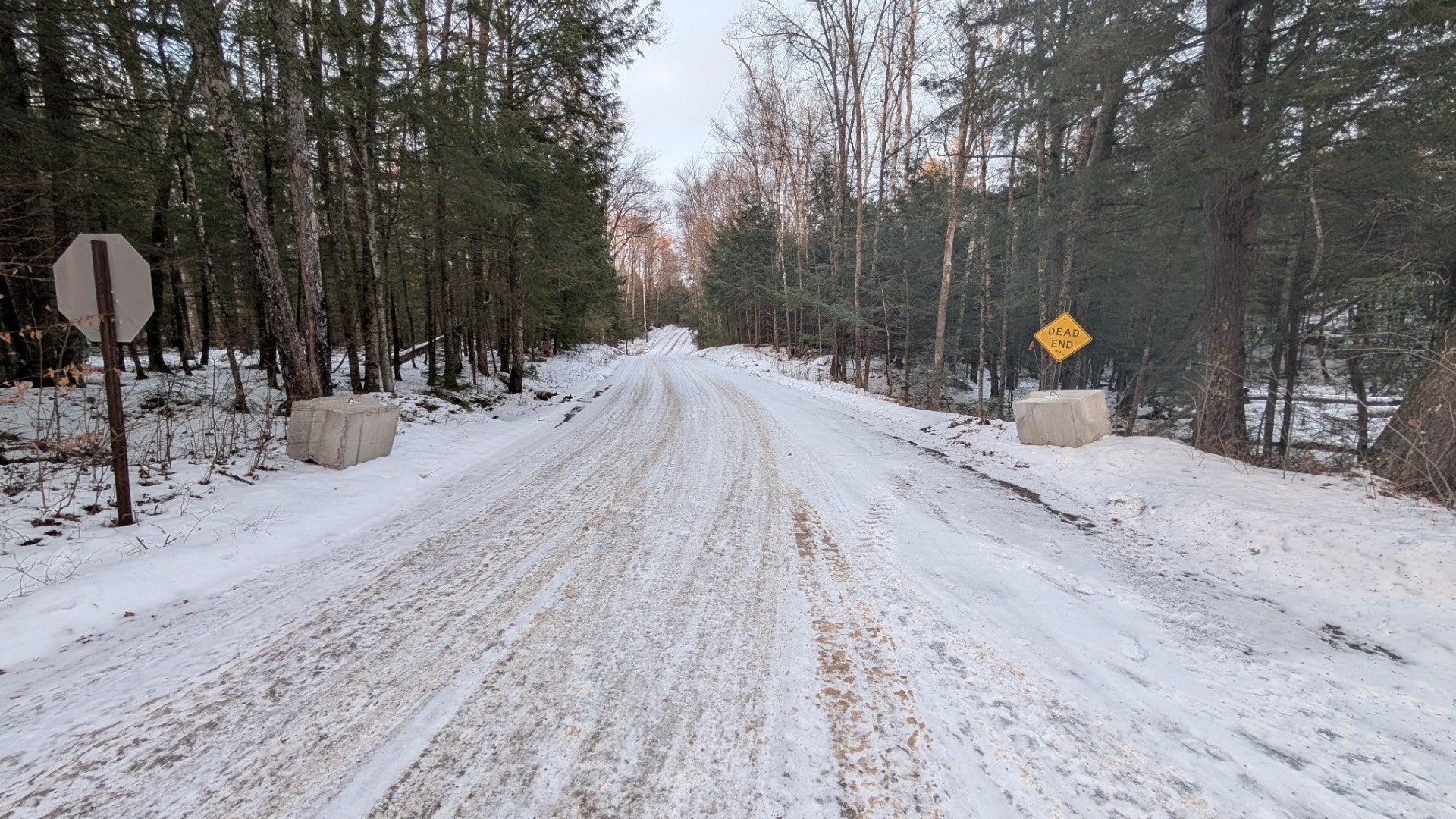
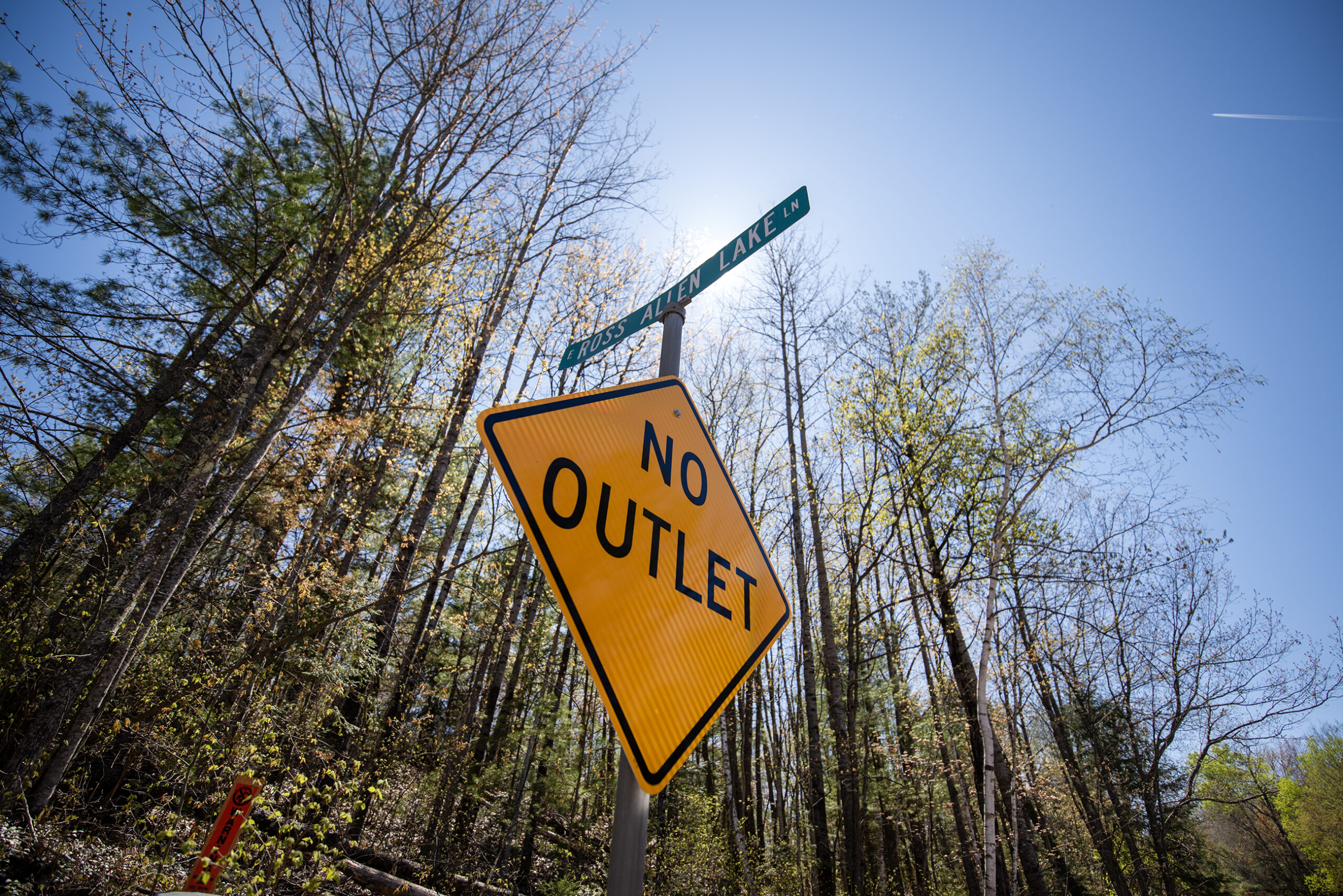
In an 47-page order filed Wednesday, U.S. District Judge William M. Conley said homeowners have a legal right to use and access four roads at the center of the ongoing feud. The roads include Annie Sunn Lane, Center Sugarbush Lane, East Ross Allen Lake Lane and Elsie Lake Lane.
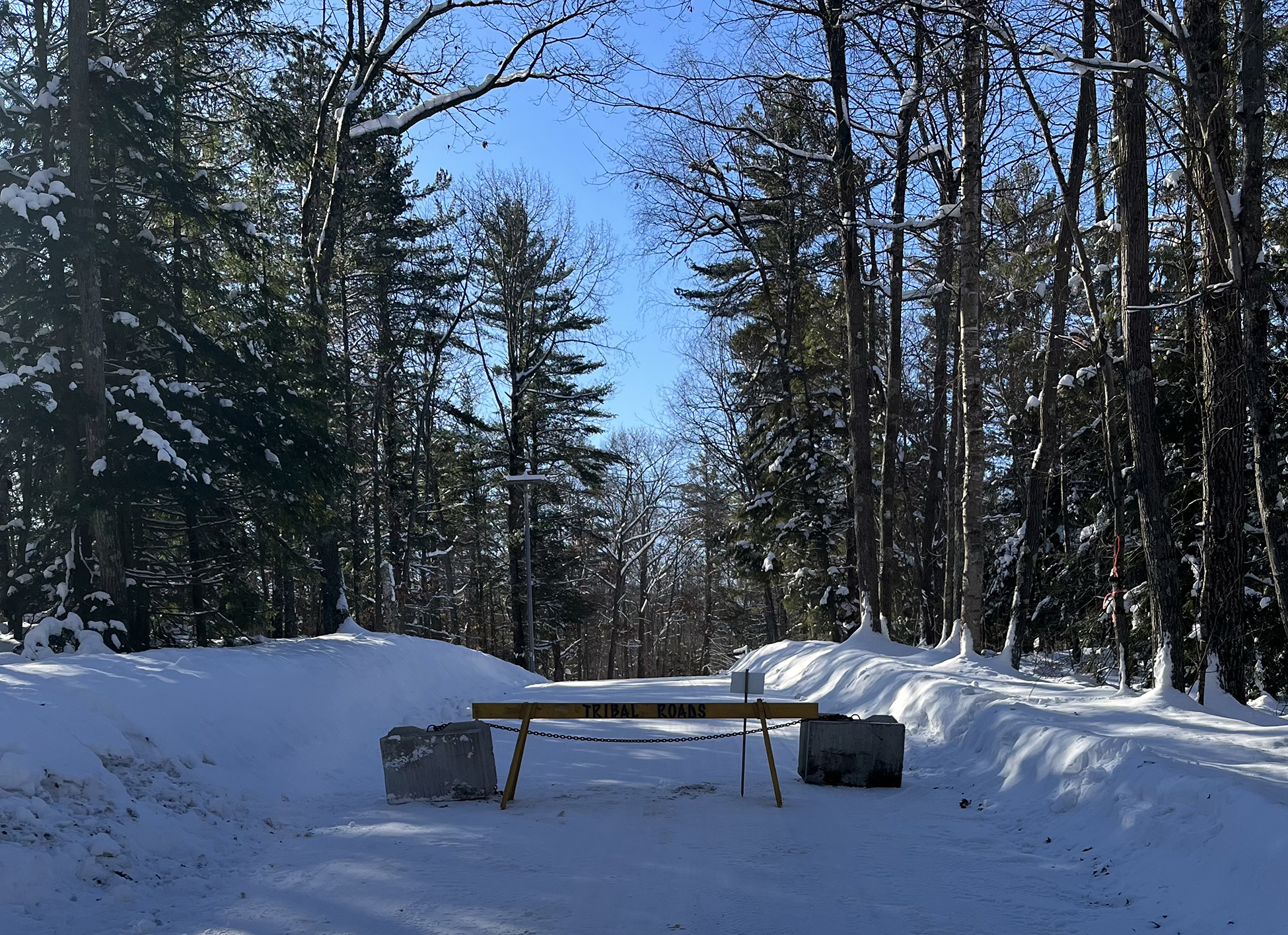
In January 2023, tribal officials placed barricades on the four roads after failed negotiations between the tribe, the town of Lac du Flambeau and title companies over expired easements on the four roads that were never renewed. Some of the easements had been expired for more than a decade.
The tribe eventually reopened roads in March that year, but the federal government sued the town for trespassing on the tribe’s behalf.
In his order, Conley permanently barred the United States government and the Lac du Flambeau tribe from restricting access to the four roads. He found that the listing of the four roads on the National Tribal Transportation Inventory makes them public, as well as the town’s status as a public authority that maintained the roads for decades.
“The United States has cited no authority indicating that the Town or individual nontribal Homeowners need an easement to access a public road. Nor has the court found any. To the contrary, the only authority this court has found suggests the opposite,” Conley wrote in his decision.
Conley rejected the federal government’s argument that the town was trespassing on tribal lands because it lacked valid, unexpired easements under the Indian Right of Way Act. He said the record doesn’t explain why most easements were limited to 50-year terms “since the ultimate intent in all was to grant public road status to the town.”
Conley declared that homeowners hold valid easements that run with the land between their homes and the roads, allowing them access. He also found that the town of Lac du Flambeau has a permanent easement over the north-south segment of Annie Sunn Lane.
He ordered that the four roads must remain open for public use as long as they are listed on the National Tribal Transportation Inventory. He also ruled that the Bureau of Indian Affairs acted unlawfully when it removed the four roads from the inventory in March of 2023, revoking the agency’s decision.
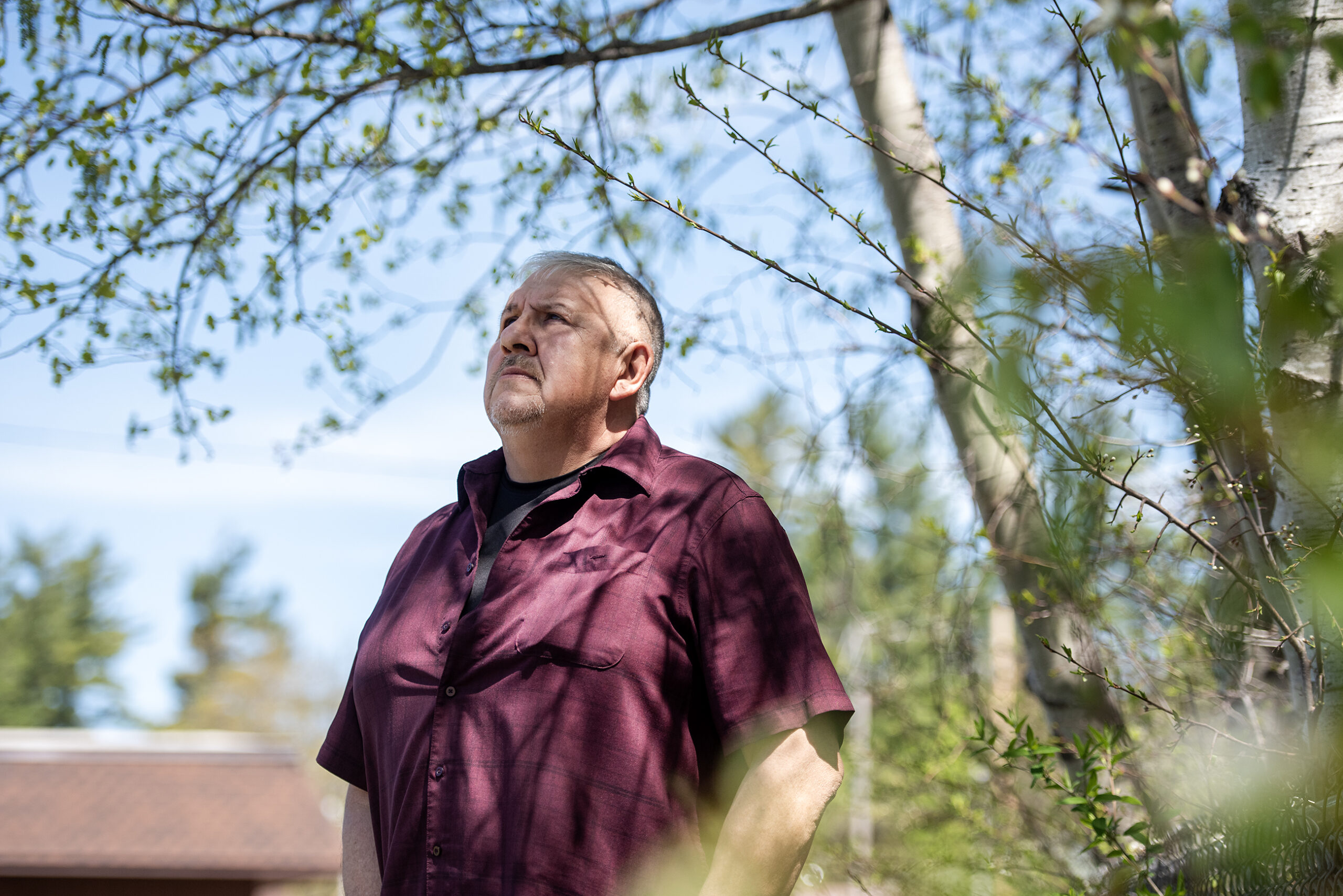
In a statement Thursday, the Lac du Flambeau tribe disagreed with the judge’s decision, saying it overlooked federal law that protects tribal lands and sovereignty.
“We are disappointed by the outcome and concerned about the precedent this decision may set for Tribal governments across the country,” Tribal President John Johnson Sr. said. “Nonetheless, we will carefully review the decision and consider all available options for the Tribe.”
The tribe said it would continue to defend its land.
Attorneys for homeowners called the decision a “precedent-setting victory” for property rights that would affect rights-of-ways on roads across reservations nationwide.
Mary Possin, a Lac du Flambeau homeowner, said the ruling is a huge relief after living under the threat of road closures for two-and-a-half years.
“I would just hope that this puts this all to rest now, so that this community can really move forward and see the full potential that we have here to have lots of good things happen for everyone,” Possin said.
In a statement Thursday, State Senate President Mary Felzkowski, R-Tomahawk said she was pleased the ruling would end the “chaos” in Lac du Flambeau. The tribe had previously banned the northern Wisconsin lawmaker from its reservation for comparing tribal leaders to terrorists.
“The tribe’s inflammatory actions were immature and failed to demonstrate any willingness to find a solution to their grievances,” Felzkowski wrote. “Instead, taxpayer dollars were wasted as the issue was resolved in the court system.”
Bob Hanson, a supervisor with the town of Lac du Flambeau, likened the dispute to a landlord-tenant situation, in which the town has not paid “rent” to the tribe on road easements for more than a decade. He said the tribe has been “extraordinarily patient” with the town.
“There’s a lot of excitement about (the decision) on both sides right now,” Hanson said. “Yogi Berra used to say, ‘It ain’t over till it’s over.’”
The feud over access to roads had resulted in multiple lawsuits. The town of Lac du Flambeau and homeowners had filed separate federal lawsuits against the Bureau of Indian Affairs.
News with a little more humanity
WPR’s “Wisconsin Today” newsletter keeps you connected to the state you love without feeling overwhelmed. No paywall. No agenda. No corporate filter.

The tribe first sought $20 million in damages for what it said was trespassing by the town. Since then, tribal leaders have asked for roughly half that amount, and they wanted to issue annual leases in exchange for a fee equal to 1.5 percent of the fair market value of homes along the four roads.
The dispute arose from past federal policies like the Dawes Act that broke up reservation lands, resulting in them falling out of tribal ownership.
The town previously paid at least $600,000 to the tribe to maintain access along the four roads.
Editor’s note: This story was updated Thursday to include statements from Tribal President John Johnson Sr. and State Senate President Mary Felzkowski.

Wisconsin Public Radio, © Copyright 2026, Board of Regents of the University of Wisconsin System and Wisconsin Educational Communications Board.