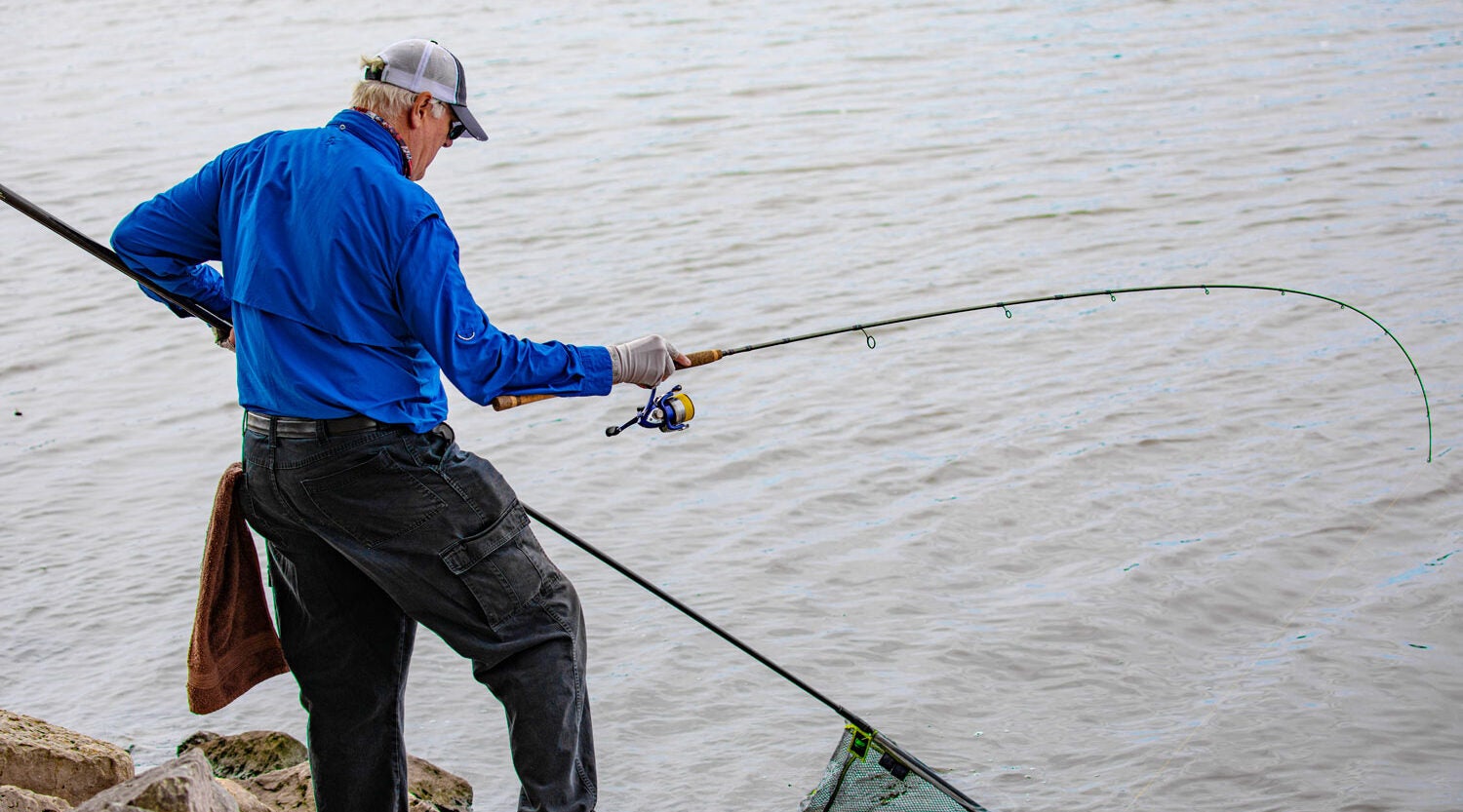
This weekend, anglers from around the world will be in Green Bay to compete in the 2025 Street Fishing World Championship.
Street fishing — also called urban fishing or city fishing — involves anglers casting lines from the shores of urban lakes and waterways. And unlike most fishing competitions, local spectators can watch the sport’s elite fish up close.
“Anyone who wants to come along and see us can literally walk straight up to us,” said Lee Young of Green Bay, who is a coach and competitor on the U.S. team. “As long as they’re at a respectful distance so we don’t hook an ear or a nose, they can be part of the action.”
News with a little more humanity
WPR’s “Wisconsin Today” newsletter keeps you connected to the state you love without feeling overwhelmed. No paywall. No agenda. No corporate filter.
This year, 10 countries will be competing along the Fox River. The team with the longest total length of fish caught wins the event.
Wisconsin is a hotspot for the fast-growing sport
Street fishing is the fastest-growing competitive angling discipline in the world, Young said. In addition to being in the world championship, he’s the president of USAngling’s street fishing discipline.
“After the pandemic, people were allowed out of their lockdowns around the world, but they weren’t necessarily allowed to travel long distances,” Young recently told WPR’s “Wisconsin Today.” “So they ended up fishing their local community waters.”
Wisconsin is a hotspot for the sport. With its large urban areas on the shores of lakes and cut with rivers, many residents can fish near their homes. It’s an accessible way to go fishing without needing a boat or even a car.
Several anglers along the shores of Lake Monona in Madison have been fishing there for decades.
“I grew up fishing this area with my Uncle Ed, right under here for crappies,” said James Bartels of Blanchardville. “But I got smart and I figured out the bluegill technique.”
“I pretty much grew up with my dad teaching me how to fish (here),” said Leng Yang of Madison. “I’ve been trying to teach all my younger nephews … learning fishing is good patience testing.”
The popularity of street fishing in Wisconsin makes it the perfect place to recruit anglers for the USA Street Fishing Team.
Catching fish with ‘smoke and mirrors’
In competitive street fishing, anglers use artificial bait. At the world championship, competitors fish as two pairs for their nation. Each team of two must net, measure and release the fish. The safety of the fish is important — any mishandling may result in a penalty.
For that reason, Young said it’s important to have a solid relationship with your fishing partner.
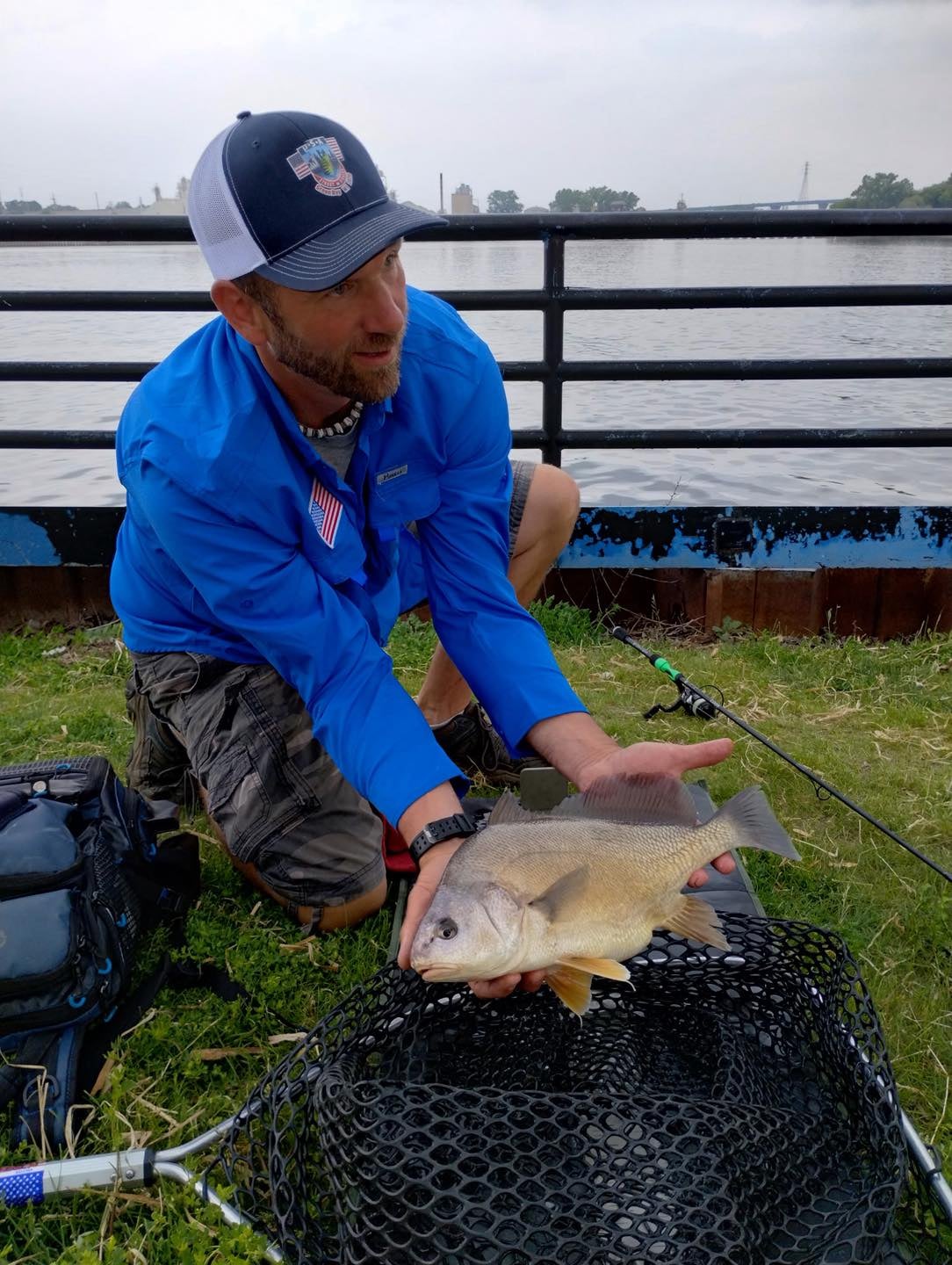
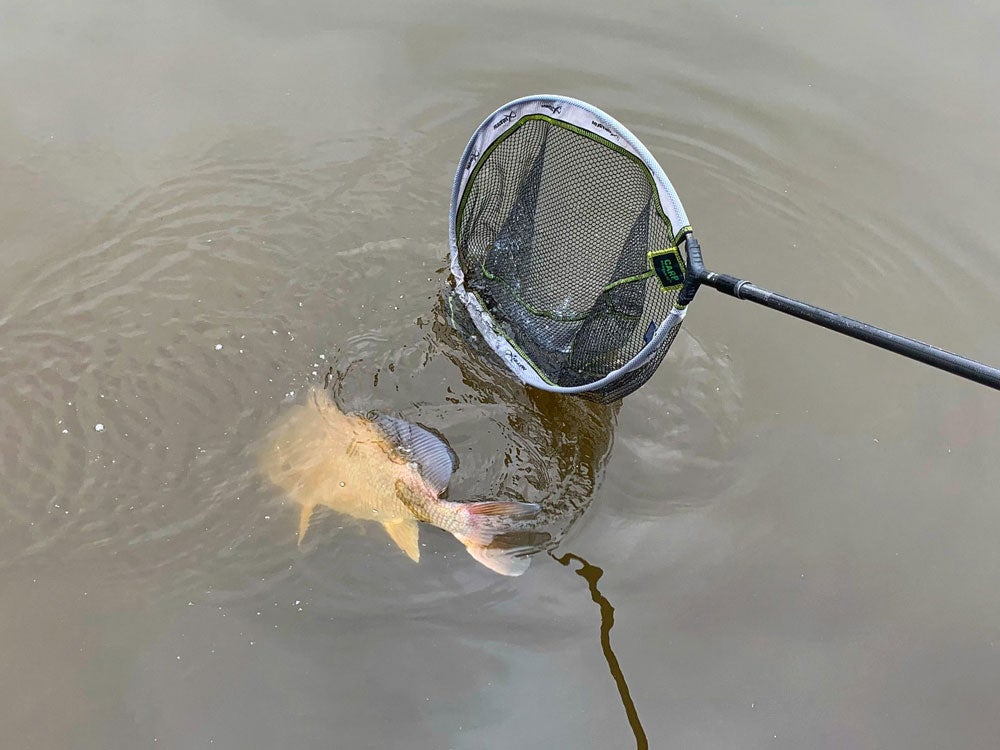
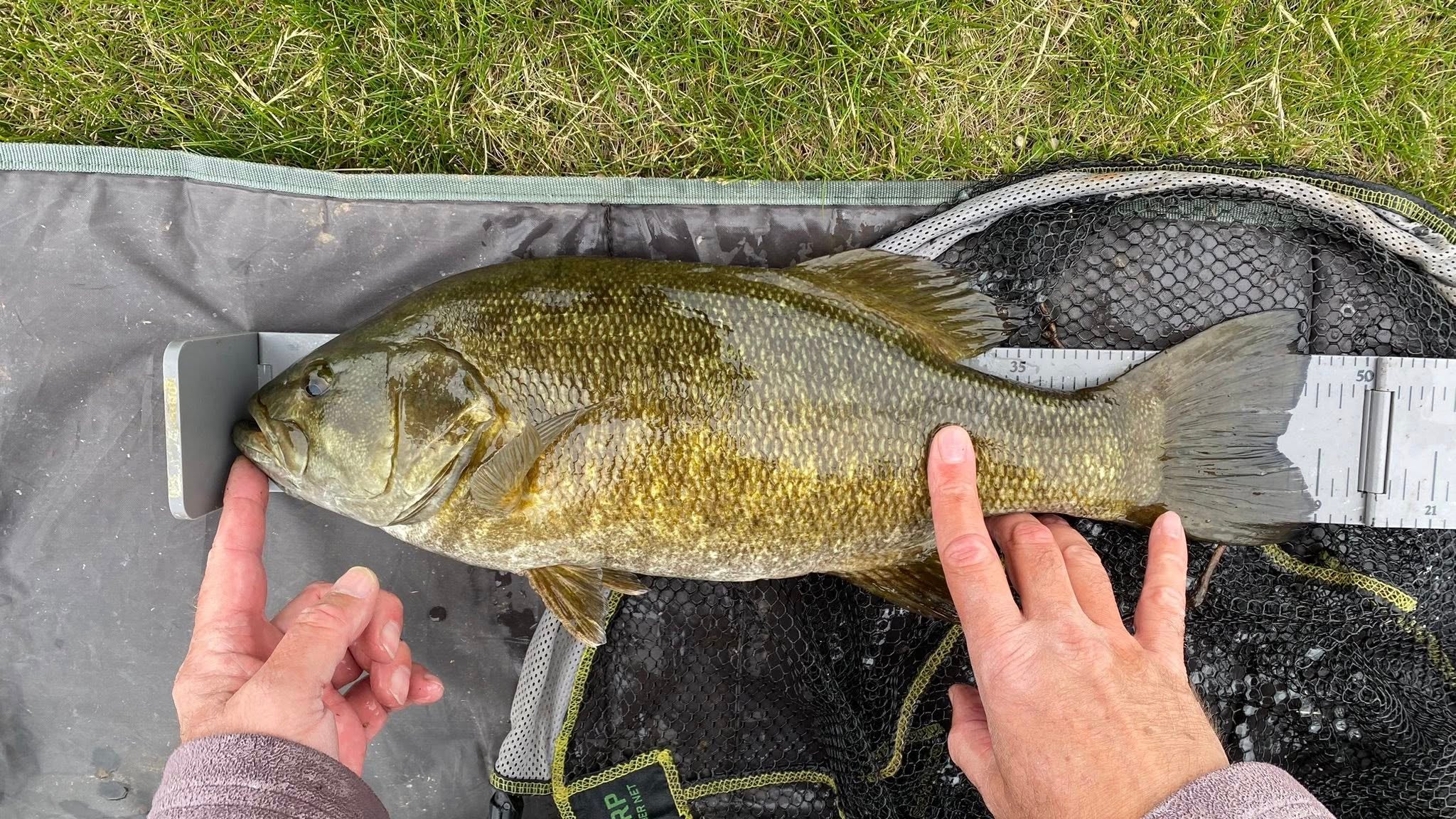
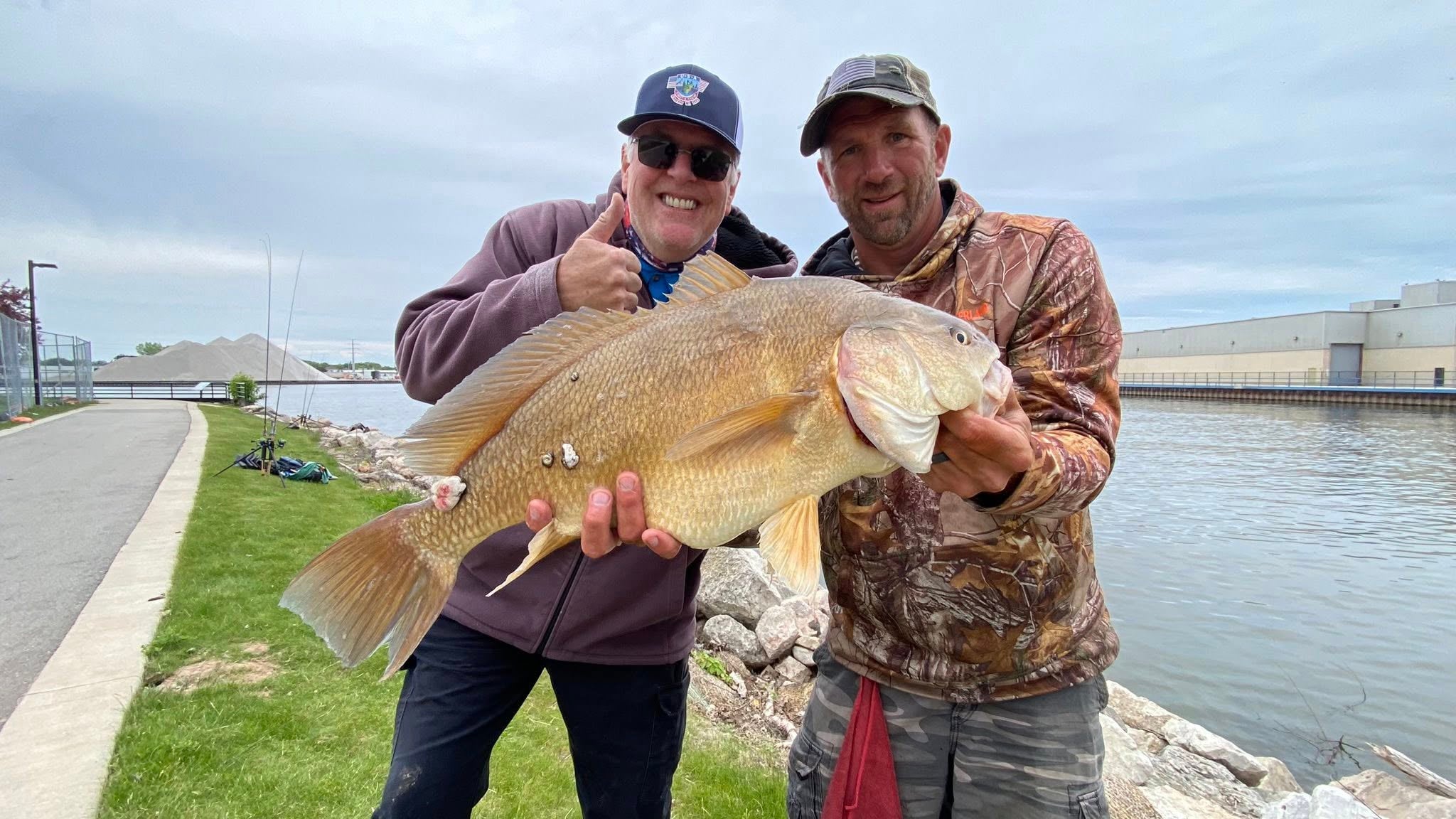
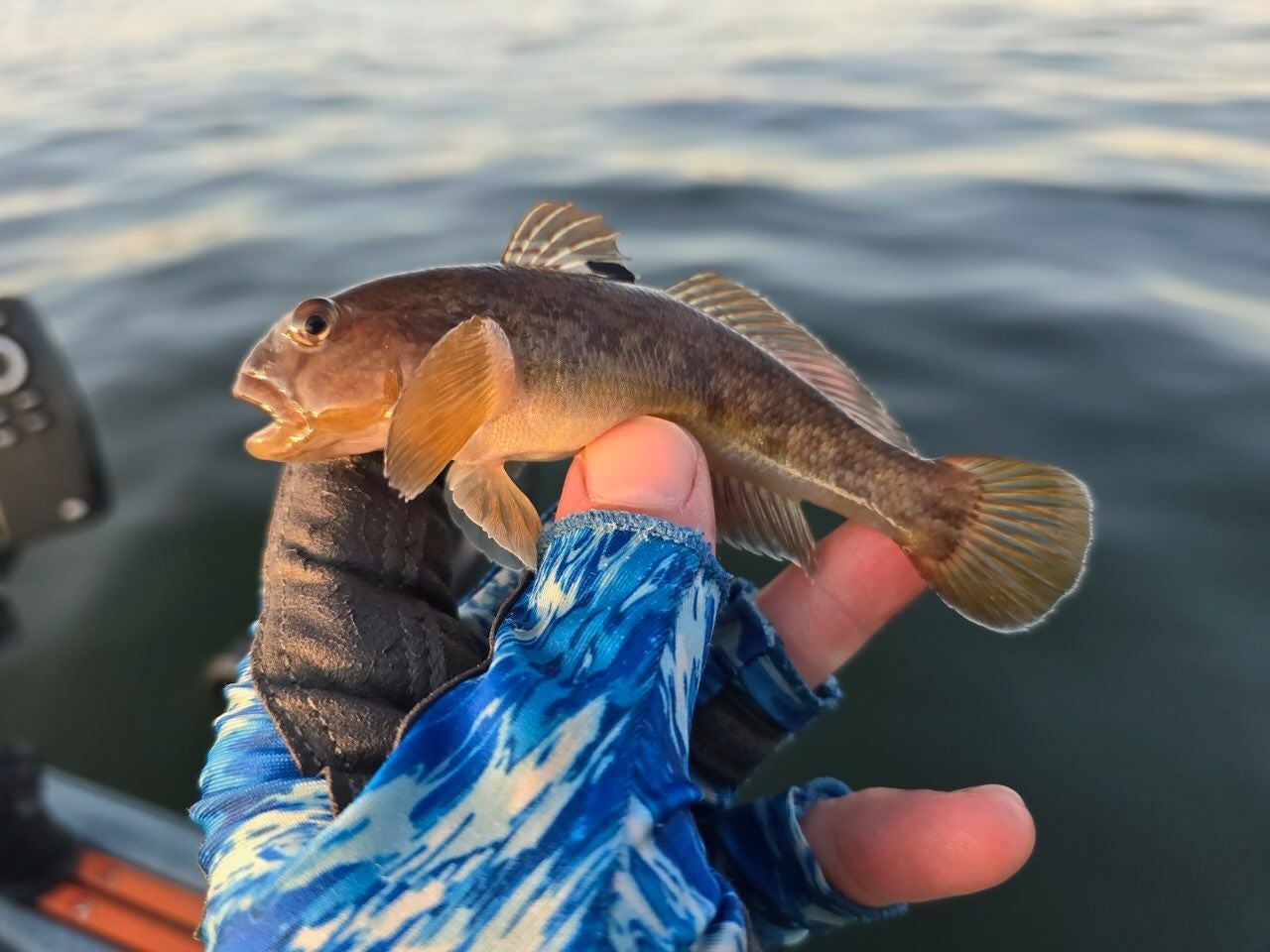
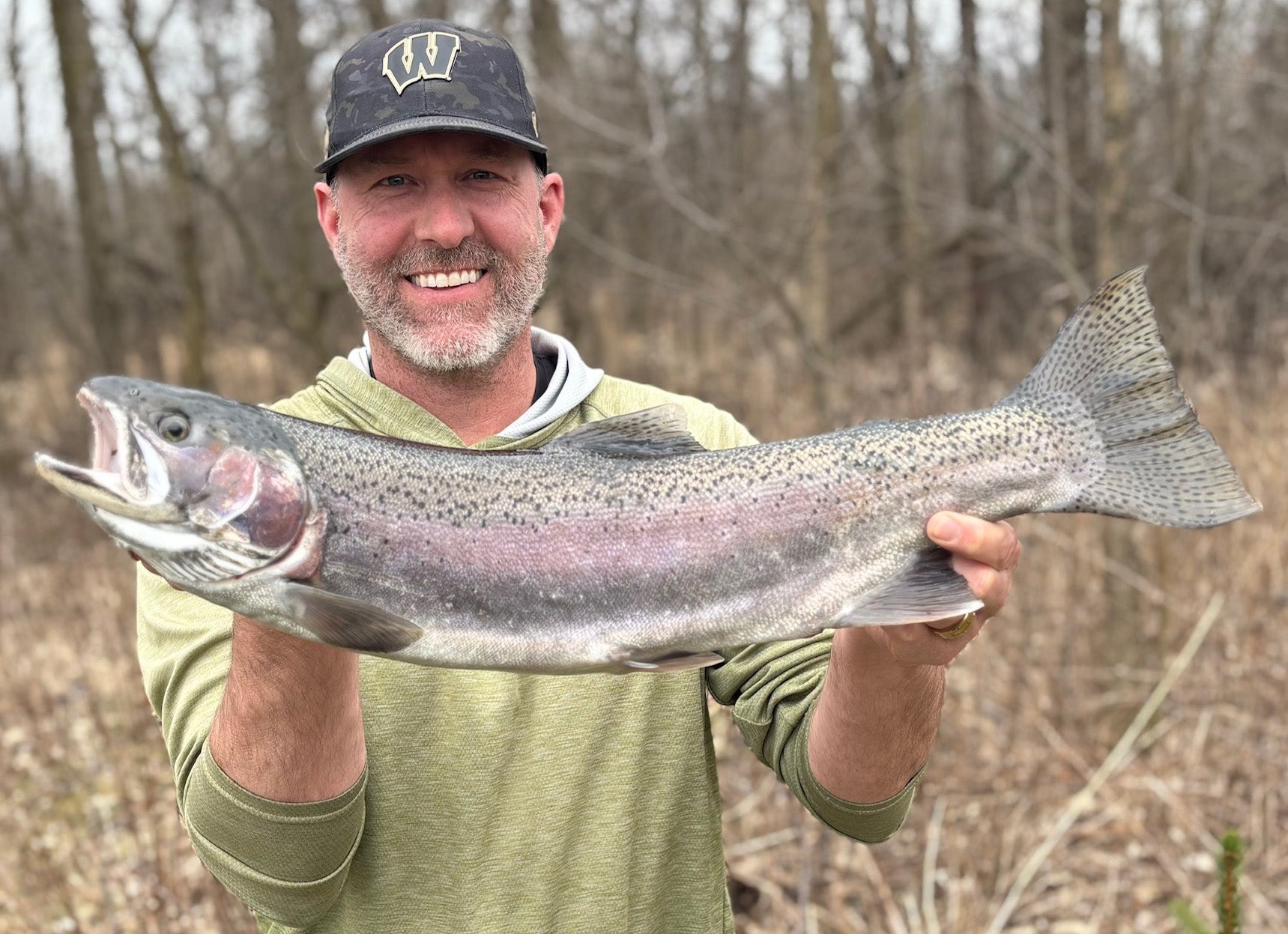
Top left: Chris Ledvina holds up a freshwater drum that he netted using a rubber net, which is gentler on the fish’s skin. Top right: A fish is released back into the Fox River. Bottom: A bass is measured for competition on a wetted fish safety mat. According to the rules of the competition, all fish must be netted and measured without touching the ground. Photos courtesy of USAngling
“You really have to get to know each other and be able to just react and relate without having to spend time on words,” Young said.
Young and his fellow teammate and coach Chris Ledvina both highlighted the importance of having diverse experiences and fishing styles within one pair.
But the two also said there’s more to the competition than just catching fish. There’s a whole tactical game played between teams during pre-competition training sessions, with the goal of testing their bait in the waters without giving away their strategy.
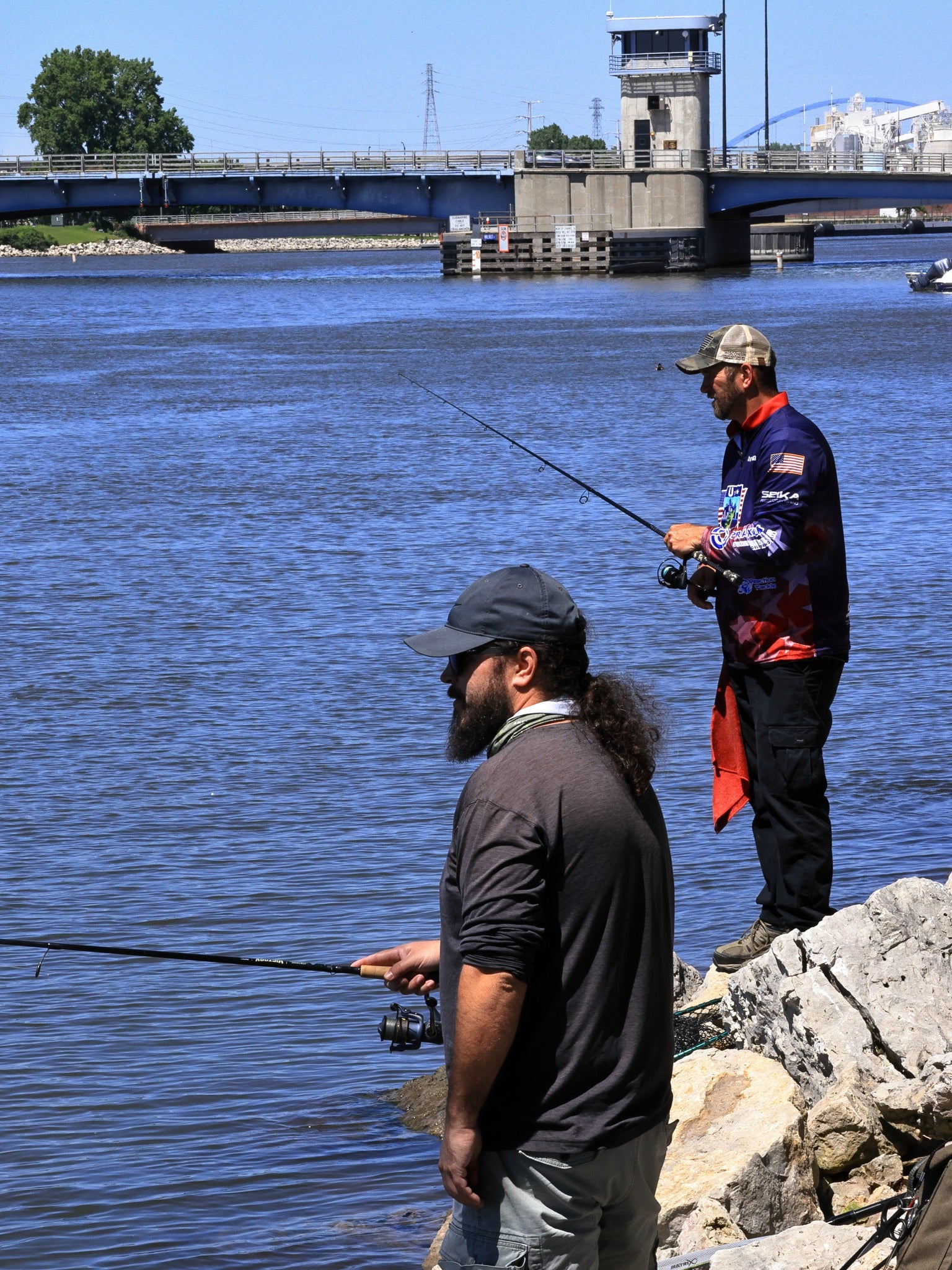
“It’s smoke and mirrors,” Ledvina said. “If you’re watching us, you aren’t going to know if we’re really fishing or if we’re just playing with you guys.”
Ledvina has been fishing since his childhood in Shawano. From when he started, he liked the qualities that set it apart from other types of fishing.
“You can kind of get off the beaten track, get away from people and find your own little niche,” Ledvina said. “It makes you a better fisherman, without the electronics. … We’ve got to use our skills and find where the fish are and then make them bite. It’s a little more of a challenge.”
For those looking to get into the sport, Ledvina and Young had some advice.
“I always tell people to go to your local bait shop and talk to them. They’re more than willing to help you out and send you in the right direction — to tell you what’s going on, what they’re biting and set you up the correct way so you don’t go out there and fail right away,” Ledvina said.
“Don’t try and buy everything,” Young added. “Don’t try and buy all the rigs and gear you need. Try a couple of things that locals have told you will work for your location and learn from that.”