The Wisconsin Department of Natural Resources estimates that the state has over 160 species of fish in its waters.
That isn’t enough for Slinger Middle School language arts teacher Dave Tiefenthaler.
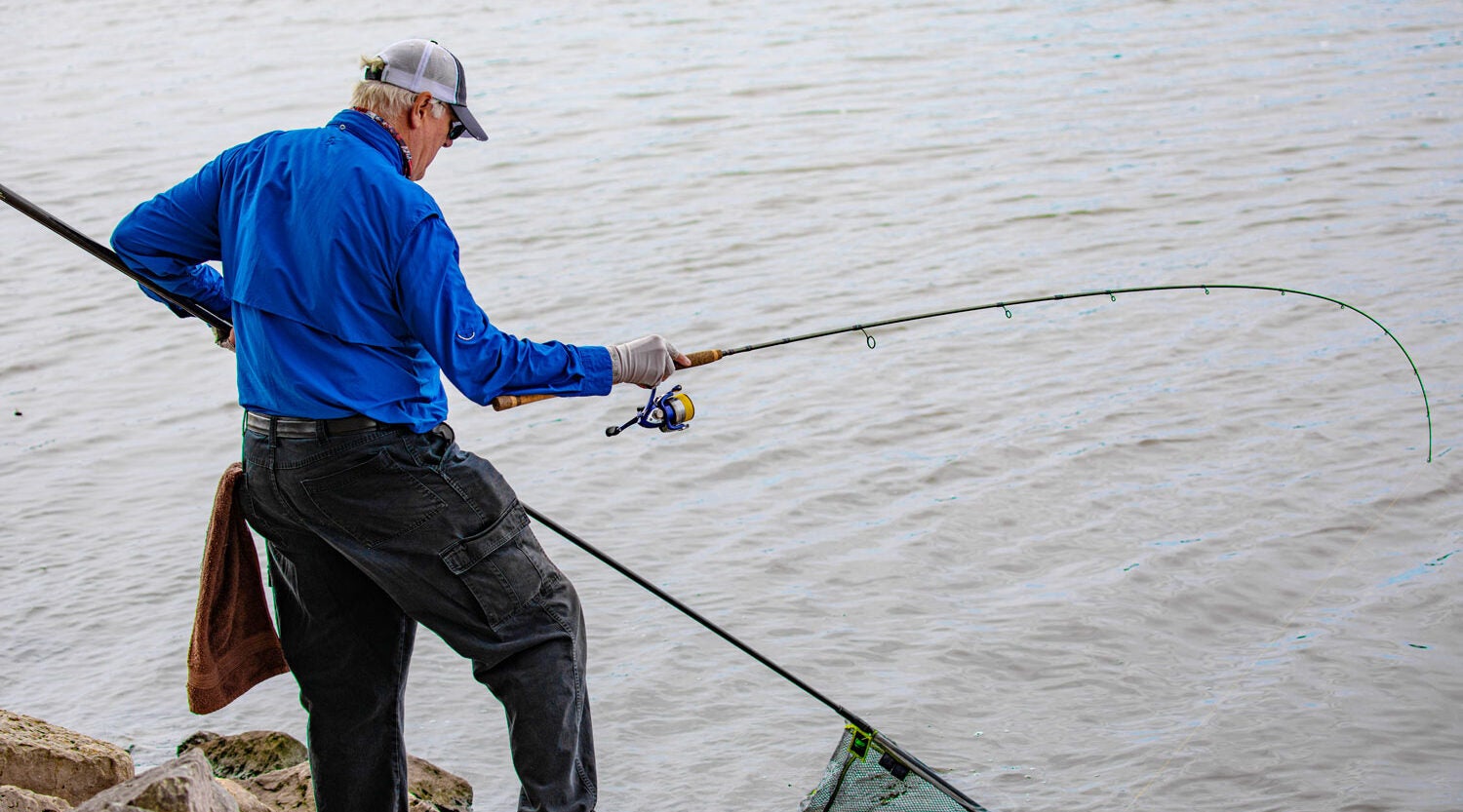
When he’s not teaching seventh-graders the finer points of grammar and spelling, he likes to be out casting a line in a local lake or river and seeing what bites.
News with a little more humanity
WPR’s “Wisconsin Today” newsletter keeps you connected to the state you love without feeling overwhelmed. No paywall. No agenda. No corporate filter.
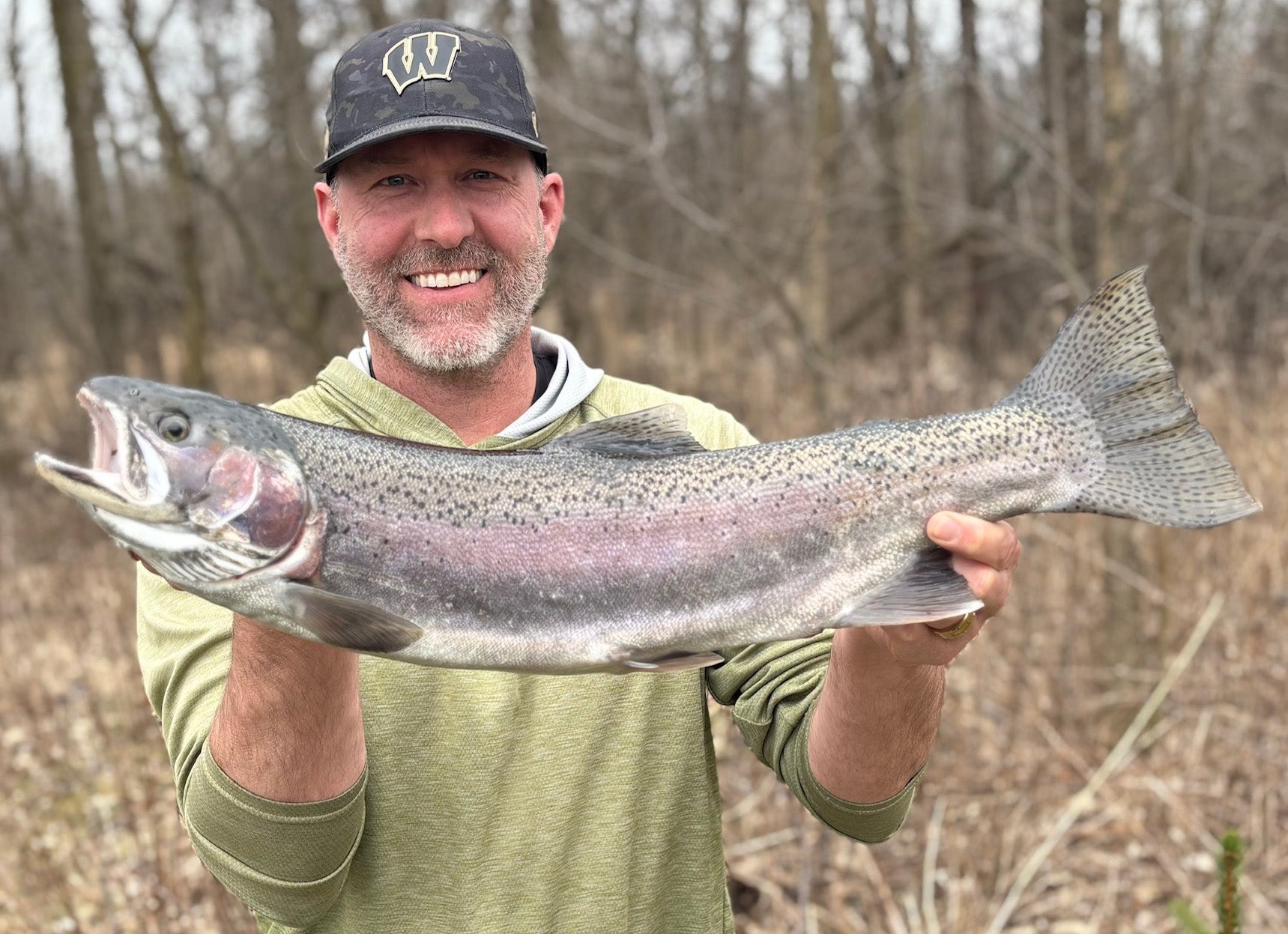
Tiefenthaler is now on a quest to catch 1,000 different fish species in Wisconsin and beyond. For each one, he records an educational video and posts it to social media.
His YouTube channel has more than 30,000 subscribers and 21 million views, and his TikTok account has over 45,000 followers with several more million views.
He joined WPR’s “Wisconsin Today” to share his fishing progress, his passion for the hobby and his plans for the future.
The following interview was edited for clarity and brevity.
Rob Ferrett: Why did you set such a high goal for 1,000 fish species?
Dave Tiefenthaler: Years ago, I made it a goal to catch 50 different fish species in Wisconsin. I did that and I made videos about it, because that’s another hobby of mine. I like making videos. And after I accomplished that, I still made fishing videos, but I didn’t really have a clear direction for a long time.
So I came back to the goal of catching different fish species. And I was like, ‘Well, what’s a big round number?’ So I went with 1,000. That’s just kind of how it got started. I’m in the teens right now. I just started this quest in late May, so I’m guessing it should last me the rest of my lifetime.
RF: Some people might think fishing is boring. What do you love about it?
DT: I have a mind that races and wanders, and fishing just clears everything. You’re in the moment. There’s nothing else that’s going through my mind other than just being on the water.
I’ve always had a connection to the water. I just love being on it. It doesn’t matter if I’m in the middle of the city, like in Milwaukee, fishing on the Milwaukee River, or if I’m way out in Canada. There’s something about it that just calms my mind. And then also the pursuit of a fish, it keeps away all the extraneous things. All my worries, they fade away. It’s something that I truly enjoy because of that.
RF: Why did you start from zero again and not include the fish species you’ve caught in the past?
DT: When I looked at the old videos that I did, a lot of times, I just stumbled across the fish, and I wouldn’t even know what it was. It was fun to catch those fish and then get help identifying them.
But then when I look back, I should have a standard format for these videos. So what I do now is, the first minute or two of the video is just going over what this fish species is, how to catch it, and what habitat it likes. And then after that, it’s me just out there trying to catch it.
I felt like my previous videos weren’t really educational. It was just like, ‘Hey, Dave’s fishing. Come along.’ But now — and maybe that’s the educator in me — I feel like if someone were to stumble across my videos, it gives them a lot more help if they want to try to catch that fish as well.
Also, there’s so much history behind different fish species in Wisconsin that is fascinating.
RF: Your background as a teacher influences your fishing videos. Do your fishing quests influence your teaching?
DT: Yes and no. I know I could bore some kids to tears, but I’ve been teaching for a long time, and one of the things that they say really helps is to develop a relationship with the students. I’ve never had a problem with that, but having a hobby is such an easy way to connect with kids, to show them that you’re interested in something outside of the school walls. Because then, they’re way more likely to share their interests with you.
They learn, in turn, that I’m a beginner at something. Every time I’m trying to catch a new fish species, I’m a beginner just like they are whenever they’re trying to write compound-complex sentences. It’s a good way to show that we’re all learning, no matter what age we are.