Wisconsin state government may have a lot more money than previously expected after new revenue projections show the state’s budget picture improving by $1.5 billion.
The estimates from the nonpartisan Legislative Fiscal Bureau would leave the state with a $2.5 billion balance at the end of the two-year budget on June 30, 2027. The state was previously expecting a balance of closer to a $1 billion.
While the numbers are still just projections, they’re based in part on trends in actual tax collection and represent a significant uptick in revenue, particularly from the corporate and income taxes.
News with a little more humanity
WPR’s “Wisconsin Today” newsletter keeps you connected to the state you love without feeling overwhelmed. No paywall. No agenda. No corporate filter.
“I was impressed by the growth,” said Jason Stein, president of the Wisconsin Policy Forum. “It’s not completely unexpected, this announcement. But it is impressive.”
The new estimates are noteworthy, in part, because they come just a half-year after Democratic Gov. Tony Evers and Republican lawmakers reached a budget deal that spent down a previous surplus. That deal included increased spending on Evers initiatives like special education and child care, mixed with GOP priorities, like about $1.5 billion in tax cuts.
They also come at a time when the Legislature is racing to finish its business, and in an election year when control of state government hangs in the balance.
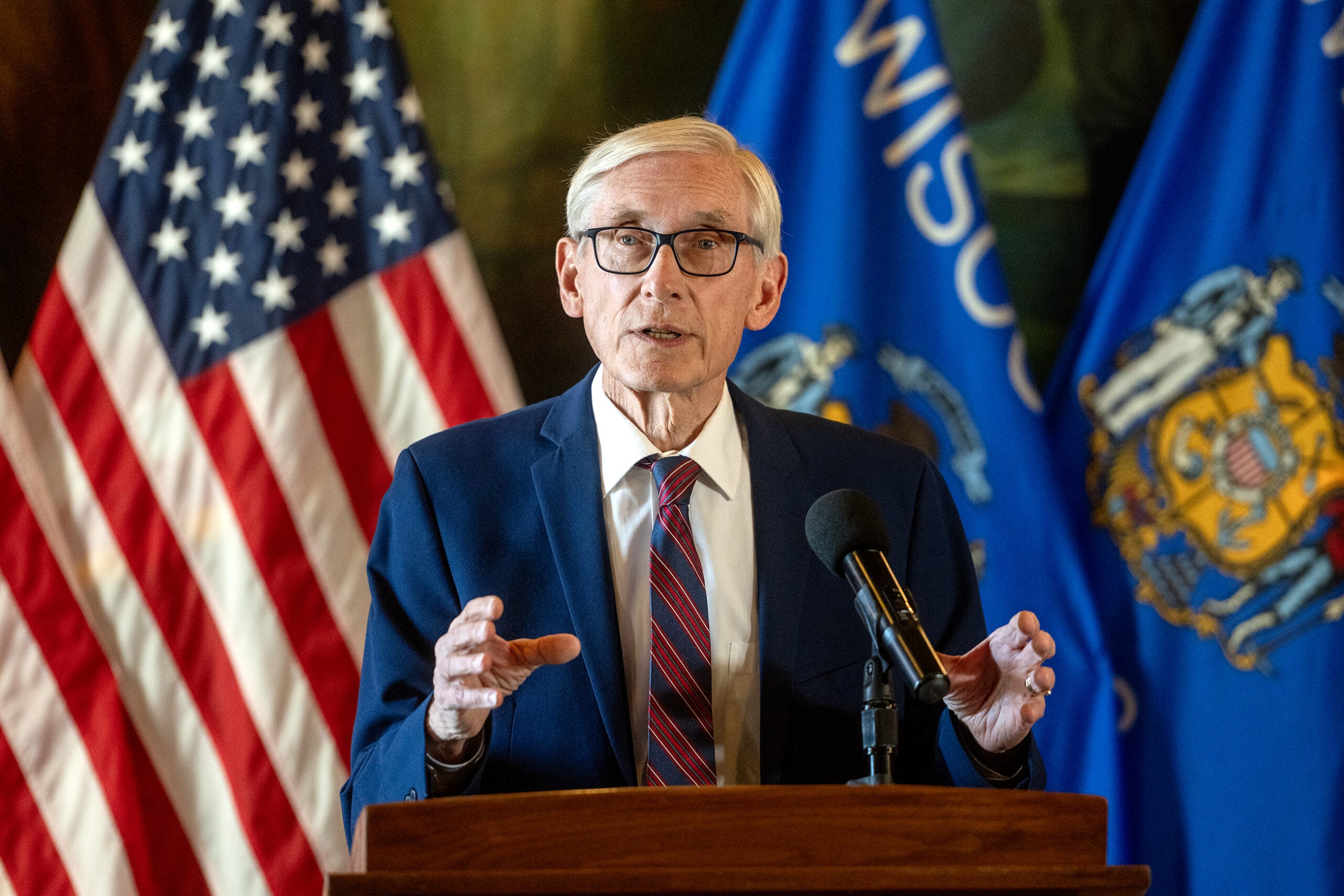
Just days earlier, Evers was promoting his 2026 agenda, including a $1.3 billion package aimed at lowering property taxes.
“Great news for my 2026 legislative agenda!” Evers said on social media Thursday. “Let’s work together to get good things done for Wisconsin.”
Republicans said Evers’ plan would be a non-starter until he agreed to repeal his so-called 400-year veto, which would increase state revenue limits for centuries.

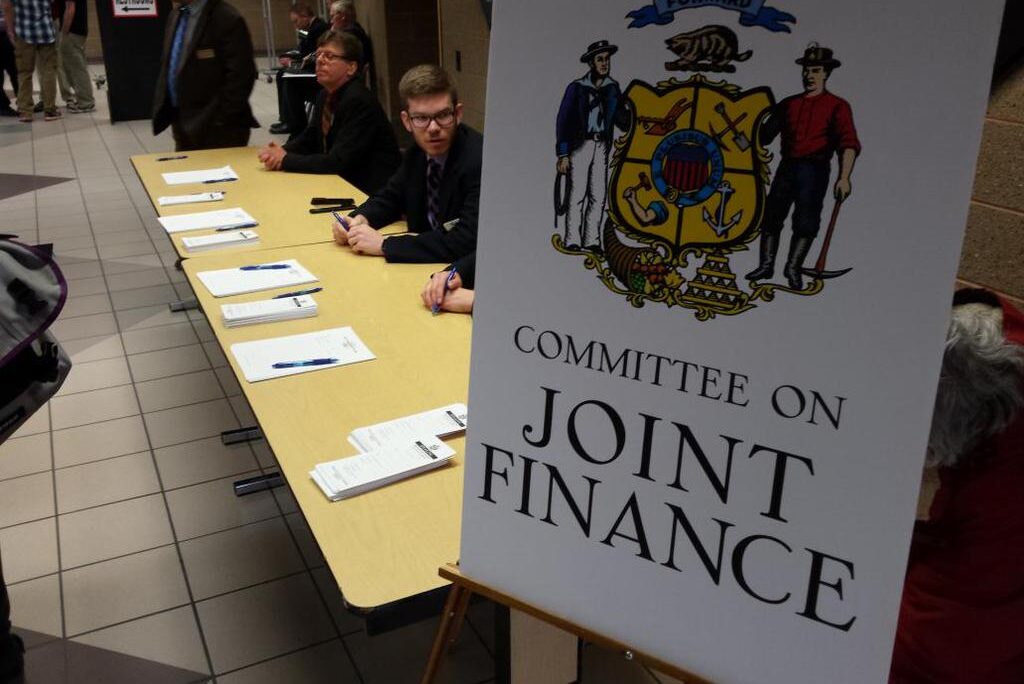
When the new revenue numbers were released, GOP cochairs of the Legislature’s Joint Finance Committee said in a written statement that Republicans had put the state in a strong financial position through “stability and restraint,” and these projections would let them continue that.
“Despite stronger-than-expected collection numbers, we must remain cautious,” said Sen. Howard Marklein, R-Spring Green, and Rep. Mark Born, R-Beaver Dam. “These increased revenue estimates are driven in part by strong stock market performance and resulting tax collections. We must be careful when committing to ongoing spending using one-time money.”
Stein said that even with the uptick in revenue, the state still faces a variety of potential challenges. For example, a new hospital assessment under scrutiny by President Donald Trump’s administration could cost the state nearly $800 million if it’s repealed. Wisconsin is running a deficit in its Medicaid fund. And even with this new revenue, the state is projected to spend more than it takes in during the second year of this budget.
“The bottom line is, the budget got a lot better because of this news,” Stein said. “There’s still reasons to be cautious and judicious about how it’s used.”

Wisconsin Public Radio, © Copyright 2026, Board of Regents of the University of Wisconsin System and Wisconsin Educational Communications Board.