Wisconsin’s Medicaid program is on track to exceed its current budget by $213 million, according to the state’s top health official.
In a letter shared by WisPolitics, Department of Health Services Secretary Kirsten Johnson told state Legislative leaders the agency is projecting the shortfall in state funding based on recent enrollment and spending data.
The 2025-27 state budget had allocated nearly $9.7 billion in general purpose revenue for the programs. The December projection from DHS estimates spending will be closer to $9.9 billion over the biennium.
News with a little more humanity
WPR’s “Wisconsin Today” newsletter keeps you connected to the state you love without feeling overwhelmed. No paywall. No agenda. No corporate filter.
Medicaid provides health care coverage to people with low incomes, older adults and those with disabilities. It’s primarily funded through federal dollars, with the program’s total spending projected to be $36.2 billion over the two-year budget.
Johnson cited a number of factors that have raised the state’s costs for the program in her letter to the Joint Finance Committee. She said Wisconsin Medicaid has faced “unanticipated higher costs” for prescription drugs and mental health and substance use disorder services.
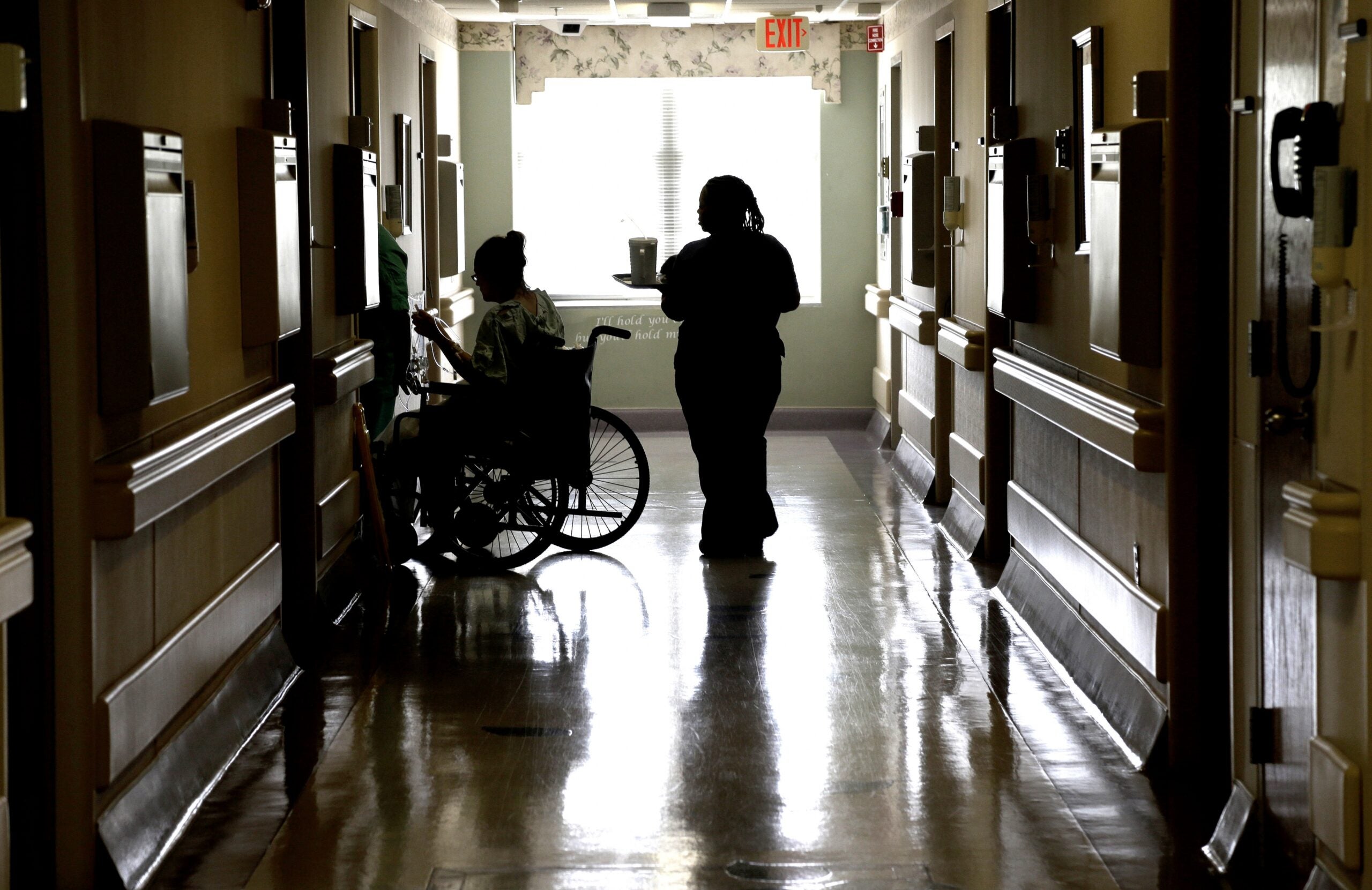
The program has also seen increased use of nursing homes and a long-term care program for children with disabilities than was initially projected.
Johnson said enrollment in long-term care services for seniors and adults with disabilities is also on track for significant growth. She said it’s now expected to exceed both the department’s estimate and the lower projection the state Legislature included in its budget.
The department’s last projection from September anticipated a $144 million shortfall in state funding.

Wisconsin Public Radio, © Copyright 2026, Board of Regents of the University of Wisconsin System and Wisconsin Educational Communications Board.