The federal agency that supports libraries and museums in Wisconsin and across the country has reinstated all grants previously terminated by the Trump administration after a court ruling earlier this month.
“We’re happy — thrilled — that grants are reinstated. That’s good news,” said Tracy Vreeke, director of the Nicolet Federated Library System. “But there is a level of uncertainty that remains.”
Over the past 15 years, the Institute of Museum and Library Services has awarded more than a dozen federal grants per year to Wisconsin museums, libraries and cultural centers, totaling nearly $70 million. That is in addition to millions of dollars in support for libraries provided at the state level.
News with a little more humanity
WPR’s “Wisconsin Today” newsletter keeps you connected to the state you love without feeling overwhelmed. No paywall. No agenda. No corporate filter.
By some measures, Wisconsin has the best interlibrary loan program in the country. The state was also a national leader in rolling out e-books to patrons, which state librarian Ben Miller credits to federal funding.
“It was kind of a radical new idea in the early 2000s,” Miller said. “We used federal funds to try it … and now it’s one of the most successful in the nation.”
Miller works in the Wisconsin Department of Public Instruction, a state agency that supports public education and libraries and administers these grants. He told WPR’s “Wisconsin Today” that federal dollars are especially important for rural libraries.
“In our rural areas, libraries are critical infrastructure,” Miller said. “It might be the only place in that community where you can get access to wireless internet for free … or apply for a job.”
With federal money, Wisconsin libraries have been able to add 10 “JobPod” sites around the state. These provide career resources, technology and library staff support for job seekers and a confidential, quiet space to do virtual interviews.
“Job centers across the state, especially in the rural areas, have really curtailed their physical footprint,” Vreeke said. “So libraries are trying to meet that need.”
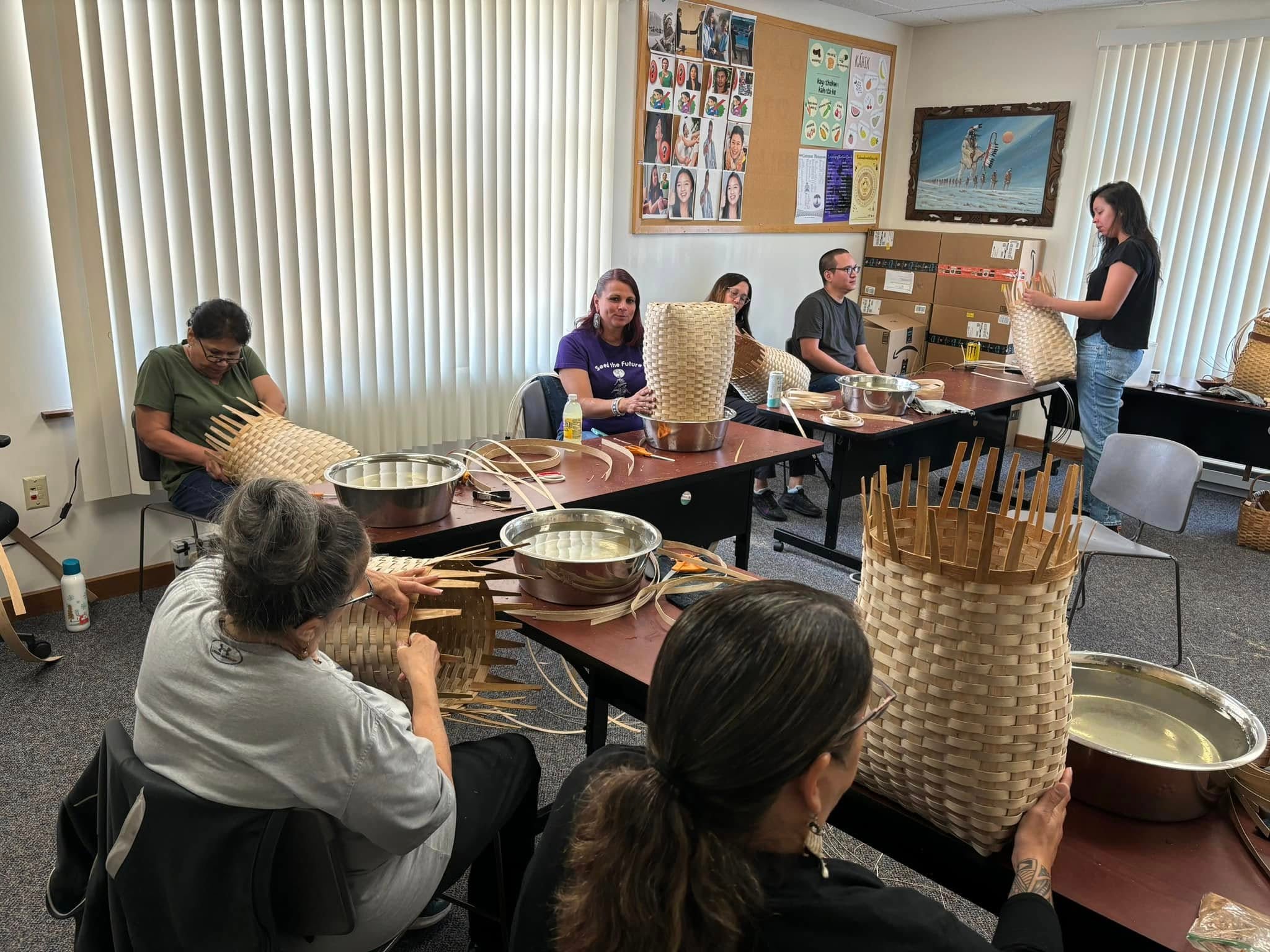
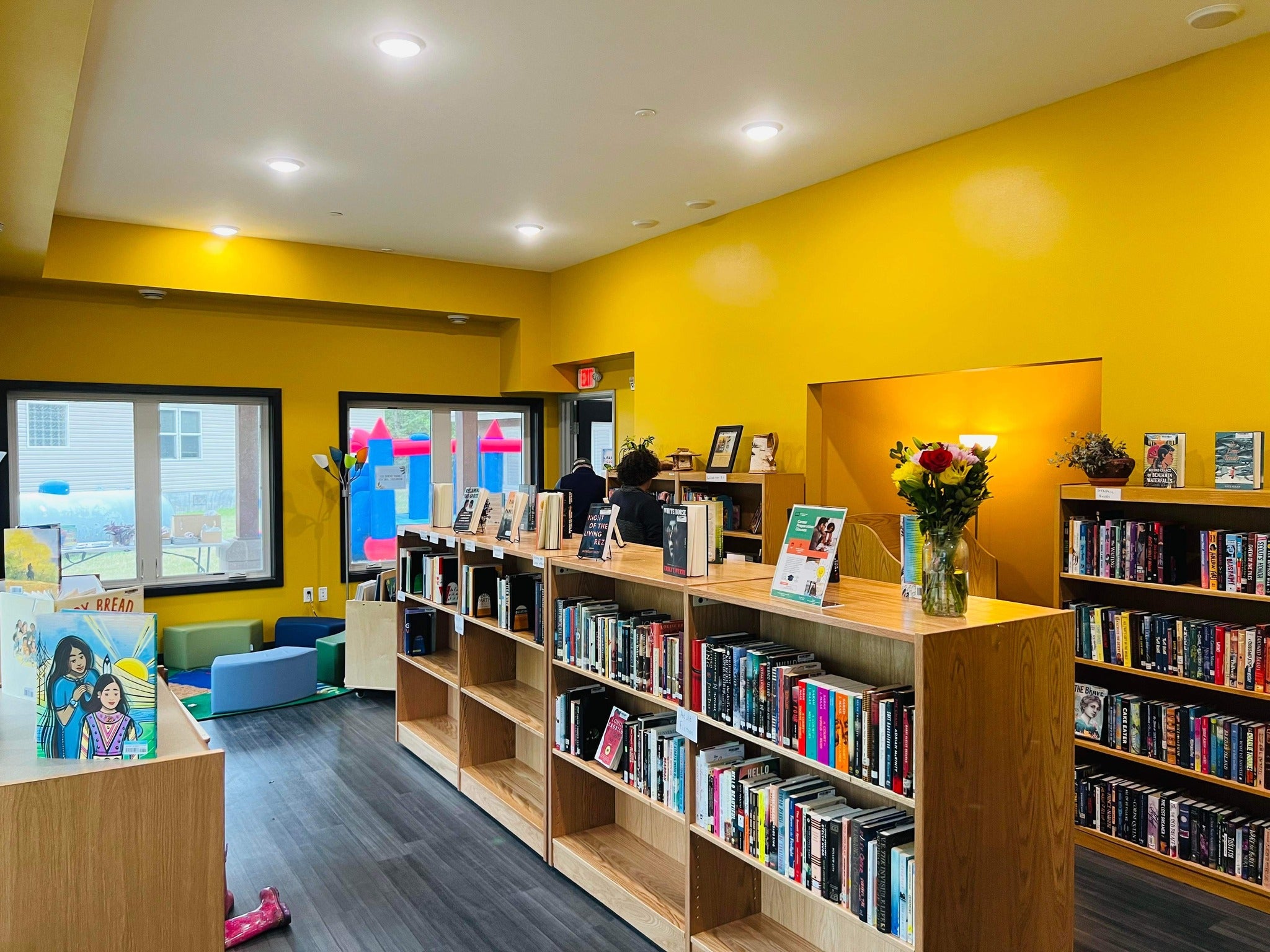
Tribal libraries were hit especially hard by the termination of these grants. The Bad River Public Tribal Library in northern Wisconsin had to temporarily close after its one full-time librarian was laid off in April as part of the funding cut. She was later reinstated.
The grant cancellation was also a major disruption for the Oneida Community Library and the College of Menominee Nation Library, both of which are part of the Nicolet system that Vreeke leads. She said that these libraries had to pause hiring a children’s librarian, acquiring new materials and maintaining a long-running Indigenous book club while staff scrambled to secure other funds.
“These grants have been a stable source of income for them over decades,” Vreeke said. “When something that has been stable for so many years has such a big upheaval, you feel a little bit like the ground has shifted under your feet.”
Wisconsinites send ‘heartfelt messages’ to legislators about libraries, museums
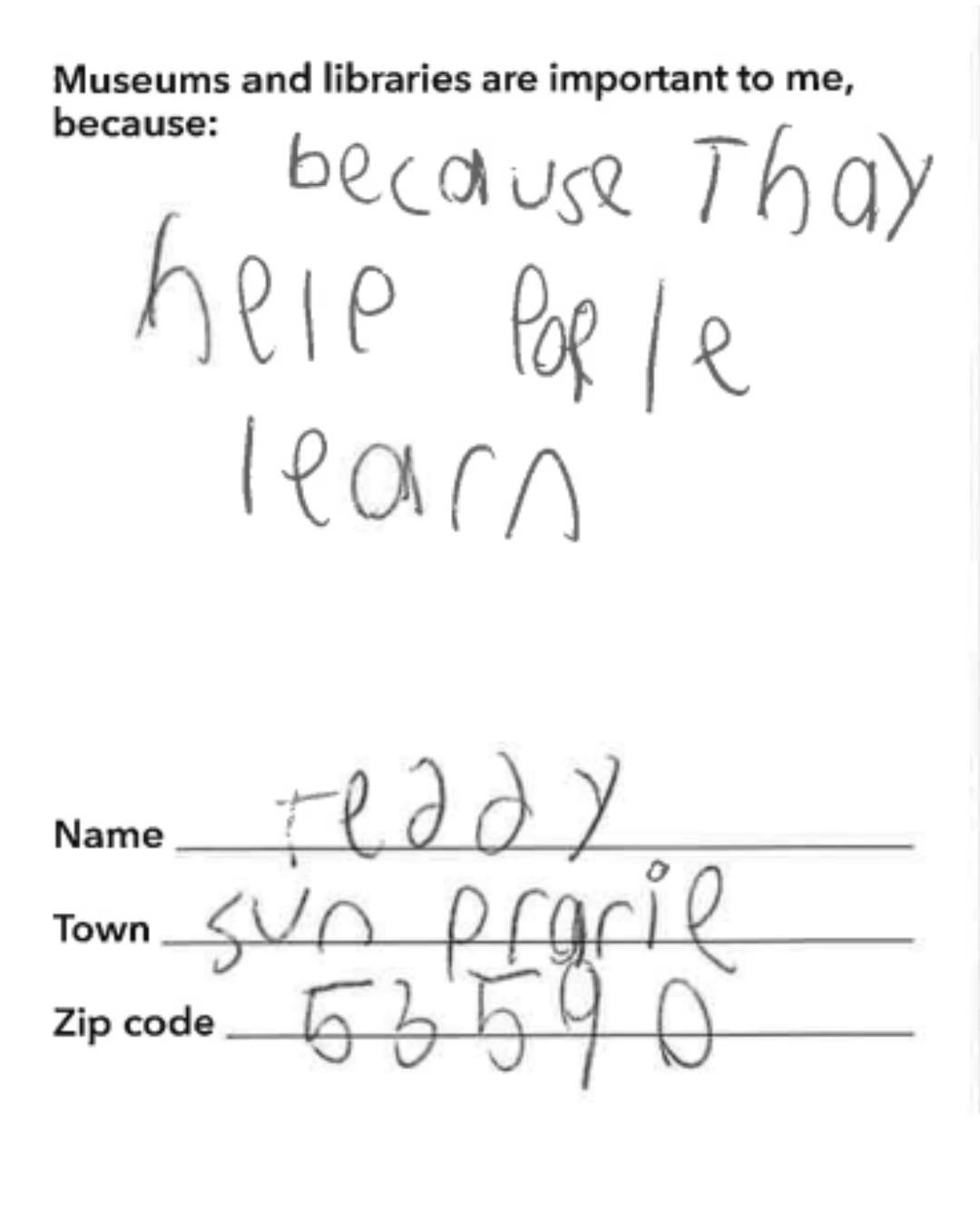
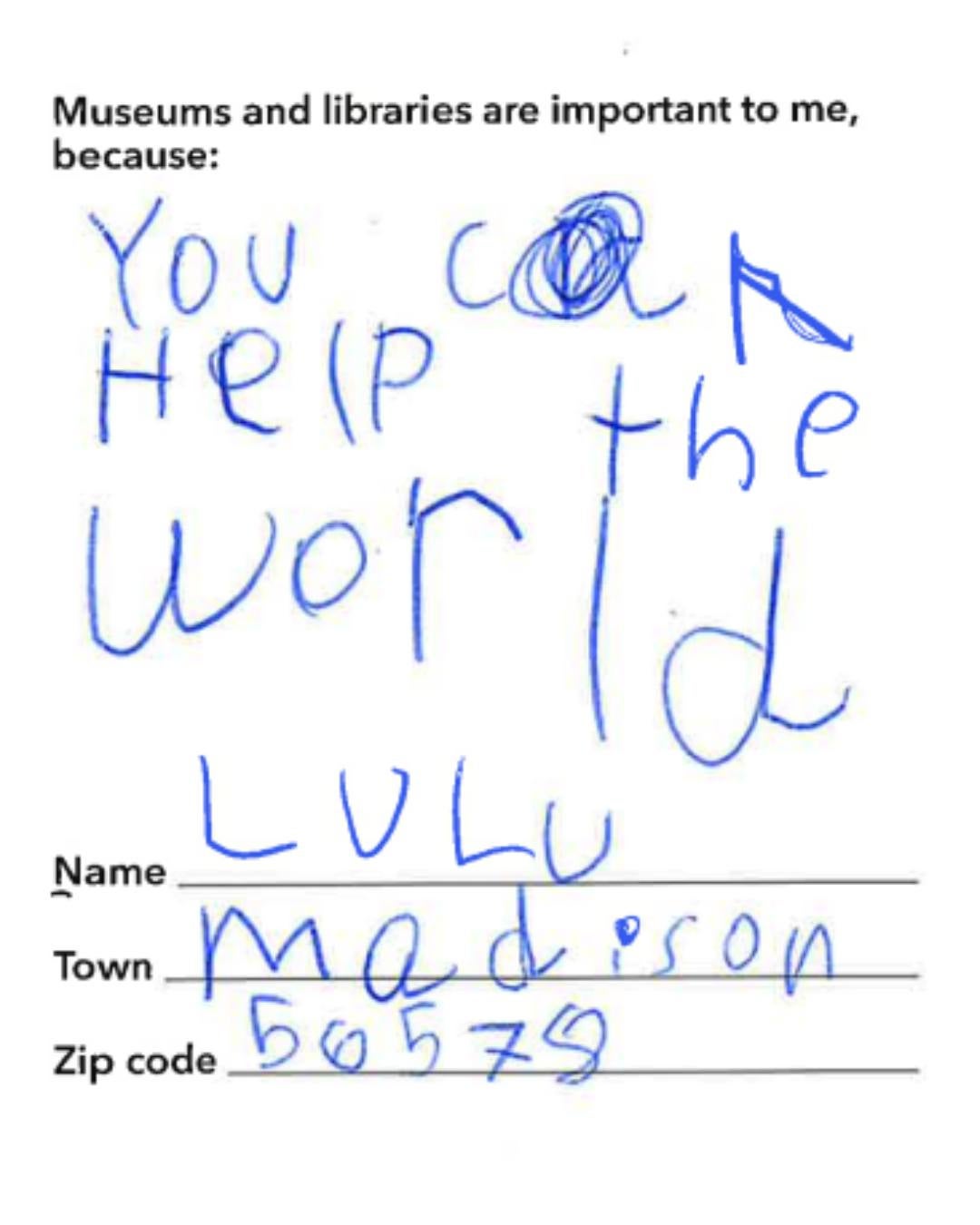
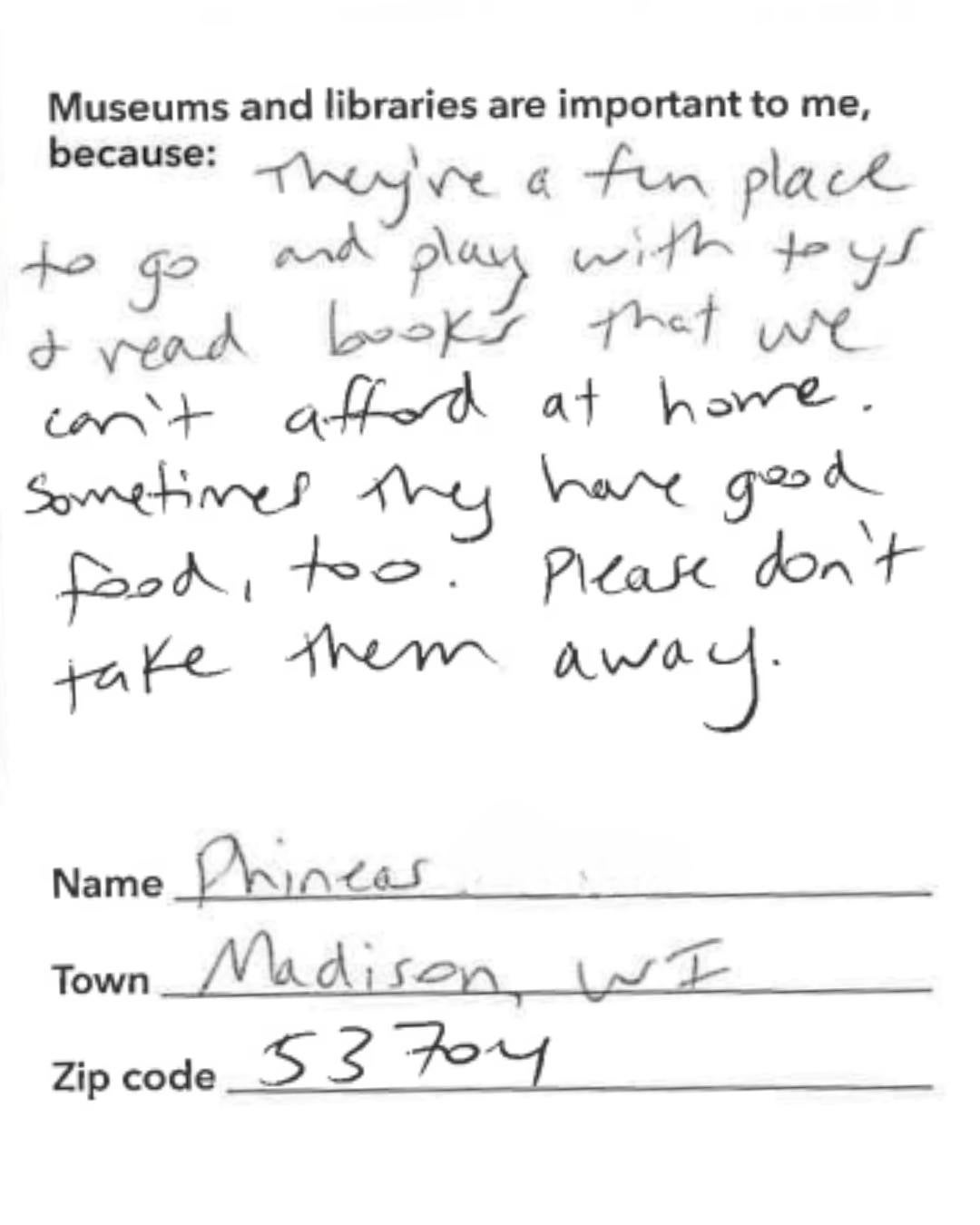
While the lawsuit to restore funding was still moving through the courts this summer, library supporters in the state mailed 11,000 postcards to Wisconsin’s congressional delegation sharing why libraries matter in their lives and communities.
And in the state capital, the Madison Children’s Museum and the Madison Public Library led a similar campaign reaching out to state and local officials.
“We decided to do a postcard-writing project to really have our legislators and our folks in the government see what museums and libraries mean to children and families who come into the museum,” said Lily Hoyer-Winfield, director of development at the Madison Children’s Museum.
People of all ages submitted postcards supporting the local public library system and the children’s museum. Hoyer-Winfield said it was touching to see handwritten messages from young children just learning to write and spell.
“It was anywhere from: ‘Keep our museums and libraries open — they’re important for our work.’ ‘Help me grow. Help me learn.’ ‘I love coming here with my family.’ ‘I love coming here with my grandparent,’” Hoyer-Winfield said. “Really heartfelt messages directly from the folks who come and use these vital cultural institutions and organizations.”
For libraries and museums, uncertainty around funding looms large
With this year’s grants restored, librarians and museum leaders now say they are cautiously optimistic, but the uncertainty of future funding weighs heavily on their minds.
“We’re thankful to see the money come back, but we need to be able to plan and we need to move forward with being able to do innovative things for the residents of Wisconsin,” Miller said.
With that stability in mind, Miller hopes that Congress will pass a budget that includes federal funding for libraries and museums as they go into negotiations in early 2026.