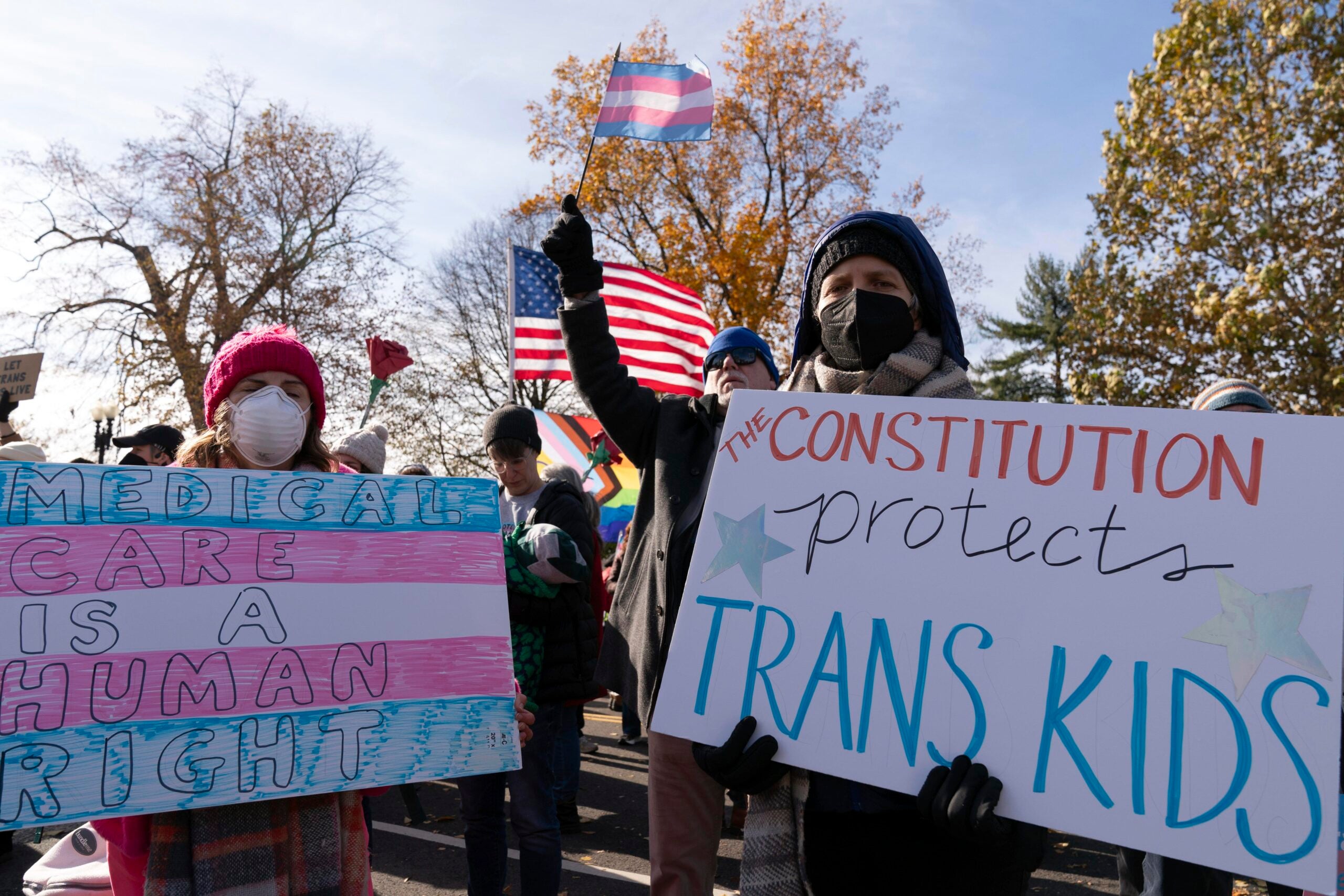
Advocates for LGBTQ+ youth in Wisconsin are pushing back after the Trump administration announced several policies that would essentially ban gender-affirming care for youth by threatening Medicaid and Medicare funding to hospitals that offer it.
On Thursday, Health Secretary Robert F. Kennedy Jr. and Dr. Mehmet Oz, who leads Medicaid and Medicare, announced new rules that make up an effective ban on certain treatments and procedures for transgender youth. They would bar any hospital or physician who receives payments under Medicaid or Medicare from offering the treatments — a category that includes essentially all of the medical profession.
Restricting this type of care has been a priority of President Donald Trump’s second administration since his first day in office, when he signed an executive order declaring the United States “will not fund, sponsor, promote, assist, or support the so-called ‘transition’ of a child from one sex to another.”
News with a little more humanity
WPR’s “Wisconsin Today” newsletter keeps you connected to the state you love without feeling overwhelmed. No paywall. No agenda. No corporate filter.
“So-called gender-affirming care has inflicted lasting physical and psychological damage on vulnerable young people,” Kennedy said in a press conference announcing the new proposed rules.
One proposal would prohibit the use of Medicaid funds to cover the cost of gender-affirming care for patients under age 18. Another would block all Medicaid and Medicare funding from hospitals that provide pediatric gender-affirming care.
“The impact there is potentially very dire, because we are talking about forcing hospitals to try and choose between providing this medically necessary care to trans kids and remaining open,” said Abigail Swetz, executive director of Fair Wisconsin, the statewide LGBTQ+, civil rights and political advocacy group
Swetz emphasized gender-affirming care for patients under age 18 is legal in Wisconsin and is done with full parental consent.
“It is age-appropriate and safe and effective,” she said.
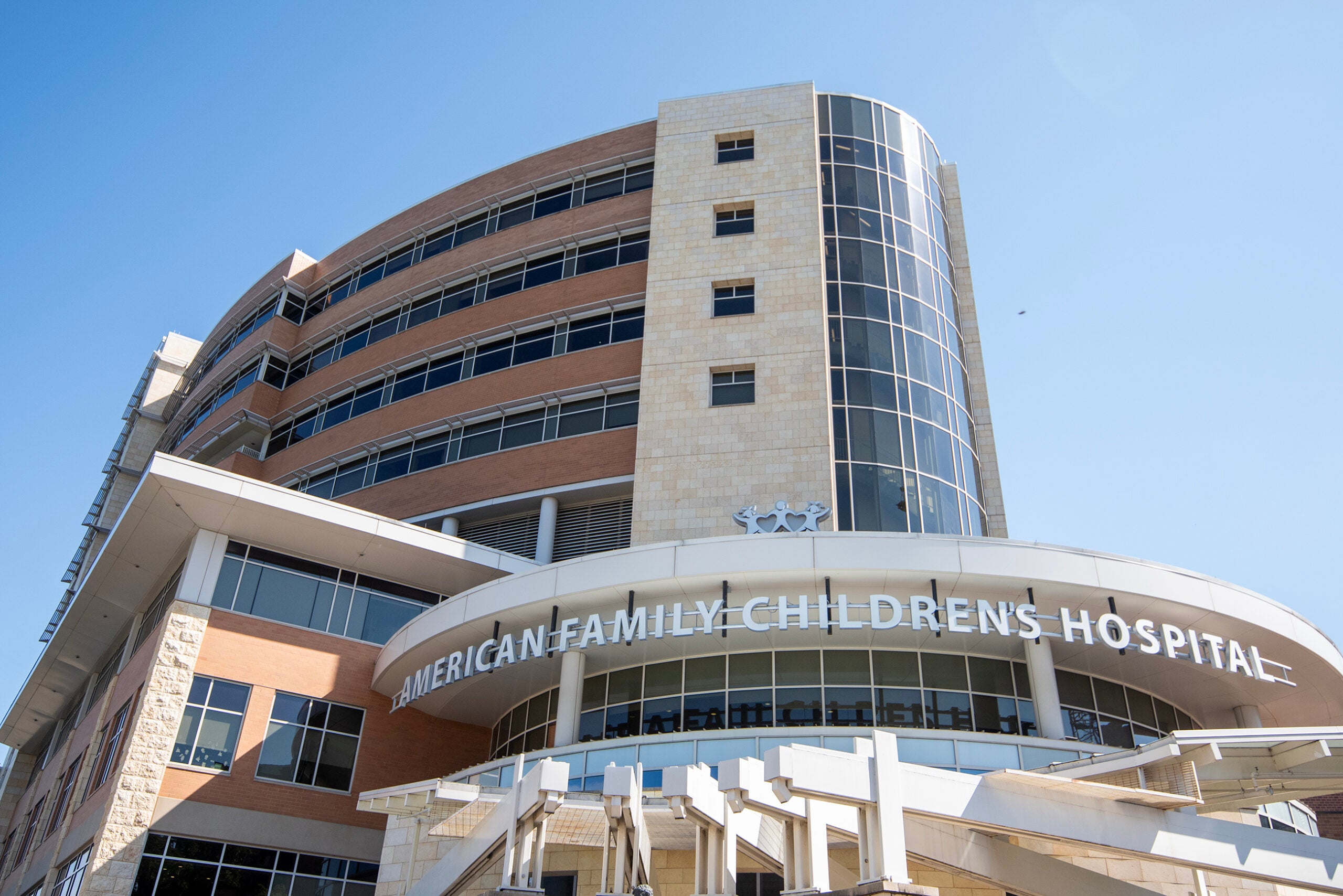
A representative for UW Health, which operates the Pediatric and Adolescent Transgender Health clinic, said in a statement the hospital is “evaluating” the proposed rules. Children’s Wisconsin, which runs a gender health clinic, did not respond to a request for comment.
The American Academy of Pediatrics has voiced opposition to the proposals.
“Patients, their families and their physicians — not politicians or government officials — should be the ones to make decisions together about what care is best for them,” AAP President Susan J. Kressly said in a statement.
Wisconsin state Sen. Melissa Ratcliff, D-Cottage Grove, and Rep. Ryan Clancy, D-Milwaukee, have also pushed back. They are both parents of trans youth and together formed the Transgender Parent and Non-Binary Advocacy Caucus in 2023.
Ratcliff’s son is 21 now. She said she feels “fortunate” he was able to access gender-affirming care.
“It helped him to live life as he sees himself as his authentic self,” Ratcliff said. “That’s what all parents want, is for their child to be healthy and happy.”
Clancy’s oldest, 26, is trans, and his youngest, 11, identifies as nonbinary. He said hospitals’ decision of whether to provide this care or essentially close their doors is “a lot to put on kids.”
“This is the Trump administration trying to bully children and trying to bully hospitals,” he said.
The rules don’t take effect immediately. They were entered into the Federal Register on Friday, which began a 60-day comment period.
Legal challenges are expected, and the American Civil Liberties Union has already announced plans to sue.
Still, Clancy said, the announcement will likely create a chilling effect.
“My hope is that it will be struck down, but the damage to our children and families is already done,” he said.

Wisconsin Public Radio, © Copyright 2026, Board of Regents of the University of Wisconsin System and Wisconsin Educational Communications Board.