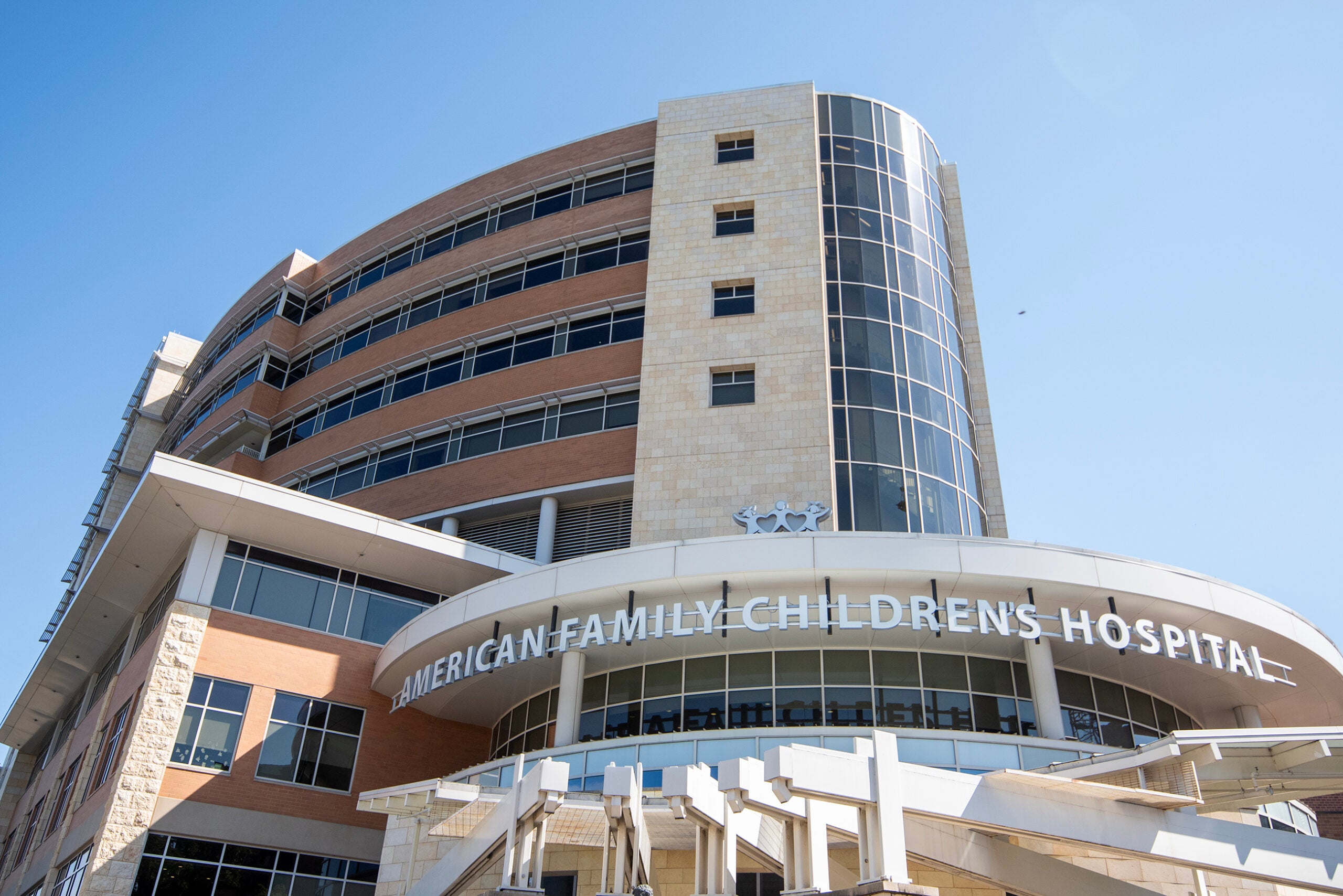
Children’s Wisconsin and UW Health have stopped providing gender-affirming care treatments to minors, citing recent federal policy changes.
Both are among the state’s largest pediatric hospitals. Advocates fear the lack of access to gender-affirming treatments could lead to negative mental health effects for transgender youth.
The moves come after the Trump administration last month announced plans to block all Medicaid and Medicare funding for any services at hospitals that provide gender-affirming care to minors. They say it exposes young people to irreversible harm.
News with a little more humanity
WPR’s “Wisconsin Today” newsletter keeps you connected to the state you love without feeling overwhelmed. No paywall. No agenda. No corporate filter.
“Under my leadership, and answering President Trump’s call to action, the federal government will do everything in its power to stop unsafe, irreversible practices that put our children at risk,” Health and Human Services Secretary Robert F. Kennedy, Jr. said in the statement announcing the plan. “This Administration will protect America’s most vulnerable. Our children deserve better — and we are delivering on that promise.”
In a statement, Children’s Wisconsin cited “escalating legal and federal regulatory risk” facing providers across the nation as the reason it is “currently unable to provide gender affirming pharmacologic care.”
The health system also said it believes LGBTQ+ children should be treated with “support, respect, dignity and compassion” and stated that it will continue offering mental health services for patients and families.
Meanwhile, UW Health said in a statement that it is pausing prescribing puberty blockers and hormone therapy as part of gender affirming care for patients under 18 years old “due to recent federal actions.” The system said it remains committed to providing “high-quality, compassionate” care to LGBTQ+ patients.
“We recognize the uncertainty faced by our impacted patients and families seeking this gender affirming care and will continue to support their health and well-being,” UW Health said in a statement.
Steve Starkey, executive director for OutReach LGBTQ+ Community Center in Madison, said he believes the health systems’ decisions will have negative impacts on trans youth in Wisconsin.
“For trans people of all ages, being able to express themselves in the gender that they feel that they are is important for their mental and physical health,” he said. “By not allowing trans people to do that, to have the support, it just means that they are not able to be wholly who they are.”
A 2023 study by the Williams Institute at the UCLA School of Law found that more than 80 percent of trans adults had thought about suicide and more than 40 percent had attempted suicide.
Starkey said LGBTQ+ people in general tend to have higher rates of suicide and suicide ideation, especially in the trans community. He said youth tend to be more vulnerable than adults and losing access to gender affirming treatments isn’t likely to help.
“It will definitely have a negative impact on the rates of suicide and and the mental health of trans community,” he said. “It affects trans adults as well, because it’s like an attack on all trans people.”
Susan Neeley, director of family engagement and advocacy at GSAFE, a nonprofit advocating for LGBTQ+ youth, said the Trump administration’s proposed rule changes are unfairly targeting the trans community.
“It’s having a huge effect on everybody, physically, mentally, emotionally,” she said. “There’s just been so many attacks on trans people, and specifically trans youth and minors from this administration right now. It’s taking a toll on people.”
Neeley also said losing access to puberty blockers and hormone therapy could also have negative physical effects on trans youth.
“For example, if someone has been on estrogen and they’re no longer (able) to refill that, that’s going to have effects on their body if they aren’t able to take it, and their body might make changes and revert into a body that the child doesn’t feel fits who they are,” she said.

Wisconsin Public Radio, © Copyright 2026, Board of Regents of the University of Wisconsin System and Wisconsin Educational Communications Board.