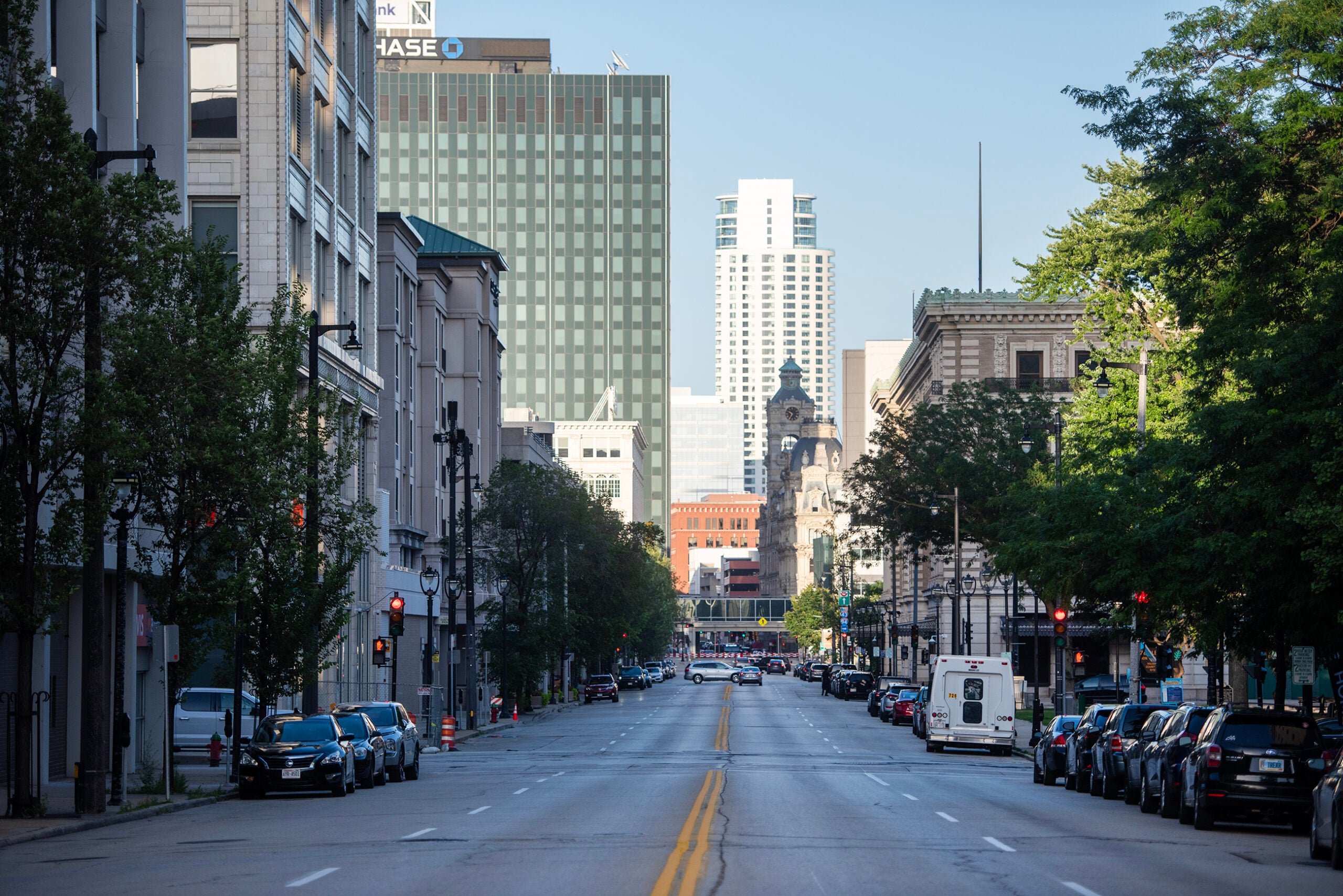
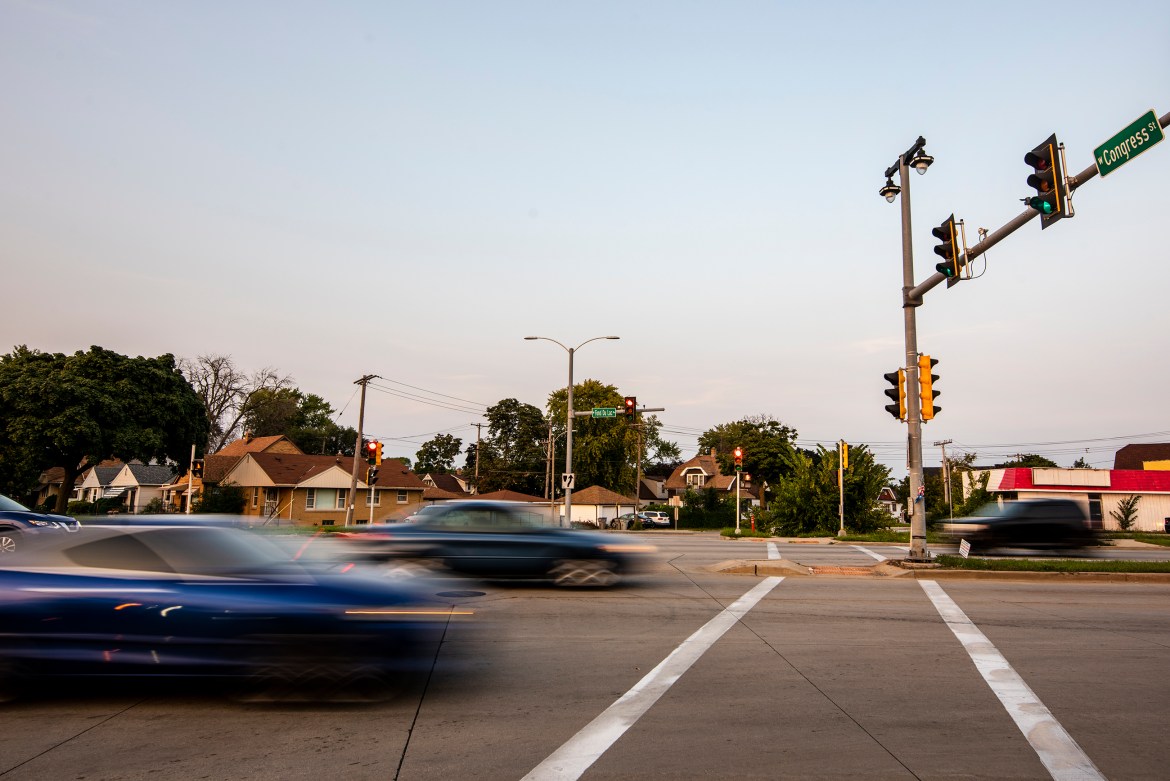
Milwaukee County plans to use nearly $25 million in federal funding for more than 60 street safety projects throughout the community.
The grant funding from the U.S. Department of Transportation’s Safe Streets and Roads for All program will be used in an effort to reduce crashes along some of the most dangerous roads in the county.
“This is a great opportunity for us to focus on one of the issues that have been affecting Milwaukee County residents, which is reckless driving,” Milwaukee County Executive David Crowley said.
News with a little more humanity
WPR’s “Wisconsin Today” newsletter keeps you connected to the state you love without feeling overwhelmed. No paywall. No agenda. No corporate filter.
The 65 infrastructure projects will be along ten “Corridors of Concern,” or “roadways that have been identified as the most hazardous in the County,” according to a county statement. The work will take place in West Allis, Glendale, Brown Deer, Shorewood, the city of Milwaukee and on multiple Milwaukee County highways.
Some of the work will include high-visibility crosswalks, traffic signal upgrades, curb bump-outs, intersection upgrades and sidewalk expansions. The funding will also be used for traffic calming projects on three of the county’s “highest-speed corridors.”
The county expects the projects to reduce “fatal and serious injury crashes” at the intersections and road segments by 26 to 50 percent, according to a statement. The work is anticipated to be completed by 2031.
“We don’t want to put something in place that’s going to work for a year and then down the line, all of a sudden, we have to do more studies to figure out how we improve this even more,” Crowley said about the projects.
The city of Milwaukee was also awarded a separate $8 million grant for street safety improvements on portions of North Dr. Martin Luther King Jr. Drive and West Forest Home Avenue through the Safe Streets and Roads for All program. That funding will be used to reduce speeding and improve safety for pedestrians and drivers on those corridors, according to a statement from the Milwaukee Department of Public Works.
Some of the work for that project will include curb extensions, raised crosswalks, raised intersections and improving curb ramps along the roads, according to city engineer Kevin Muhs.
“This is great news,” Muhs said about the grant. “We’re excited to make some good safety and pavement investments on these two corridors.”
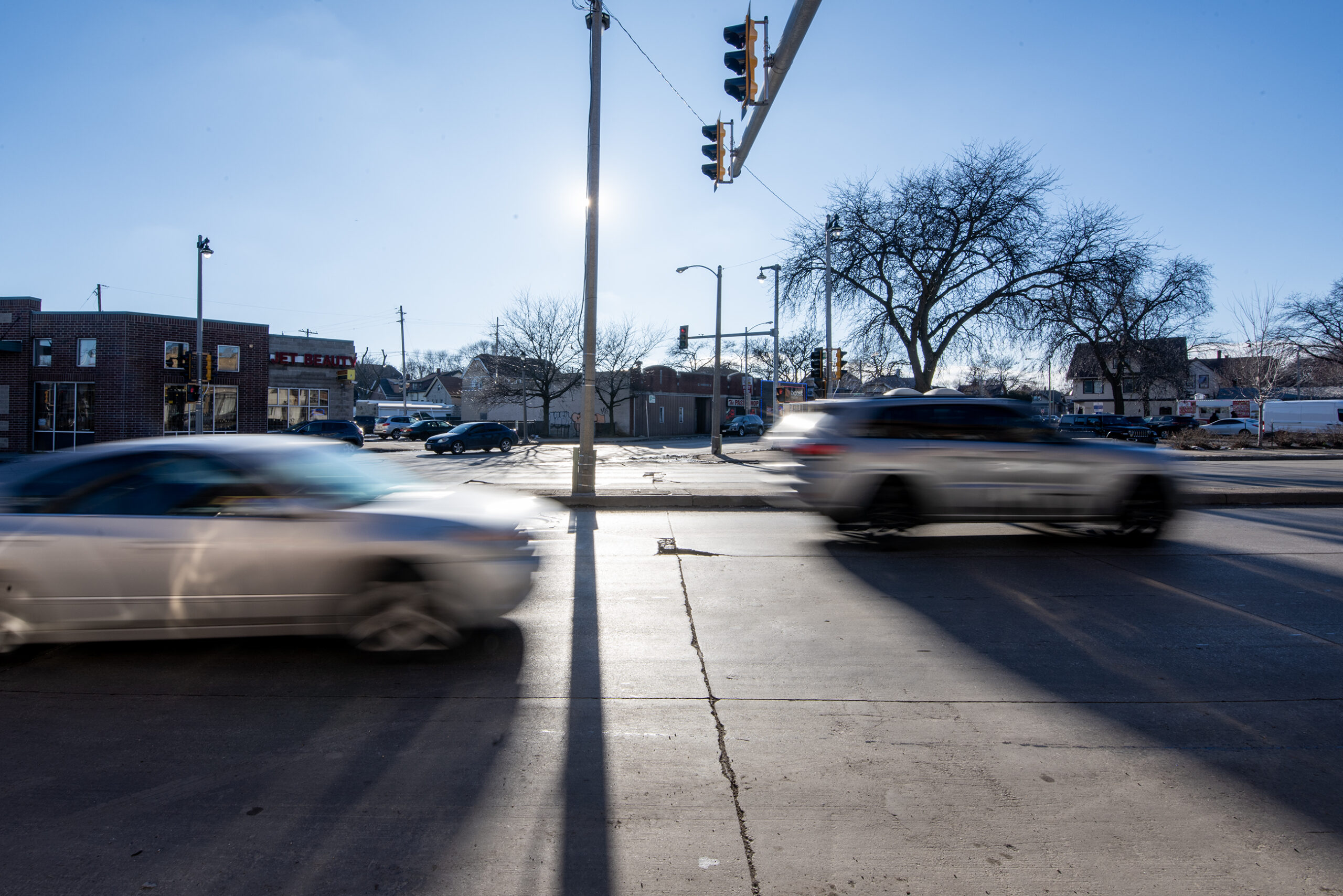
Reckless driving has plagued residents of Milwaukee for years. A 2024 Wisconsin Policy Forum report found traffic fatalities increased by 113.5 percent from 2002 to 2022 in Milwaukee County, while they dropped across the state during the same time period.
Local leaders have invested millions of dollars to combat the problem over the past few years. Street redesign and engineering projects — known as “traffic calming” projects — can help narrow roads, making it more difficult for drivers to speed.
Muhs said he believes the projects are working, even if some residents have complained about the changes slowing down traffic.
“Really, what we’re trying to do is manage excessive speeds,” Muhs said. “That’s the goal of all of this.”
There were 27,400 traffic crashes in Milwaukee County in 2021 , according to a county dashboard. That number fell to 24,600 in 2024.
The Milwaukee Common Council passed an ordinance in late 2025 that allows for vehicles involved in a reckless driving offense to be impounded. A spokesperson for the Milwaukee Police Department said that there were 30 “reckless vehicle tows” between Nov. 5, 2025 and Sunday.
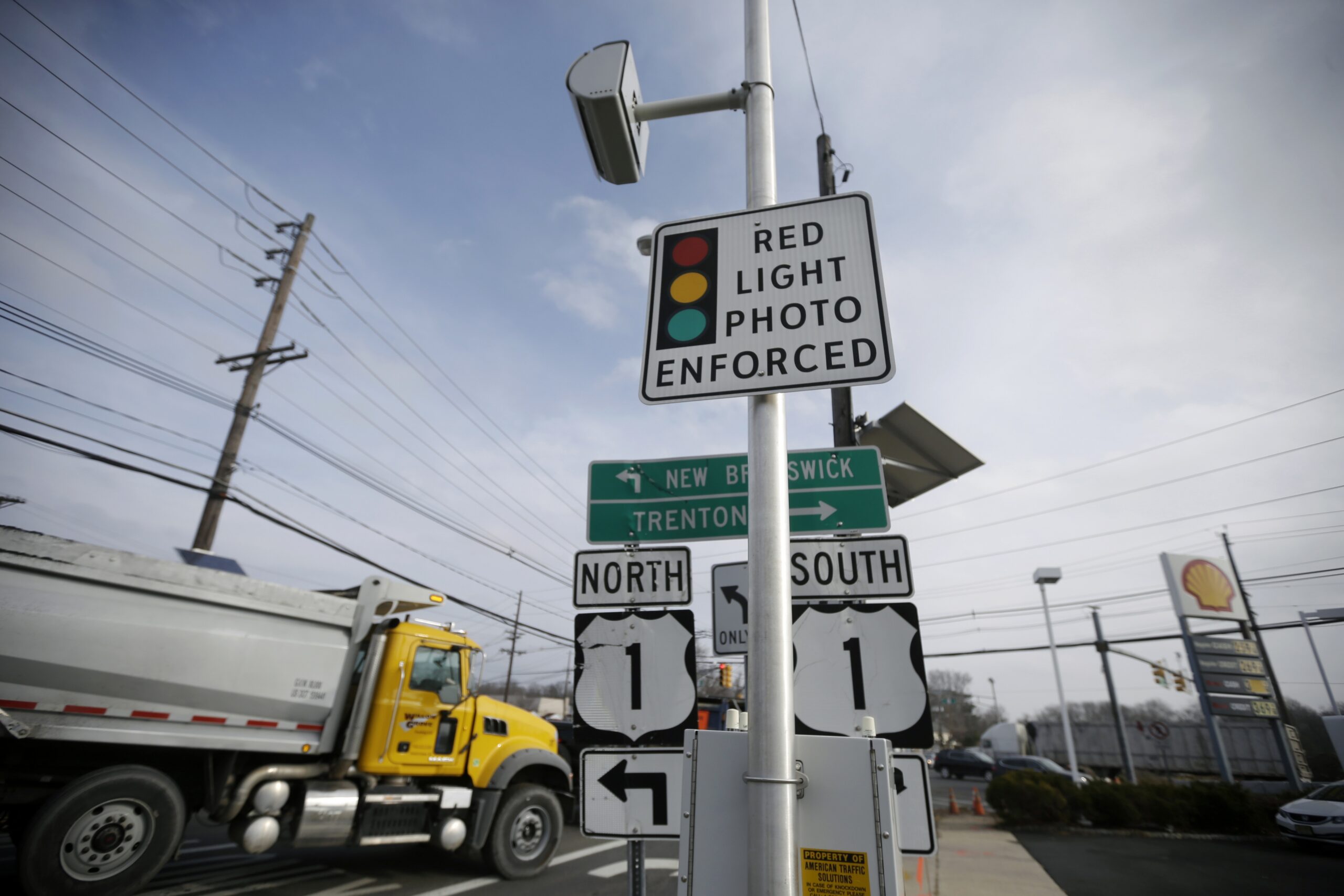
Meanwhile, some state lawmakers want to place up to 75 red light cameras at intersections across Milwaukee. Another proposal would place devices that limit a driver’s speed in the vehicles of repeat reckless drivers in Wisconsin.
The Forest County Potawatomi Community was also awarded a $3.6 million grant through the Safe Streets and Roads for All program’s 2025 funding cycle. That money will be used to construct a shared use path along a state highway.

Wisconsin Public Radio, © Copyright 2026, Board of Regents of the University of Wisconsin System and Wisconsin Educational Communications Board.