For decades, the number of dairy farms operating in Wisconsin has been declining.
The latest licensing data shows there were about 5,100 dairy herds operating in the state at the start of 2026.
That’s just over half of the number of farms operating ten years ago, and roughly a third of the number of farms that were licensed two decades ago.
News with a little more humanity
WPR’s “Wisconsin Today” newsletter keeps you connected to the state you love without feeling overwhelmed. No paywall. No agenda. No corporate filter.
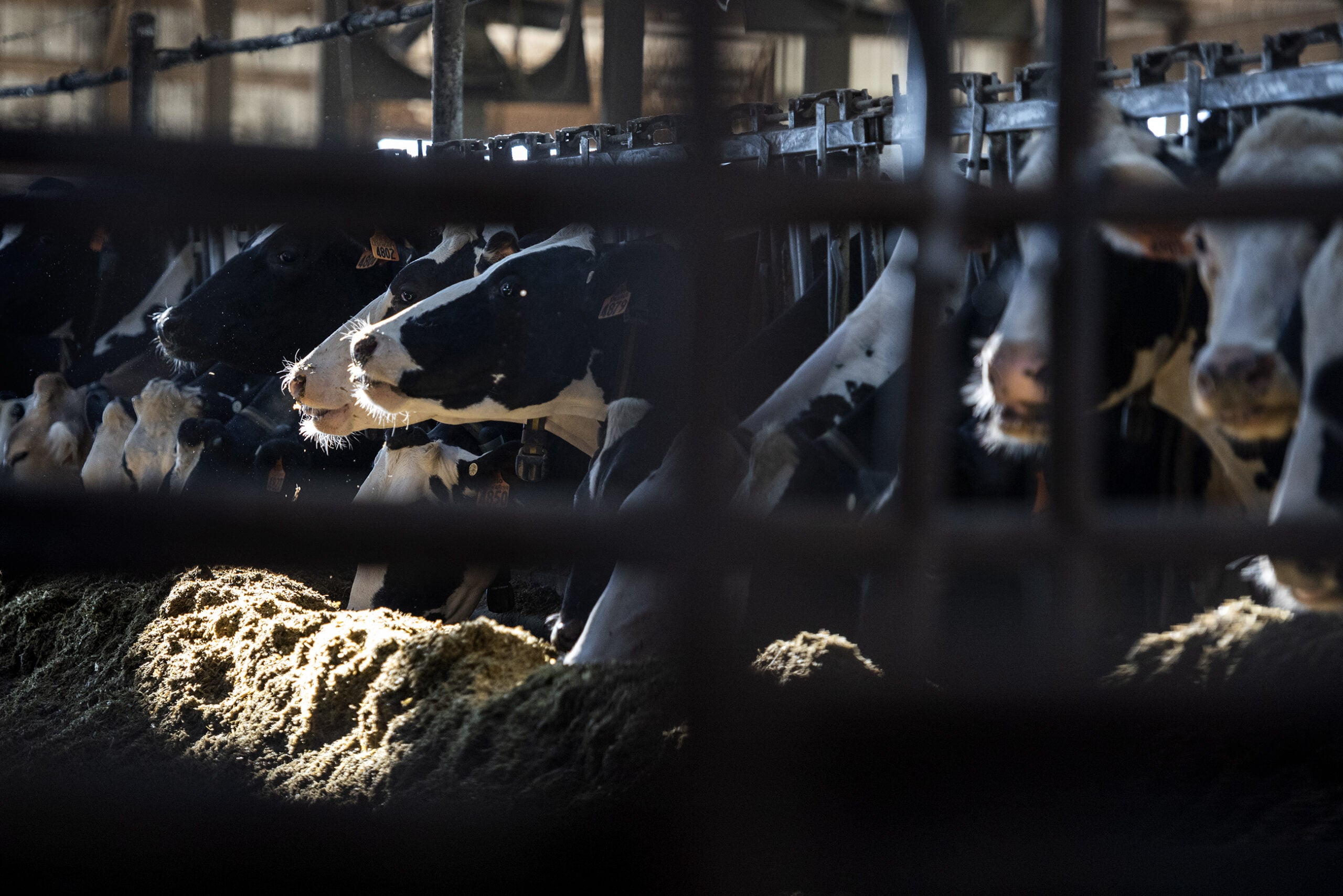
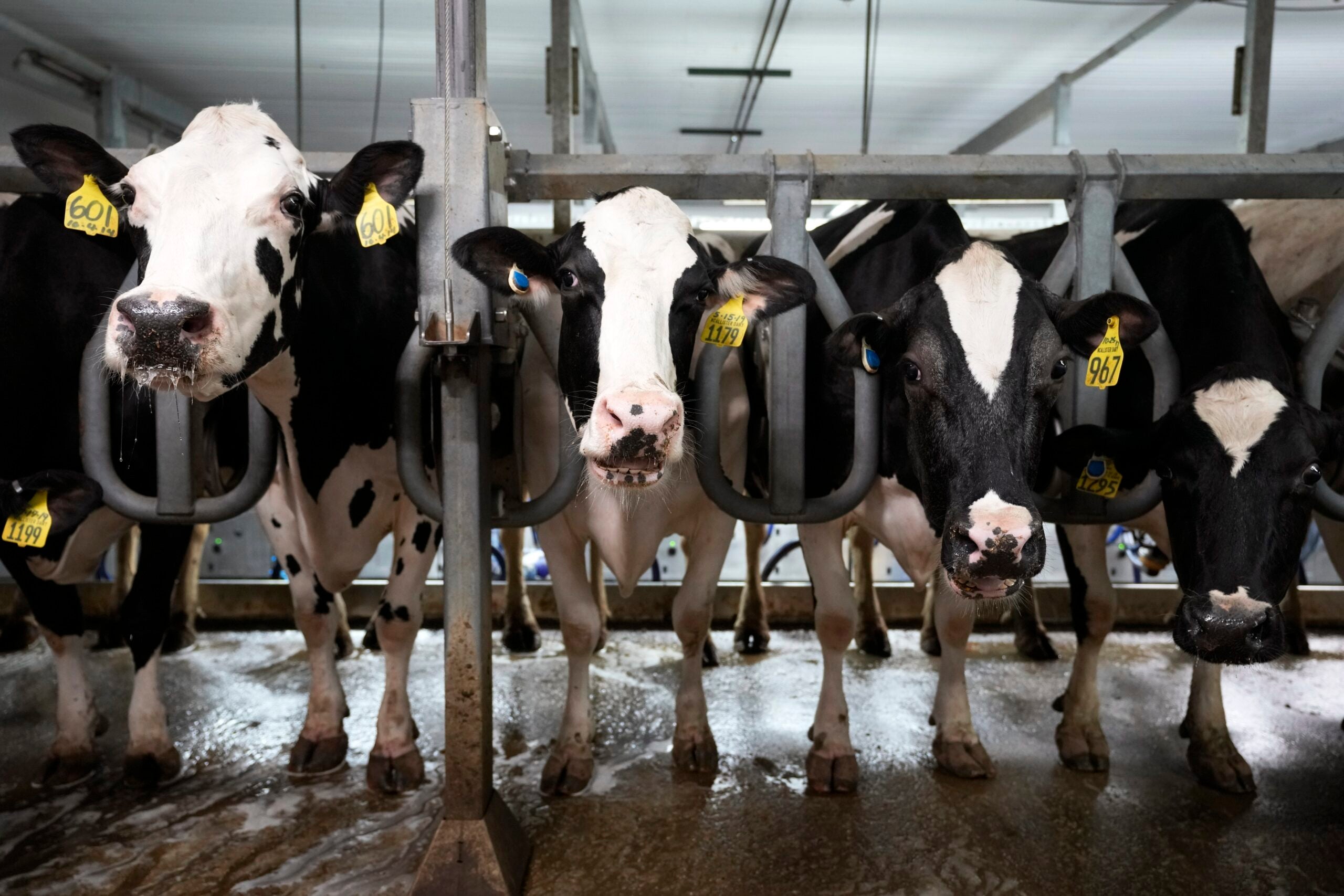
But the decline in dairy herds doesn’t mean there are fewer cows being milked. In fact, the number of cows being milked in America’s Dairyland is about the same as it was two decades ago, and the state’s farmers are producing slightly more milk every year.
Consolidation continues to be the biggest factor shaping the number of farms in the state, according to Steven Deller, agricultural and applied economics professor at the University of Wisconsin-Madison.
Deller said the high costs farmers face to produce milk continues to make it difficult for small and mid-size farms to be profitable. That’s compounded by the fact that the average age of farmers in the state continues to grow older.
“If you’re in your mid-60s, it just doesn’t make sense to be operating a dairy farm with 150 cows,” he said. “That’s demanding work, that’s really hard labor, and you hit a certain point where you just say, ‘I can’t do this anymore.’”
Deller said record-high beef prices may incentivize more farms to stop milking cows and make the shift to beef production.
Ben Miller, chief operating officer for Dairy Farmers of Wisconsin, said the decision over whether to keep milking cows is often based on a family’s specific circumstances, such as whether the next generation wants to continue farming.
He points out that the move toward fewer, larger farms is happening across the country and is not exclusive to dairy.
“I think farmers and farm families are making the very best decisions for their circumstances,” Miller said. “I don’t want to characterize that as a good thing or a bad thing.”
Miller, whose organization is funded by dairy farmers to increase the sale of Wisconsin products through what’s known as a checkoff, said the industry still sees potential for growth even with fewer producers.
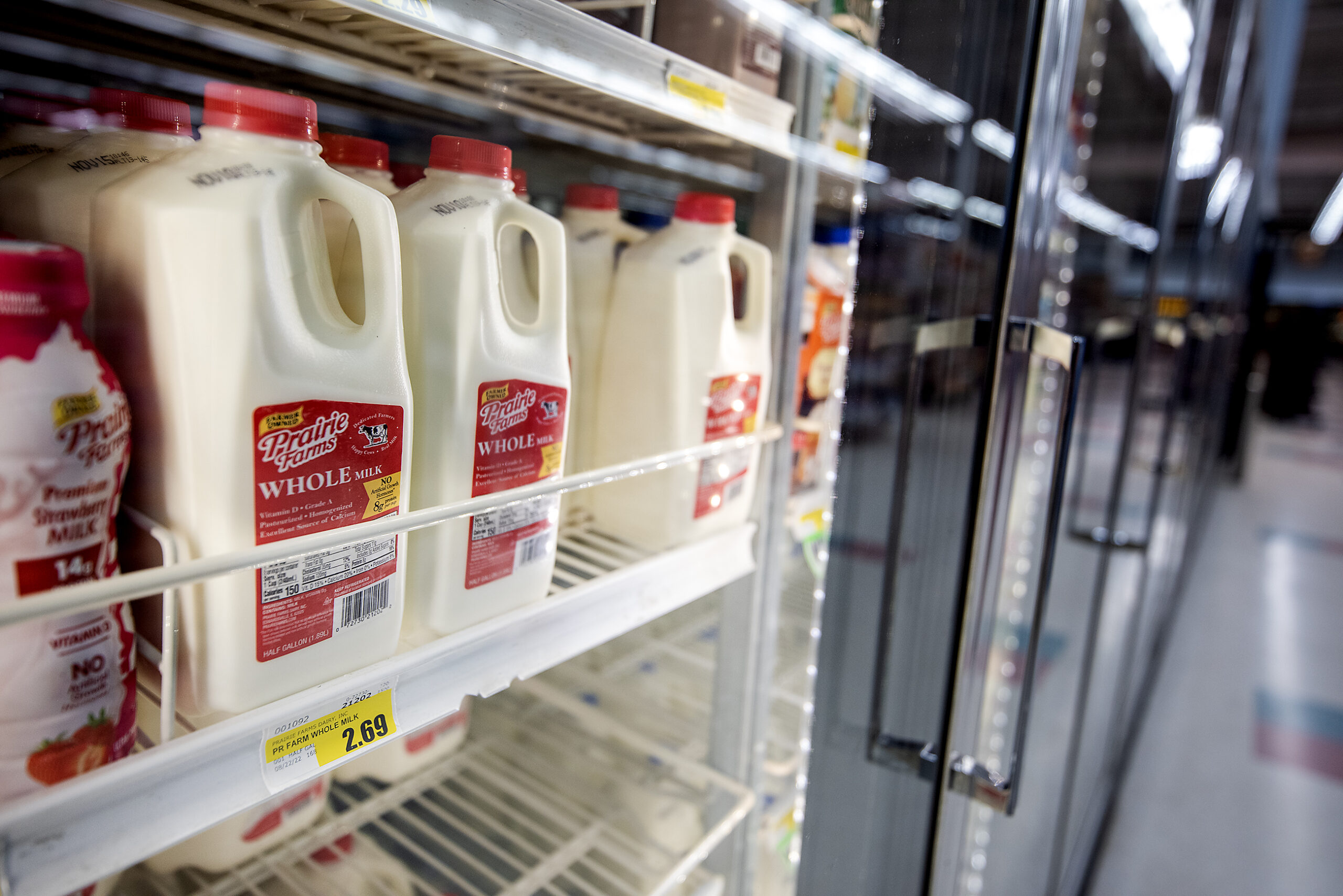
He points to the steady increase in U.S. consumption of products like butter and cheese, as well as the more recent surges in sales of whole milk and cottage cheese as Americans increasingly become obsessed with high-protein foods.
“The industry has never been stronger in terms of its economic impact on Wisconsin,” Miller said.
Both Miller and Deller agree that Wisconsin will continue to see a decline in the number of dairy farms in the coming decades. But what that means for rural communities in the state is still evolving.
Deller said 20 years ago, he wondered whether a declining number of dairy farms would lead to the collapse of other types of businesses, like milk trucks and veterinary services.
“We’re not seeing that happening, and it’s because the number of cows has not been declining,” Deller said.
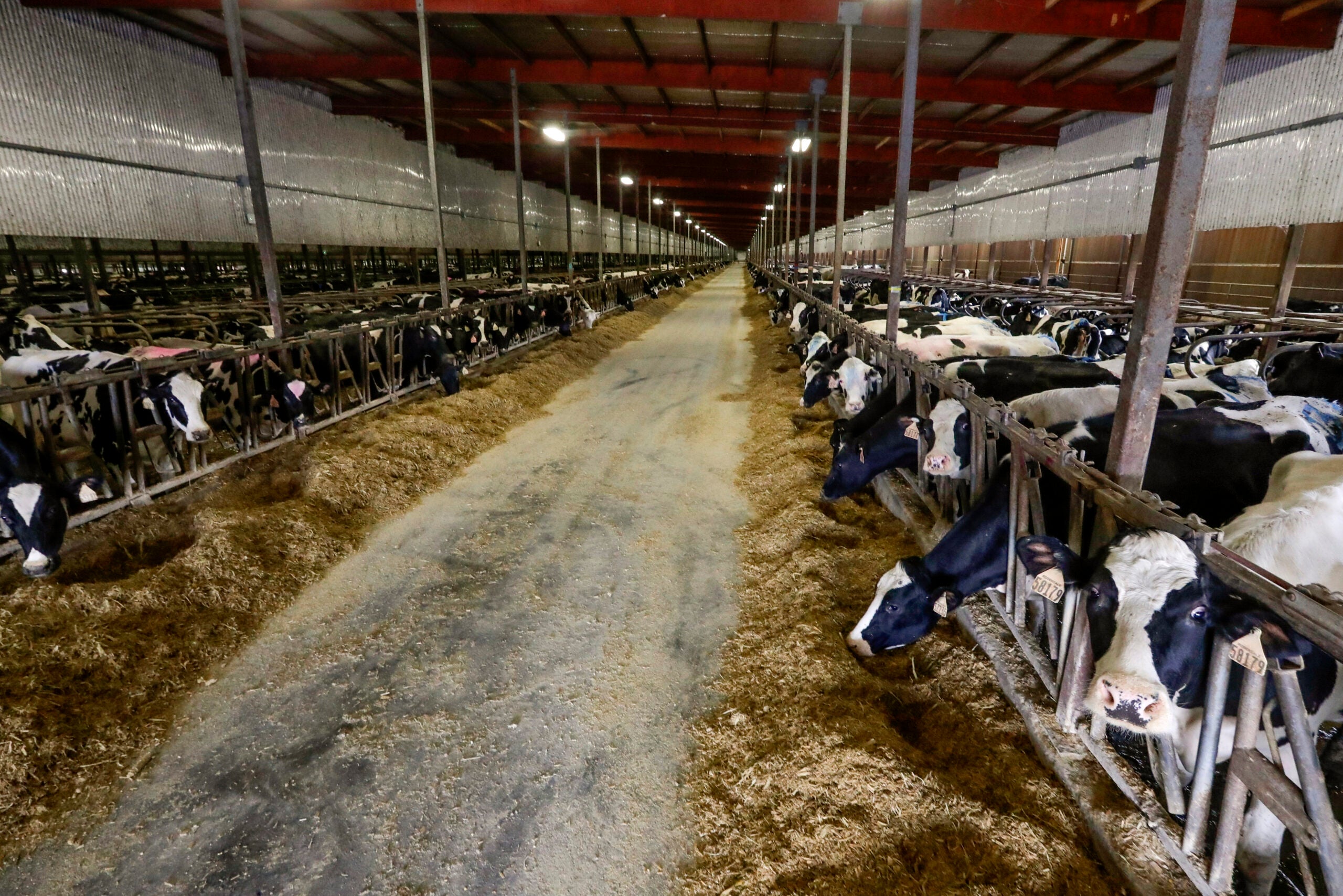
But he said the concentration of more cows per farm means environmental concerns are becoming a bigger issue for the industry. Deller said many farmers are calling for a better understanding of large farm impacts on local land and water quality.
“They realize that if they screw up the environment around them, it screws up their farm,” he said. “They want to get ahead of the curve. So some of the questions are evolving, but we’re going to be talking about this for the next 10, 15, 20 years.”

Wisconsin Public Radio, © Copyright 2026, Board of Regents of the University of Wisconsin System and Wisconsin Educational Communications Board.