NASA has awarded a team of Wisconsin researchers $500,000 to continue working on a system for refueling spacecraft in space.
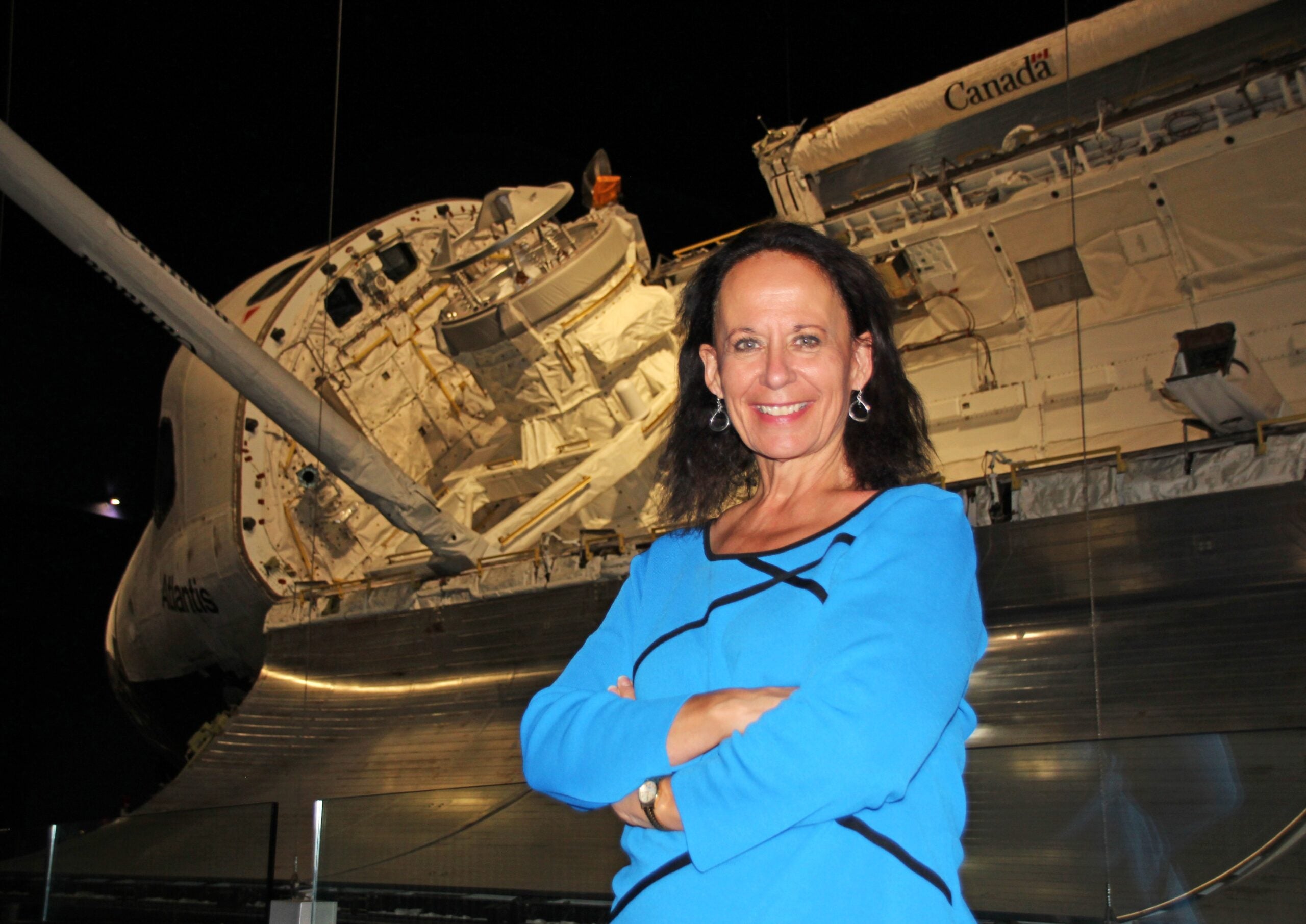
Kevin Crosby is a professor of physics, astronomy and computer science at Carthage College, and director of the Wisconsin Space Grant Consortium. He’s also a visiting senior scientist at NASA. Crosby and his team of students at Carthage have been working on microgravity ullage trapping, a method for increasing in-space refueling efficiency.
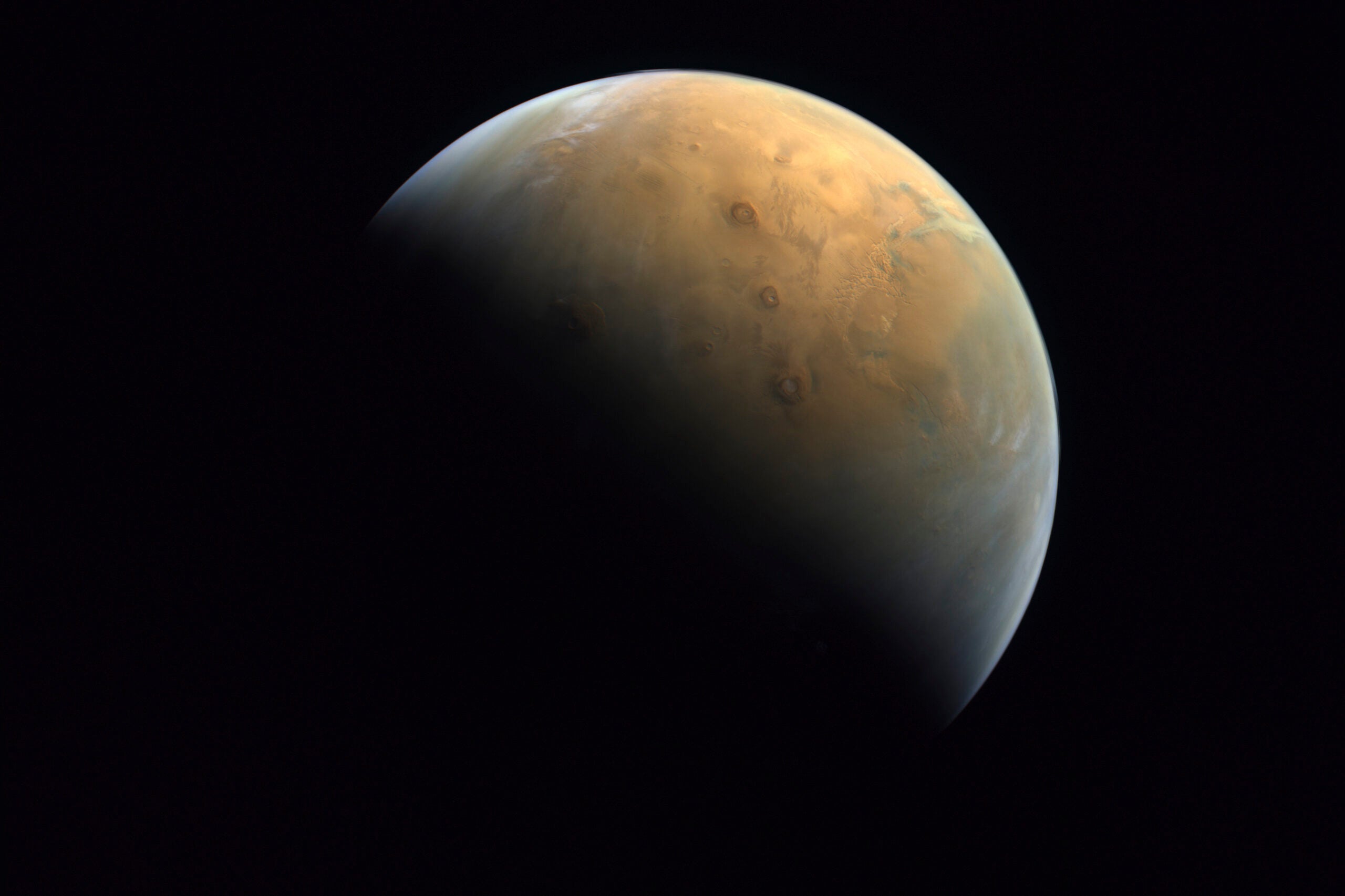
Crosby told WPR’s “Wisconsin Today” that the process is needed to make trips to the moon and Mars easier.
News with a little more humanity
WPR’s “Wisconsin Today” newsletter keeps you connected to the state you love without feeling overwhelmed. No paywall. No agenda. No corporate filter.
“Our idea is fairly unique, so it got some attention from this competition,” he said.
NASA’s TechLeap Prize means to support technology ideas “of significant interest” to the space industry. Crosby’s team is one of 10 that won a prize out of more than 200 applicants.
Semaje Farmer is a senior majoring in physics at Carthage College and part of Crosby’s team. On “Wisconsin Today,” he compared their work to the plumbing aspect of space operations.
“We need to start building up a more sustainable infrastructure for these kinds of things,” he said. “And the easiest way to start that is to get this refueling thing settled, because we can’t go all the way to Mars then come all the way back safely if we have to load up the rocket with so much fuel. Instead, we just want to be able to refuel it when it gets there so that it has the fuel it needs to return after the mission is over.”
Crosby said the bulk of the prize money will pay for labor and materials to turn this project “from a blank piece of paper all the way through to mission readiness” in roughly the next nine months. Prize winners have the opportunity to run their tech in an actual NASA flight test at the end of the project.
Crosby said the TechLeap Prize aspect is unique compared to the more traditional grant system scientists typically use to get funding. While grants can take months or years to receive funding, Crosby said the TechLeap Prize money is upfront and paying for their work to get to mission readiness.
The federal government shutdown has added “a bit of a wrinkle” to their plans, Crosby said. His team has received some of the prize money, but plans for a team of NASA scientists to come visit and check in on their progress have been delayed.
Farmer completed a summer internship at NASA’s Johnson Space Center working on research to make in-space refueling more efficient. He said a highlight of the job was just getting to be a part of NASA’s work environment.
“I’ve had the opportunity to intern at many different places, and some are just regular run-of-the-mill corporate offices, and being at NASA, you see so much more passion and in the work that they’re doing there,” he said. “And being there kind of gave me a nice guide for where I want to go in my future, in the kind of environment that I want to work in.”