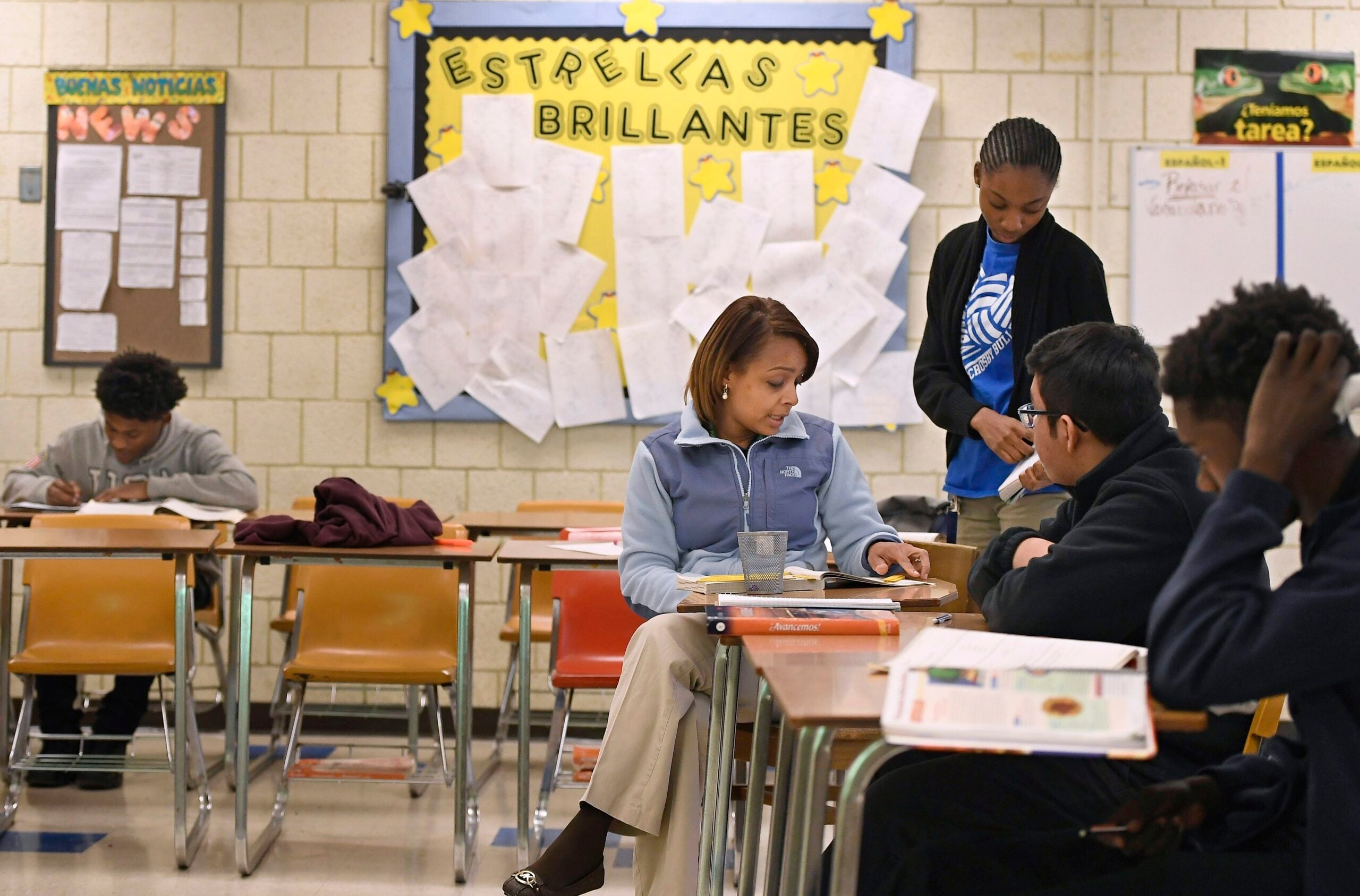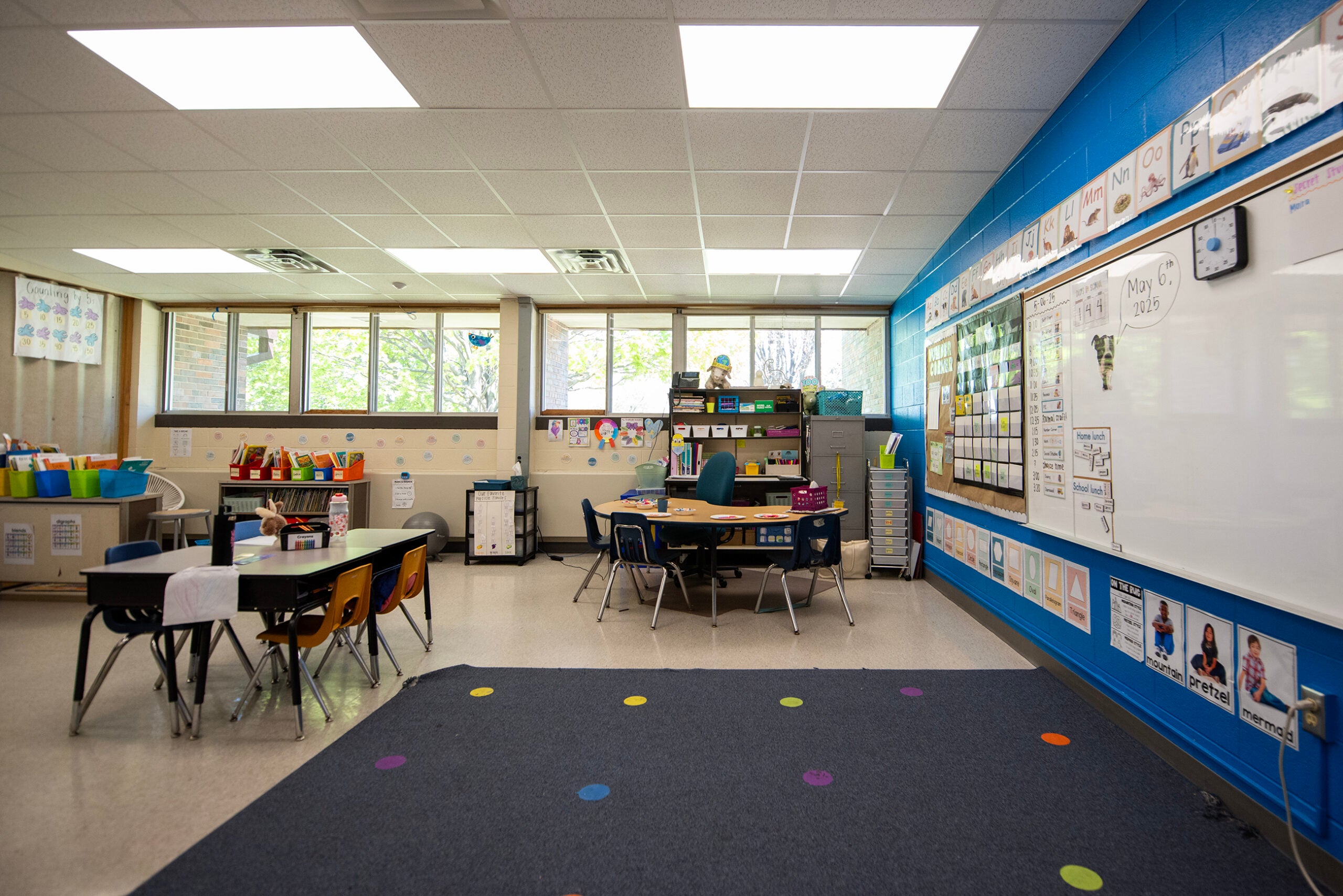
Republicans in the state Assembly approved more than a dozen education-related bills Wednesday, including a series of bills aimed at consolidating school districts.
The move comes as Wisconsin’s population is due to decline and as public schools have lost more than 50,000 students in the last decade.
The GOP bills would offer financial incentives when districts merge in the next three years and if they participate in grade sharing. That’s when the same classes from two or more underpopulated schools combine — a practice that is authorized under state law but not currently used, according to the Department of Public Instruction.
News with a little more humanity
WPR’s “Wisconsin Today” newsletter keeps you connected to the state you love without feeling overwhelmed. No paywall. No agenda. No corporate filter.
Other bills would support studying the feasibility of these proposals, and provide funding for lower-income districts that don’t have the tax base to merge on their own.
Democrats blasted the proposals, saying declining enrollment is a problem manufactured by Republicans and calling on their colleagues to instead invest in public schools.
“Consolidation is not simple and is not cost-free,” said Rep. Angelina Cruz, D-Racine. “This is not a solution, this is not relief. And it certainly is not a vision for the strong public education that Wisconsin students deserve.”
Republicans said they were offering optional resources to schools to address demographic decline.
“This is a feasibility package. This is not a mandate. This is: if the school feels compelled to explore this option, we’re giving them the tools to be able to do so,” said Rep. Shannon Zimmerman, R-River Falls.
“Wisconsin’s demographics are changing,” he added. “This isn’t a failure, it’s simply a reality that we must face head on.”
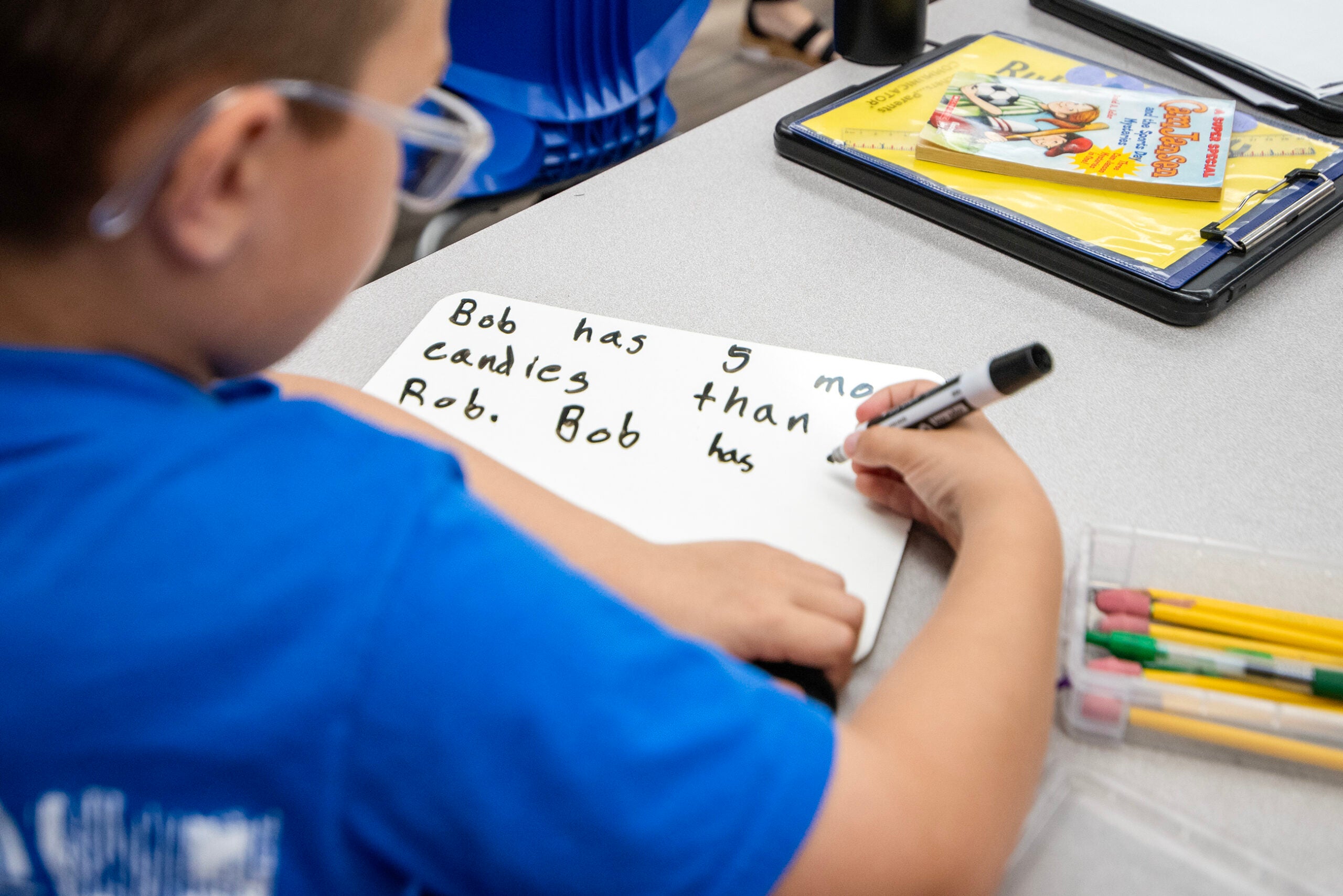
Other education bills were focused on school discipline. One would give educators more leeway to remove disruptive students from their classrooms, and a related plan would require school principals to notify parents in writing when their kids are removed from classrooms.
Yet another bill would allow people with substitute teaching licenses to teach in private voucher schools. That’s different from the requirement for public school teachers, which includes a full teaching license or a bachelor’s degree. Substitute teaching licenses are less rigorous, requiring an associate’s degree or training in a teacher prep program.
The education bills passed on a day when Republicans passed several proposed changes to the state’s election laws. Also on Wednesday, Assembly lawmakers approved bills to:
- Expand the access military recruiters have to high schools during non-instructional time
- Limit the length of a declaration of emergency by local government executives, like county executives or mayors, to 60 days, unless expanded by a governing body
- Exempt minor league baseball players from certain minimum wage and overtime pay requirements
- Require school boards to provide age-appropriate education about child sexual abuse prevention to students in pre-K through 12th grade.
Two high-profile bills that were scheduled for debate were pulled from the Assembly’s calendar by Republicans. One would legalize some online sports betting in Wisconsin, while the other would have banned people from using FoodShare benefits on candy, soft drinks or energy drinks. Both could still receive votes before the Legislature adjourns in March.

Wisconsin Public Radio, © Copyright 2026, Board of Regents of the University of Wisconsin System and Wisconsin Educational Communications Board.