
The state Assembly passed a bill Thursday that would ban schools from offering foods with certain ingredients in free or reduced-price meals.
The measure is in line with diet advice being pushed by U.S. Health and Human Services Secretary Robert F. Kennedy, Jr., who has championed the so-called “Make America Healthy Again” movement.
The banned ingredients would be brominated vegetable oil, which acts as an emulsifier; potassium bromate and azodicarbonamide, both baking additives; propylparaben, a preservative; and red dye 3, a petroleum-derived food coloring.
News with a little more humanity
WPR’s “Wisconsin Today” newsletter keeps you connected to the state you love without feeling overwhelmed. No paywall. No agenda. No corporate filter.
Each of those ingredients is on a list of food additives that the Food and Drug Administration is actively reviewing. Under Kennedy’s leadership, President Donald Trump’s administration has targeted processed foods and chemical additives as a leading cause of childhood disease, and dozens of states have begun proposing or passing legislation to limit food additives in schools.
Rep. Ann Roe, D-Janesville, argued that, because those ingredients are already federally regulated, such a state bill is “redundant.”
Instead, Democrats pushed two failed amendments that they said would better improve student health. One would invest millions of dollars in replacing lead service lines. The other was a push for an ongoing Democratic priority, which has never gained traction in the GOP-held Assembly: free school meals for all.
No Republicans spoke on the plan Thursday. It passed 53-43.
English as Wisconsin’s official language
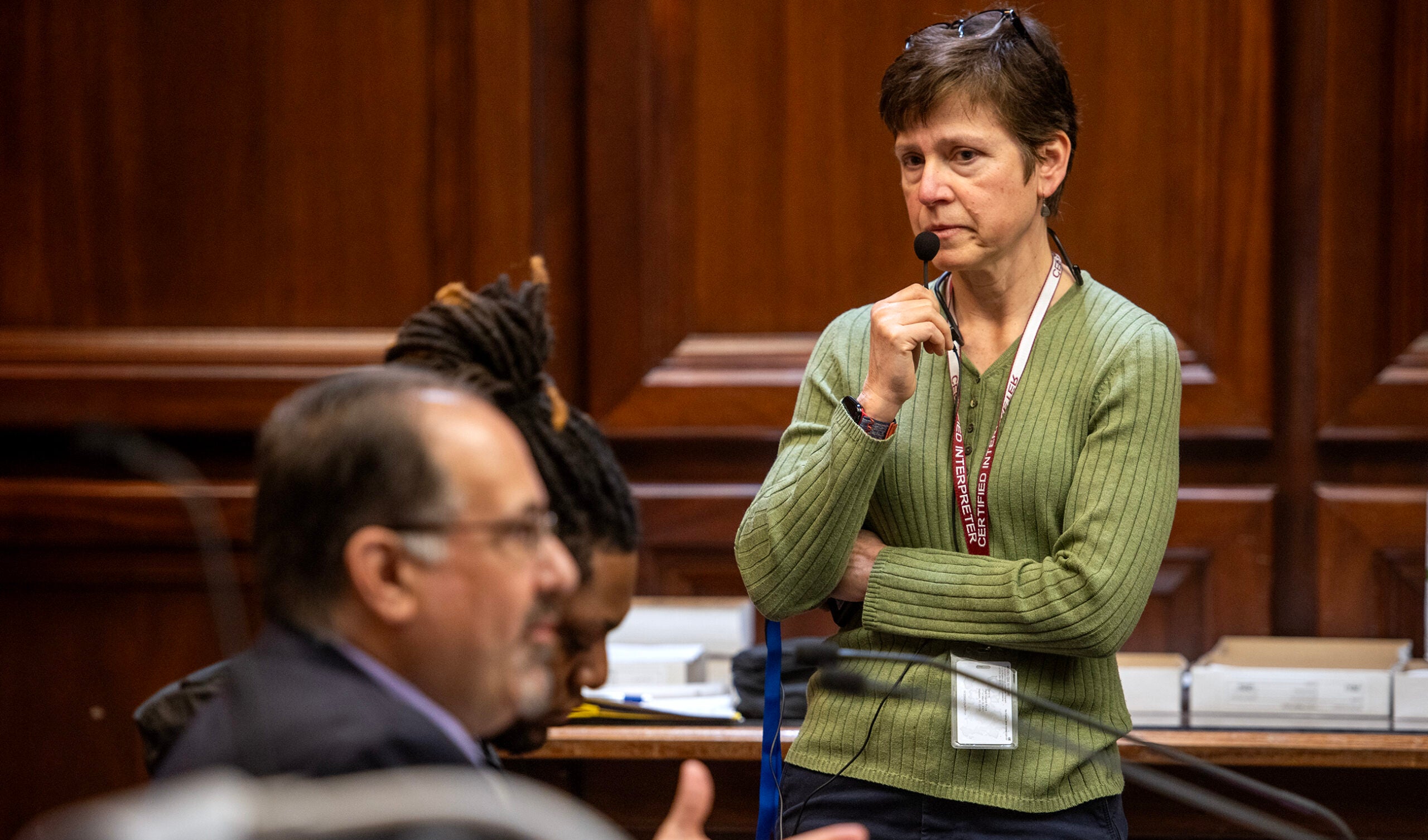
Lawmakers also approved a bill that would establish English as the state’s official language. That bill would do away with state-provided English interpreter services, replacing them with AI or computer translation tools.
And it would require all governmental communications to be in English, with exceptions for health and safety, teaching, defending people in court, complying with federal law and the Constitution, or when using a common phrase from another language.
Rep. David Murphy, R-Hortonville, who authored the bill, said it would promote the English language while also offering cost-effective interpretation options for people at court.
“It’s important to give a society cohesiveness with people that speak the same language,” he said, adding that the bill would save the court system money.
Opponents argued that translation technologies aren’t advanced enough to provide accurate and nuanced translation, and that people could be harmed in legal or medical settings by relying on imperfect software.
Rep. Priscilla Prado, D-Milwaukee, delivered a speech in Spanish saying that using AI translation could work for ordering lunch, but not for legal proceedings.
“You can use Google to translate that if you want,” she said, in English, after she finished.
An analysis from the state Department of Administration said the long-term costs of swapping out human translators for software was “indeterminate.”
“While the department may see modest reductions in expenditures related to interpreter reimbursements or translation support, these would likely be offset by new administrative burdens,” the analysis reads.
The proposal also mirrors federal policy. Last year, Trump signed an executive order to establish English as the official language of the United States.
The Wisconsin bill passed 51-45, with Rep. Jessie Rodriguez, R-Oak Creek, the lone Republican no vote.

Wisconsin Public Radio, © Copyright 2026, Board of Regents of the University of Wisconsin System and Wisconsin Educational Communications Board.