This story was produced and republished by Wisconsin Watch and WPR.
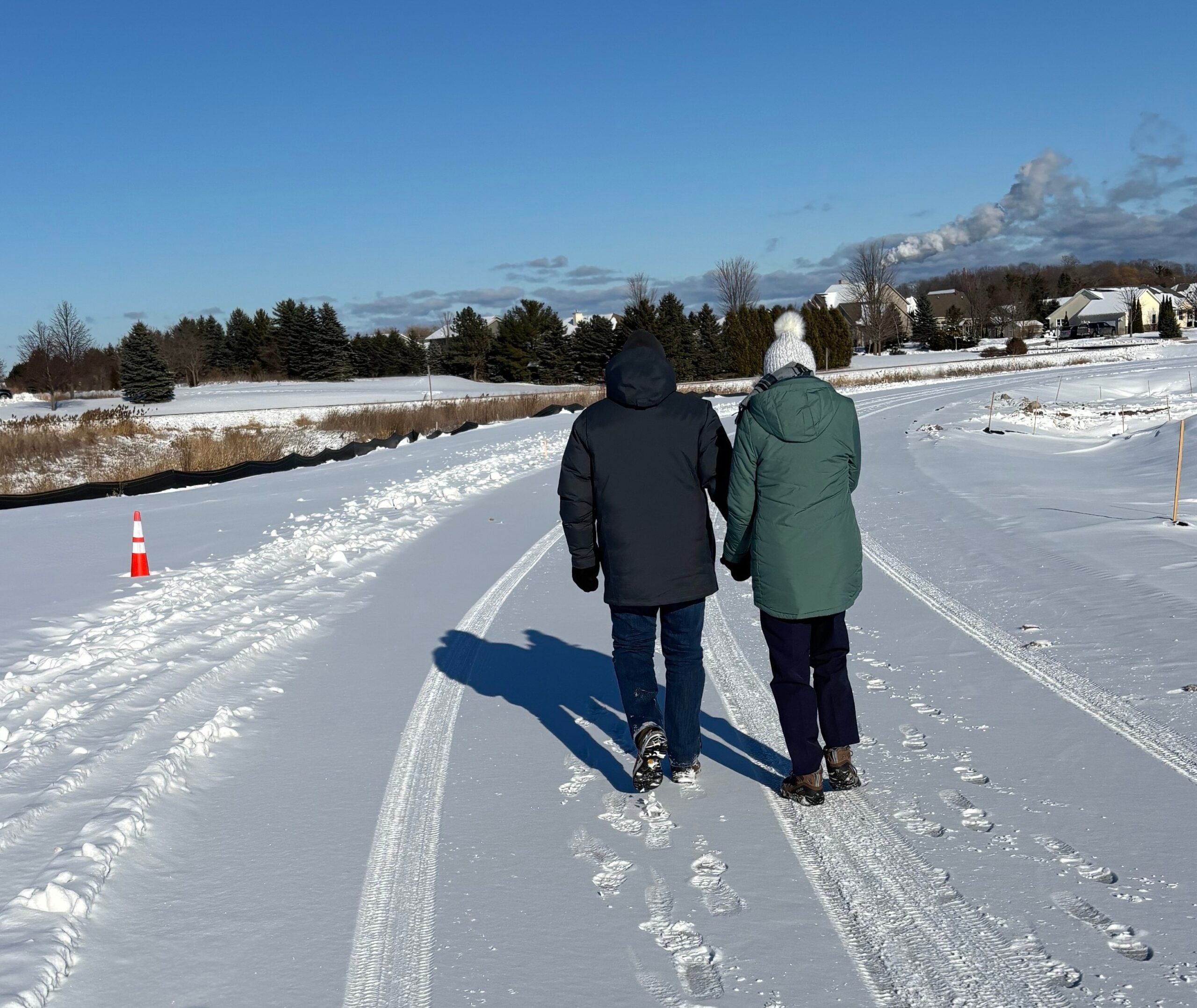
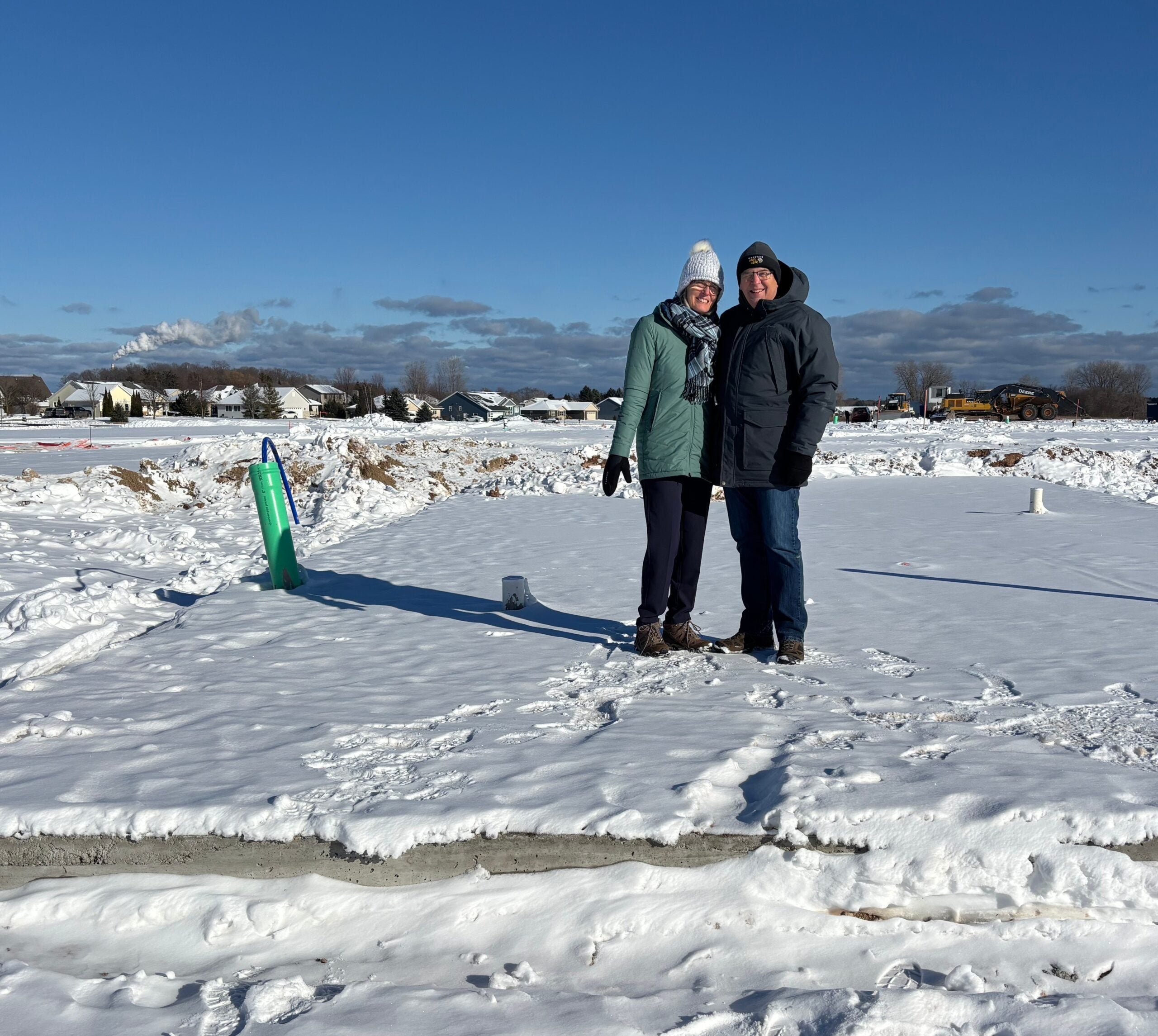
A row of footprints followed John and Terri Cooper, both 70, as they carefully navigated an icy road near Sheboygan, Wisconsin. They stopped at a row of concrete slabs.
“This is our house,” John said, waving at the first snow-covered block.
News with a little more humanity
WPR’s “Wisconsin Today” newsletter keeps you connected to the state you love without feeling overwhelmed. No paywall. No agenda. No corporate filter.
“It’s pretty big,” Terri added while standing on the foundation.
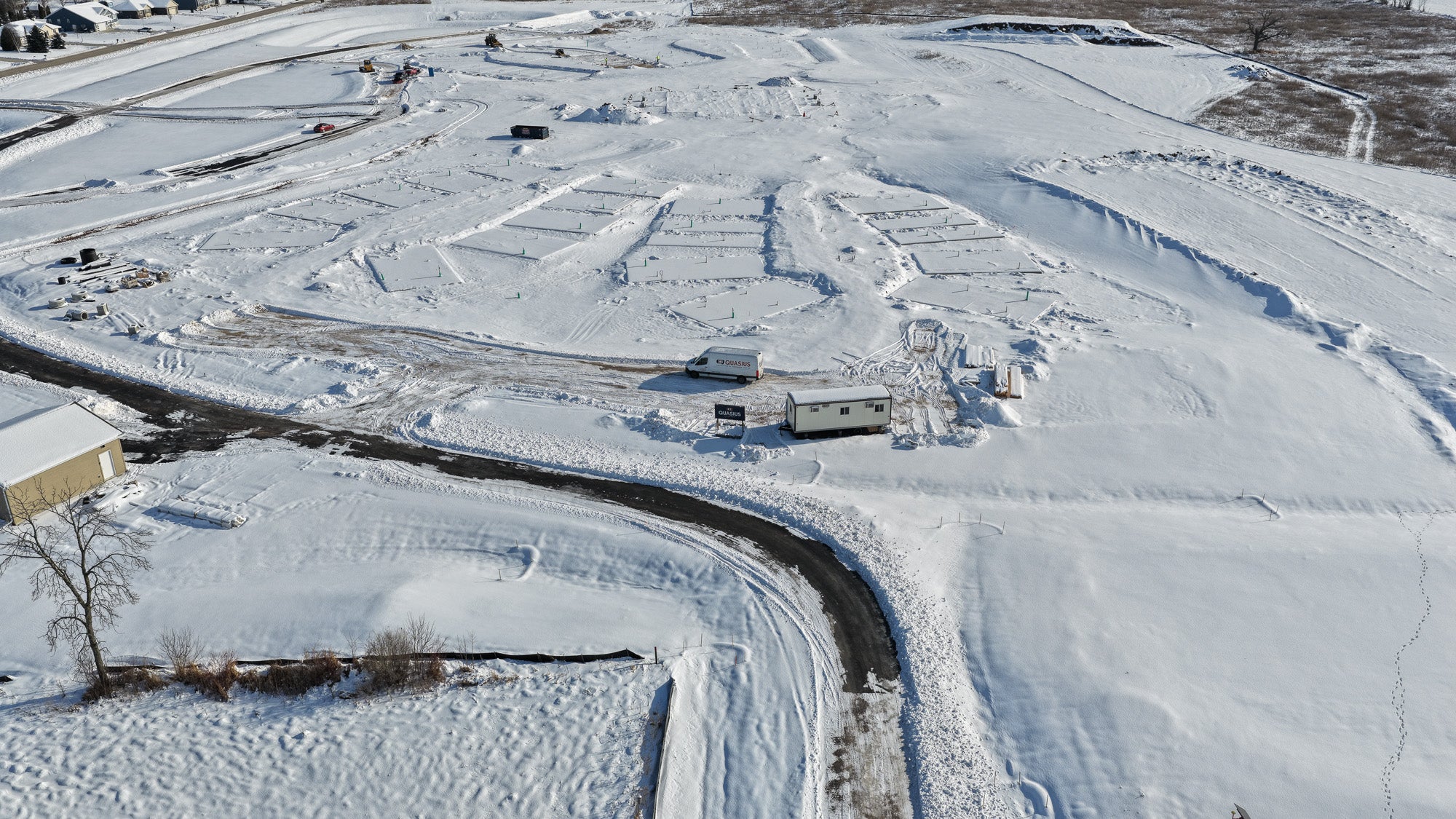
As they do every Sunday, the Coopers had driven around 20 miles from their independent living community to the construction site of their soon-to-be home. John flies a drone over the neighborhood taking shape around it, which will include a grocery store, a spa and a gym. He photographs progress on the 45-acre development designed specifically for people like Terri, who has Alzheimer’s disease.
The couple has moved a lot during their 50-year marriage. But this summer’s move will be different from all the others.
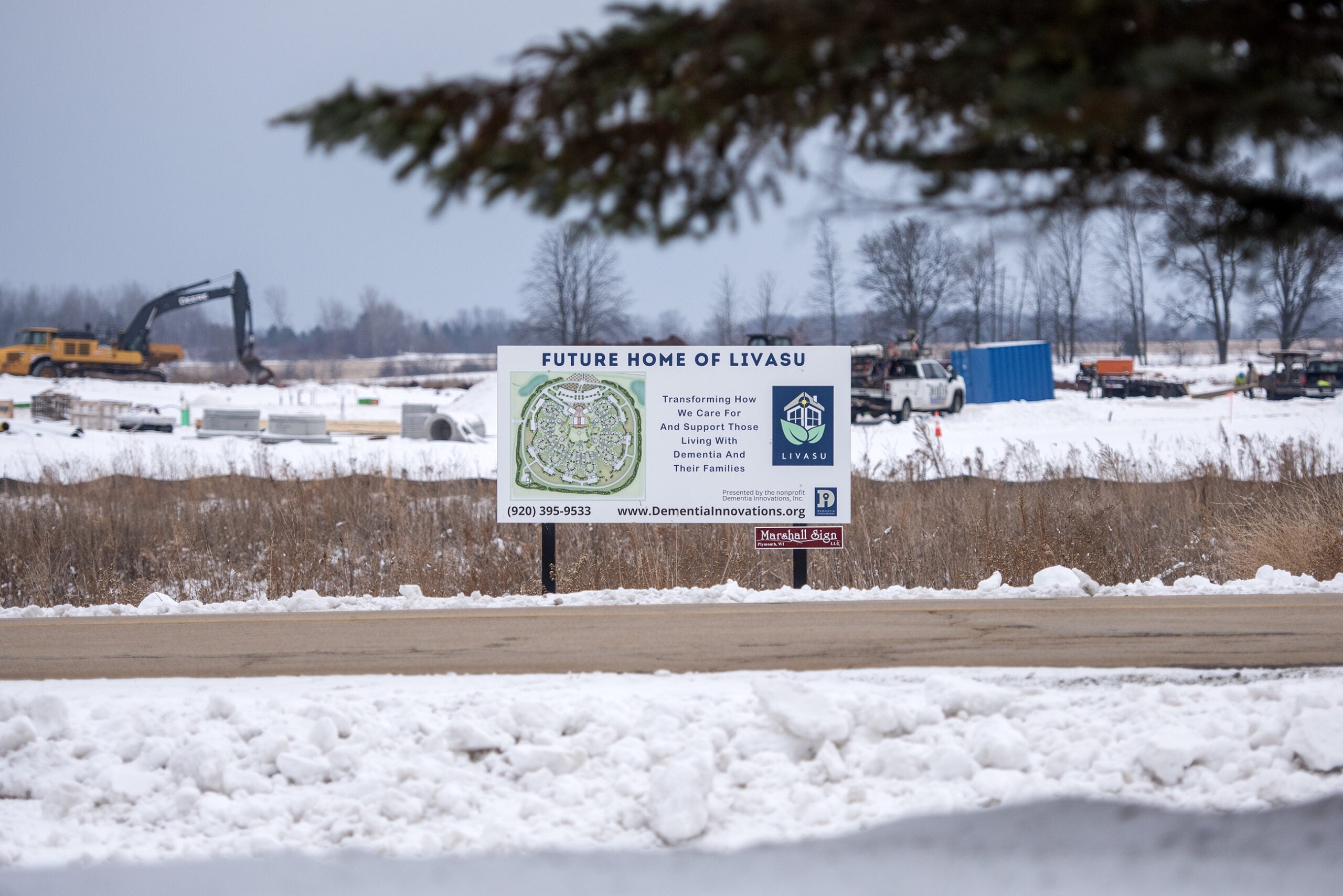
Dementia Innovations, a nonprofit started in Sheboygan County, is developing what it describes as the first U.S. village where people diagnosed with dementia will live and own homes. It’s similar to a European model that encourages people with memory loss to remain more independent. The Sheboygan County village, Livasu, short for “living as usual,” will allow people with dementia to live alone or with loved ones and continue typical routines from their homes as their disease progresses.
Applauded for years in other countries, experts say the village care model is difficult to replicate in the U.S. Livasu’s founders hope the estimated $14 million village will show it can work in Wisconsin and other states.
To limit costs, the village is using manufactured homes, a more affordable alternative to site-built options. People will buy their home and set hours of caregiving, depending on their level of need.
Unlike a traditional risk-averse memory care facility with locked doors, homeowners will be free to travel throughout the village with support from staff.
“We all take risks every day, but as we age, and especially as we age with dementia, there’s a safety-at-all-cost approach,” said Livasu’s project lead, Mary Pitsch. “That cost is actually a loss of personhood,” she said.
Rather than a fence surrounding the village or automatically locking doors, landscaping will direct people from their home toward the community’s “downtown.” People living in the village’s 124 houses will have access to a lodge with support staff and a place to eat meals with neighbors and to watch the Packers, Pitsch said.
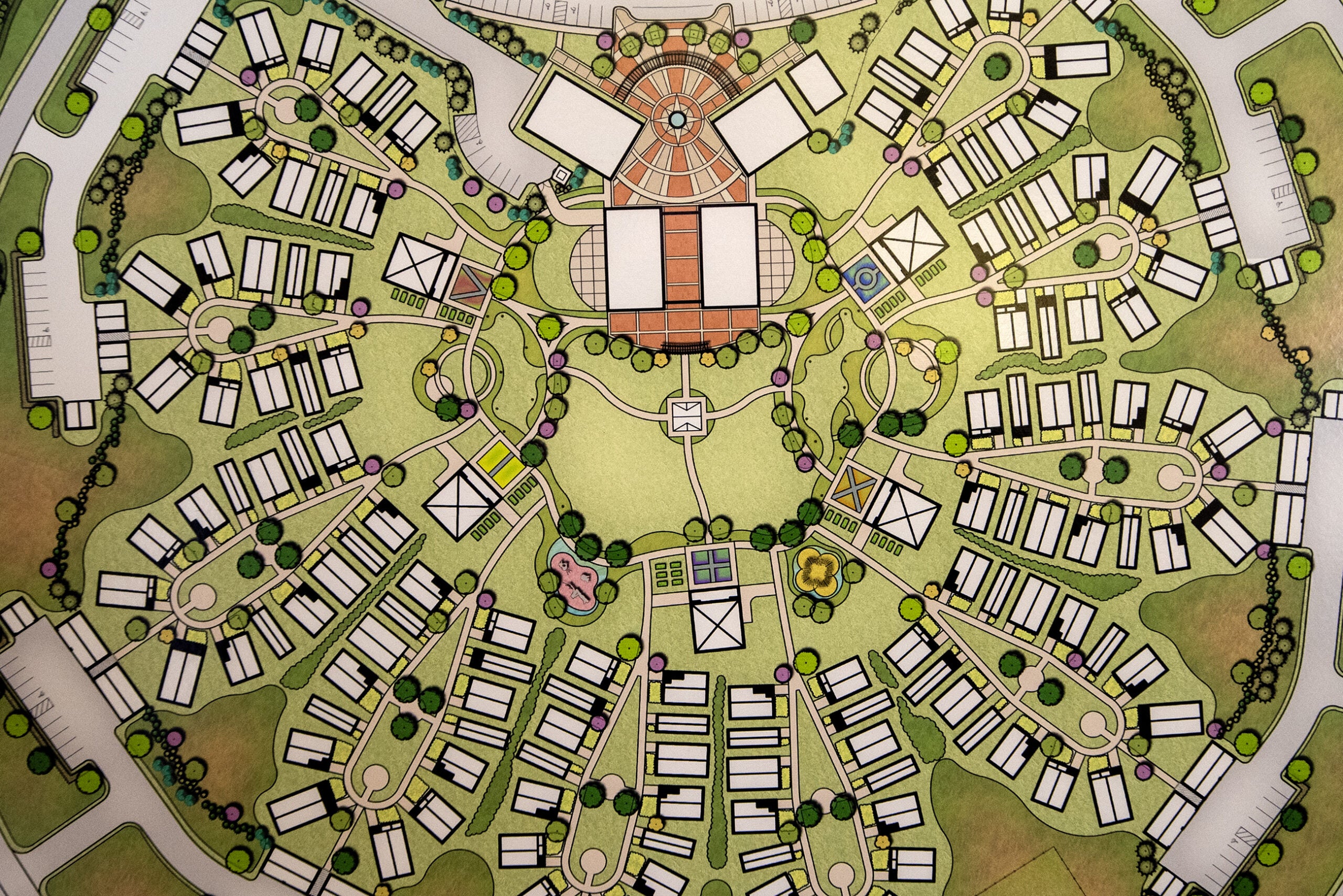
The village will eventually feature a public grocery store and a restaurant.
“We are changing the way we are thinking about care and support,” Pitsch said.
Aging at home — together
The Coopers met in college.
“I picked Terri out almost immediately. It took me some months to convince her that I was the right guy,” John joked.
“Thankfully,” Terri chimed in with a laugh.
As the couple raised two daughters, John worked different technology jobs and photographed sporting events like triathlons on the weekends. Terri was a structural steel detailer.
After watching her mother battle Alzheimer’s, Terri made sure to eat healthy and exercise to prevent herself from getting the same disease. But in 2019, John started noticing changes. Two years later, Terri was officially diagnosed.
“I mean right now,” she asked John outside of the Livasu construction site, “I think I’m OK, right?”
“Yeah, you’re great!” he responded emphatically, prompting another round of laughs.
Terri shook her head.
“This is what I live with,” she said.
The couple moved into an independent living center over a year ago after John was diagnosed with two forms of cancer that are now in remission.
“We wanted to be someplace where, if I was gone, Terri could live and have people take care of her,” John said. “That’s still the goal.”
Unlike in institutional settings, Livasu will allow them to age in their home together.
Manufactured housing brings savings
The Coopers are excited to again own a home, even if it’s smaller than they’re used to.
First they left their 2,400 square foot home in Neenah for a 1,500 square -foot duplex. Their future manufactured home in Livasu measures just 1,140 square feet, John said. But unlike the independent living duplex they rented, they are purchasing this home.
Home prices in Livasu currently range between $95,000 and $175,000 — less than traditional site-built houses.
Like with any manufactured homes, savings come from finding scale in mass production, with factories buying materials in bulk and cutting down material waste through computer design.
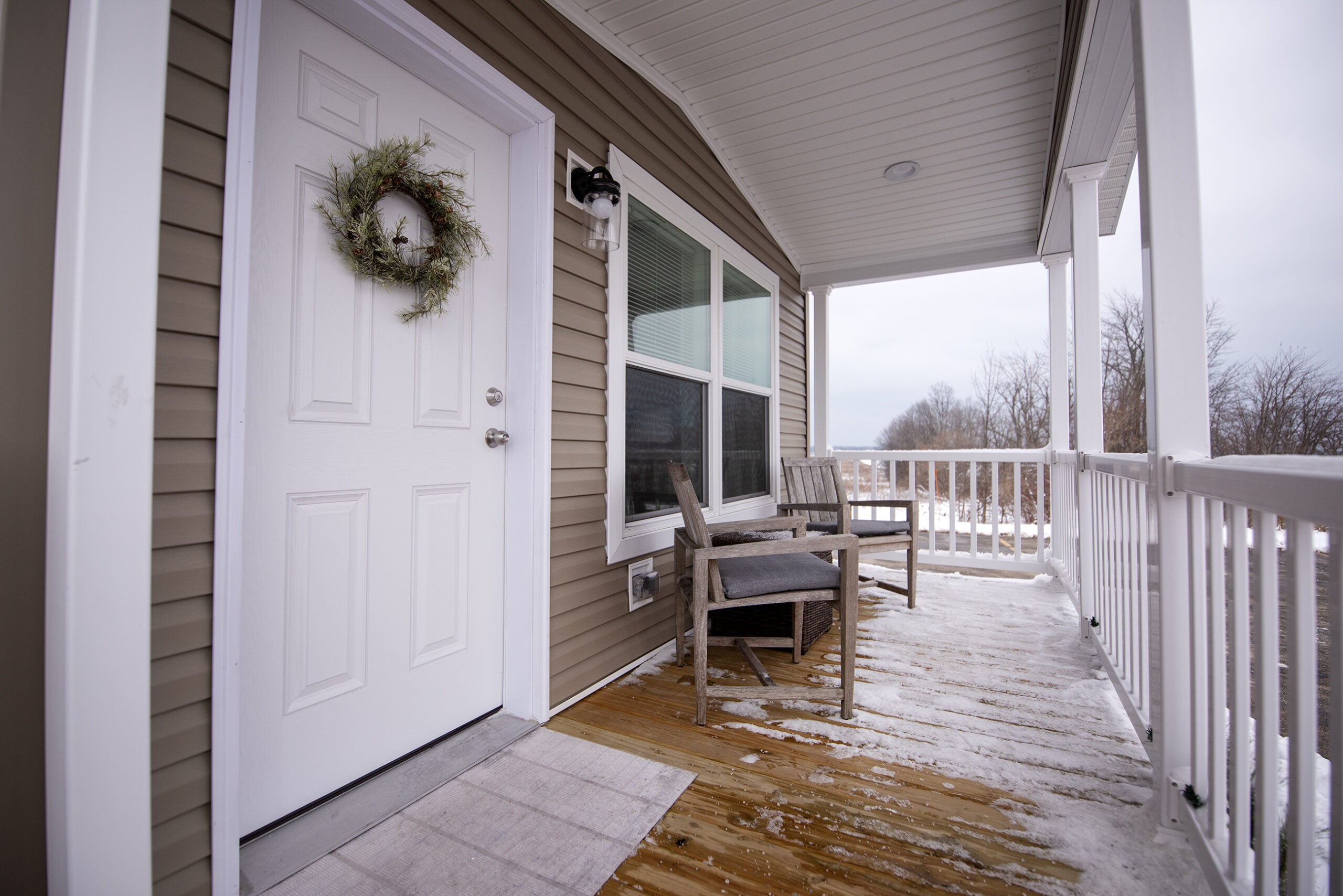
The Livasu homes are built off-site, limiting construction time and noise as people move in at different times, Pitsch said. The homes have a title, similar to a car, instead of a traditional deed. That will make transferring the homes between owners easier.
Terri Cooper lived in a mobile home during one year at college, John recalled. But today’s manufactured homes are higher quality, he said.
“They’re actually built pretty nice,” he said.
Every detail is designed for someone aging with dementia, Pitsch explained while walking through a model home placed outside the Livasu construction zone.
More lights in each house help aging eyes. Dark door handles contrast to lightly painted doors. The homes feature safer electric stoves instead of gas.
While homes in most manufactured housing communities — traditionally called “mobile home parks” — have stairs, Livasus will place homes at ground level.
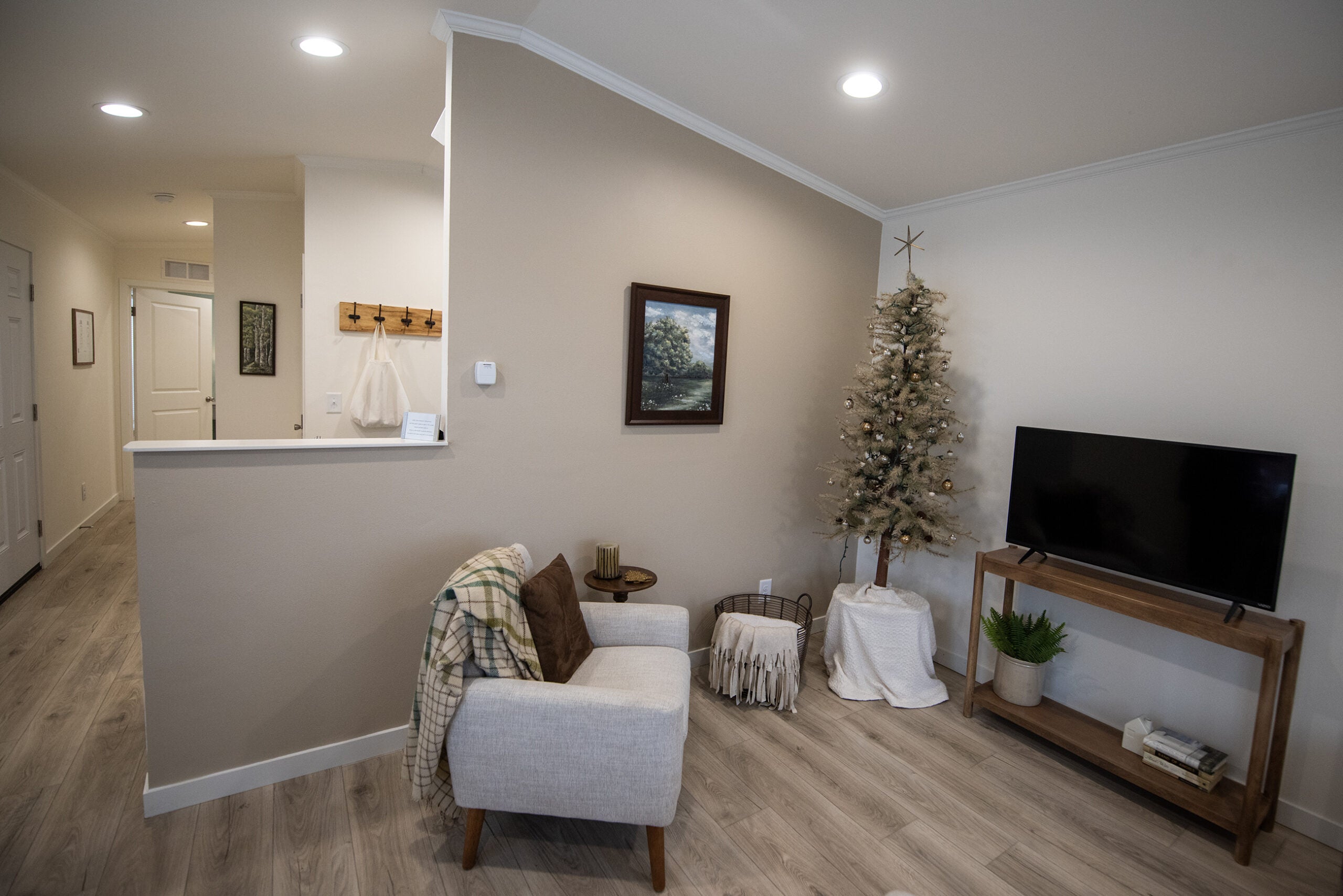
Bedrooms will have a direct line of sight to the toilet, which can help prevent incontinence.
“The shower was a big discussion. Do you have glass doors? Do you have a shower curtain?” Pitsch remembered debating with the other designers.
“Lots of conversations about some things that would seem really simple, were long conversations,” she said, “and we made the best decisions we could.”
Dignity in dementia care
Pitsch, a social worker, developed her passion for this work while working with older adults. She has run an at-home care company with her husband for close to 20 years. She learned Sheboygan-area law enforcement often responded to emergencies involving people with dementia.
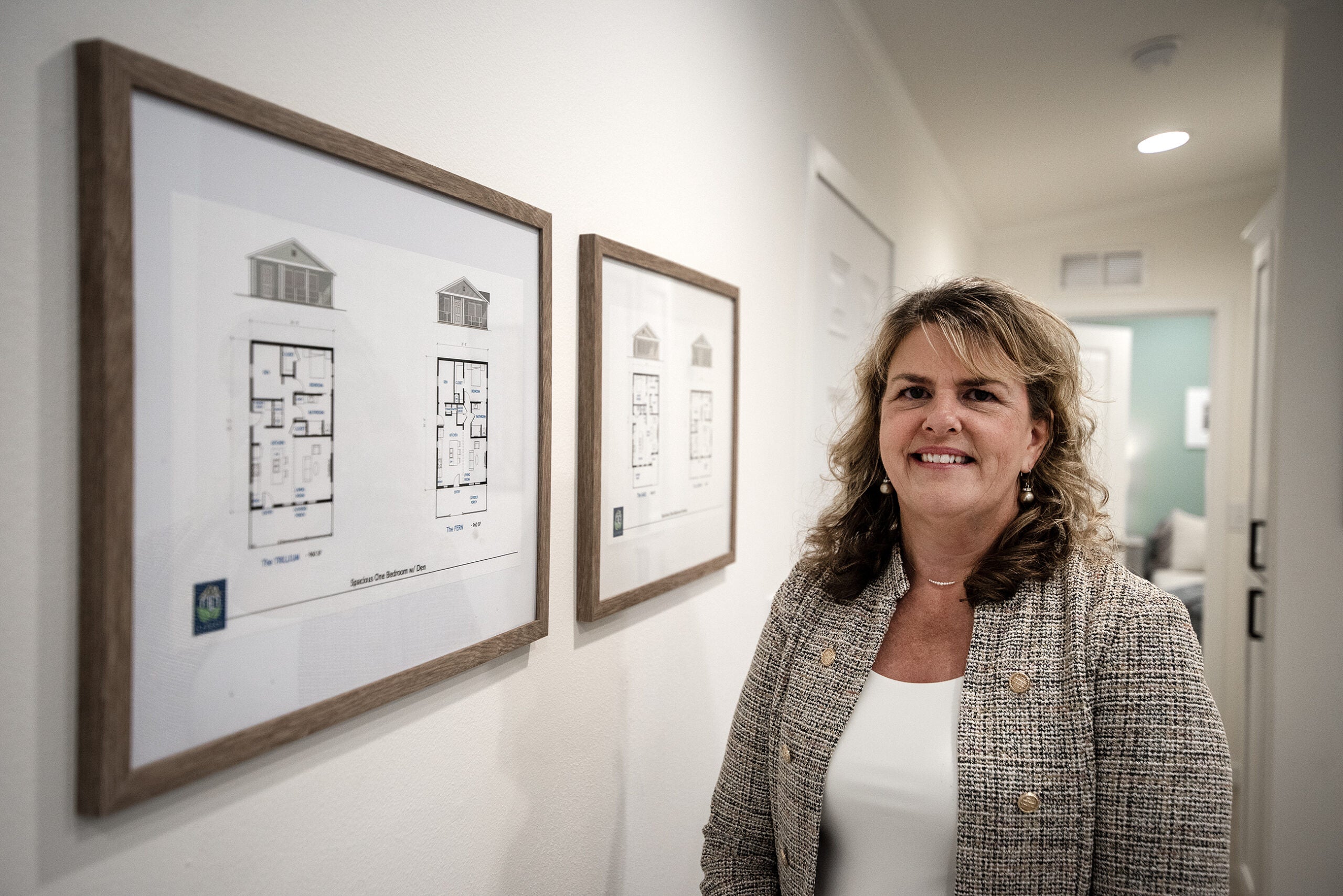
She and other community members formed a task force to evaluate the county’s response to residents with dementia. That prompted changes in the county’s emergency protocols and the creation of Dementia Innovations.
“I’m kind of one of those people that if it’s not me, then who’s going to do it?” Pitsch said.
Pitsch and others started planning a way to better care for people with dementia and prevent emergency situations in the first place. They learned about Hogeweyk, the world’s first dementia village in the Netherlands.
“We are far behind other countries in a better, humanistic way of providing care for those with dementia,” Pitsch said.
Dementia care in the U.S. tends to prioritize safety above all else, said Emily Roberts, an associate professor at Oklahoma State University who researches the connection between older adults and their physical environment.
Creating environments where people can make choices and take risks can be expensive, especially in a litigious country like the U.S., she said.
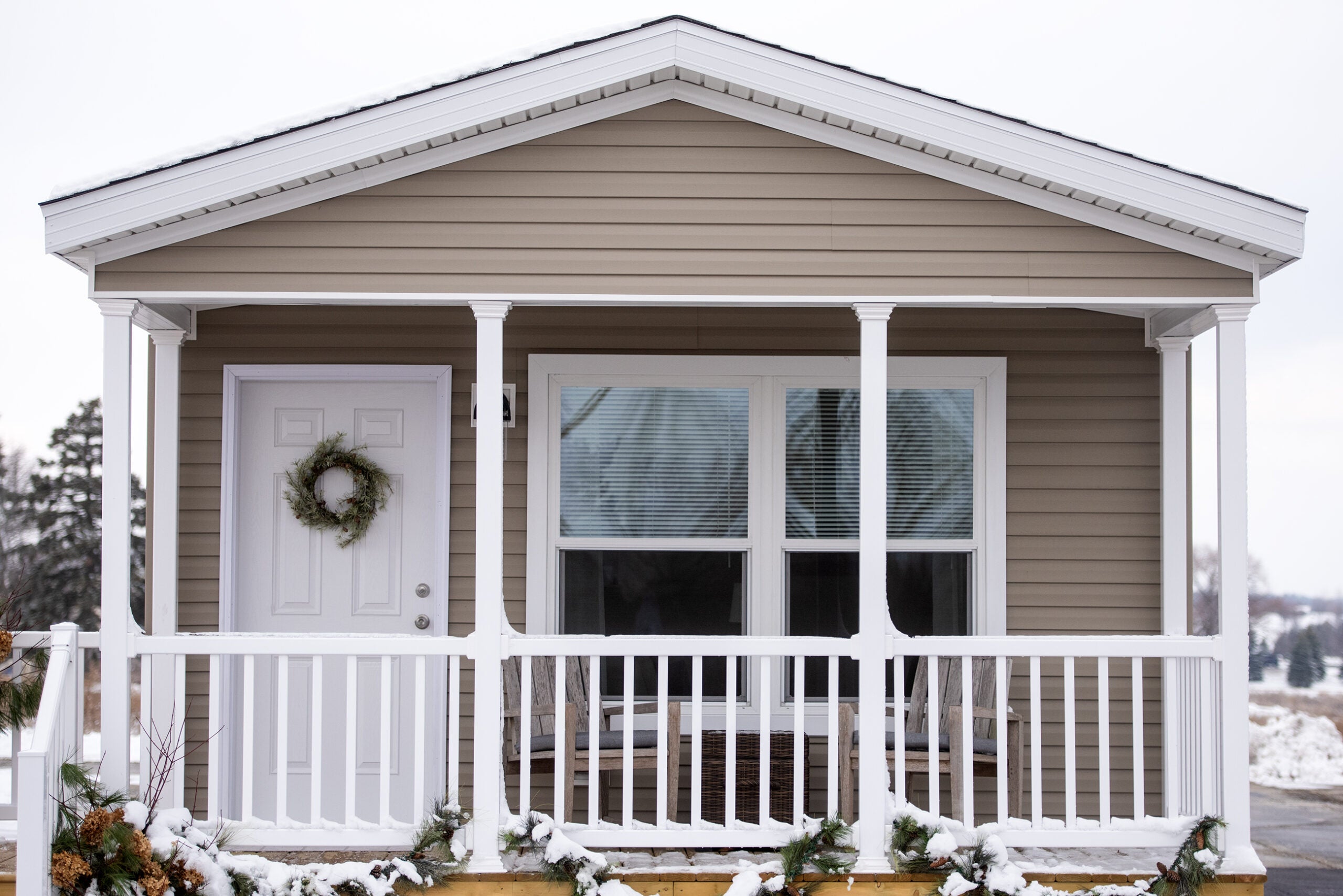
Support staff in Livasu will regularly monitor the grounds. Cameras can alert them if someone walks in or out of the village through an unexpected area.
Creating a home-like environment also prevents people from wanting to leave, Roberts said. As the number of people with dementia continues to grow, the country will need more environments that support people with dementia, she said. That’s especially true in aging Wisconsin.
A private room in a nursing home costs $127,750 on average in the U.S., according to the Alzheimer’s Association — more than a smaller home at Livasu. Village residents will pay for care as they need it, similar to at-home care, and potential homeowners discuss their finances with Livasu volunteers, Pitsch said.
Livasu raised more than $8 million dollars for the first phase of construction. It still needs to raise around $6 million more to complete the entire village, but the first houses are already waiting to get placed on foundations.
Pitsch recently watched as a construction crew drove excavators and bulldozers over the giant field where a restaurant, post office, and ice cream shop will eventually go.
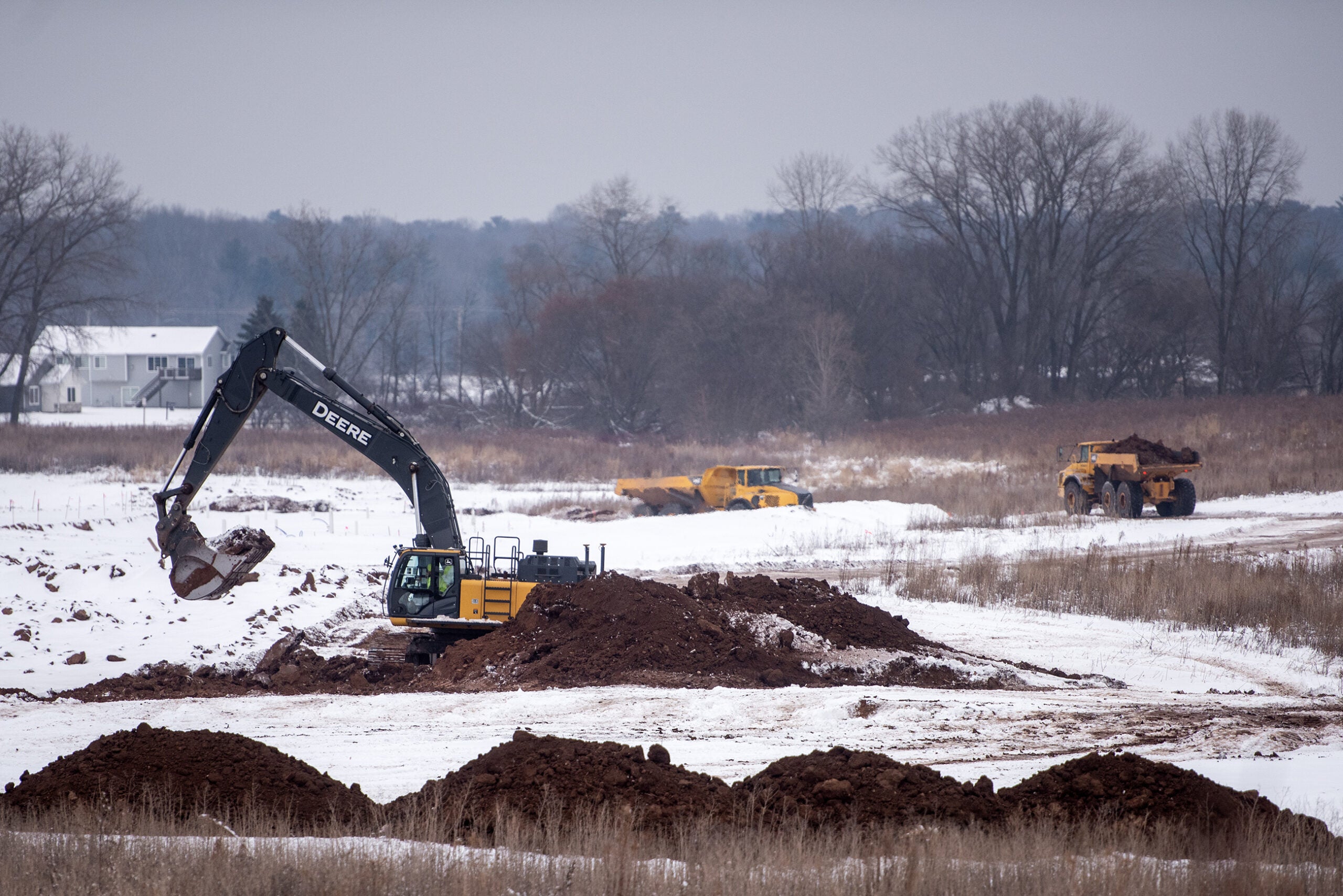
“I pinch myself,” Pisch said. “It gets pretty emotional actually, to see that it’s actually happening,”
‘Wherever she goes, I go’
When the Coopers move in, they don’t expect to need any caretaking. They still make weekly visits to see their grandkids and take weeks-long hiking, camping and cycling excursions.
“Wherever I go, she goes, wherever she goes, I go. Except in the women’s bathroom,” John said, eliciting more laughs from Terri.
“We kind of like each other, so that’s OK.”
As the couple finished checking in on construction of their future community, they carefully walked back to their car — holding hands the entire way.